
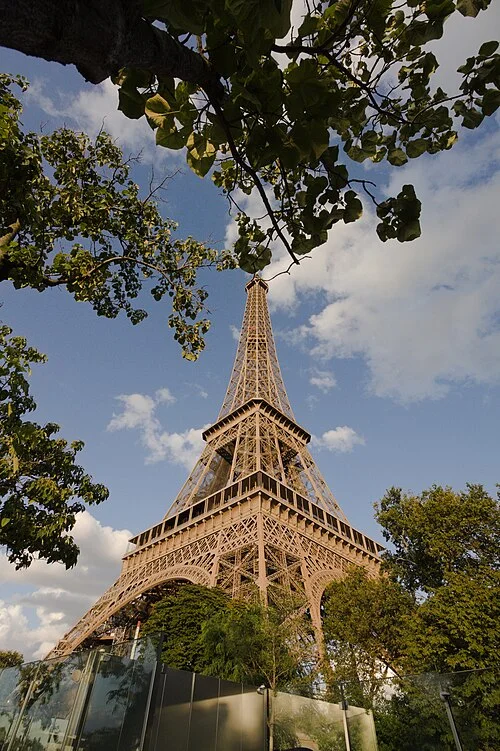
The Tatilmerkezi Stork's first suggestion for the Eiffel Tower is to leave a little space in your day before you look up. It is easy to reduce one of Paris's best-known structures to a photograph; considering the nearby walks and different ways to visit creates a better day. The “125-year-old” wording in our historical archive address belongs to the past. The tower was completed in 1889, so in 2026 we are discussing a 137-year-old structure. We retain that address while updating the guide with twelve historical and planning ideas. These offer separate options for visitors who want to go up and those who prefer an outdoor introduction.
1. Add 1889 to the story of your visit
The official history records construction beginning in January 1887 and finishing on 31 March 1889. Those dates remind us that the structure did not appear overnight. Seeing the distant outline and then the ironwork as you approach creates two different experiences. You do not need to carry a whole history book: a few facts can help build a relationship with what you are seeing. On a first Paris trip, combine this brief historical frame with a river walk or a museum interest rather than making every stop a test of architectural knowledge.
2. Read the ironwork from closer by
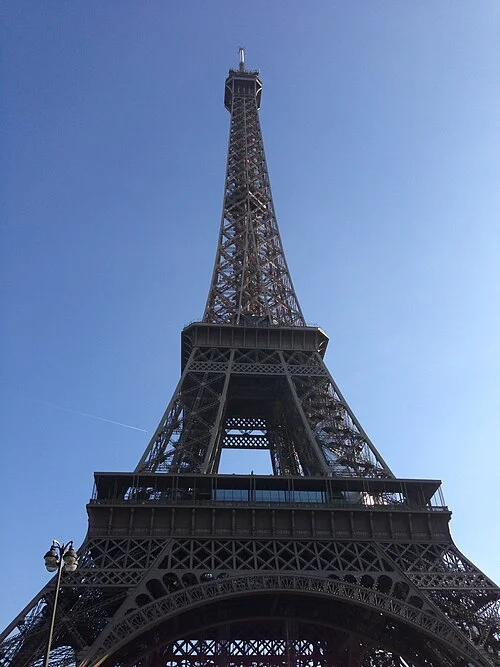
As you approach the base, lines that looked simple from a distance become a layered structure. Looking at the sky through the ironwork can be a worthwhile pause even without taking pictures. Be aware of other people and the walking area if you step backwards for a composition. Looking from a few angles and then putting the phone away can be more satisfying than perfecting a single image. The archival photograph in this section is a separate shot, not an enlargement of the cover. Seeing the tower from near and far creates an outdoor plan in its own right.

3. Seeing the exterior and going up are different decisions
Do not measure a visit only by whether you reached the top. Looking at the tower, walking nearby and resting by the river can form a shorter programme. Going up is a separate main activity, involving the ticket, entry and time on the floors. Compare those plans before adding a major museum to the same afternoon. Consider the interests of your travel companions too: one person may prefer the view and another a park walk. Build a shared itinerary around time that will be enjoyable, rather than the largest possible number of attractions.
4. Distinguish the floor and access type on the ticket
Official ticket options distinguish second-floor and top access, and the use of stairs and elevators. “An Eiffel ticket” therefore does not fully describe the visit you want. Read which destination and access method the product allows before buying. A staircase visit may sound appealing, but compare it with the amount of walking in the rest of your day. This guide does not treat a changeable price as a permanent figure. Instead it separates the types of visit so that you can decide using official sales information for the actual date and option you need.
5. Arrive without making the entrance a sprint
Preparation is not only about the view from above. Entry, security and finding the right direction are part of the day too. Rather than leaving the hotel, adding a lengthy shopping stop and then racing to the booked time, plan a calm arrival in the area. Reading the official preparation page for bag and belongings rules can reduce uncertainty at the entrance. Keeping the next meal flexible also helps. If some of the time you allowed goes into waiting, a programme with spare room is less likely to collapse. Treat arrival as part of the outing rather than invisible time.
6. Leave room for open air at the Champ-de-Mars
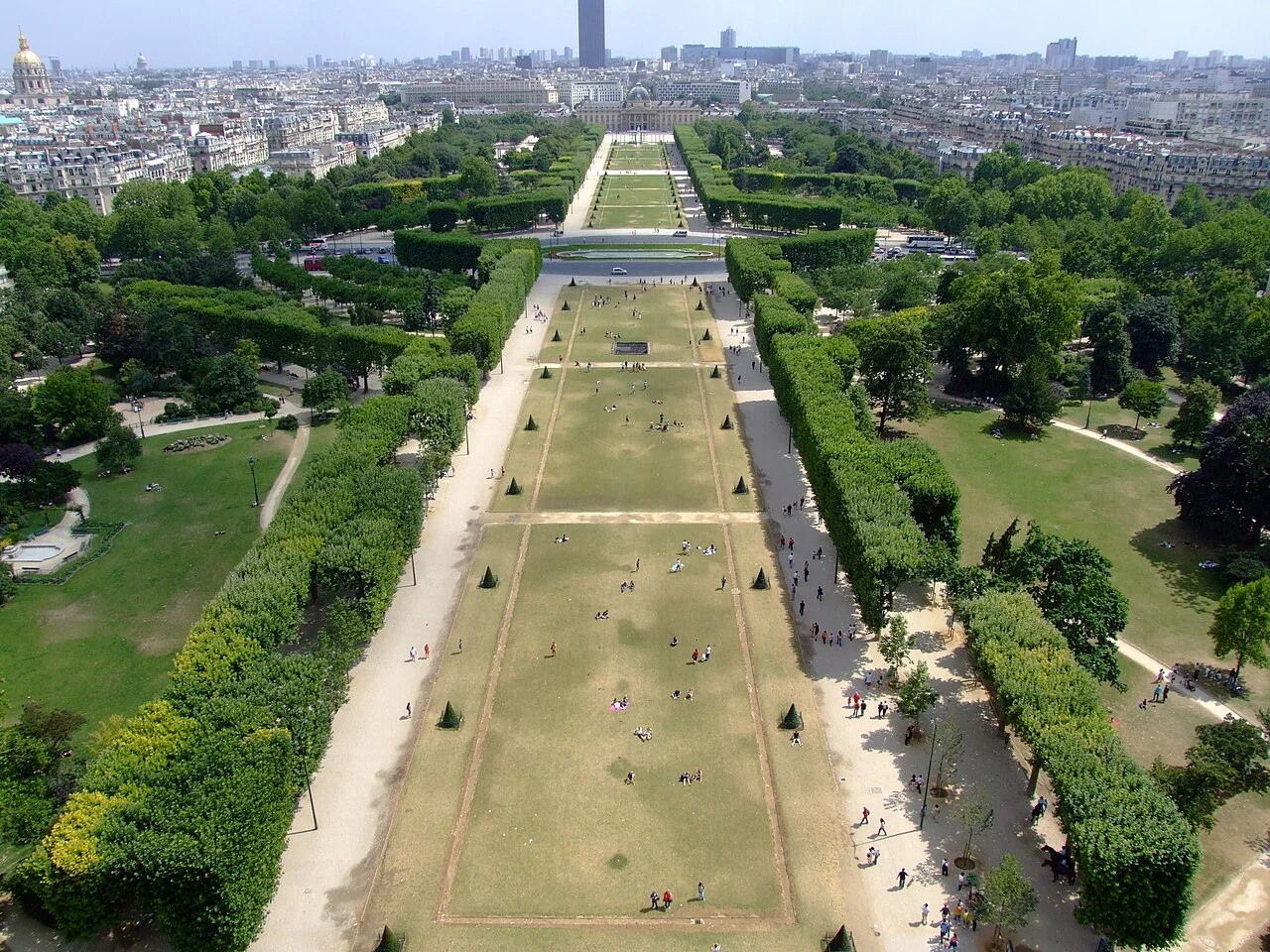
The Champ-de-Mars side can give the day an outdoor section beyond the tower itself. A walk or rest here offers another rhythm, especially after an intensive indoor visit earlier in the morning. In suitable weather, a small bakery purchase may suggest a lunch pause, while respecting the area's current use arrangements. The photograph is a Champ-de-Mars view taken from the tower in 2008. Walking on the ground and looking down from above are different experiences. Doing both is not compulsory: choose the one that fits the rest of your day instead of expanding the itinerary automatically.

7. Trocadéro: separate today's outing from garden history
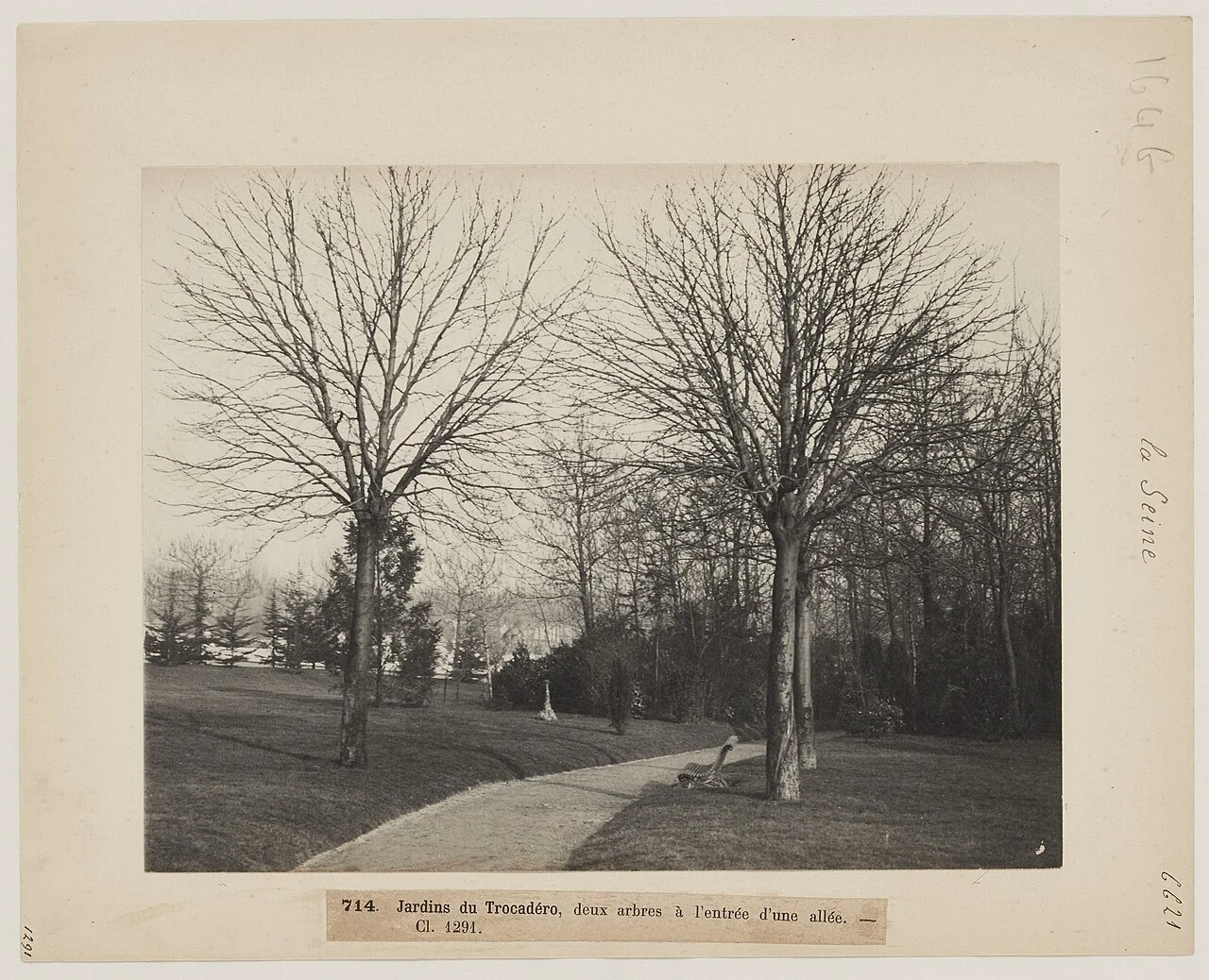
When considering the Trocadéro direction, do not focus only on one busy photograph spot. Leave pauses along the way to rest and reconsider the route. The garden photograph here dates from around 1890 and offers a historical window; it does not show the present garden layout. For visitors who enjoy comparing old and new views, that detail can widen the memory of a visit. On the actual walk, use the areas and signs available that day to choose your own stops. Historical curiosity and present-day wayfinding belong together, but an archive image should not be used as a current access map.

8. Consider a different return towards Bir-Hakeim
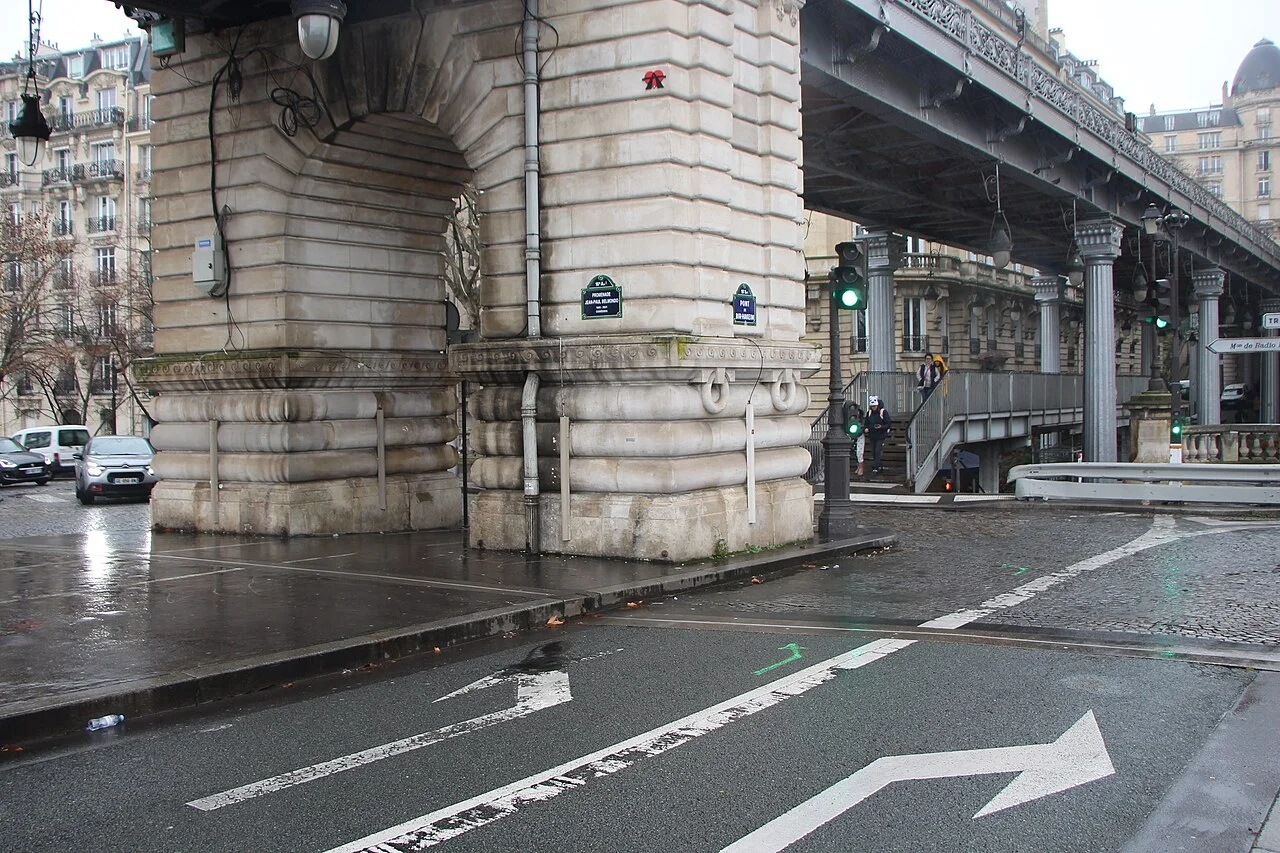
The Bir-Hakeim surroundings can suggest a separate walk after the visit. Choosing another direction near the river rather than retracing your arrival route brings variety to the day's views. The photograph shows street surroundings near the bridge and Avenue du Président-Kennedy in December 2023; it is not a promise of a dry or sunny day. The extension is optional. If you want a rest after going up the tower, a shorter return may be better than a longer walk. Reducing the itinerary according to your energy is a useful planning decision, not a failed sightseeing day.

9. Choose a meal for more than the view
When adding a meal to an Eiffel outing, think about the setting where you want to sit and the time you can give it, as well as the view. A small sandwich or bakery pause and a longer bistro meal suit different days. After plenty of walking, a seated meal can make the programme easier to sustain. A coffee and sweet pause can accidentally replace a proper lunch, so account for everyone's meal rhythm when travelling as a couple or family. Choosing a local bakery item can be a pleasant detail without becoming a compulsory part of a tower visit.
10. Do not choose accommodation only for a tower view
A hotel photograph featuring the tower does not automatically make the entire Paris trip easier. The first day's starting point, the street where you want to return in the evening and transport for other outings matter together. If you want to stay nearby, consider everyday meals and return journeys too. Staying in another district and giving the Eiffel area one dedicated day can also work well. Three nights in one base create a different practical experience from moving hotels each day. Reducing suitcase journeys during a short city trip leaves more time and energy for the places you actually came to see.
11. Think of daytime and evening as separate experiences
Daylight draws attention to the iron lines and the structure's relationship with its surroundings; an evening plan may aim for a different atmosphere. Neither has to count as a more authentic visit than the other. The tower photographs here depict the daytime structure and do not reproduce protected night illumination. Image rights are recorded separately with the sources. For your trip, the useful decision is to consider the evening return and meal arrangements independently of the daytime plan. If you choose an evening outing, avoid filling the next morning with another intensive programme that starts unnecessarily early.
12. Choose one of two relaxed programmes
The shorter option is to see the tower from outside, walk on the Champ-de-Mars side, take a lunch pause and give the remaining day to another area. The fuller option is to make the tower visit the main event according to your ticket's access type, then rest and add a short riverward return if you wish. Treat transport as a separate time block in both versions. If outdoor conditions change, shorten the park section and extend a sheltered meal pause. The Stork's suggestion is to focus on a good day in Paris rather than “completing” the tower. The structure is the same; the remembered journey grows from your chosen rhythm.