
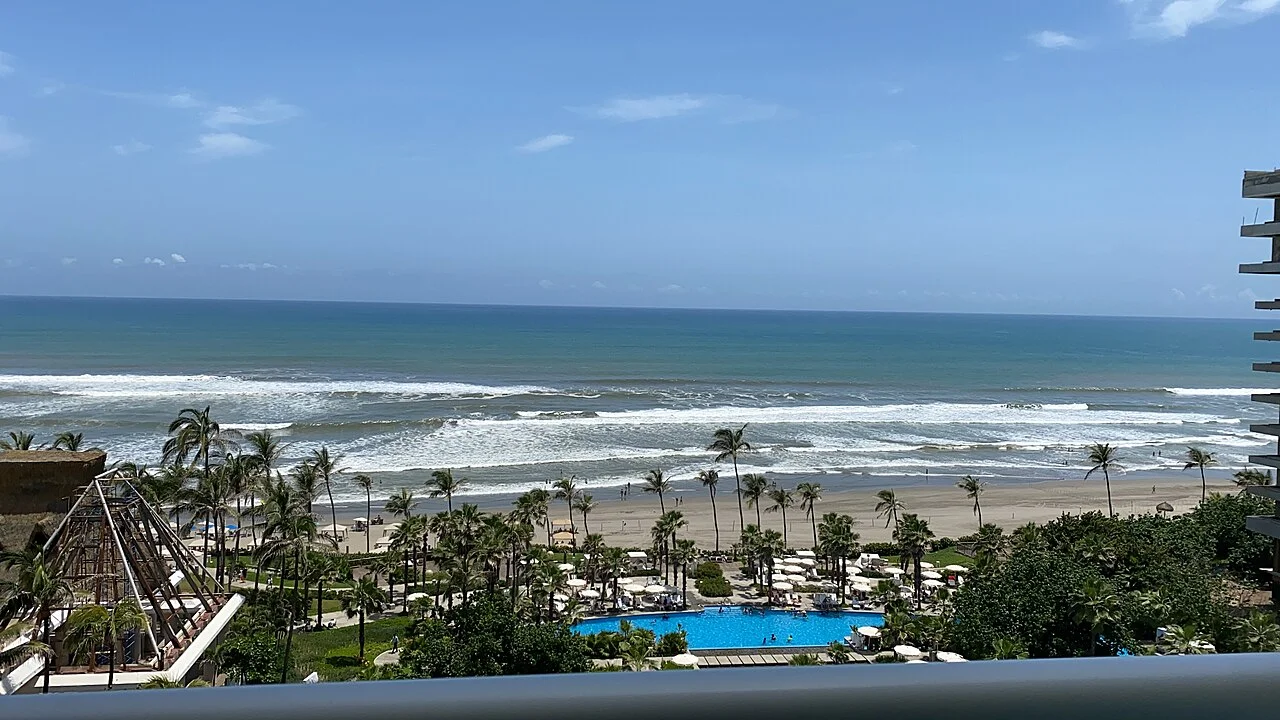
Knowing Acapulco only through a beach postcard leaves part of the story of this Mexican Pacific port untold. A curving bay, the walls of a historic fort, La Quebrada's cliffs and pescado a la talla open different chapters. The Tatilmerkezi Stork first puts those chapters in the correct places: Acapulco belongs to the Mexican state of Guerrero, not a separate country in Central America or another continent's similarly named beach. This guide explores history and local food without concealing the current circumstances.
Important current note: at the source check on 4 October 2026, the UK's FCDO advises against all but essential travel to Guerrero, including Acapulco. Its exception for Zihuatanejo/Ixtapa accessed by air does not include Acapulco. This cultural and geographical guide is not a current holiday booking recommendation or a guarantee of safe travel. Before making a travel decision, examine your country's current notices, insurance terms and local directions. The areas below explain the city; they do not promise night-time excursions, remote road adventures or sea activities.
Fuerte de San Diego: understand the port's past
Fuerte de San Diego takes the story beyond hotels beside the sea. INAH's museum account connects the port's early communities, Pacific trade and links with the East. The fort therefore provides a useful starting point for deciding which part of local history interests you. Looking at the stone walls and defensive entrance helps explain why a port once needed protection. Instead of memorising each display detail, focus on how trade, the sea and the settlement interacted. A building can make that relationship more tangible than a list of historical names.
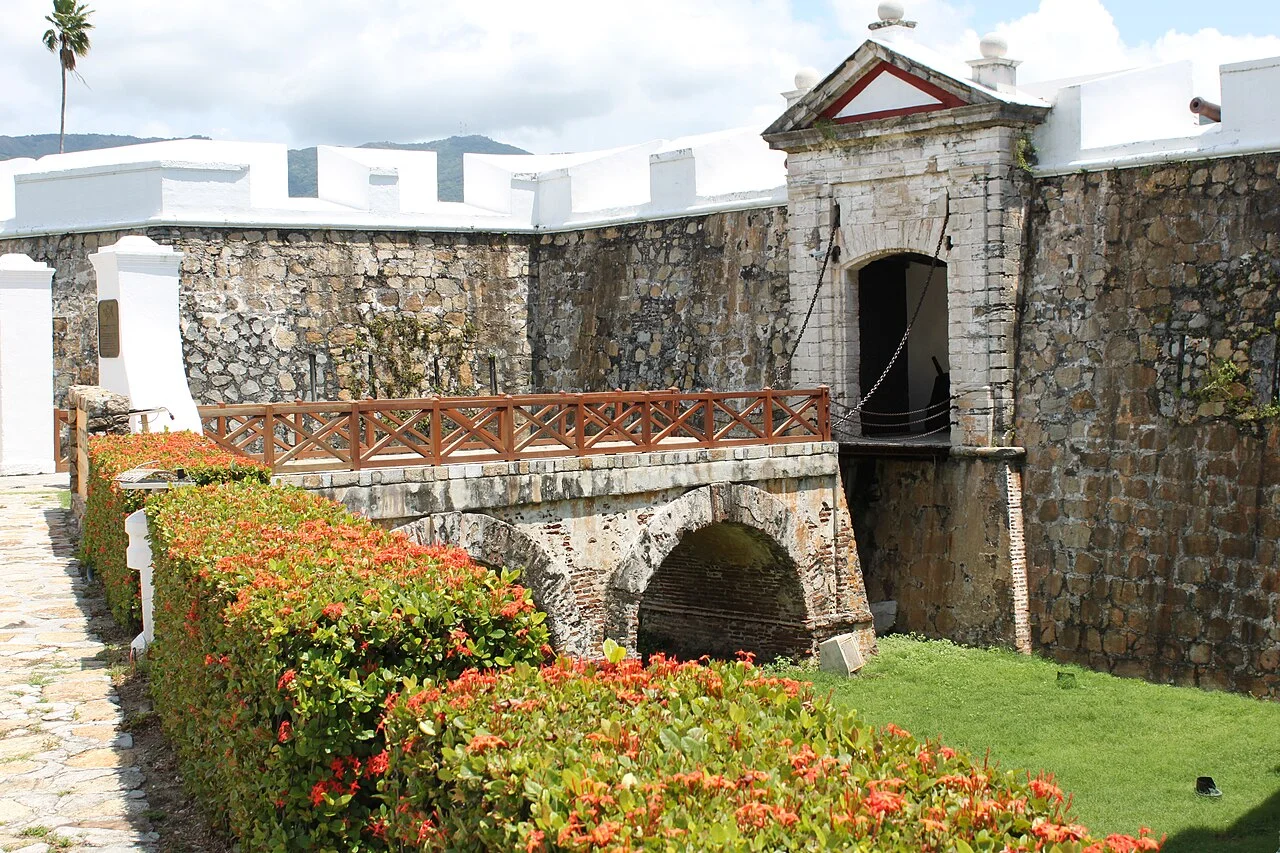

When researching a museum visit, distinguish its exterior from access to exhibitions. The fort entrance in a photograph does not establish that every gallery operates today. Refer to INAH's actual museum listing; this guide does not reproduce changing charges or guaranteed visiting hours. In a cultural visit outline, give the fort enough attention rather than treating it as a quick vehicle stop. Remember also that maritime trading routes connected people, materials and culinary traditions. That perspective helps the food section belong to the city's history rather than becoming a separate collection of meal names.
La Quebrada: the identity of a rocky coast
La Quebrada is associated with Acapulco's rocky shoreline and the tradition of professional cliff-diving performances. Seeing that scene in travel photography does not mean visitors can imitate the jumps. The character of cliffs and exposed water differs from a sandy shore inside the bay. Attractive water colour in an image is not a measurement of currents or risk. Understanding why the place became a strong local symbol is a better approach than searching for a feat to copy. The scene belongs to an account of place and performance rather than an invitation to improvised adventure.
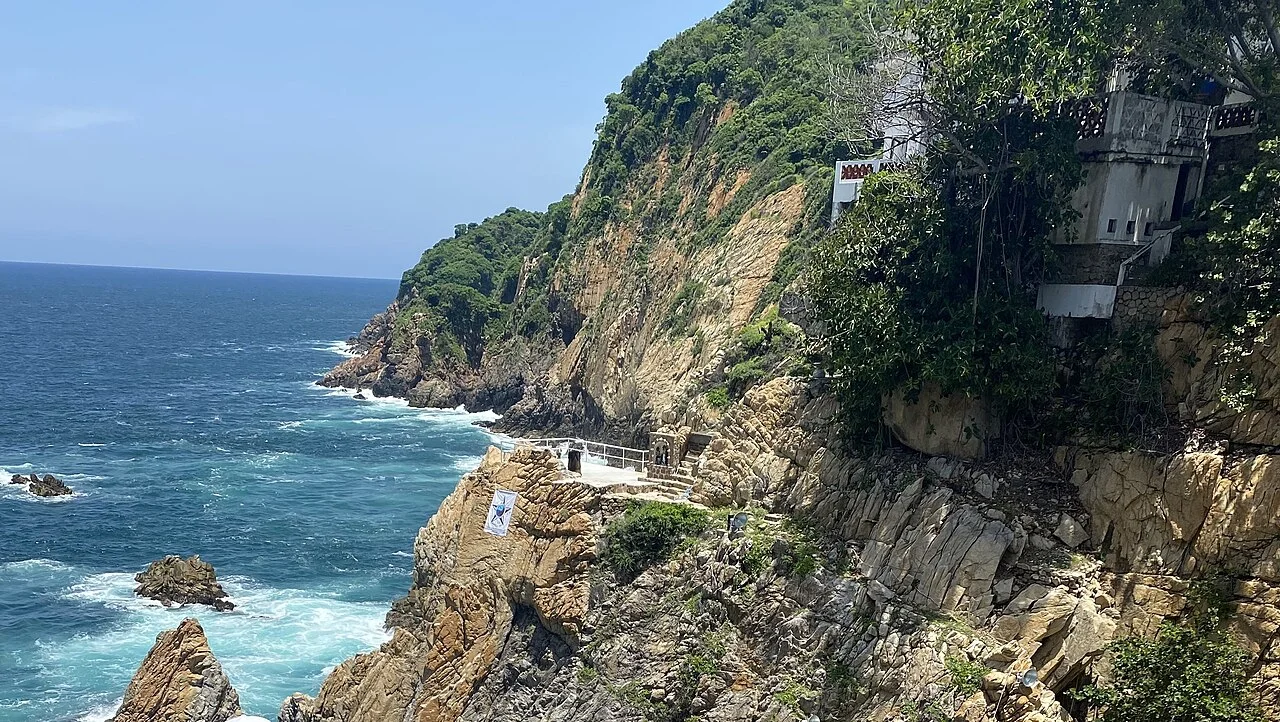

Do not mistake La Quebrada for La Condesa or Diamante when reading photographs. These parts of Acapulco have different locations and coastal forms. A future cultural programme, if circumstances permit, would need separate official access information for La Quebrada. No current performance timetable, charge or guarantee of operating businesses appears here. The rocky-coast picture was taken in July 2021. Its historical record should not be interpreted as evidence that travelling there today is straightforward. The distinction is simple: a location can be accurately identified without implying an unrestricted visit.
La Condesa and the bay: read the urban waterfront
La Condesa's position along the bay reveals the relationship between Acapulco's city and sea. In the broad view, notice how urban development meets the coast and how the bay curves around it. Reading the landscape is more useful than assuming from a hotel picture that the whole city is small and easily walkable. A dated aerial view establishes neither transfer time between districts nor the current state of facilities. Use it to recognise a place rather than as a present-day business directory. The coastline and the services beside it are separate subjects.
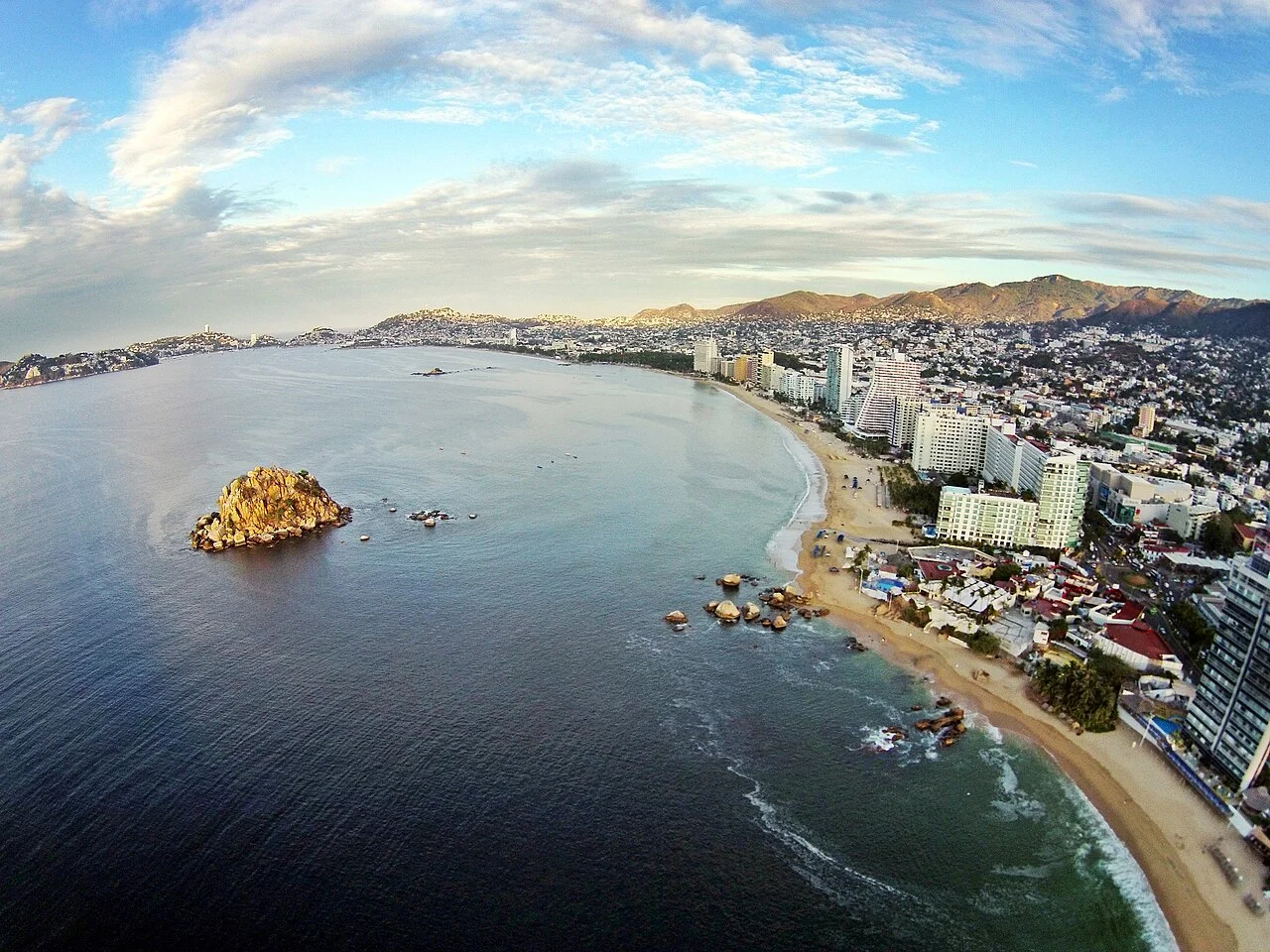

When researching an accommodation area, treat the view, transport links and actual hotel service as separate questions. A sea-facing room is not automatically close to every cultural stop. Match the region with the purpose of a visit: investigate the old port for historical interests and distinguish other coastal areas for a longer shoreline stay. This is geographical context for a future decision, not a booking prompt under the current advisory. Also distinguish countries where place names overlap: Viña del Mar in Chile has a different beach called Playa Acapulco. That Chilean beach does not illustrate this Mexican destination.
Barra Vieja and Diamante: separate sections of coast
Barra Vieja and Diamante are not alternative names for the old port district. The photographs used here show distinct scenes and dates, rather than making new places from multiple crops of one image. Barra Vieja's open shore and the extended coastline in the Diamante photograph differ from the La Condesa bay view. This allows you to understand coastal geography without reducing Acapulco to one hotel picture. Beach names, food stops and accommodation districts should not be treated as interchangeable. A clear sense of which is which comes before trying to combine them.
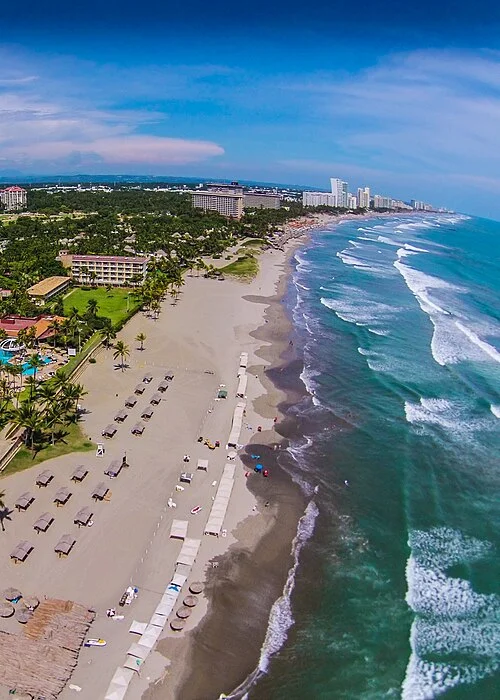

Transport research needs separate stages for airport arrival, the accommodation transfer and a journey to a historical site. Straight-line distance alone is insufficient. Someone undertaking necessary travel should investigate authorised transport and current local guidance; the guide does not recommend independent night driving. Nor does choosing a shoreline determine swimming conditions. Conditions on the actual day and official instructions must be considered separately from scenery in a picture. Understanding Acapulco does not require placing every coastal section into one day. Fewer distinct purposes provide a clearer planning framework than a long list of bays.
Acapulco food: pescado a la talla and pozole
Pescado a la talla provides a strong starting name for Acapulco's culinary identity. Municipal information about the December 2025 festival connects it with the characteristic recipe of Playa Bonfil. That record supplies neither future festival dates nor a directory of restaurants operating today. As a meal idea, centre a fish dish and allow room for smaller shared accompaniments instead of ordering several large meals at once. If a companion does not eat seafood, think through alternatives for the group in advance. The table should serve the people travelling together rather than require everyone to choose the same dish.
Guerrero's official local description also highlights pozole blanco and pozole verde associated with pumpkin seeds. The Thursday tradition offers a useful detail for understanding the area's food rhythm. Give pozole a meal of its own rather than automatically attaching it to a fish lunch. Comparing shared dishes can help travellers discuss flavours, but does not establish that every restaurant uses one identical recipe or portion. Local food becomes more intelligible through the time assigned to a meal than through an endless name list. These examples connect specific dishes to local context without promising a particular current menu.
Match travel ideas with actual circumstances
An Acapulco research file can contain three separate sections: port history through Fuerte de San Diego, the geography of different shores and local food. This approach lets you learn about the city without presenting a holiday as an itinerary to implement today. If future conditions allow travel, assess a programme around one accommodation base and a limited number of daytime activities rather than racing between all areas. Verify museum arrangements, transport and lodging before drawing the programme, not after it. A tentative route is only useful when the conditions needed to use it are understood.
The Tatilmerkezi Stork's curiosity here concerns a historic port and the tables its people have built. A beautiful landscape does not replace a current travel decision; concealing an advisory does not improve travel writing. We preserve the old Acapulco archive while making the country, place and date explicit. Sources were checked on 4 October 2026. Scenes photographed in 2012, 2014 and 2021 are historical illustrations, not evidence of present facilities, security conditions or suitable swimming. Reading them that way allows the city to be described accurately without creating a misleading promise.