
The Tatilmerkezi Stork would rather help you choose a memorable journey than make you unpack in ten different hotels. Treat these ten places in Germany as a menu of city breaks, not a race that must be completed in one week. Harbour walks, musical history, old lanes and riverside afternoons create different kinds of holidays. Each entry offers a starting walk and a way to think about time, meals and accommodation. The list contains ten distinct cities; choosing two or three is a perfectly useful first trip.
1. Berlin: break up a history walk with neighbourhood time
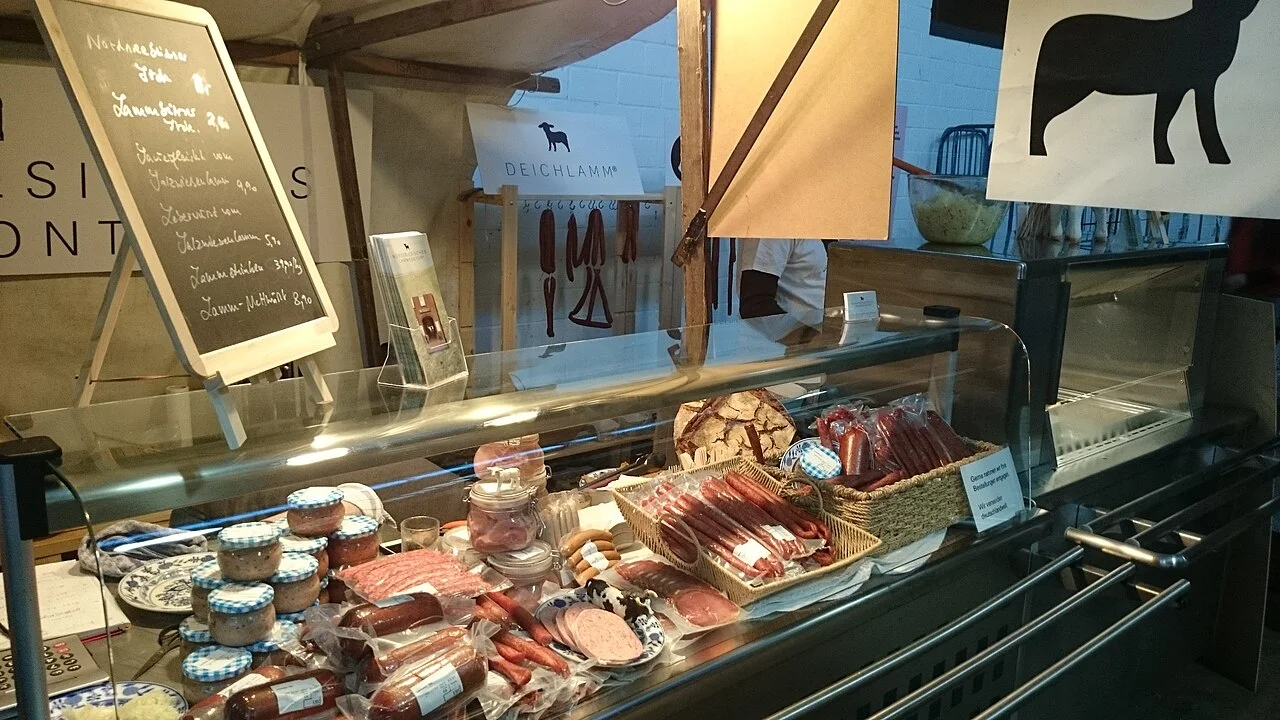
Start around the Brandenburg Gate and Unter den Linden if you want a clear introduction to central Berlin. Around Museum Island, choose one subject that interests you instead of trying to visit every collection. Then move to a neighbourhood for lunch: the capital's everyday streets add something that monuments alone cannot provide. Mitte can be a useful area to compare for a first stay, although the actual street matters if you prefer quiet evenings. The photograph shows Markthalle Neun in Kreuzberg, a real neighbourhood scene outside this central historical walk. It is not an image of Museum Island.

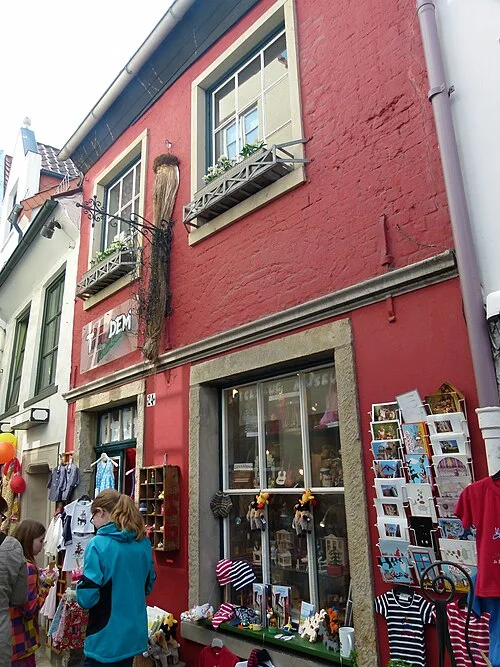
2. Bremen: give the small streets enough time
Bremen's Marktplatz, historic town hall and Schnoor provide a manageable first introduction. In Schnoor, slow down enough to notice the scale of the lanes rather than simply collecting stops. Continue towards the Schlachte waterfront for a more open ending to the day. A central overnight base can reduce the transport work involved in a short visit. Put a coffee break between the lane walk and the river section. Returning to one area in the evening can be more satisfying than adding a distant attraction, because the same streets acquire a different light and rhythm.
3. Cologne: from the cathedral to the Rhine
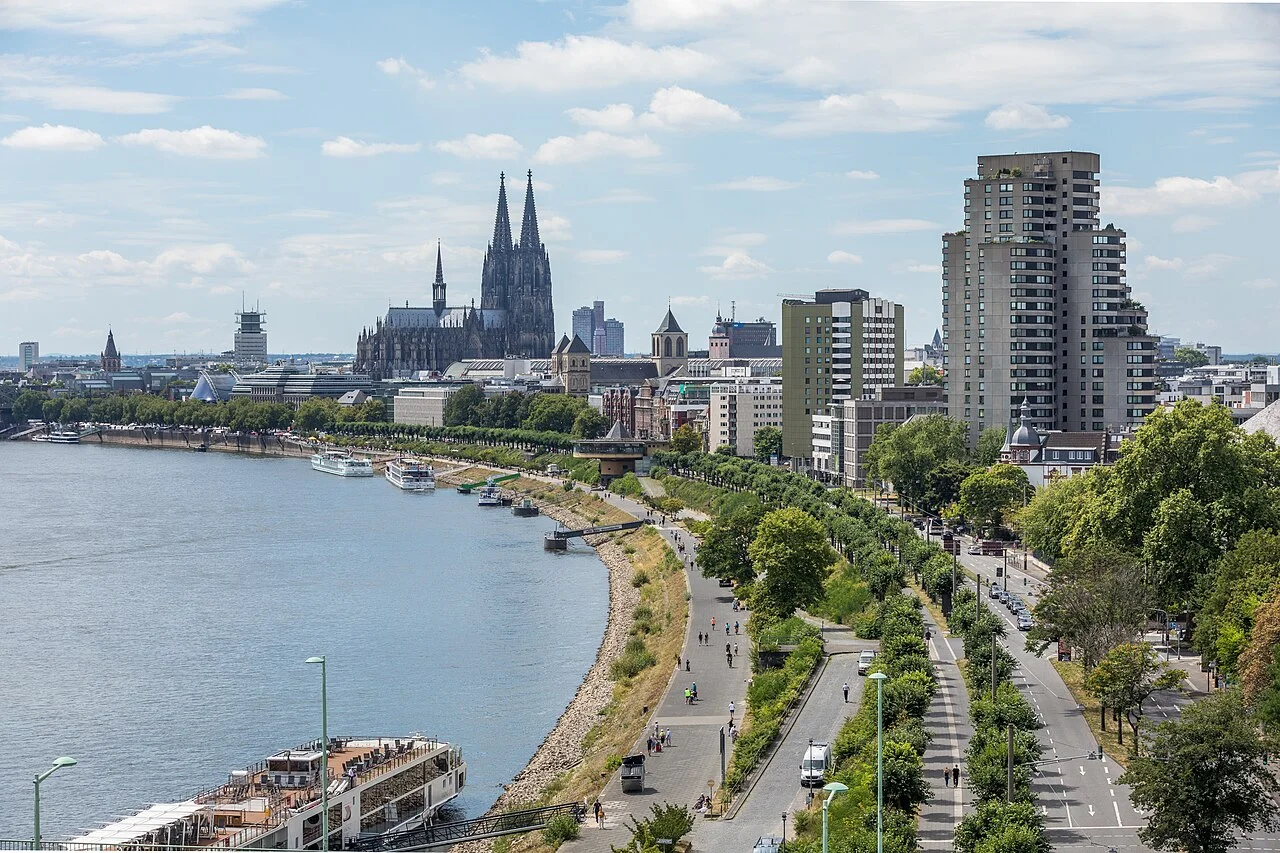
Cologne Cathedral gives a first-time visitor an immediate point of orientation. The old town and Rhine waterfront extend that introduction outdoors. Treat an interior visit and a riverside walk as separate parts of the day, leaving room to change their order if the weather turns. When comparing central accommodation, consider evening noise as well as distance from the cathedral. Choose one dinner plan instead of carrying a long restaurant checklist; this leaves time for another neighbourhood the following day. The photograph identifies a particular Cologne promenade, rather than suggesting that every section of the riverbank looks identical.

4. Düsseldorf: balance shopping streets with open water
Königsallee, Carlstadt and the Altstadt offer different walking experiences in Düsseldorf. A morning that begins with shop windows can continue around Burgplatz and the Rhine. This creates a day with some open-air breathing room rather than an itinerary built entirely around shopping. Think about access to the centre and the neighbourhood where you want to spend your evening when choosing a hotel. If you add a museum or gallery, give it a proper time block. A hurried interior visit after several hours on foot is often less useful than spending longer at fewer stops.
5. Frankfurt: discover two sides beside the Main
Reducing Frankfurt to tall buildings misses a useful part of a short city break. Start around the Römer, the reconstructed old-town area and the banks of the Main. At the Museumsufer, choose one museum that matches your interests and keep a riverside pause in the schedule. Planning an evening meal on the Sachsenhausen side broadens the day's geography. Compare central accommodation with other well-connected bases: proximity to the airport does not automatically make a city visit efficient. On a brief stopover, one compact walk is more sensible than a programme of distant neighbourhoods. Keep travel and sightseeing as separate decisions.
6. Hamburg: make water part of the journey
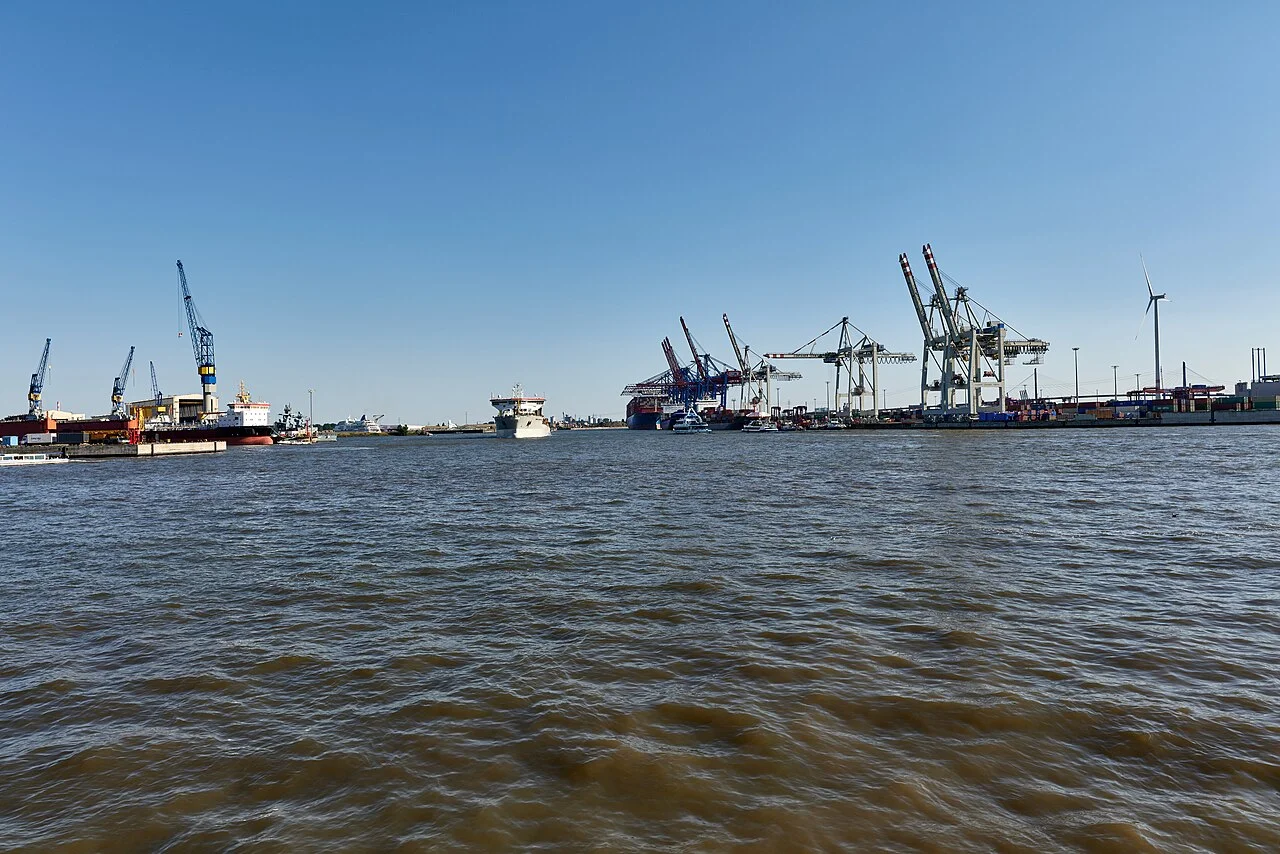
Hamburg's Speicherstadt warehouses and waterways reveal a different urban scale from the harbour. Putting one section in the morning and another later in the day makes the contrast easier to appreciate. Jungfernstieg and the Inner Alster provide another waterside option for a gentler pause. A central or well-connected place to stay simplifies the return after time beside the water. The photograph is an actual view of Hamburg's harbour and is not labelled as Speicherstadt. In rough weather, shorten the exposed waterfront section and use an indoor stop instead of forcing the original plan to continue unchanged.

7. Leipzig: follow musical history on foot
The Thomaskirche, Nikolaikirche and Leipzig's musical heritage give a first walk a clear theme. Thinking in terms of the Notenspur music trail helps you see more than a collection of unrelated squares. If you would like to attend a performance, treat that as a separate evening decision rather than an automatic extension of daytime sightseeing. Plagwitz suggests a second-day direction for visitors seeking a different urban texture from the centre. A central base may simplify a brief visit. Give one area time for lunch and coffee rather than trying to compress both parts of the city into the same afternoon.
8. Dresden: combine cultural time with the Elbe
Dresden's Zwinger, Semperoper and Frauenkirche area presents several strong starting points. First distinguish buildings you want to see from outside from collections that require time indoors. A walk beside the Elbe creates a useful open-air interval within a culture-heavy day. Compare the walking convenience of the Altstadt with the different evening rhythm available in other areas before choosing accommodation. A two-day plan might use the first day for the historical centre and the second for one selected collection and a riverside pause. Paying attention to one subject is more rewarding than claiming to have completed every museum.
9. Munich: a square, a market and a park
Marienplatz and the Viktualienmarkt are nearby starting points, so a square walk can lead naturally into a market pause. The English Garden is another option for an outdoor part of the visit. If you are staying several nights, deciding which museums interest you early makes it easier to use the remaining time. Compare accommodation within walking reach of the Altstadt with well-connected alternatives. The photograph shows a real fruit stall at the Viktualienmarkt; its shooting date is not a promise about present stock or prices. Leave time for lunch before adding a park walk rather than making every stop a brief transition.


10. Nuremberg: castle streets and serious remembrance
Nuremberg's castle and historical centre form the spine of an introductory walk. Yet the city's story should not be reduced to picturesque lanes. Sites associated with the Nazi period and the Nuremberg trials have a separate, serious purpose. Give these themes distinct time rather than putting them together casually in a crowded day. Accommodation with straightforward access to the centre can help during a short stay. Put the uphill castle section in a part of the day when you have energy for walking. A local meal and a proper rest break make an intensive history itinerary easier to sustain.
Build a route without turning ten cities into a contest
Two or three cities are enough for a first journey. Bremen and Hamburg suggest a northern pairing; Cologne and Düsseldorf a Rhine-focused trip; Leipzig and Dresden a cultural combination. Munich and Nuremberg create another southern plan. Adding Berlin or Frankfurt to one of these ideas means allowing separate time for the journey. These are geographical planning suggestions, not guaranteed train connections or journey times. Check services for the actual dates with the transport provider and avoid placing an additional museum into every travel day. The Stork's suggestion is simple: choose a trip with room to enjoy it, and leave two cities that make you want to return.