
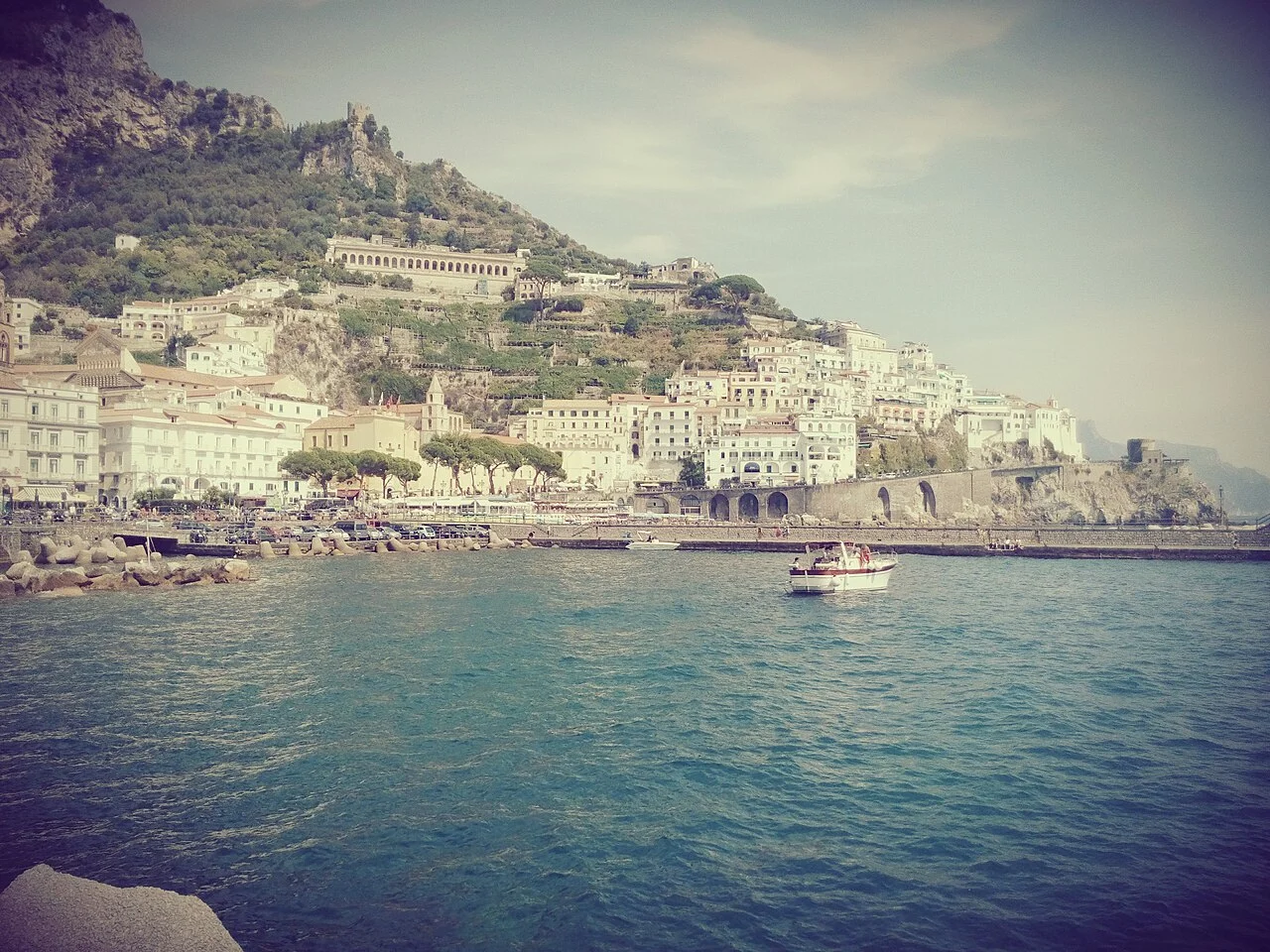
Amalfi is easy to reduce to the pastel buildings seen from the sea. Yet the square behind the landing, the story of paper further inland and lemon terraces on the slopes offer three distinct rhythms for a visit. The Tatilmerkezi Stork suggests a balanced walk rather than an ever longer checklist: explore the centre in the morning, give lunch its own space and turn towards water and gardens in the afternoon. The beautiful coastal photograph can then become a memory of where you walked and why you stopped.
This itinerary concentrates on Amalfi town, rather than squeezing every settlement on the Amalfi Coast into the same day. With a single day, build the visit around the square, a museum or short valley walk and a seaside pause. With two nights, linger in town on the first day and reserve another coastal destination for the next. For a day visitor, leaving time for a final look at the water before the return connection is a worthwhile choice. Being able to sit in a landscape matters as much as reaching it.
Piazza Duomo: begin the walk in the square
Make Piazza Duomo your first reference point after entering the centre from the waterfront. The contrast between the open square and the cathedral steps immediately reveals Amalfi's compact, layered form. Having a first coffee here helps turn a familiar image on a screen into a place with real proportions. Look at the facade as a whole before moving into the shopping streets, and leave space for people using the steps while taking photographs. An interior cathedral visit and an exterior pause need different amounts of time.
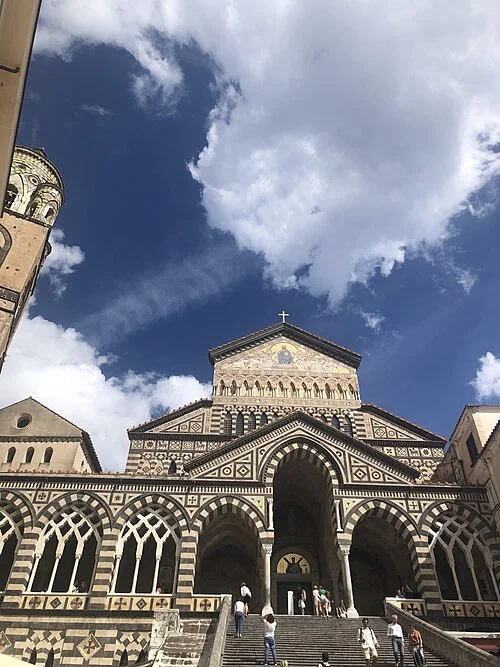

Continue along the principal street and then choose a small side turn to discover another pace behind the busy waterfront. A distance that looks short on a map can expand with windows, coffee and shaded corners. Treat that as part of the walk rather than a delay. For families or companions avoiding stairs, the square and a flatter section of the main street make a useful first block. The cathedral staircase does not have to be a compulsory destination for every member of the group. Let the first hour establish a pace everyone can enjoy.
Paper and water: walk behind the centre
Seaward Amalfi and the Amalfi shaped by water inland are two views of the same town. Museo della Carta provides a useful way to connect them: the destination's tourism information introduces handmade paper known as bambagina and the town's historic production tradition. If this interests you, place the museum after the main street walk. Sea, square and a story of making then form a coherent sequence. Do not compress the time you want indoors simply to add another coastal town to the list.
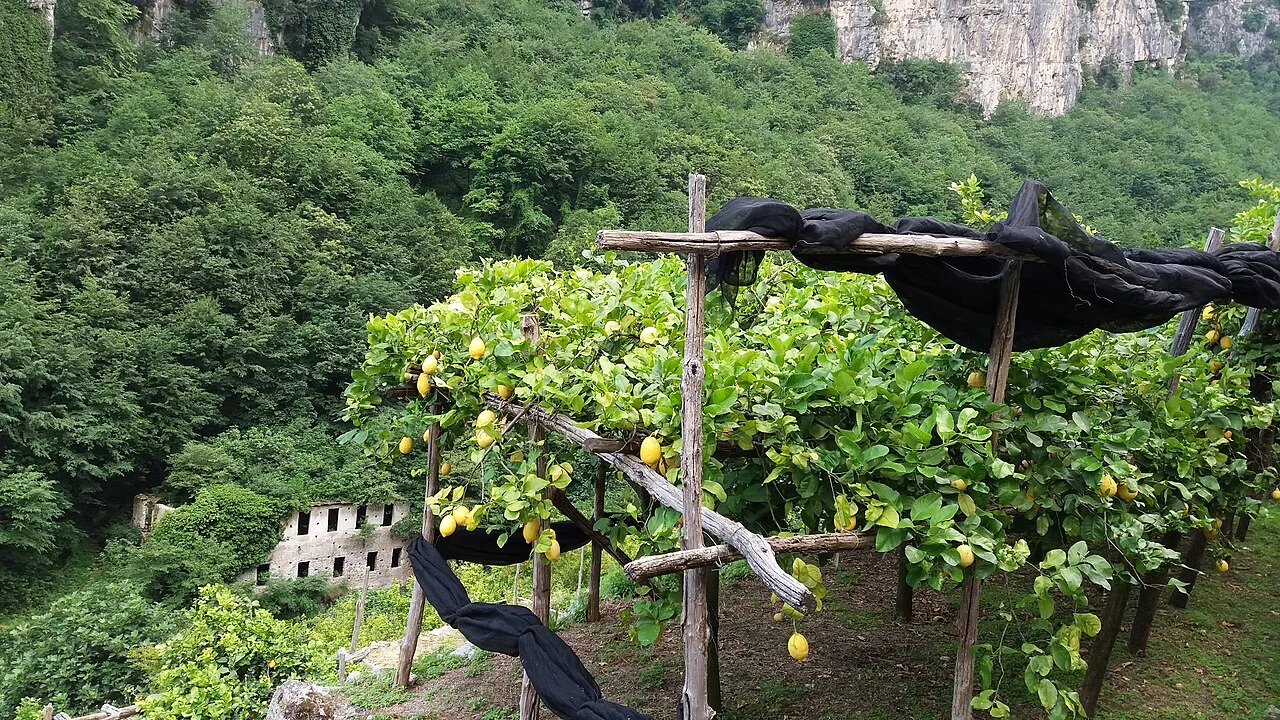

Valle dei Mulini extends from the centre in the direction of the Canneto watercourse and offers a different setting. Mentioning the valley does not mean the walk must become a long mountain excursion. A shorter section with a clear return can change the day's mood. Take practical shoes, water and a layer appropriate to the weather; do not enter a private garden or closed mill site for a photograph. A longer outing requires its own route and access planning. The name of the valley alone is no guarantee that every trail is open or suitable for every visitor.
Lemon terraces: another side of the coast
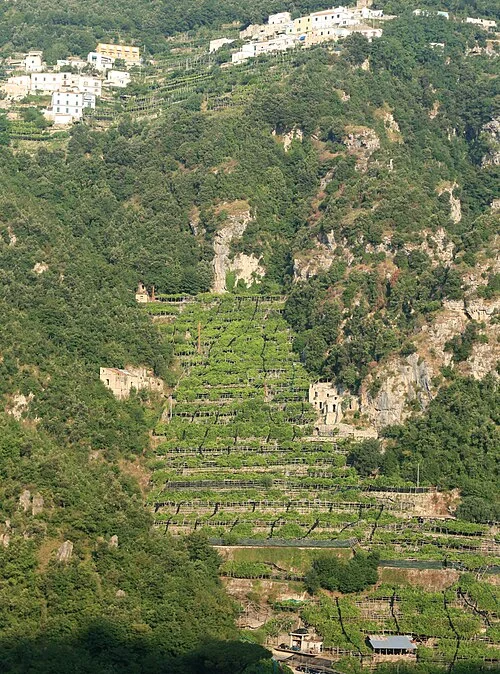
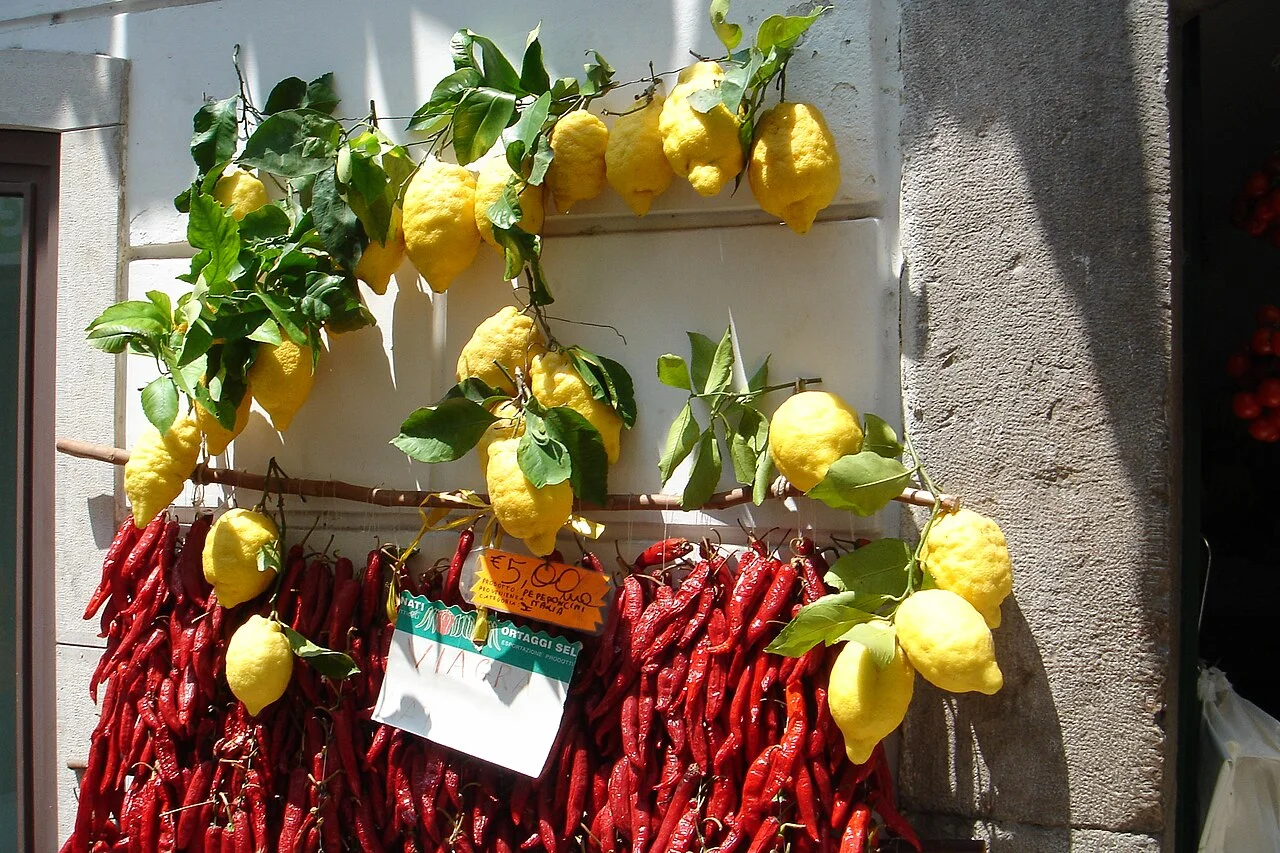
Try to notice the relationship between lemons and the hillside rather than seeing the fruit only on souvenir bottles. Terraced gardens show that this coastal settlement is more than a flat strip beside the sea. Production above and a walk below help explain one another. Where a public route offers a view, pause to follow the stepped lines of the land instead of immediately adding a new stop. For a garden visit, choose an experience that explicitly receives visitors and make it a separate part of the day.

The name Limone Costa d'Amalfi PGI helps identify a product's geographical identity, but every yellow fruit in a display should not automatically be described as certified. A lemon dessert or lemonade break works especially well as a refreshing bridge between walking and a meal. You might leave dessert until the afternoon rather than ordering it immediately after lunch. Limoncello is an alcoholic option; lemonade or plain water serves the same restful pause for anyone who prefers not to drink alcohol. Give yourself a little time at the table so the last streets of the day remain enjoyable.
Lunch and dinner: bring lemon to the table
For lunch, decide between a long table by the water and a calmer setting further inside the town. A regional pasta name such as scialatielli can be an entry point to the menu, with seafood, vegetables or a simpler meal offering different balances. There is no need to attribute every coastal dish exclusively to one town. For two people, beginning with a main course and a vegetable accompaniment, then leaving dessert for later, can introduce the table without weighing down the afternoon. Let the meal be a proper pause rather than another hurried task.

If staying for dinner, change the shape of the meal rather than repeating the same daytime table. A long lunch might lead to a lighter evening; a day of short pauses might call for a seated dinner. Add a waterfront walk afterwards. Watching the light change does not require reaching the highest terrace: a short circuit between town and sea can also close the day beautifully. The Stork suggests remembering the street you walked after the meal as well as the food photograph. A simple evening with room for conversation can be more rewarding than an ambitious succession of stops.
Arrival and accommodation: anchor the day in one centre
If arriving by sea from Salerno or another coastal point, use Travelmar's information for your travel date to choose arrival and return together. Sea conditions and seasonal arrangements can affect the entire itinerary. Rather than attaching this guide to a fixed departure or fare, build the walk around your actual booking. For travellers arriving by car, separating arrival, parking and the walking visit is more useful than trying to drive repeatedly through the centre. Reusing the narrow coastal road throughout a day can consume the energy you hoped to spend in town.
Accommodation near the centre makes it easier to connect a morning in the square with an evening by the water. A hillside room with a view calls for a different plan for steps, luggage and the final journey home; read the property's access description before choosing. On a short overnight visit, an easy descent into town can matter as much as a beautiful balcony. Give the first day of a two-day plan to the square, paper and lemons, then treat another coastal settlement as a separate itinerary. Leave Amalfi with a few connected scenes rather than a large number of rushed locations.