

What to eat in Amsterdam need not be answered with a long restaurant checklist. The city can be enjoyed by connecting a canal walk with a sweet pause, a neighbourhood market with lunch and a western food hall with an easy evening among friends. The Tatilmerkezi Stork suggests lingering at a few thoughtfully chosen stops rather than squeezing every flavour into one day. Sit down, learn what you are ordering and then return to the city. The rhythm of the walk matters alongside the appearance of the plate.
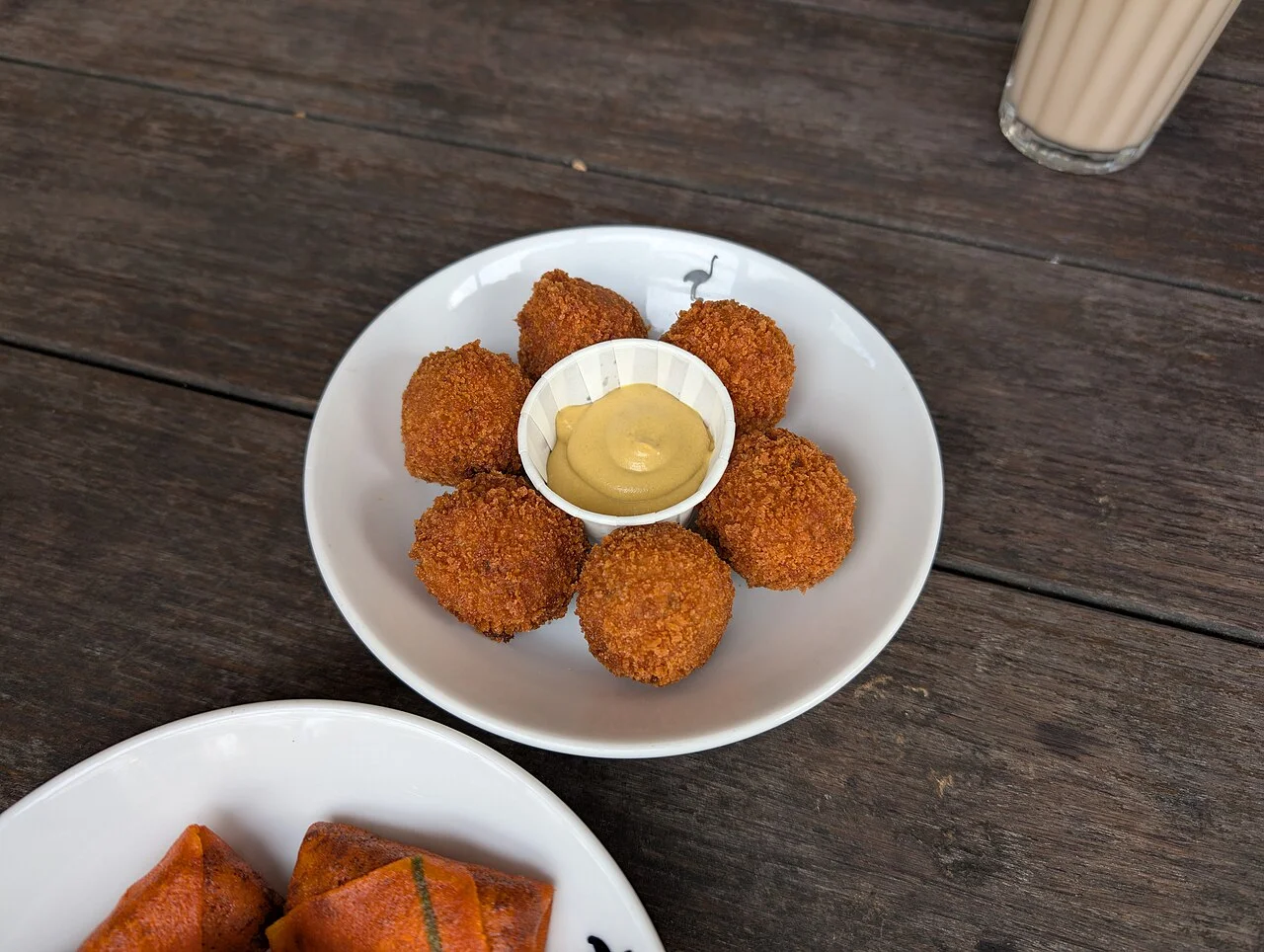
This guide helps with food decisions without repeating a museum and canal itinerary. Licensed photographs show stroopwafel preparation, a real Amsterdam herring stall, the street setting of Albert Cuyp market and bitterballen served in Amsterdam. They do not guarantee today's menu, prices or opening status. The bitterballen picture was taken at Blauwe Theehuis on 26 November 2024, while the market and stall photographs are older archive views. Check present visit details separately through the official sources provided.
Stroopwafel: a sweet walking break
Stroopwafel combines two thin waffles with a syrup filling. A first taste can become a short coffee pause rather than an exercise in buying every dessert at once. The iron and batter in the preparation photograph show a process, without directing readers to a specific stall. Freshly prepared and packaged products may differ in size, ingredients and storage needs. Ask which fits the way you intend to eat or carry it. A larger, more decorative presentation does not automatically establish a better flavour.
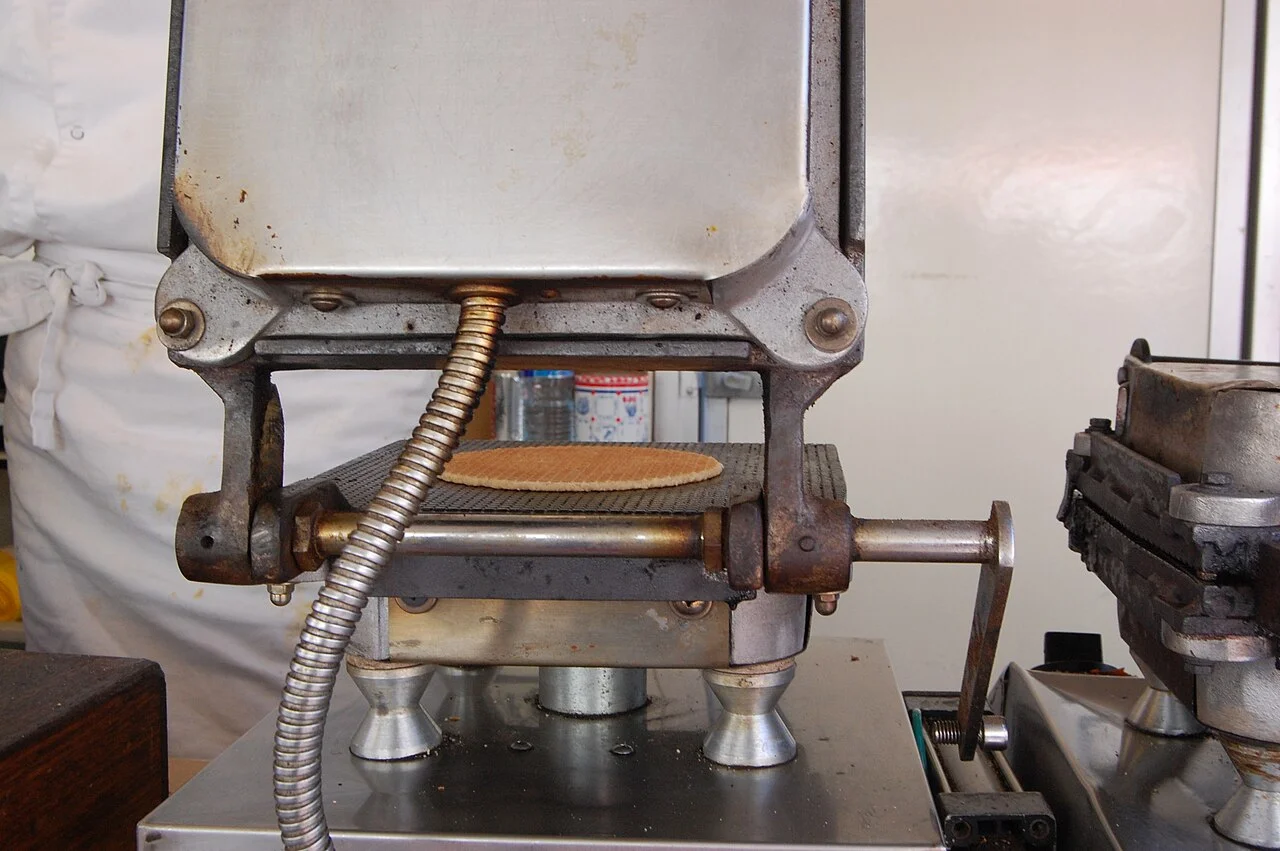

If sharing appeals to you, thinking about the portion first helps manage both appetite and spending. For allergies or dietary preferences, the colour of the dough and a photograph of the filling are inadequate evidence. Ask the seller or producer about ingredients. Separate a gift purchase from something you wish to eat immediately. Food intended to spend the day inside a sightseeing bag deserves some thought about storage. For the pause itself, choose somewhere you can actually rest without blocking a busy crossing or narrow bridge. The Stork's idea is an enjoyable break, rather than another hurried task.
A small taste at a herring stall
Visitors curious about haring encounter herring; bread, onion and pickle accompaniments depend on the order. If unfamiliar with the flavour, starting with a smaller portion is a personal option rather than building a whole meal around it immediately. The photograph of Stubbe's Haring is an Amsterdam archive image dated 29 June 2010. It is not evidence of current trading status or opening hours. Once you have identified a stall that is actually serving on your visit date, ask directly about portions and presentation. An old sign in a photograph cannot replace current service information.


You need not try fish simply to complete a list of local foods. Thinking about alternatives that meet the group's preferences can make lunch easier. Before ordering something to take away, consider where companions will sit and how you will clean your hands. Ask about storage before planning to carry seafood around the city for hours. The Stork suggests treating an unfamiliar flavour as a curious, comfortable encounter. It should not become a challenge that someone feels obliged to complete. A short pause can still be memorable without everyone ordering the same food.
Albert Cuyp and a daytime De Pijp plan
Albert Cuyp market's own information gives its regular schedule as Monday to Saturday, 09:30 to 17:00, with regular Sunday closure. Check the actual date again for exceptions and special events. That makes it unsuitable to assume an unplanned late dinner here. Combining a daytime De Pijp walk with a market pause can create a clearer itinerary than crossing the city purely to tick off a food name. First take a short look around the stalls operating on that day before committing the whole group's lunch.


The market photograph includes clothing stands: it establishes a street-market setting, not a particular food trader. Shopping, snacking and a seated meal are different activities. If some companions want to browse while others need to sit down, agree on a meeting point. With children or anyone needing a slower pace, seating and the return journey matter alongside the food purchase. Several small tastes can add up to a substantial meal. Consider whether you will still want a full dinner before turning every appealing stall into another order. Leaving a little flexibility often helps more than creating a fixed sequence of compulsory purchases.
Foodhallen: separate choices at one stop
Foodhallen's Amsterdam venue is at Hannie Dankbaarpassage 16, in the setting of a former tram depot. Its current operator page describes 19 independent food businesses. This offers an option for companions wanting different cuisines, with separate menus and prices at each stall. The venue's own explanation says reservations are not taken: visitors arrive and find an available table. Think about seating arrangements before a longer visit with a large group. This recommendation is not a promise of an immediately available table.
An open food hall does not establish that every stall is serving the same menu at the same hours. Check the venue's current calendar and the selected kitchen's information separately. Vegetarian, vegan and other choices may be available, but ask about the actual dish you intend to order. A menu label cannot establish the absence of shared preparation areas or cross-contact for allergies. Decide how the group will meet if one person waits in a queue while others have found seats. A photograph focused on a hanging design object is not used as food evidence here. The choices rest on real menus and the operator's present information.
Bitterballen and an unhurried evening
Bitterballen are small fried snacks with a filling, often accompanied by mustard. The real Amsterdam photograph provides one example of presentation. Ask whether the filling contains meat or suits another preference; a round shape does not explain its ingredients. A freshly fried snack can be hotter inside than it appears outside, so taking time with the first bite is sensible. Consider whether this is enough for your evening meal or whether a more substantial main dish would suit you. Ordering an alcoholic drink is not a requirement of the experience.

When choosing accommodation, consider the centre and canals, De Pijp or Oud-West alongside the neighbourhoods where you intend to eat. These are area examples for assessing the evening return, not guarantees about hotel quality or safety. Enter the food and accommodation addresses into GVB's current journey planner for connections at the actual travel date and time. A market lunch and coffee pause on one day, followed by a food hall on a different evening, can already offer variety. Sources were checked on 3 October 2026; review prices, hours and service arrangements again before travelling. The Stork's suggestion is to explore the tables that fit your appetite without turning Amsterdam into a plate-collecting competition.