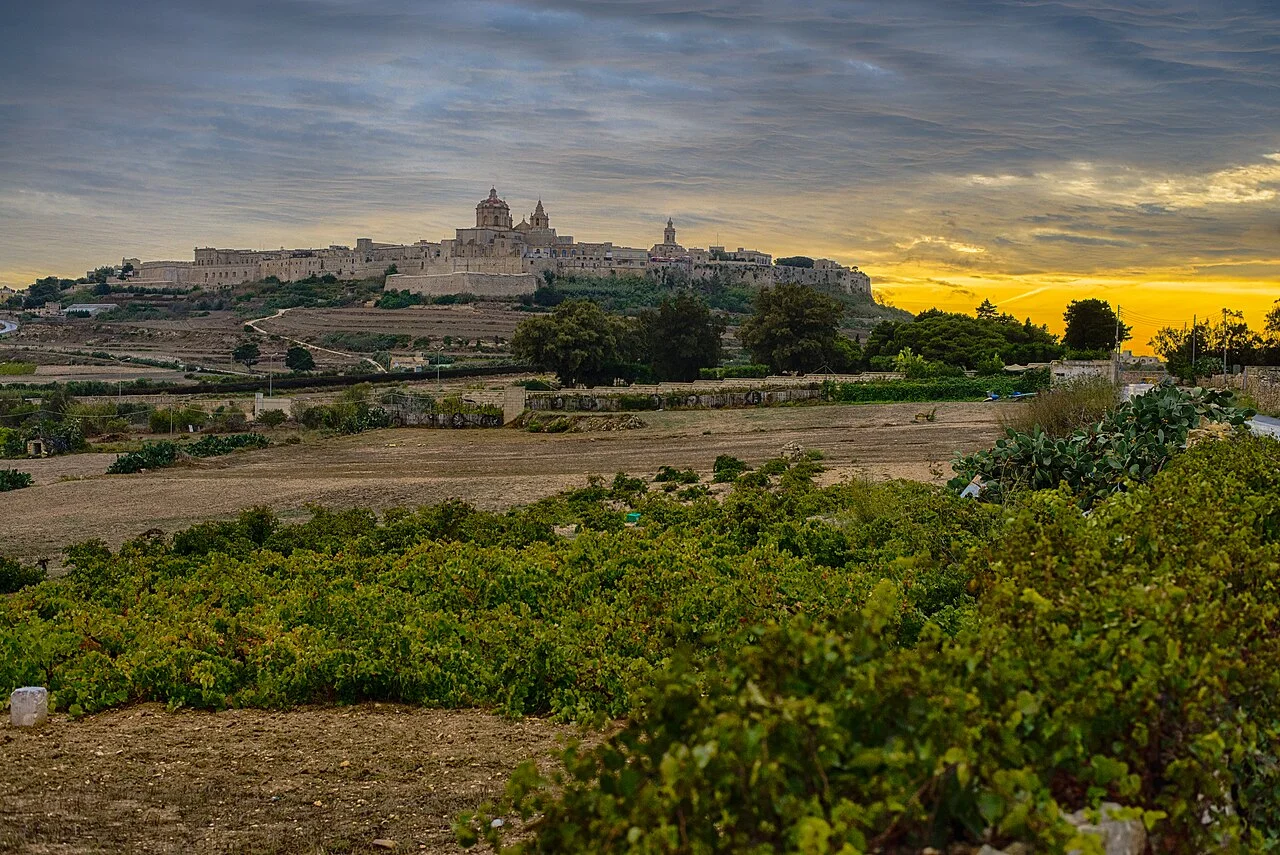

The most rewarding detail in a city walk is sometimes being able to stop: watching water beside a bridge, drinking coffee in a square or examining stonework around a doorway. Tatilmerkezi Stork compares walk-focused areas in nine destinations. They are not all entirely closed to motor vehicles. Some offer historic pedestrian zones, another has a particular shopping axis, and Venice connects walking with water transport. Define your own need before choosing: a holiday without using a private car, a comfortable few hours in a centre, or a smaller excursion from another city. A clear arrival and return arrangement makes a walking day more enjoyable than a list containing every famous street.
Venice: connecting lanes with water transport
In historic Venice, combine walking with actual vaporetto connections rather than measuring the day only in kilometres. Select a district: a canal-side section in Cannaregio or a shorter circuit in Dorsoduro can form the principal outing. Bridges and steps deserve particular attention when arriving with luggage. Examine the connection between your accommodation and its useful stop independently; an address across the same water is not always a short walk. Small cicchetti options genuinely listed on a menu, or a seated lunch, can provide a better pause than adding another museum. Obtain current transport and visitor arrangements through official channels, with room for the journey back rather than finishing on the opposite side of the lagoon.
Giethoorn: a shorter circuit between village bridges
Giethoorn's historic core connects canals with bridges, but that does not mean the entire settlement has no road access. Match your arrival point, chosen boat business and walking start before making the day longer. After a short canal circuit, a seated waterside pause can be more enjoyable than repeatedly returning to one bridge for photographs. Residential gardens are not public attractions; preserve the space people use to pass. Soup or an available warm lunch can divide the outing into comfortable parts. If taking a boat, shorten the walking section around the operator's actual departure and return arrangements. Overnight visitors should check luggage access, while day visitors need a realistic connection back to their main accommodation.


Ljubljana: everyday life in the pedestrian centre
Ljubljana's old-centre pedestrian zone works well for a smaller day connecting riverside sections and squares. Cross one bridge, make a short circuit on the opposite bank and choose a nearby meal stop. The official tourism account explains that Kavalir electric vehicles support older and mobility-impaired people within this pedestrian area; they are not a general sightseeing tour. Check which arrival point actually serves your accommodation entrance. A market or restaurant meal can make a longer stay around the river more comfortable than rushing towards the next attraction. Pedestrian status does not make all distances, surfaces or access arrangements identical for every visitor, so build the outing around the conditions that matter to you.
Copenhagen: a city day along Strøget
Use Strøget as a defined walking focus in Copenhagen. The official destination account describes its name as a collection of streets and squares forming a pedestrian shopping axis, rather than a single street. Connect this area with nearby stops without presenting the whole capital as closed to traffic. Begin among the squares, choose a shorter shopping or architectural section and pause at a bakery. A seated lunch with smørrebrød actually offered on the menu changes the pace before the afternoon. Keep public transport available if the next neighbourhood is farther away. Bicycle lanes and surrounding roads outside the pedestrian axis have their own movement patterns; a relaxed walking plan still requires attention to crossings.


Dubrovnik: Old City gates and stone streets
The official tourism account identifies Dubrovnik's Old City as a pedestrian zone; keep that scope distinct from the entire municipality. Consider the Pile or Ploče entrance, your accommodation address and the point needed for the return journey together. Starting around Stradun and making a shorter circuit through a side lane gives the day a clear first part. Treat the city walls as a separate choice requiring time and energy instead of a compulsory continuation. A vegetable dish, fish or risotto actually available on a menu can provide a seated break within the stone-street day. Steps, heat and visitor numbers affect walking comfort more than the compact shape seen on a map. Leave enough time to enjoy the area rather than racing to complete it.
Bruges: linking squares with the canals
Explore Bruges's compact historic centre by choosing the Markt surroundings and a canal section together. After stopping for the view at Rozenhoedkaai, a shorter waterside walk or another square may complete the day's principal programme. Comfortable exploration does not imply a motor-vehicle ban on every street; observe crossings and local signs. Coffee and a small chocolate purchase can sit naturally within the route, with a seated lunch before reducing the afternoon's walking distance. If arriving by train, plan the station connection at the beginning of the day rather than after the final attraction. For central accommodation, stone paving and the route with luggage deserve as much attention as being near a picturesque canal.
Amsterdam: leaving room for bicycles beside the canals
Amsterdam's canals are not a quiet area detached from the city's daily traffic. The official visitor account emphasises remaining on pavements and paying attention to bicycle lanes and tramways. Select a canal section and a nearby neighbourhood: a few streets around Jordaan and a coffee pause can be calmer than trying to complete every canal ring in one day. Move out of the passage space when stopping for a photograph. After a sandwich or available hot lunch, consider a tram connection instead of walking all the way to another district. Plan the nighttime return and luggage journey separately when comparing hotels. Good access can turn an attractive daytime view into a more practical place to stay.
Lucca: a walk above the walls and a meal in the centre
The promenade above Lucca's walls offers another height from which to understand the city's scale. Choose a suitable section without feeling obliged to complete the full circuit, then descend into the central lanes. A square, a shorter architectural stop and coffee provide enough variety for a coherent outing. A local sweet such as buccellato can form a smaller pause, with a longer meal after the walk. The experience above the walls is not the same thing as the vehicle arrangements within the city. When selecting accommodation, examine its entrance, the route with luggage and the useful station connection. A route that finishes near dinner can be more comfortable than one determined only by the next photograph.

Mdina: combining the stone town with Rabat
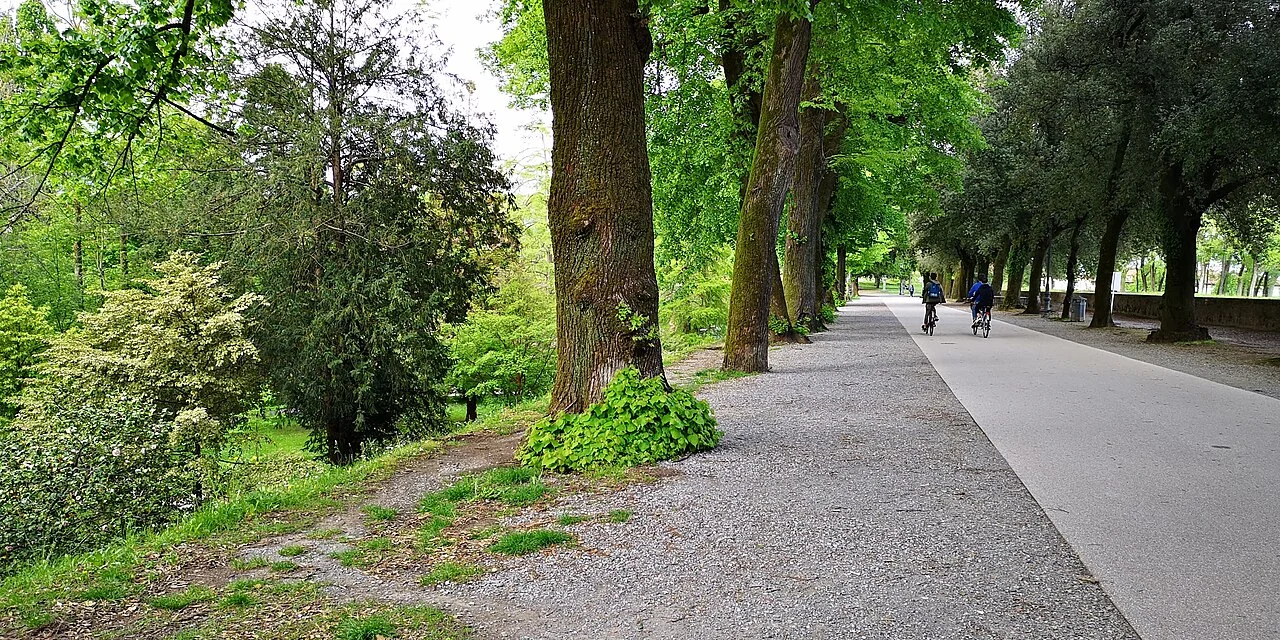
A visit through Mdina's narrow stone streets becomes easier to organise when paired with a meal pause in Rabat. Make a small circuit from the entrance surroundings, then leave time for historic facades and a quieter side lane. This proposal does not extend any particular vehicle-access arrangement to the whole island; follow actual local directions and obtain your accommodation's real arrival information. A small Maltese taste such as pastizzi can add a local pause without requiring a lengthy restaurant appointment. If staying in Valletta or elsewhere, confirm the return bus through the official operator. Across these nine choices, Stork's aim is not the greatest walking distance but a coherent day connecting somewhere to sit, a local meal and a comfortable journey home.