
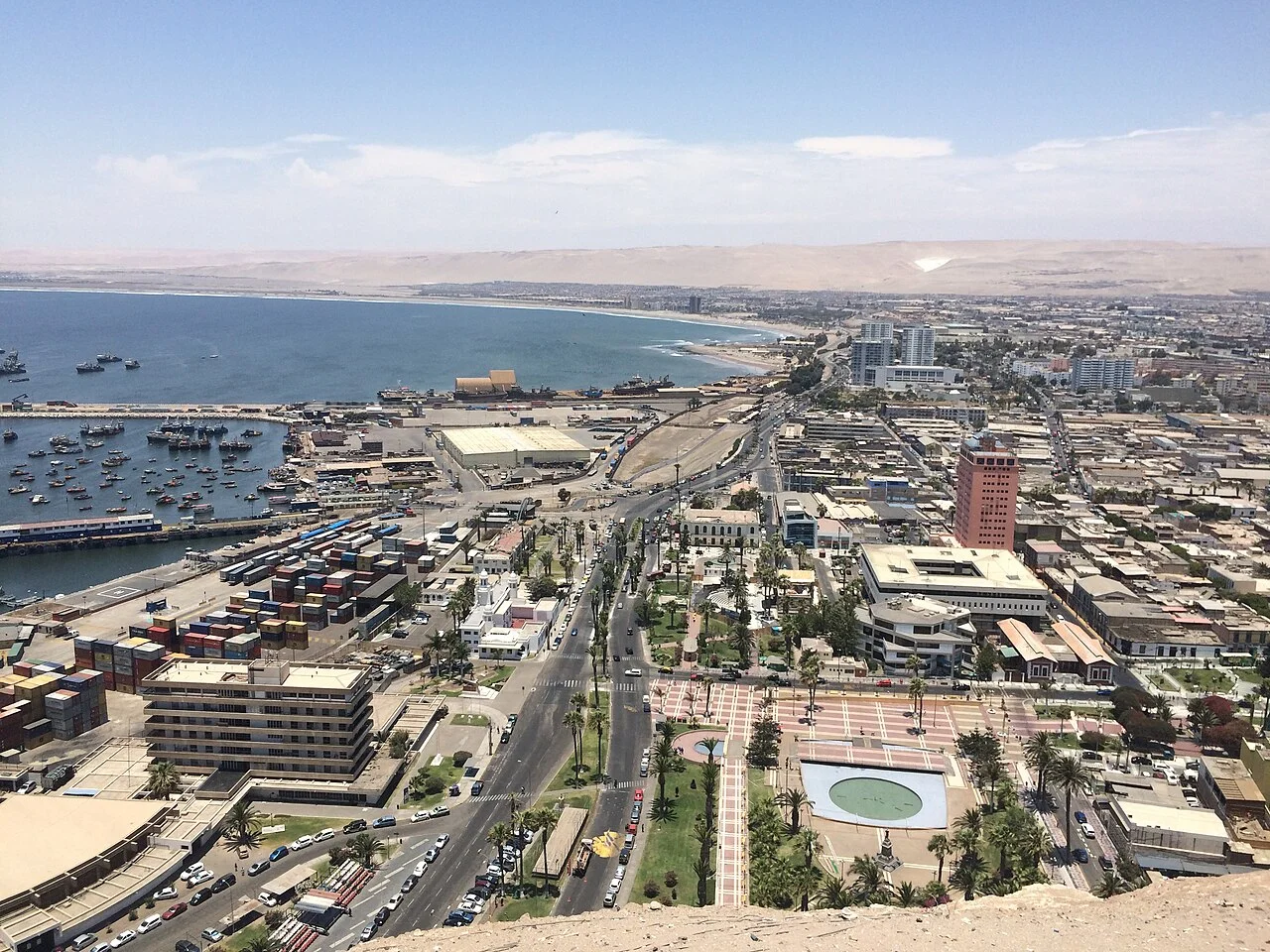
Tatilmerkezi’s Stork begins an Arica itinerary with a relaxed two-day discovery on Chile’s Pacific coast. The city seen from Morro, heritage around the squares and the rocky shoreline to the south are different faces of the same trip. Rather than forcing everything into one day, give the centre and coast one section and the Azapa Valley another. Treating Arica only as a gateway to the high Andes can overlook the city’s own rhythm. First understand the streets at sea level; assess a journey into much higher and more distant landscapes as a separate undertaking, with its own transport and conditions.
Morro: start by reading the city from above
Morro de Arica is the prominent rocky rise from which the city and its shoreline can be understood together. The historical museum here is one place to explore the context of the War of the Pacific. Beginning day one around Morro helps place the streets and harbour below into a useful mental map. Select an approach and return route suited to your own mobility; seeing a panorama in a photograph does not make every slope a visitor route. Instead of taking one picture and immediately leaving, identify the sections of coastline that you can see. You can then move to a shorter walk in the centre and examine some of the streets within that panorama at closer range. This makes the viewpoint an introduction to the city rather than an isolated photograph stop.
San Marcos and the centre: a compact heritage circuit
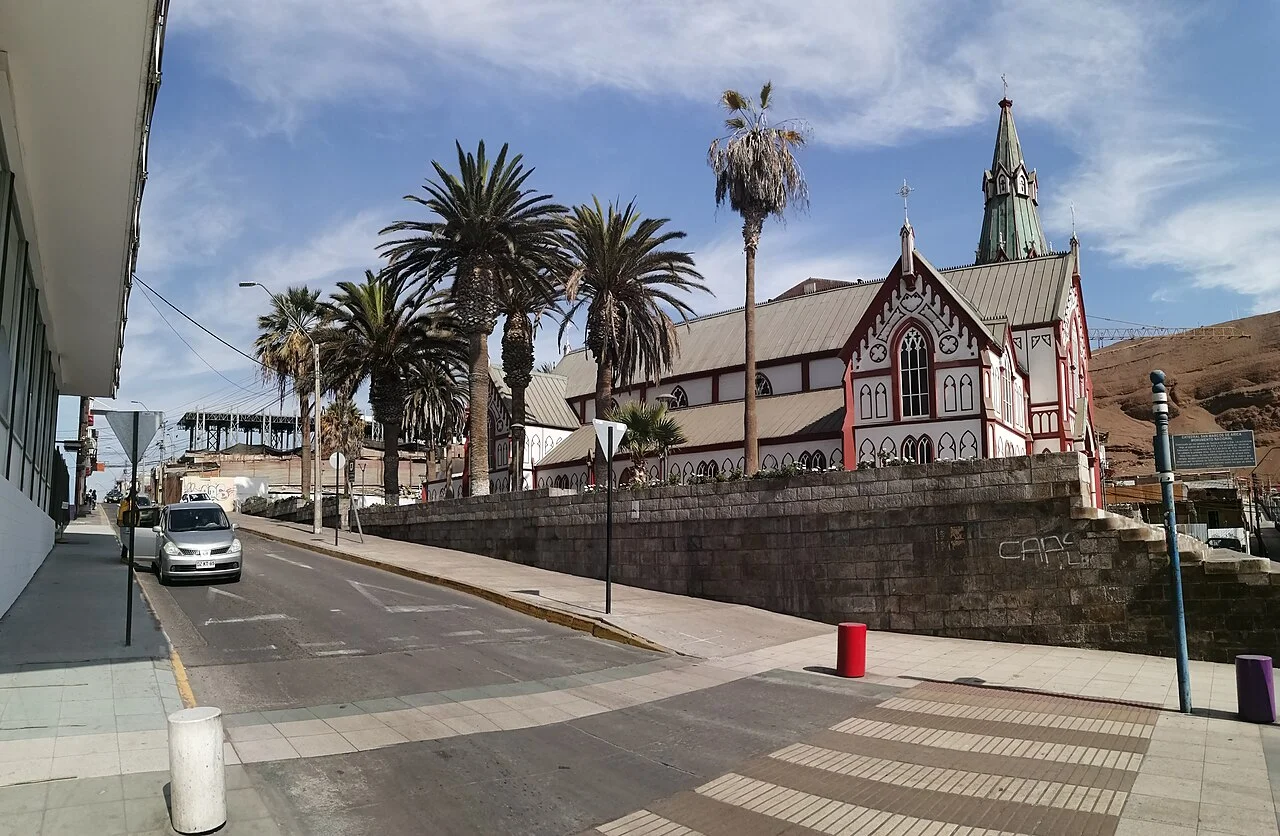
San Marcos Cathedral around Plaza Colón is a historic stop whose metal construction makes it especially distinctive. Chile’s National Monuments Council records the assembly in Arica of metal components supplied by the Eiffel company, with the work completed in 1876. Read this as evidence of a port city’s links with distant places, rather than merely an excuse to find a famous name. Walk the square and nearby streets as a circuit, placing your starting point and lunch pause together instead of repeatedly using the same road. If you hope to enter the cathedral, establish access for that day locally, while keeping the exterior heritage walk independent of it. The centre works best as a collection of short connected stops, allowing time to look at the streets between the landmarks as well as the buildings themselves.

Azapa: connect the museum to a valley trip
The San Miguel de Azapa Archaeological Museum is a key place to research when learning about the Chinchorro culture. Chile Travel’s suggested route considers the museum together with the Azapa Valley. This is a separate inland journey from the coastal city, not a spare few minutes that can be inserted casually into a central walking loop. Arrange transport and a return first, then connect the museum stop to the valley landscape. Cultivated ground and dry slopes in the panorama show how moving inland introduces another environment. Complete expectations about exhibitions with the institution’s current information. Do not read the different stops around this region as a single UNESCO site: a museum visit, Chinchorro heritage and the wider agricultural valley are related subjects, but they are not interchangeable destinations.


Anzota: give the southern coast its own section
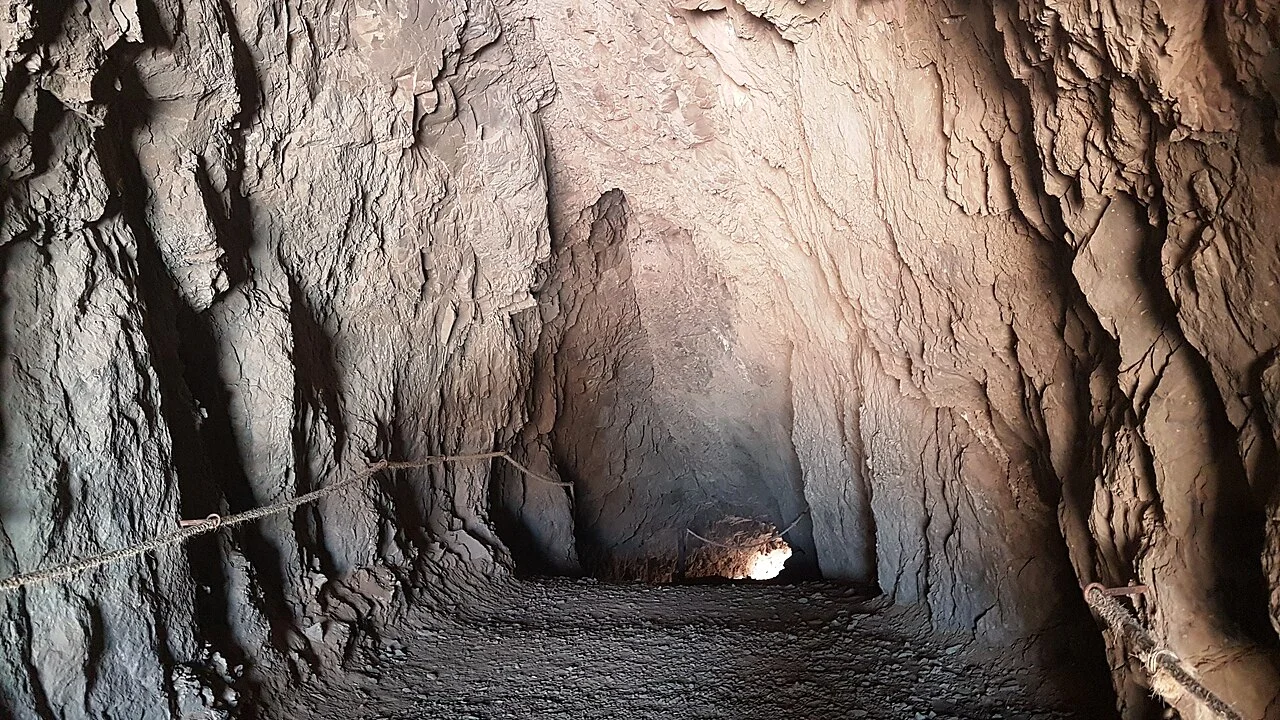
The area around Cuevas de Anzota provides another itinerary idea along Arica’s rocky southern coast. Moving from buildings in the centre to natural forms changes the visual rhythm of a short stay. Chile Travel groups Anzota with Azapa and Morro in a three-day suggestion, and your own trip should likewise reserve real time for the coast rather than treating it as a hurried afterthought. The cave photograph shows a coastal outlook from an interior space; it does not establish that every passage is accessible in every condition. Use the designated route and the parts of the visitor area that are open. Think about arrival and departure together, with room for water and a walking break. A rewarding natural-coast visit notices the shapes within the section you are exploring instead of constantly chasing the next viewpoint.

Chinchorro: leave time for a coastal pause
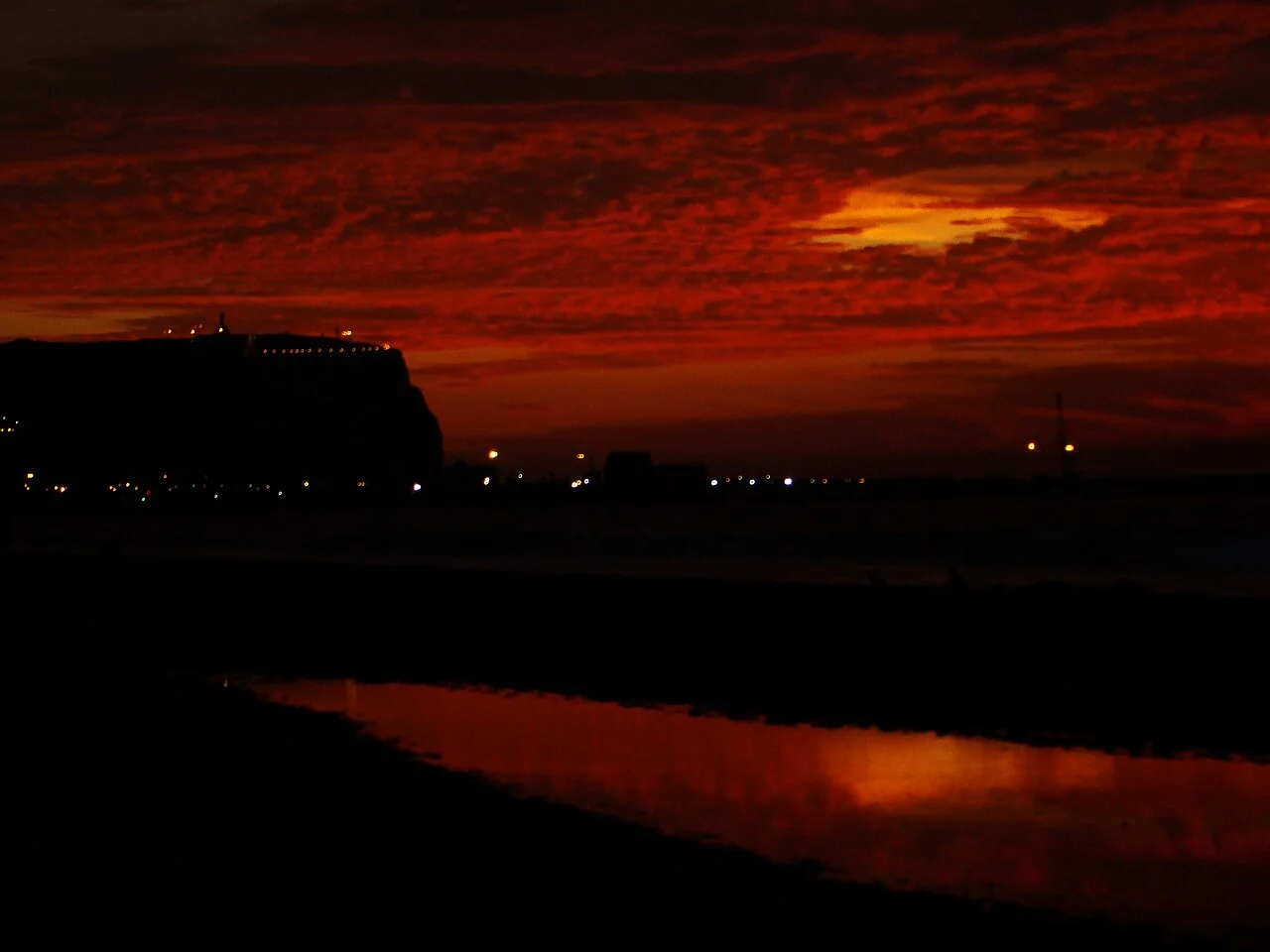
Chinchorro is among the beaches mentioned in the official Arica destination guide. Thinking of it as a short coastal pause towards the end of a day can soften a schedule full of museums and city streets. Staying beside the sea is an activity in itself: observe the horizon, the line of the shore and the distant outline of Morro. A decision to swim or surf must depend on the local conditions, warnings and suitable areas that day, rather than on an attractive photograph. A coastal itinerary does not require entering the water. Walking beside it and pausing for a drink can provide a worthwhile introduction to the city’s relationship with the Pacific. Instead of rushing after a sunset photograph, identify a return route and a dinner area before the evening section begins.

A local meal and a useful accommodation area
Chile Travel highlights kalapurka, an Aymara soup, within Arica’s food culture. Looking for that name on a menu can add a local table to a trip otherwise organised around viewpoints. Connect one meal to the end of a central walk and another to the area of a coastal pause. Choose a restaurant with both its menu and its location in mind, rather than linking the two ends of the day simply to find a well-known name. Accommodation in the centre may make the San Marcos and Morro sections easier to arrange. Staying around Chinchorro offers a different starting point for visitors who want longer beachside pauses. Azapa still needs separate transport whichever coastal area you choose. When selecting a room, examine its exact address against your daily route rather than relying solely on the neighbourhood label.
Two days and the choice of a longer stay
Our suggested first day connects Morro, the central San Marcos circuit and a brief coastal pause; the second gives space to the Azapa museum and valley. To allow a meaningful Anzota section, add a third day or remove one of the other sections rather than overloading the first two. Lauca and the high Andes are not quick extensions of this compact city plan: distances, altitude and visitor conditions require separate preparation. The Stork’s idea for Arica is not to compress northern Chile into forty-eight hours. It is to distinguish the rocky viewpoint, historic square, inland valley and Pacific shoreline so each has its own time. That produces a route that is easier to follow, and one whose separate landscapes can remain clear in memory after the trip.