
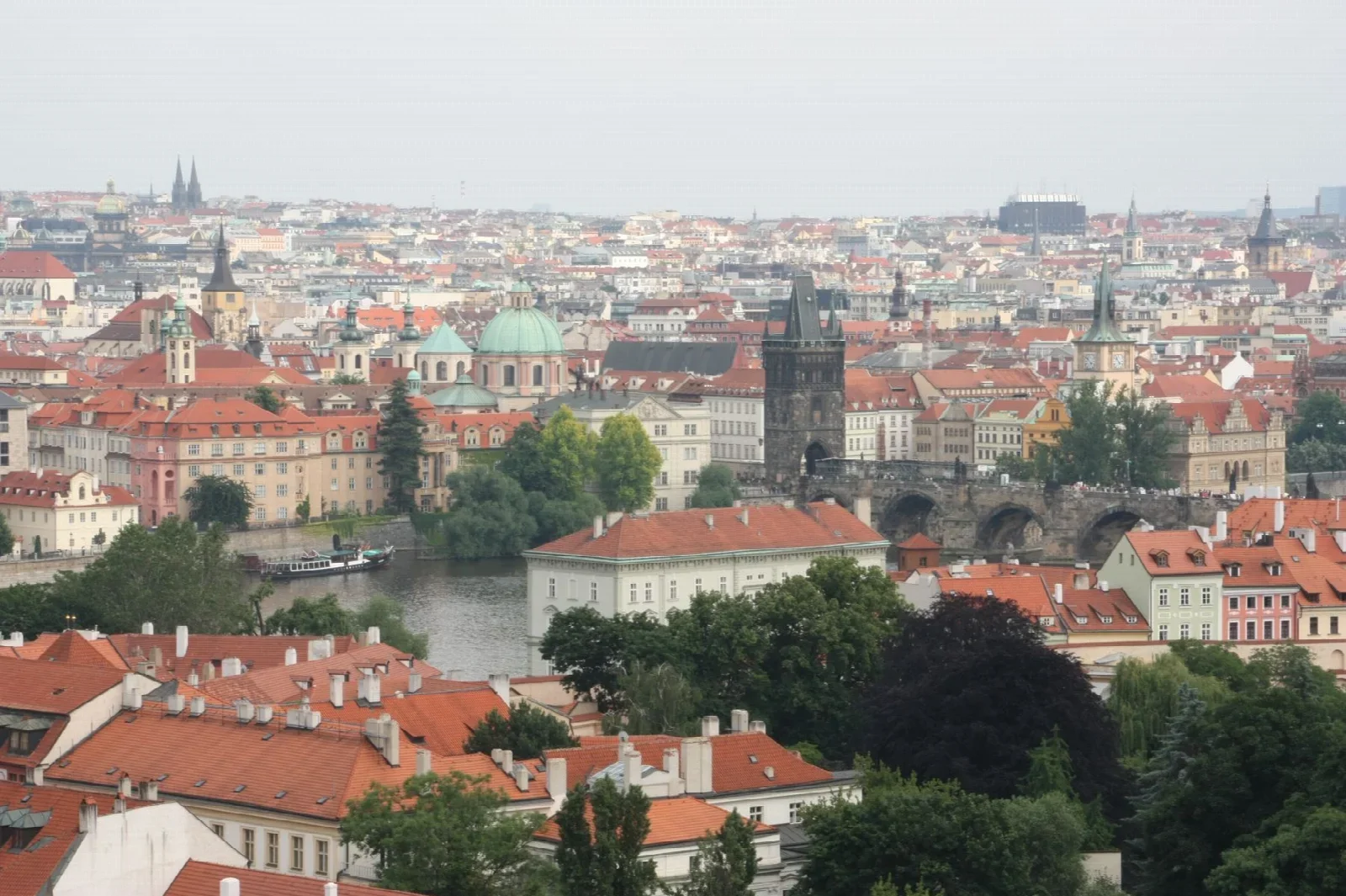
A lower-budget European trip begins with arranging your own day rather than finding a city labelled the cheapest. Consider baggage alongside the flight, airport connections, total accommodation, meals and the places you will actually enter within the same calculation. Tatilmerkezi Stork uses Prague, Budapest and Lisbon to explain different spending decisions. None is promised to be inexpensive on every date, or to provide every visitor with an identical experience for the same amount. Compare genuine offers for your dates and build a full day around one principal activity, a local meal and shorter walking sections. Working with a budget means choosing according to your priorities rather than reducing curiosity or judging a holiday only by the number of admissions purchased.
Calculating the whole journey before departure
Start with five categories: the return journey, city connections, a bed, meals and activities. For a flight, include the baggage you will use and the actual arrival time rather than just its first advertised figure. A late arrival can affect accommodation access or the first meal, so a cheaper ticket does not necessarily produce a more suitable trip. Compare room offers using the same dates, party size, cancellation conditions and total payment. Shared accommodation, a private room and an apartment do not meet everyone's needs in the same way. If intending to cook, confirm the facilities directly: a counter in a photograph does not establish that a fully equipped kitchen is available.
Next write down how one day would unfold. If you want a museum, a shorter neighbourhood walk and lunch, calculate those actual choices against current visitor information. A package containing many unused activities is not automatically advantageous because its list is long. Compare a city card with the visits you intend to make, reading transport and airport coverage separately. Rushing to an extra attraction merely to use the card can weaken the day's rhythm. Rather than reducing the whole holiday to one fixed daily number, leave flexibility for some meals and the final return. A small unexpected expense then need not require changing the entire itinerary or abandoning the experience you most wanted.
Prague: a day that explores one area more closely
In Prague, connecting the Old Town area with Charles Bridge within one walking section may reduce repeated crossings of the centre. Give a morning to squares and the bridge surroundings, then choose the one indoor visit you genuinely want in the afternoon. Time spent noticing streets and buildings outside is not less valuable simply because you have not entered every historic property. If visiting the castle area or another higher section, consider making that a separate day's principal outing. Confirm paid access with the actual operator: the fact that a building is visible from outside does not mean all of its interior spaces are free to enter.
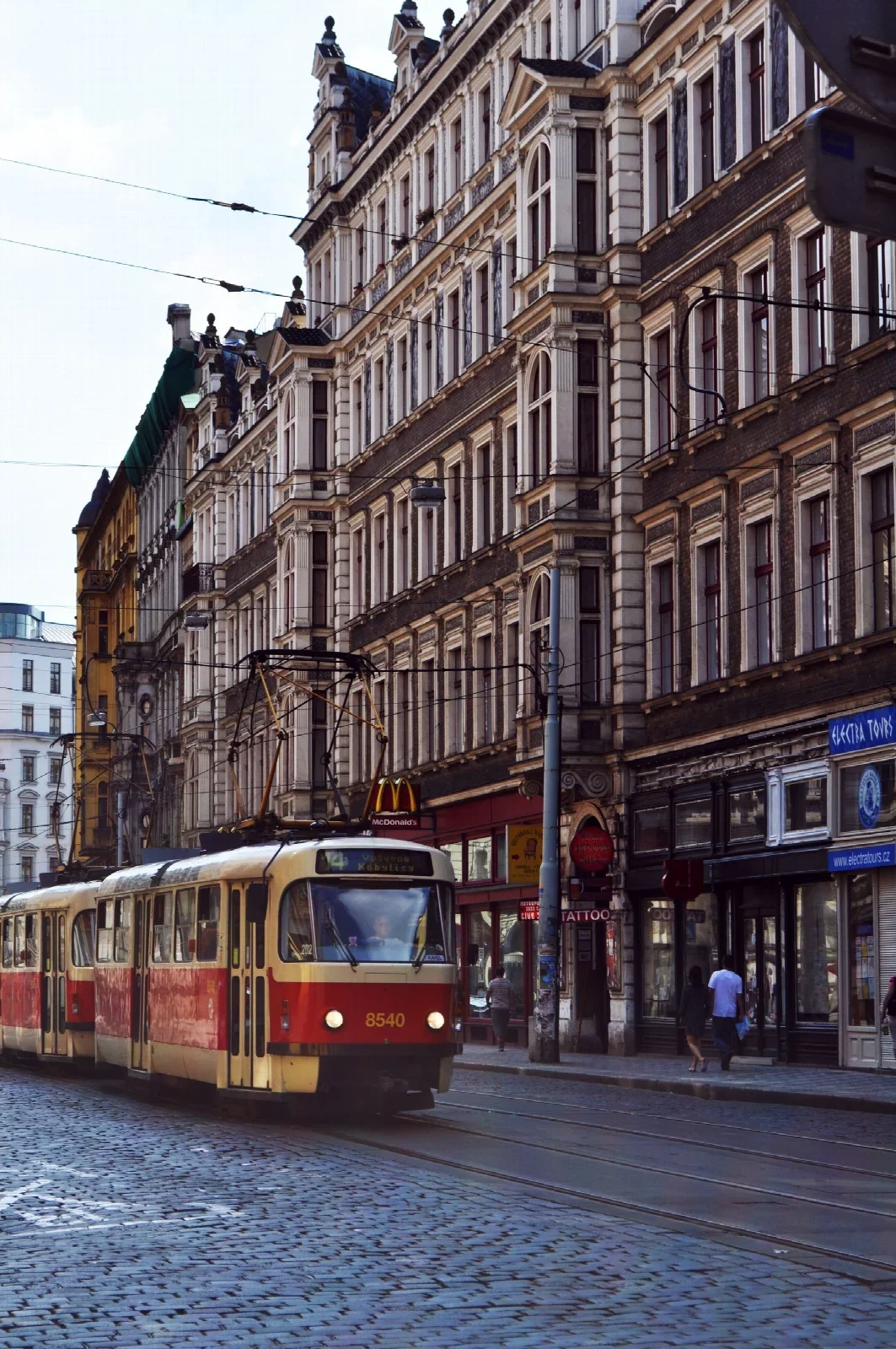
For transport, compare current PID products with the routes you plan to use. The operator states that standard tickets do not apply to Airport Express AE, so do not treat every airport option as having the same fare arrangements. Read time validity, zones and activation conditions through the channel where you purchase. A local meal might include the Czech dish svíčková na smetaně, meat served with a creamy sauce, if actually offered on the menu; compare its full meal cost rather than assuming one standard price. Accommodation need not stand at the most photographed central corner. A useful stop, the final return and the journey with luggage are concrete criteria for a room that works with your own itinerary.
Budapest: leaving the two sides for different days
A Danube riverside outing and the rising streets on the Buda side require different daily arrangements. Build the first full day around one waterside section, a proper meal and a selected visit. Cross to the other side for a shorter neighbourhood walk on another day if that suits your interests. Seeing the Parliament building in the cityscape and visiting inside are different activities; research the actual date and admission if you wish to enter. If a thermal bath interests you, treat it as a principal budgeted experience rather than adding it solely because it appears in famous photographs. Reducing other paid stops does not diminish the meaning of that choice.
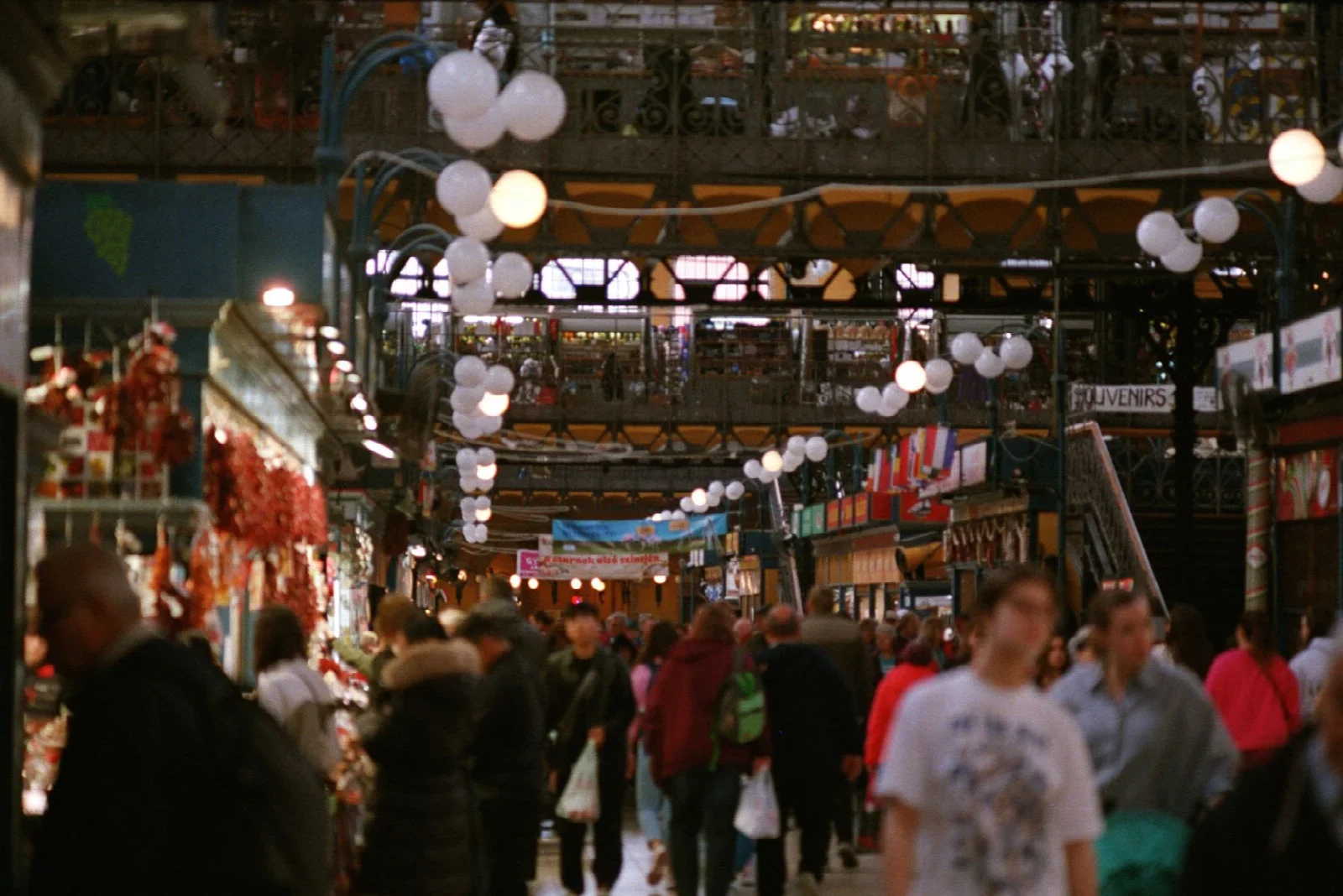
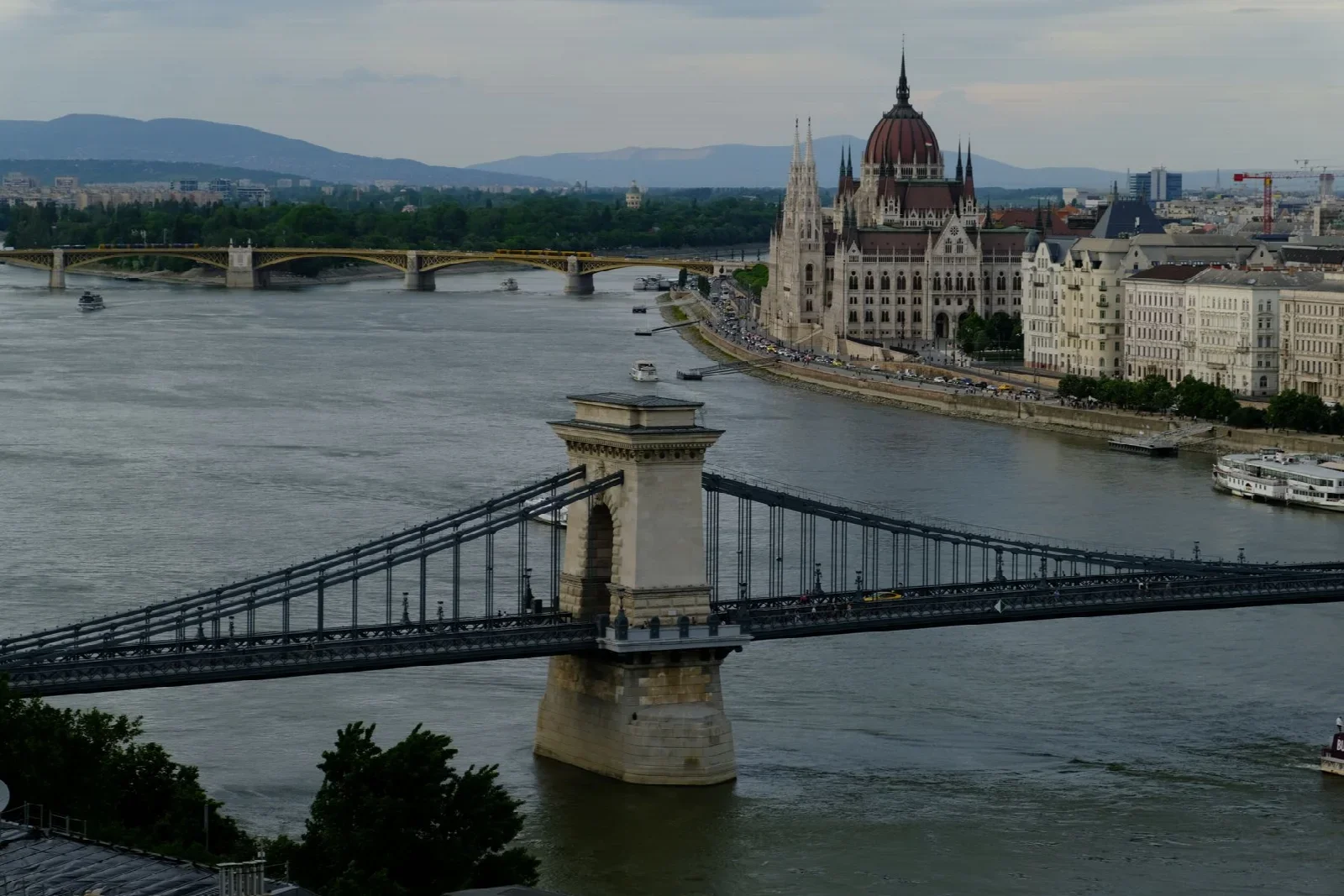
For the airport connection, inspect BKK's separate 100E airport ticket and the conditions applying to relevant products. Assuming an ordinary city pass automatically works on that route can distort the budget. When comparing central accommodation with another district, add journey time and fares to the overall calculation. Gulyás soup is a recognisable Hungarian food name, but a single restaurant's preparation or price should not be generalised to the whole city. If connecting a market visit with lunch, examine actual opening and menu information. A place visited for browsing is not necessarily the least expensive place to eat. A budget itinerary does not oblige you to sample every local flavour within one afternoon.
Lisbon: planning slopes, views and the return together
Combining a shorter Alfama walk with the Santa Luzia viewpoint offers a Lisbon day focused on urban texture. Consider slopes, steps and luggage separately from the short line drawn on a map. Select one neighbourhood section in the morning and stay nearby after lunch instead of rushing to a distant area. If a Belém visit matters to you, give it another day; repeated journeys merely to count more neighbourhoods can increase both transport spending and time. Being able to walk to a view does not mean that every surrounding museum and historic property can be visited within the same spending allowance. Decide which experience matters most before adding another admission.
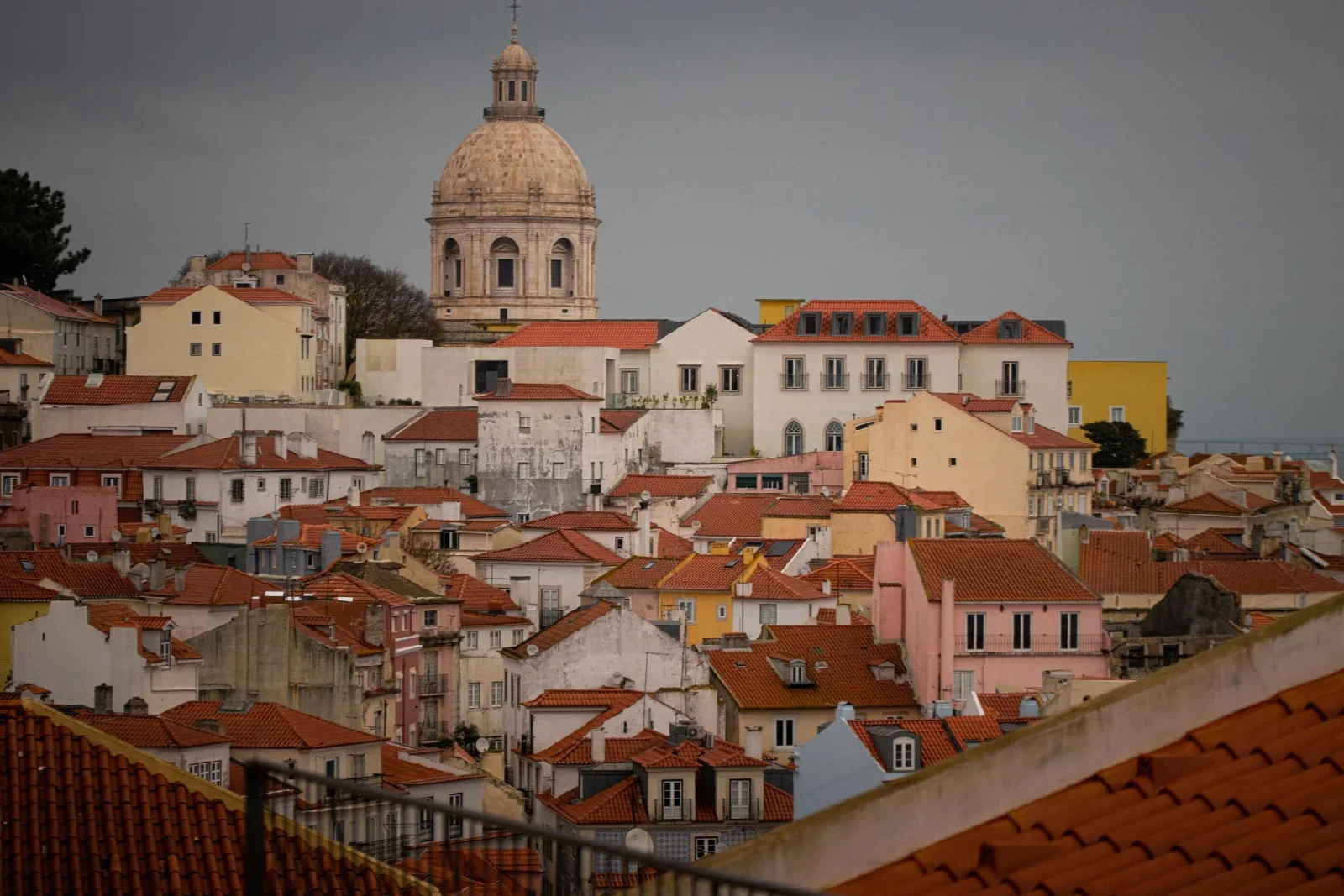
Travellers using metro and Carris connections should check actual ticket types, loading or payment arrangements with the operator. Do not select a product covering several services only by its name; compare it with the two or three journeys you really expect to make. Pastel de nata can add a small local taste to a Lisbon bakery pause. Keeping this pastry separate from a proper lunch leaves room for both the food experience and a workable eating day. With accommodation, compare an appealing uphill setting with access while carrying luggage and useful transport. A lower room figure need not oblige you to accept a long return every evening: how the day ends matters alongside total cost.
Making the right comparison across three days
Begin arrival day by understanding your accommodation area and taking a smaller walk. On day two, connect a selected principal visit, a local meal and a nearby outdoor section. Keep day three shorter around the real departure, rather than reserving every paid attraction for it. There is no obligation to combine Prague, Budapest and Lisbon in one holiday. Several well-arranged days in any one may work better than repeatedly changing cities by flight or rail; your actual offers and needs determine the result. Stork's lower-budget approach is about matching what you pay for with the day you hope to experience. Chasing a claim of universal cheapness cannot make that decision on your behalf.