
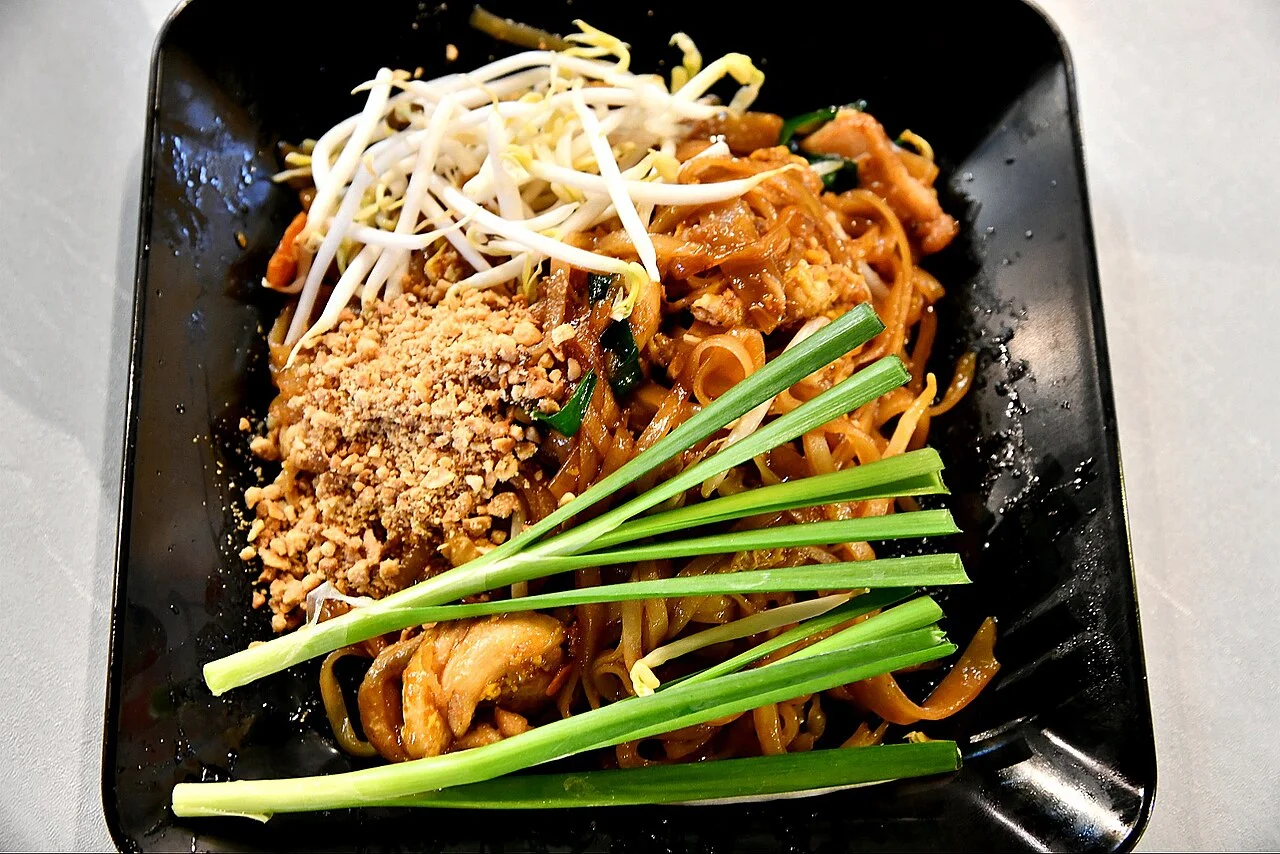
Plan Bangkok food around neighbourhoods: a pad thai lunch in the old city, noodles and a modest sweet stop in Yaowarat, and a riverside pause between meals. Tatilmerkezi Stork invites you to connect a few complementary tables rather than pursue the longest restaurant list. Heat, rain and traffic make the position of a meal as useful as the reputation of an address. A morning of temple visits can lead into an old-city lunch, leaving Chinatown for the evening. On another day, pair a river walk with a quieter table and a mango dessert. Aim to understand contrasting preparations instead of finishing the entire cuisine in a single day.
Pad thai as a seated old-city lunch
Thipsamai offers one concrete starting point for research. Its own menu distinguishes basic, vegetarian, shrimp-oil and egg variations, while its principal branch is listed at 313–315 Mahachai Road. Other branches include Siam Paragon and ICONSIAM. Check serving and reservation arrangements with the branch you actually choose. From an old-city sightseeing programme, investigating Mahachai may produce a more coherent route than crossing the city solely to reach the same restaurant name in a shopping centre. A seated noodle lunch also leaves room for smaller street-food pauses during the evening.
Read the preparation beyond its name: egg, prawns, sauces and ingredients beside the noodles all contribute to the serving. A shrimp-oil variation and one with visible fresh prawns do not necessarily have the same description. A vegetarian label does not independently resolve every personal dietary requirement, so explain your own needs clearly. If linking lunch to a temple visit, finish the cultural stop before moving to the table rather than carrying food through it. Instead of adding every possible side dish, spend time noticing the chosen preparation. The first meal should restore appetite and energy for the day, not collect every Bangkok food experience at once.
Yaowarat noodles and smaller street-food pauses
In Yaowarat, select between different preparations rather than treating one large restaurant as the entire neighbourhood. Thailand's tourism information describes peppery guay jub soup, wonton noodles, seafood and filled toast among its food possibilities. Use these as research categories: the price, opening time or queue described by an older list is not a present-day promise. A soup-centred main meal, a quieter wonton table or a short toast stop create contrasting occasions. When the evening is reserved for shared seafood, two large bowls of noodles immediately beforehand may add little to the experience.
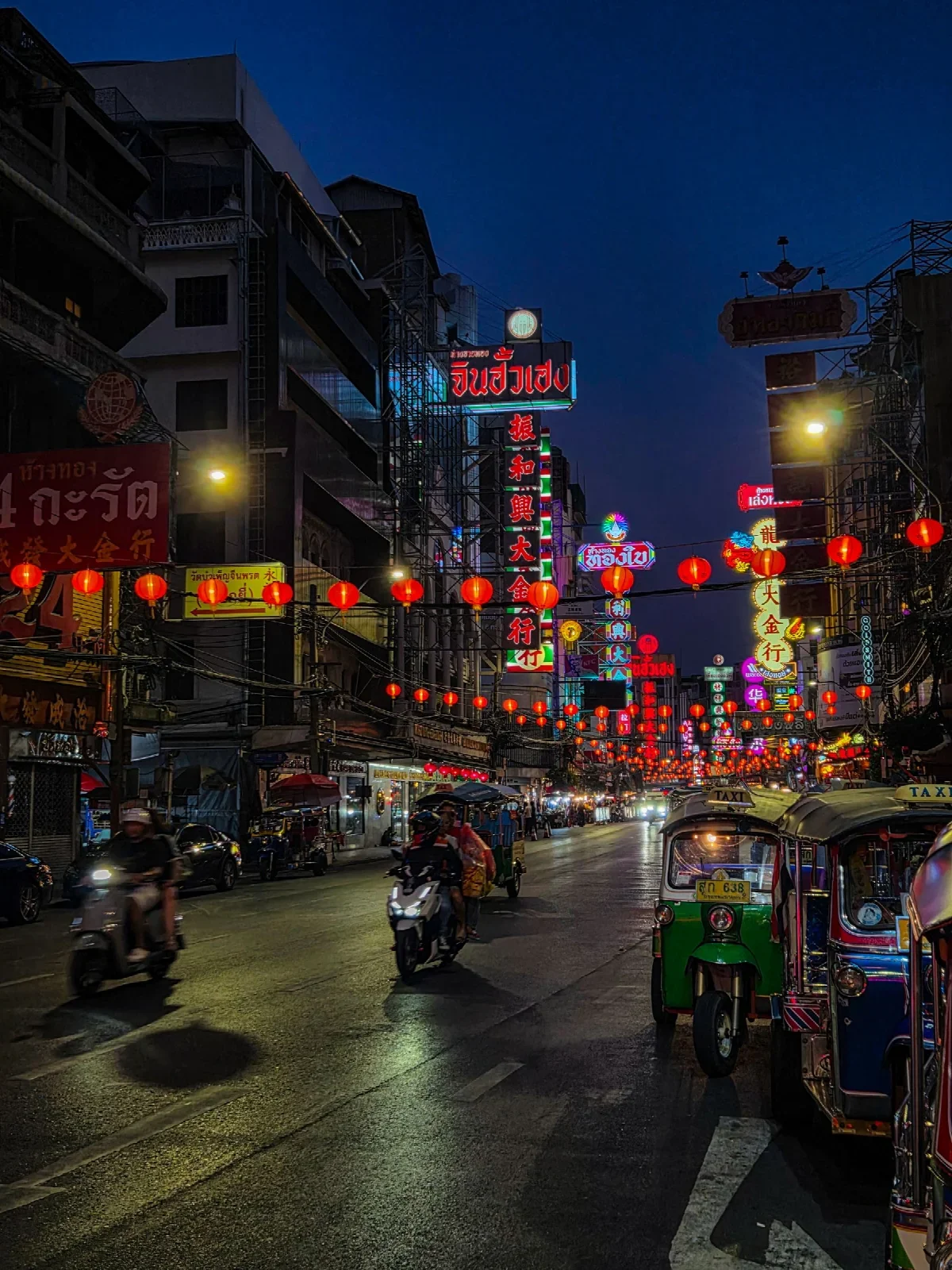
Save Wat Mangkon MRT station as a starting point for investigating access, then check the actual walk to the business you select. Pedestrians and traffic share the movement around Yaowarat Road and its side streets; leave space when photographing a stall. Ordering shared dishes in stages can keep the table manageable. For seafood, establish whether the displayed amount refers to a piece, serving or weight. Look at the seating arrangement before purchasing and keep an alternative seated meal in mind if rain interrupts an outdoor pause. This makes the neighbourhood enjoyable without requiring every decision to follow an inflexible list.
Mango, sesame and toast for a sweet break
When investigating mango with sticky rice, notice that a particular dessert plate may also include pudding or ice cream. The colours of a photograph do not make every component a required part of the classic preparation. Read what the menu actually serves and decide whether to share it. A separate indoor break can divide a warm afternoon walk into comfortable sections. Rather than rushing dessert immediately after a main meal, consider placing it after the next neighbourhood stroll. That creates a different occasion and gives the table a purpose beyond adding another item to lunch.
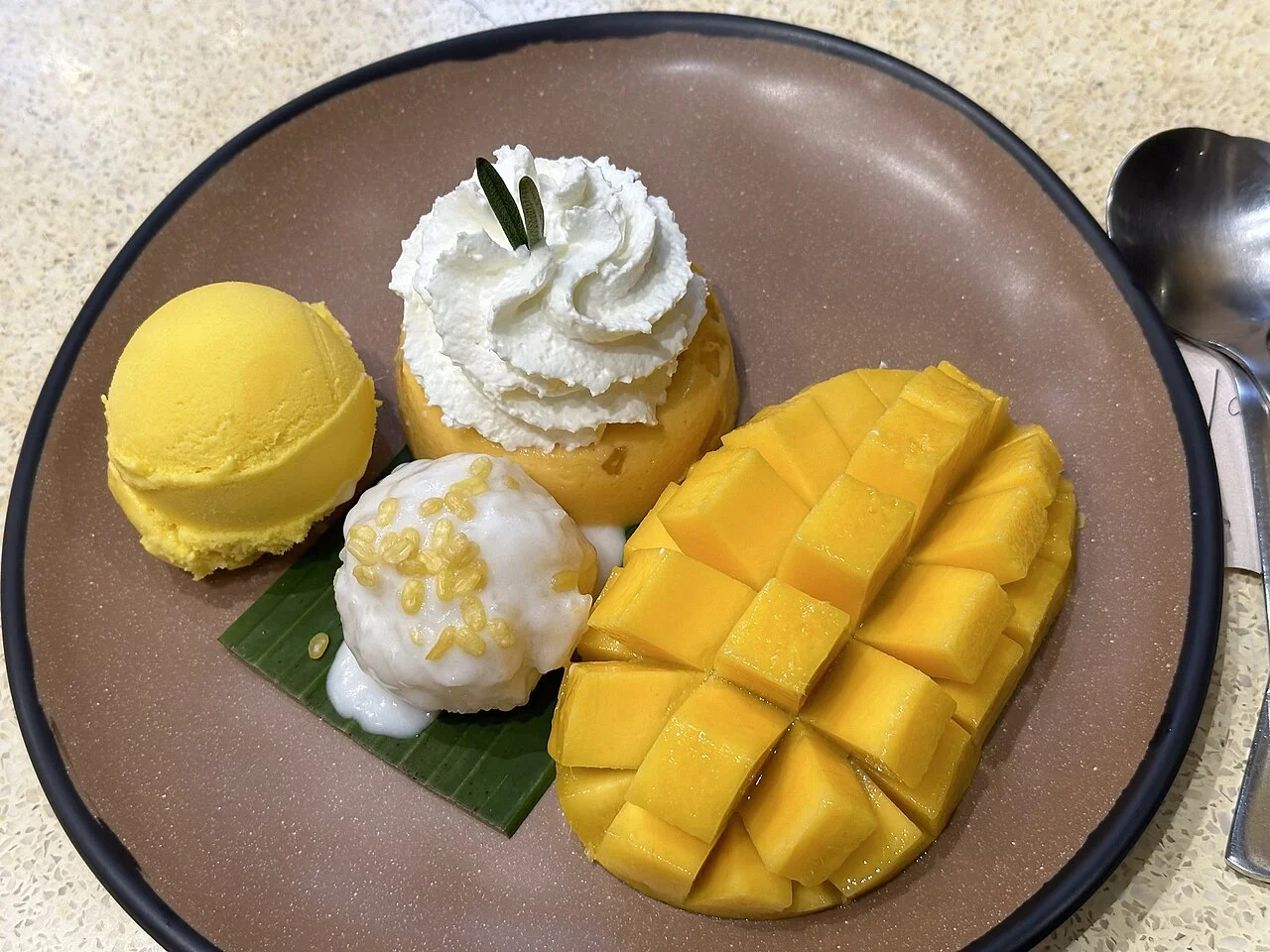

For Yaowarat, tourism information also offers examples such as black sesame sweets with ginger soup and toast with contrasting fillings. A mango plate and a warm sesame dessert need not duplicate one another: one can form a daytime pause, the other a small evening conclusion. If milk, sesame, peanuts or other ingredients matter to personal preferences, discuss the particular preparation rather than relying on its appearance. After a substantial seafood dinner, sharing one sweet may be sufficient; following a small lunch, you might prefer to sit longer. Let the day's real appetite determine the sequence rather than an arbitrary portion target.
Lunch between Wat Pho and the riverside
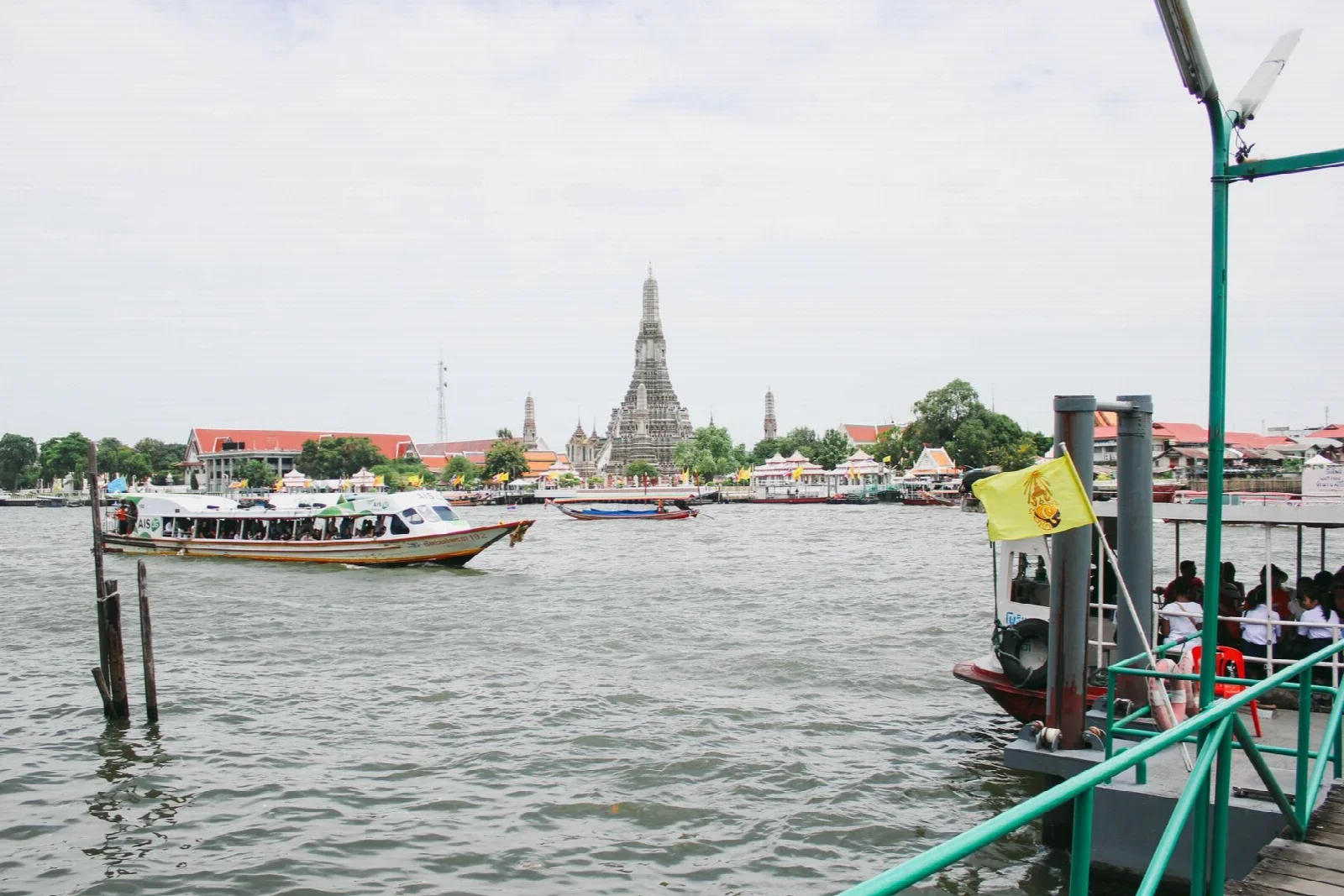
For an old-city day, use the Wat Pho surroundings as the cultural part of the food route. After investigating Tha Tien, select a nearby table with an actual menu and leave Yaowarat for evening. Walking beside the Chao Phraya and looking across the water introduces another pace between meals. If using a boat, check stops and departures with the current operator; do not travel on the fare or timetable in an old itinerary. Allow room around any dining reservation and consider weather conditions before relying on a water journey. One cultural visit, one main meal and a short river pause can comfortably fill a morning.

Not every restaurant close to the river provides the same view or seating arrangement. Proximity on a map and the outlook from a particular table may differ, so discuss seating when a view is important. Staying near the water can simplify this lunch programme, but investigate the evening connection against the hotel's exact address too. Avoid scheduling a lengthy riverside dinner at the same time as a separate city-centre shopping plan. A good Bangkok food day depends on how comfortably the journeys fit together as much as on the dishes chosen at each table.
Accommodation choices and a two-day meal programme
Investigate Chinatown accommodation if linking a Yaowarat evening by foot is a priority, while assessing the room's actual street position and sound environment separately. For an old-city focus, place temple visits and the Mahachai meal within the same day's programme. A riverside base can help with water-facing pauses. Choose a district using more than restaurant photographs: the airport return, evening transport and visits planned for other days belong to the same decision. A meal programme that remains within a practical part of the city avoids making every lunch dependent on another long transfer.
For day one, choose old-city sightseeing in the morning, pad thai at lunch, a river pause afterwards and a single principal Yaowarat dinner. Add dessert according to appetite. A second day can start more slowly and leave room for another noodle preparation and a mango break without retracing every earlier stop. Recording the dish you enjoyed helps make the next meal more deliberate. Tatilmerkezi Stork's suggestion is to experience food through neighbourhood rhythms instead of turning menus into a contest. A well-positioned lunch, a walk and a shared evening table can form a rewarding relationship with Bangkok.