
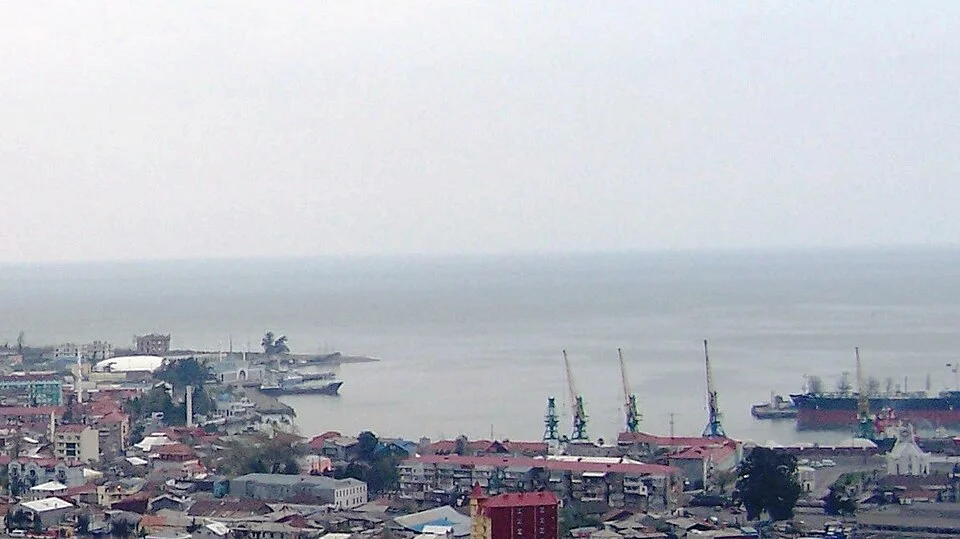
Batumi works best when you separate its experiences instead of putting every attraction into one crowded day. The Black Sea, a working port, a walkable older centre, botanical landscapes and an ancient fortress all offer different reasons to stay. Tatilmerkezi's Stork brings you three simple ideas: explore the centre on foot, reserve another outing for the botanical garden to the north, and consider Gonio to the south on a separate day. This is a suggested itinerary, rather than a claim that the writer has personally visited every stop. Choose the balance that suits you: a restful seaside break, a historical excursion, or a trip with plenty of time among trees.
From the port area into the older centre
The area around Batumi's port helps explain the connection between the city and the sea. Remember that a working harbour is not an unrestricted visitor attraction. Stay on public streets and respect access boundaries rather than approaching vessels or operational areas for a photograph. In the older streets, leave time between squares for ordinary details: shop windows, cafe tables and the changing scale of the buildings. A small loop is easier to enjoy than a long list of disconnected map pins.
Mark Piazza and Europe Square on your map and decide where to start from your accommodation. Seeing a square does not require buying an activity at every stop. Sitting outside a cafe, looking at a facade and entering a building are different choices. If rain interrupts the walk, a nearby indoor break may make more sense than crossing the city to rescue a rigid schedule. The photographs in this guide include historical archive views; they illustrate places and details without promising that every visible arrangement remains the same today.
The waterfront: separate walking from swimming
Batumi Boulevard gives a seaside day a useful structure. Pick a section you actually want to walk instead of treating the whole waterfront as a distance challenge. A short out-and-back route can work particularly well with children, older companions or anyone visiting mainly to relax. Keep cycle routes clear and choose a stopping place away from the flow of pedestrians. Wind and rain can change the atmosphere on the coast, so practical footwear and a light weather layer deserve a place in your bag.
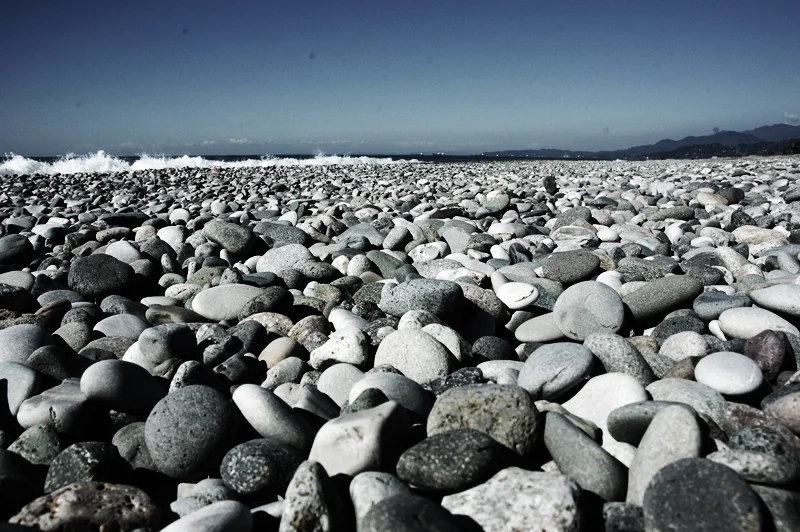

Looking at the beach, swimming and spending an afternoon beside the water are separate plans. Consider footwear for a pebbly shore and check local warnings and conditions on the day. Calm water in a photograph is not a swimming safety assessment. Leave genuine spare time for a seaside break rather than wedging it between a garden visit and another excursion. Sometimes the most enjoyable part of Batumi is an unhurried interval when you do not need to get anywhere at all.
Give the botanical garden its own half-day
Batumi Botanical Garden is a separate outing north of the centre, where greenery and coastal scenery can become the main focus. The national tourism description places it approximately nine kilometres from central Batumi and highlights its varied plant collections. Do not plan that distance as a short stroll between central sights. Think about the outward journey, entry point and return together. The amount of time you want to spend exploring should guide your transport choice, rather than the other way round.
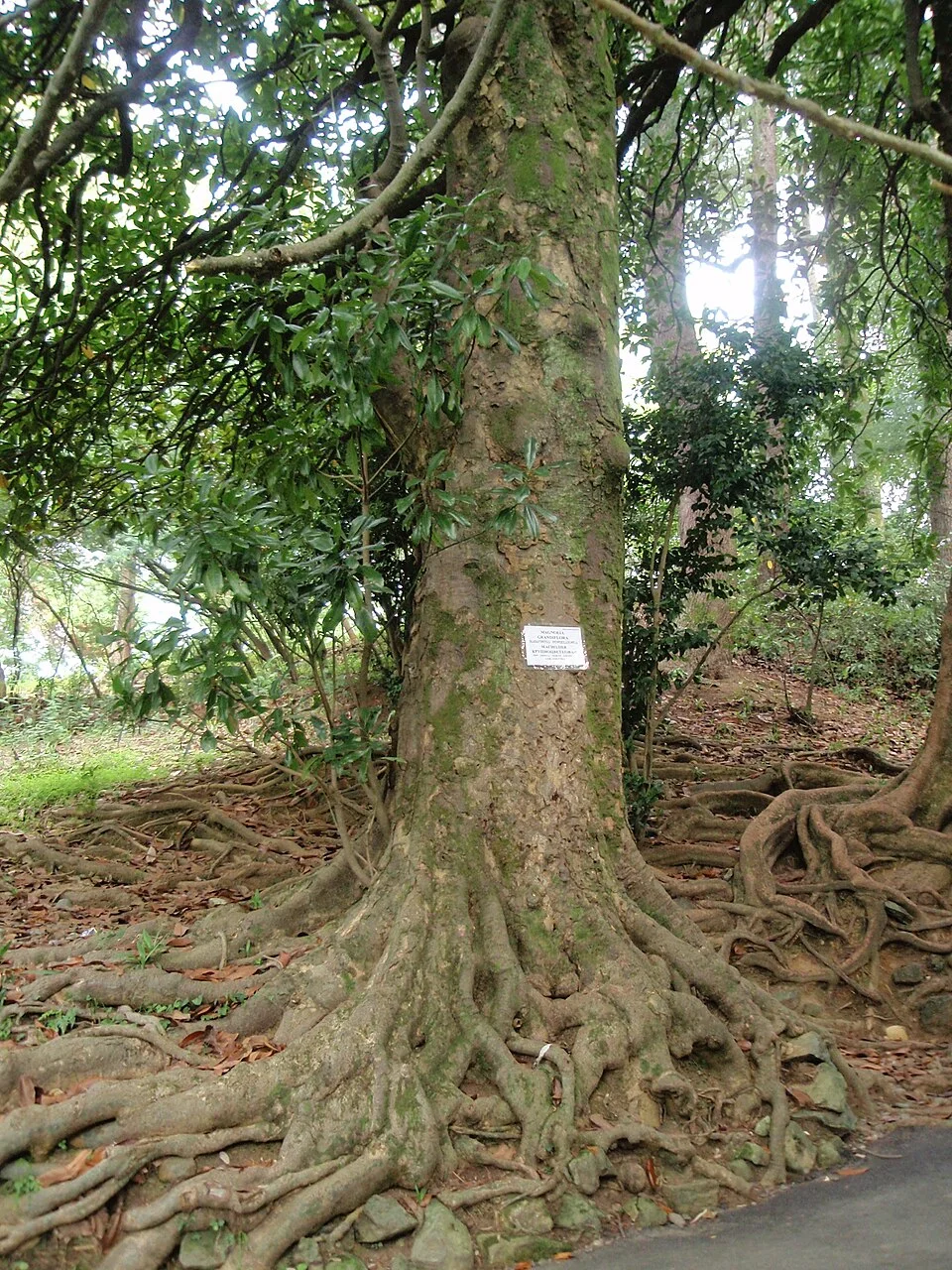

You do not need to complete every section to have a worthwhile visit. Roots, leaf shapes, shaded paths and changing spaces between trees can be the experience themselves. Pick a realistic route for slopes, wet ground and your own energy level. Carry water and do not climb into planting beds or onto roots for a better photograph. Check the garden operator's current entry and access arrangements before travelling. This guide does not promise a permanent ticket price or identical opening arrangements every day.
The cathedral adds a historical pause
The Cathedral of the Mother of God introduces another layer to a city often pictured mainly through its waterfront. Georgia Travel dates its construction to 1897–1902. A short stop to look at the exterior is different from entering the building or being present during worship. If a visit is possible, follow local expectations about quiet behaviour, clothing and photography. Consider the people using the church rather than treating it as a backdrop that exists only for visitors.
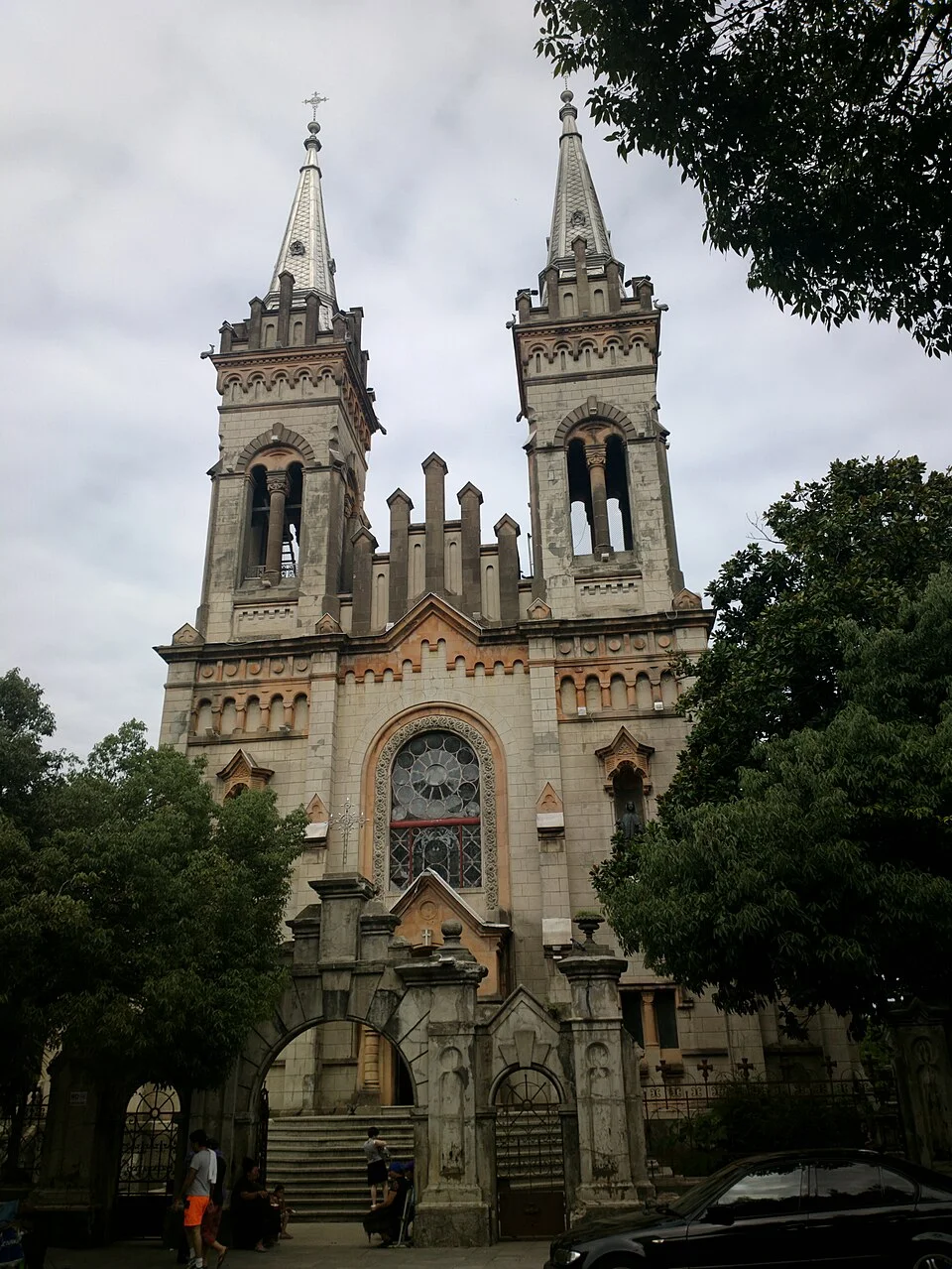

The cathedral area fits more naturally into a central walking day than into a hurried northern garden excursion. Look at the actual route between places instead of converting straight-line distances into assumed walking times. You can choose the light and pace that suit a closer look at architectural details. Keep historical background separate from current visitor access: an old description of the building does not establish that every door will be open when you arrive.
Gonio deserves a separate southern excursion
Gonio-Apsaros Fortress is not a square in central Batumi. It is a distinct historical outing south of the city. Georgia's national tourism material presents its archaeological and historical layers; looking at the walls in that context is more rewarding than collecting a quick stone-wall photograph. Check which areas are currently accessible and what entry arrangements apply through up-to-date visitor information. A historical image is not proof of present access to every part of a monument.
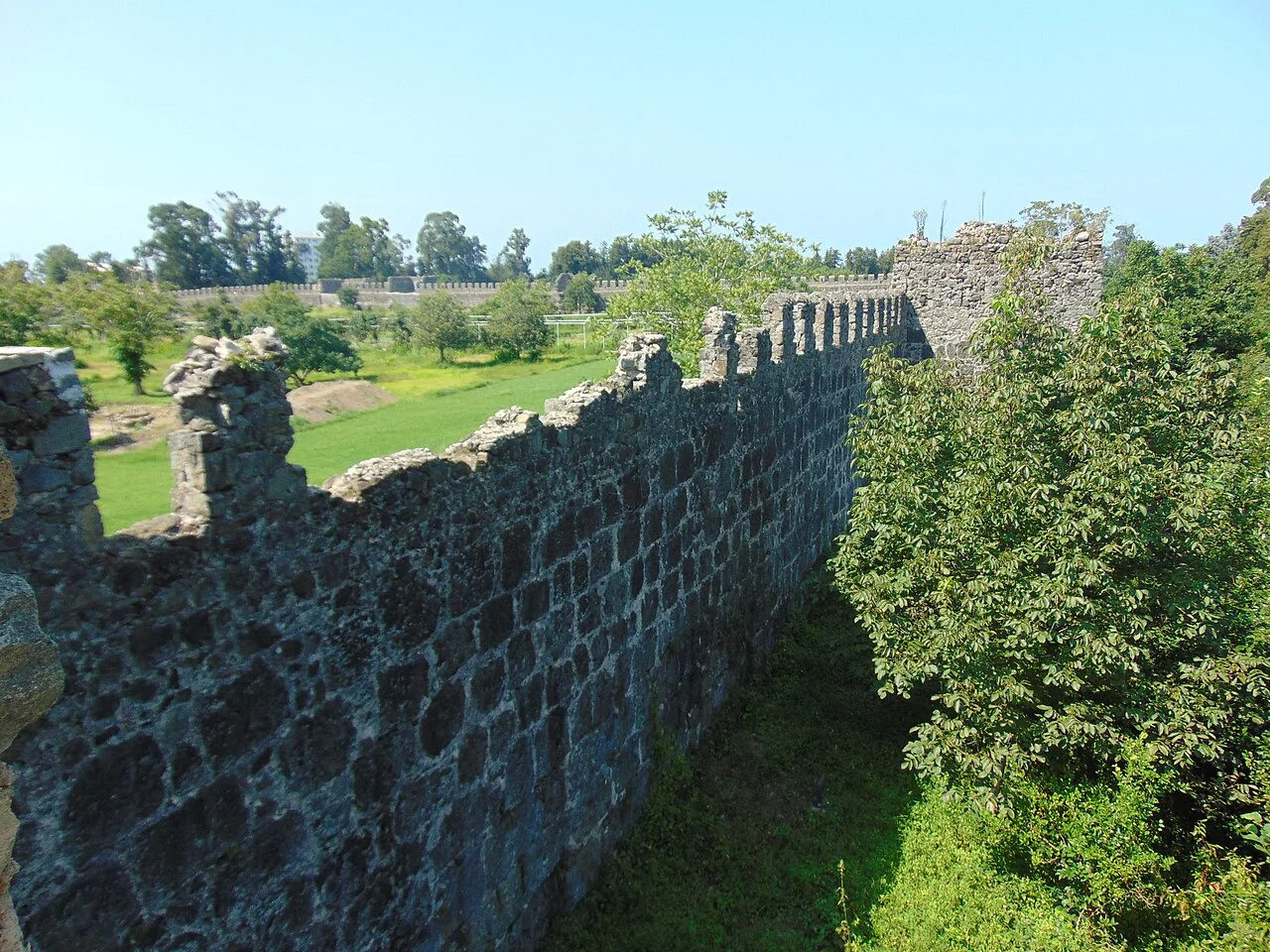

Plan the return journey as carefully as the outward trip. If using a taxi, clarify whether the arrangement includes waiting, a return ride and the total scope of the fare. With public transport, verify the current route, stop location and relevant connections. A warm-day fortress visit may be tiring if it follows a long waterfront walk. The botanical garden to the north and Gonio to the south are not automatically sensible partners for one short day; choosing one can produce a better experience than racing between both.
Choosing a base and planning transport
For a first visit centred on walking, access to the older centre and central boulevard can matter more than a dramatic room photograph. If you prefer a longer seaside stay, investigate the southern coastal areas as well, but examine the real connection to the centre. Window direction, noise, air conditioning, lift access and arrival with luggage can influence your comfort more than a skyline image. When travelling with children, consider the room, evening routine and nearby food options together.
For arrival by plane, rail or road, check the relevant operator's current connections directly. Put the station or airport and your accommodation on the same map to make the final leg of the journey clearer. This guide deliberately leaves service numbers, fixed taxi costs and border-entry requirements to current official information for your travel date. Within Batumi, combine central walks with dedicated transport for more distant outings, so the trip does not become a day spent mostly in a vehicle.
Adjarian flavours and a small three-day plan
Adjarian khachapuri gives a food break a recognisable regional character: boat-shaped cheese bread served with egg and butter. Ask about portion size and consider sharing rather than ordering more than you want before a long walk. Georgian food includes several cheese-bread and khinkali varieties; do not assume every kitchen uses the same filling or preparation. Ask clearly about ingredients, allergens and cooking preferences. A restaurant's current menu and location are more useful planning evidence than one attractive social-media photograph.
Use the first day for the older centre, the cathedral area and a short coastal walk. Reserve generous time for the garden on the second, followed by an easy meal back in town. On a third day, choose Gonio or a relaxed beach day. With only two days, select between the garden and fortress instead of shrinking every visit into a rushed stop. The Stork's suggestion is straightforward: you do not need every pin on the map to enjoy Batumi. A route shaped around your curiosity will usually leave a better memory than an exhausting checklist.