
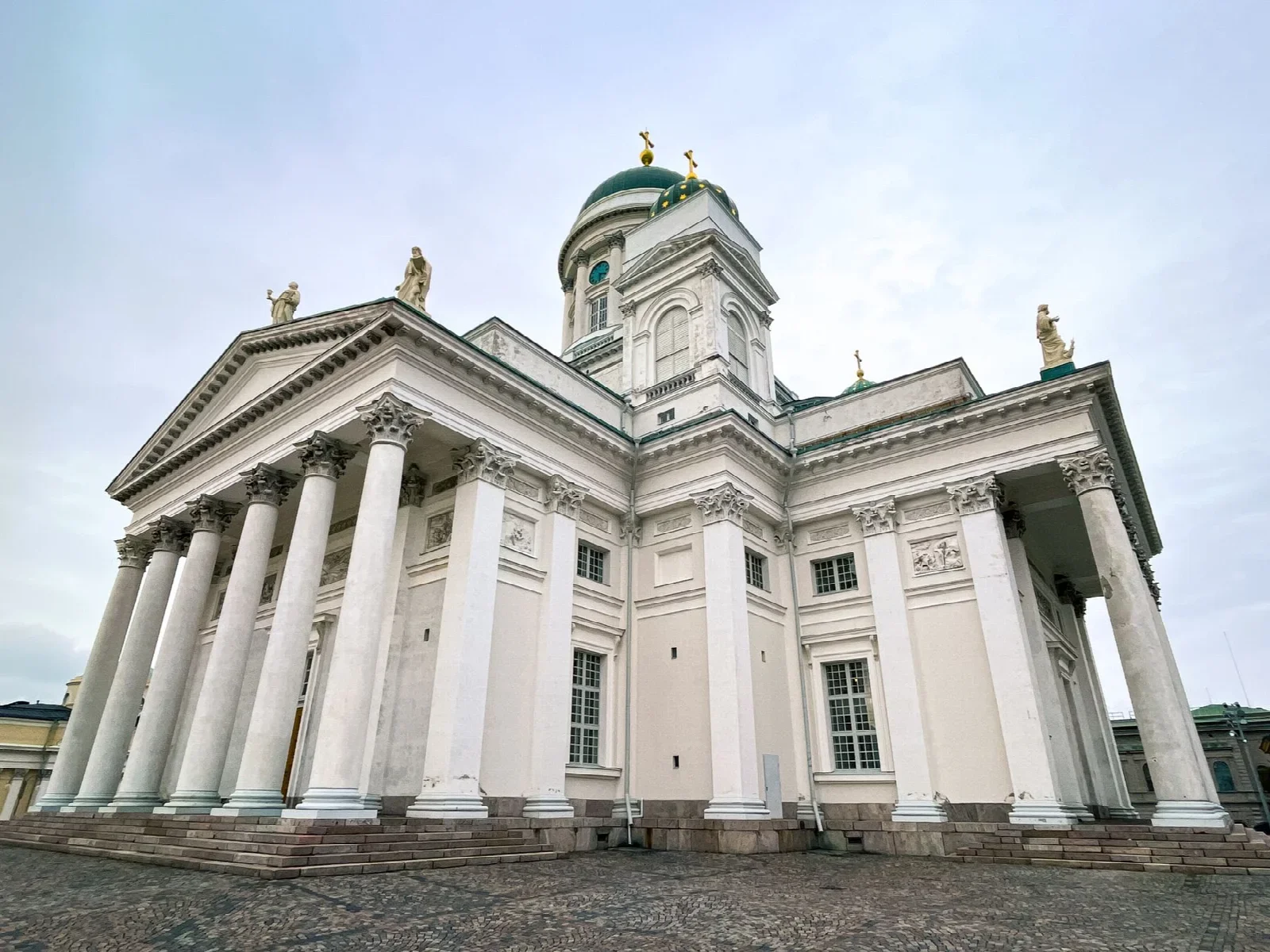
Packing a suitcase is not the same as moving every possible household contingency into one bag. On a short Helsinki city holiday, the airport connection, room arrival, street walk and seated meal can create different everyday needs. Tatilmerkezi Stork suggests selecting according to the actual programme rather than memorising a universal packing list. Separate flight baggage, a smaller bag carried around the city, and items left at accommodation. The photographs show real Helsinki travel settings; they do not prove a particular suitcase complies with all flight rules. The actual airline booking and relevant airport's current instructions establish the final limits of what you carry.
Separate flight baggage and the daily bag first
Read the booking record to establish which baggage service your ticket includes. A small personal item, cabin bag and checked baggage are different products. Compare your own airline's dimensions, weight and carriage explanations before assuming a bag used on another journey also suits this flight. For a connecting itinerary, examine actual carriers and connections separately. Packing begins with the scope of the flight service before deciding what remains in the room. You may want space for items bought before returning, but empty space does not automatically create additional baggage entitlement. Keep capacity and permitted carriage scope as separate considerations.
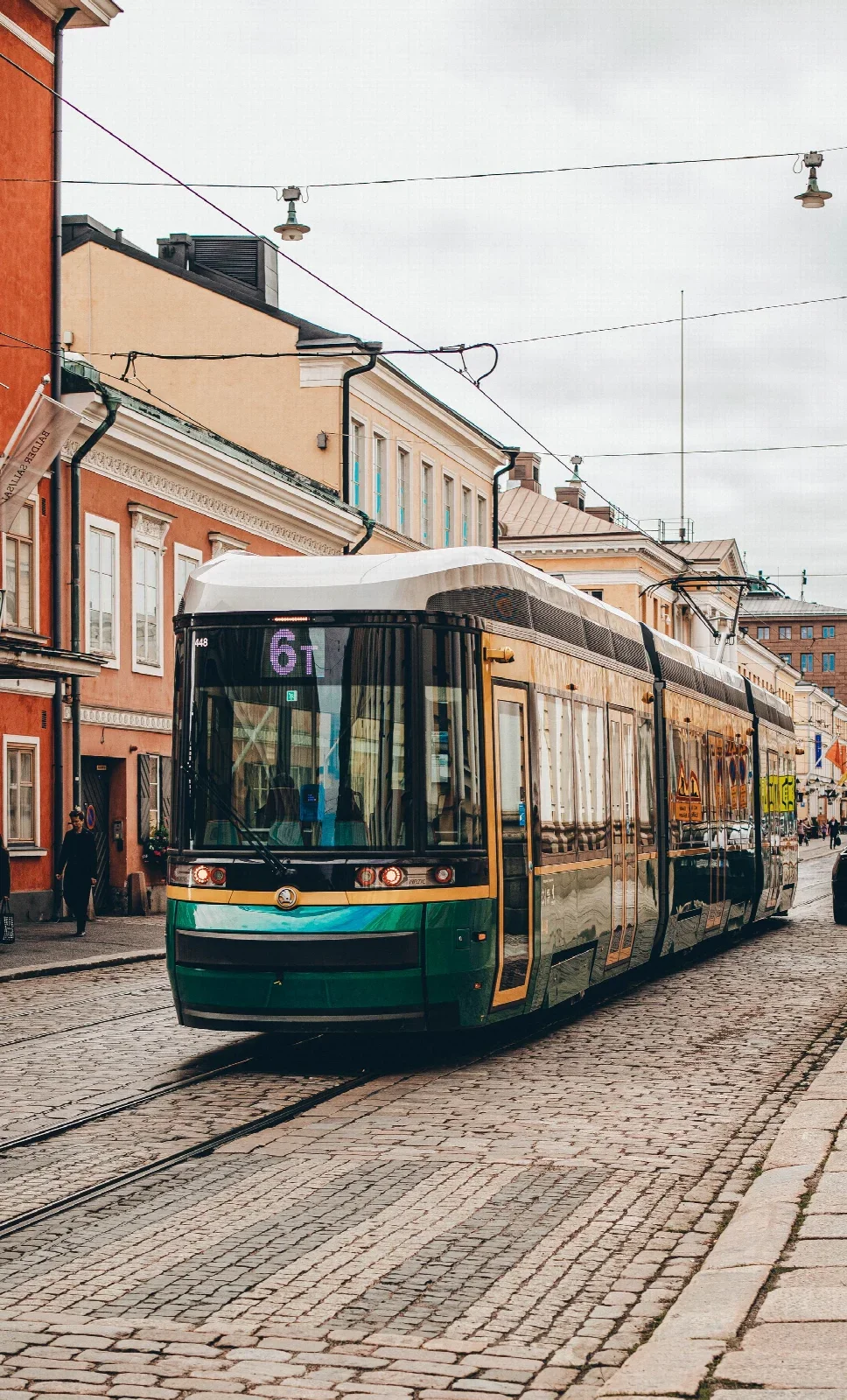
Do not put the entire suitcase back into the bag used around the city. The accommodation address, phone, items required for daily transport and selected personal belongings can remain in a smaller section. A second or third similar object with no daily purpose might stay in the room. Decide through the accommodation's actual storage arrangements, learning its services directly from the business rather than assume every address offers the same facility. If moving with luggage on the first or last day, consider those days separately from an ordinary urban walk. This provides a clearer start than preparing one large bag for every situation.
Actual airport instructions for liquids and electronics
Finavia's Helsinki Airport record currently describes liquids at the departures-hall screening point in packages of no more than 100 ml, with a total of up to two litres per passenger. The same organisation distinguishes arrangements at transfer screening and its other regional airports. Inspect your actual screening point rather than turn one airport statement into the rule for every connection. Read the current record again before returning. A large bottle being partly empty does not reduce the defined size of its container. When shopping or transferring, separately ask about the carriage arrangements applying to the purchased item and your connection.
Finavia's packing guide recommends keeping important documents and valuable belongings in hand baggage. For electronics, batteries or special items, use the relevant explanations from the carrier and airport. Moving something you need into a different baggage section solely on the basis of a general online list may be inappropriate. This article does not replace the full prohibited-items information. Organise smaller sections so they can be reached during actual checks. Avoiding the need to empty an entire bag to locate a document is a small but useful part of the initial and final travelling day.
Reaching the final room address with luggage
HSL's official airport account explains I and P trains to central Helsinki and the ABC ticket scope for that journey. Enter your actual arrival time and room address in the journey planner. Reaching the main station does not mean reaching the final door. Consider the last walking or tram section together with the luggage. Learn any steps, narrow passage or other entrance detail through the accommodation's actual explanation. Attractive photographs of urban streets do not prove every part of the chosen route will be equally manageable with the bag you have selected. The last short connection belongs in the plan alongside the principal train journey.

If arriving before check-in, learn whether luggage storage is actually offered. If not, consider another arrival arrangement rather than turn the first day into a broad city tour carrying a heavy bag. The first arrival and final departure connection may matter as much as a view when selecting accommodation. Changing rooms on a short holiday adds packing and carrying needs. There is no requirement to move to a different district every day. Several days at one address can leave time to establish the luggage routine and understand what genuinely belongs in the smaller everyday bag rather than carry hypothetical needs continually.
Seasonal clothing and items for an urban walk
A Helsinki day can use selected shorter sections around Senate Square, Esplanade and Market Square. Assess clothing and belongings for the actual travel day's weather and your own needs. A seasonal photograph does not establish the temperature that day. Choosing clothes usable together can be simpler than preparing separate large packages for every activity. For a spare item, establish the situation in which you would actually use it. If not planning a long outdoor walk, a complete collection of outdoor equipment may not need to enter the daily bag. The real programme provides a better basis than a generic list's length.


If combining an indoor cultural visit with a street walk, check that institution's bag-admission or cloakroom arrangements. Do not assume every entrance permits the same-sized bag. Allow a seated pause along the day's route rather than make a day carrying belongings into uninterrupted walking. Arranging the phone map, accommodation address and return connection beforehand is also preparation. Charging facilities and internet access may not be identical at every stop. Select what to carry through this daily use without expecting the same service on every corner. Practical preparation concerns information and movement as well as physical objects placed inside the bag.
Local food, an island day and the return check
Helsinki's official culinary records introduce the cinnamon bun korvapuusti and salmon soup lohikeitto as local food examples. Selecting a meal actually offered on a menu prevents the day's food depending only on packed snacks. Korvapuusti can be investigated for a shorter pause, and soup for another seated meal. Do not assume all businesses use identical recipes or service hours. Daily-bag decisions should connect with meal planning too. If you continually feel obliged to carry every belonging, first consider whether accommodation and return arrangements are genuinely clear. A defined base can make everyday decisions more understandable than an ever-expanding list of objects.


For a separate Suomenlinna day, inspect the actual connection and return in HSL's official ferry information. Assess the chosen walking section and necessary items separately from the urban day; completing the whole island is unnecessary. When reorganising luggage on the final night, distinguish used and unused belongings, check the return ticket's baggage scope and review purchased items. Write down room checkout, luggage storage and the airport connection together. The Stork's packing note suggests establishing a routine you will use rather than competing to carry the fewest objects. The bag should not become the entire holiday: it should leave space for movement, an urban walk and a local meal.