
A Belgrade itinerary can begin where two rivers meet and turn into curiosity about a small street. The fortress area, a central walk and a separate day for Zemun do not replace one another. The Tatilmerkezi Stork opens a three-part map: connected central stops on day one, a different neighbourhood rhythm in the evening, then a quieter choice beyond the centre on day two. The time you want to spend in each part matters more than the length of your checklist.
Serbian and Belgrade tourism sources, the fortress operator and airport transport information were checked on 3 October 2026. Licensed archive photographs were taken between 2009 and 2015; they do not establish today's weather, decorations or open facilities. We give no fixed admission prices or permanent departure times. The Stork's voice is an editorial invitation to arrange your own visit, not an invented travel memory. Use the separate Belgrade food guide for meal interests and this guide for places and their connections.
The fortress and Kalemegdan: separate open areas from facilities
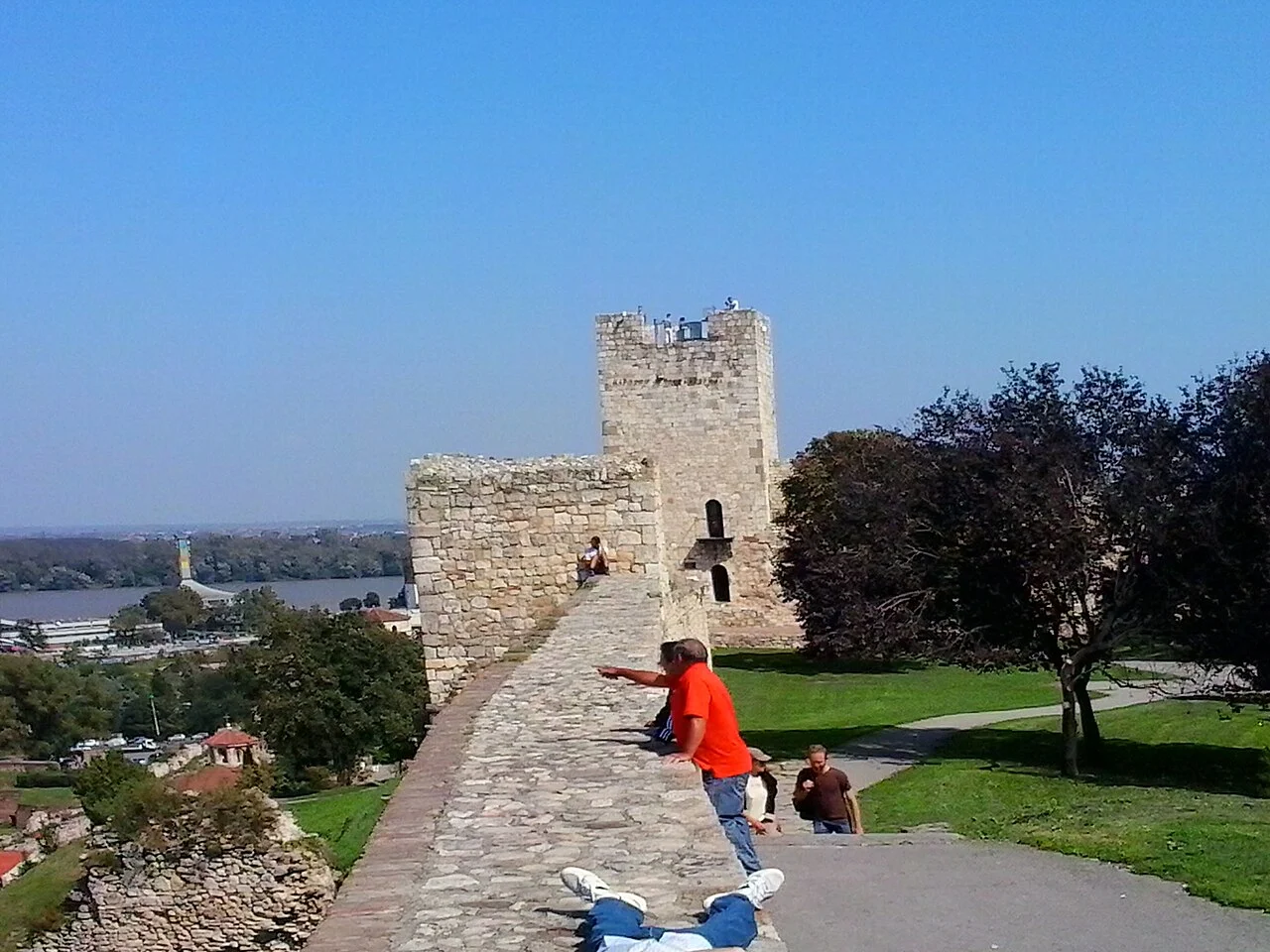
Belgrade Fortress provides a useful starting point for understanding the surroundings where the Sava and Danube meet. The national tourism source describes layers from different periods. Begin with a short outdoor walk and choose specific facilities as separate visits. The Despot Stefan tower photograph dates from 2014; one image cannot explain the present access arrangements for every fortress facility. Decide which parts you want to see from outside and which deserve indoor time. Visiting an area does not mean that every unit inside it follows the same admission arrangements.

The operator's visitor information distinguishes seasons and individual facilities, and some visits may require advance contact. Confirm the conditions applying to your date directly with the institution. Look up the source for your chosen facility instead of copying admission and closing information from an old travel article. If some companions want history and others a short stroll, establish a reunion time before entering. Ask separately about stairs or ground access when these matter. Leaving energy for the central walk helps the first day remain enjoyable beyond its opening stop.
The two-river view: make room for a landscape
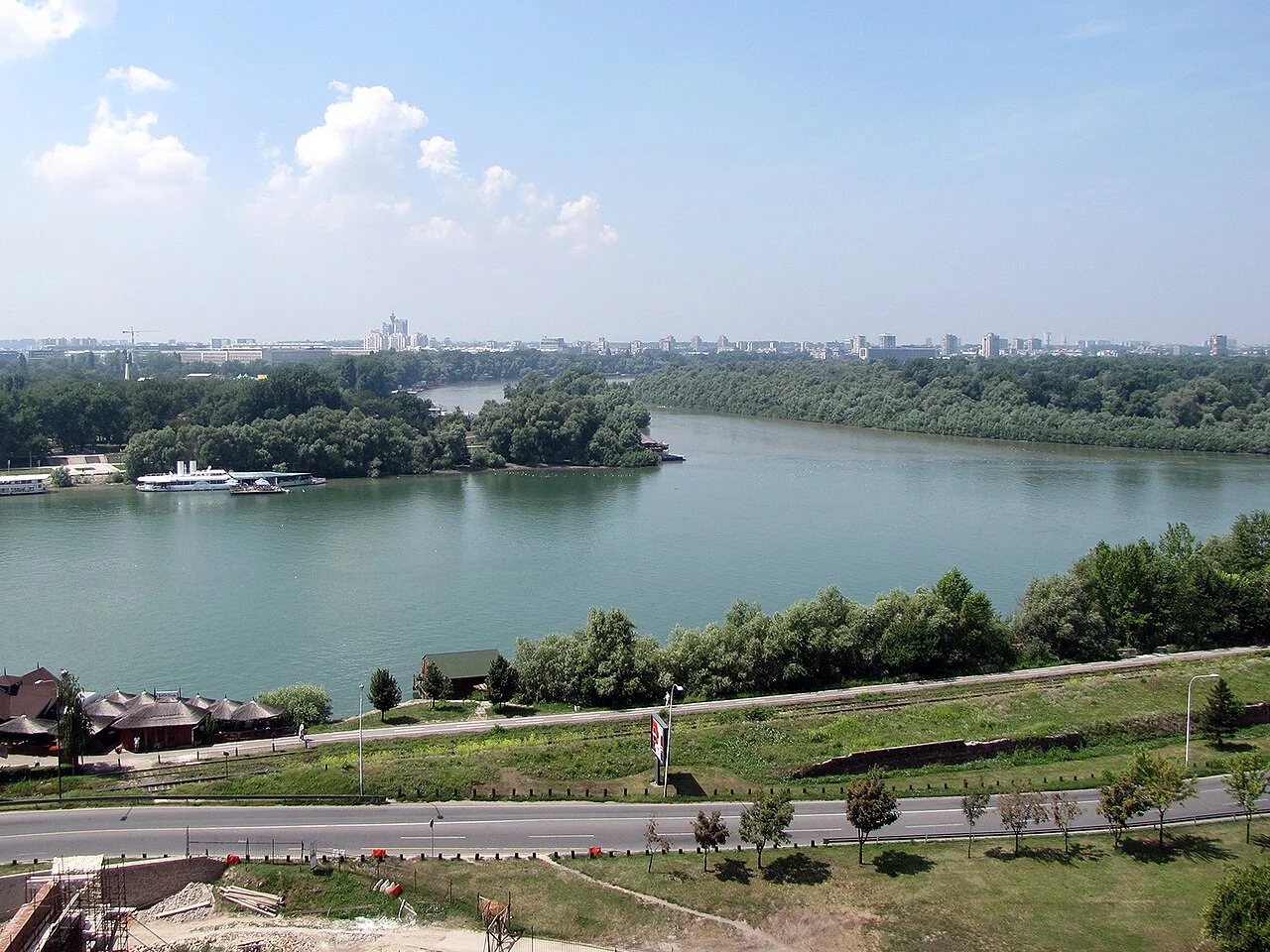
The meeting of the Sava and Danube forms a distinctive line in Belgrade's geography. The August 2009 photograph records rivers, banks and a distant city view, not present-day waterside facilities or boat departures. Give the landscape a small interval of its own. Understanding which bank you are looking towards can connect the city's parts in your mind more effectively than immediately rushing to the next marker. A viewpoint pause and a walk down to the riverside need different allocations of time: one stays where you are, while the other chooses a new route.
For a boat outing, ask the operator about the current departure point, duration and conditions for your date. The photograph does not document a particular service or the accessibility of every riverbank. Keep the pause flexible if wind or weather changes. With children, remain at a suitable safe viewpoint instead of moving towards an edge or inappropriate crossing for a picture. This first encounter with the rivers may help you choose the Zemun side on day two, but it does not create an obligation to complete both banks during the first afternoon.
Knez Mihailova: a manageable central walking section
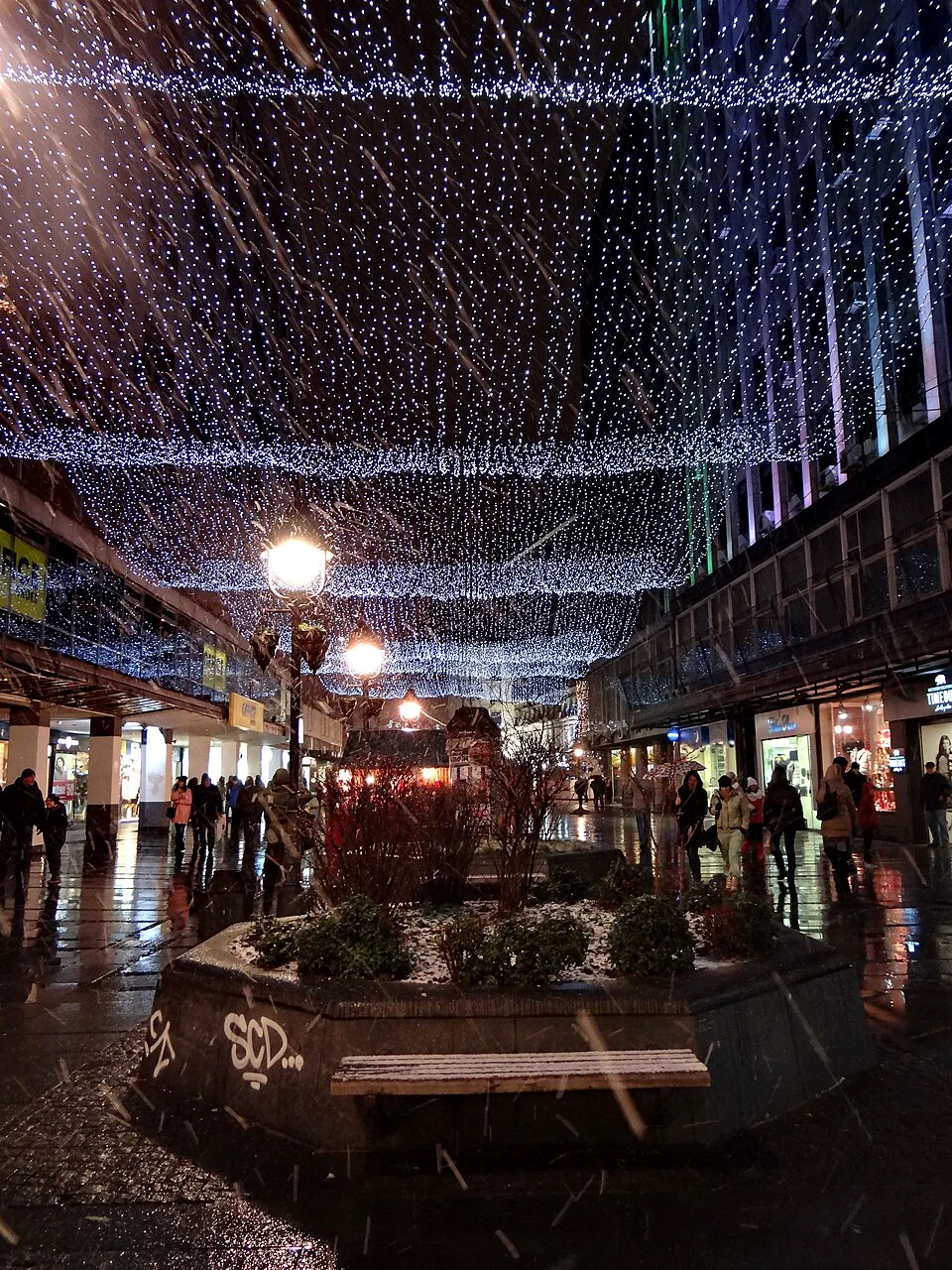
Knez Mihailova appears among the city tourism source's central stops. Use it as part of the connection between fortress and city walking, slowing down according to interests in buildings or browsing. The January 2015 photograph depicts winter lighting at night; the same decorations are not promised in every season. First-time visitors might prefer understanding the direction during daylight and choosing a separate evening walk later. Consider intended pauses as well as distance on the map: a short-looking section can become longer when details genuinely interest you.

A shopper and a companion interested in museums may use this central portion differently. Decide what you are actually looking for before entering every shop, leaving time for the rest of the visit. If adding a museum, confirm its current exhibition, tickets and closing arrangements with the institution. Think about an indoor alternative for rain without assuming the whole day must become a shopping-centre visit. When selecting accommodation centrally, compare daytime walking convenience with your evening expectations and actual room arrangements. A street name alone cannot guarantee quiet or straightforward entrance access.
Skadarlija: change the evening pace
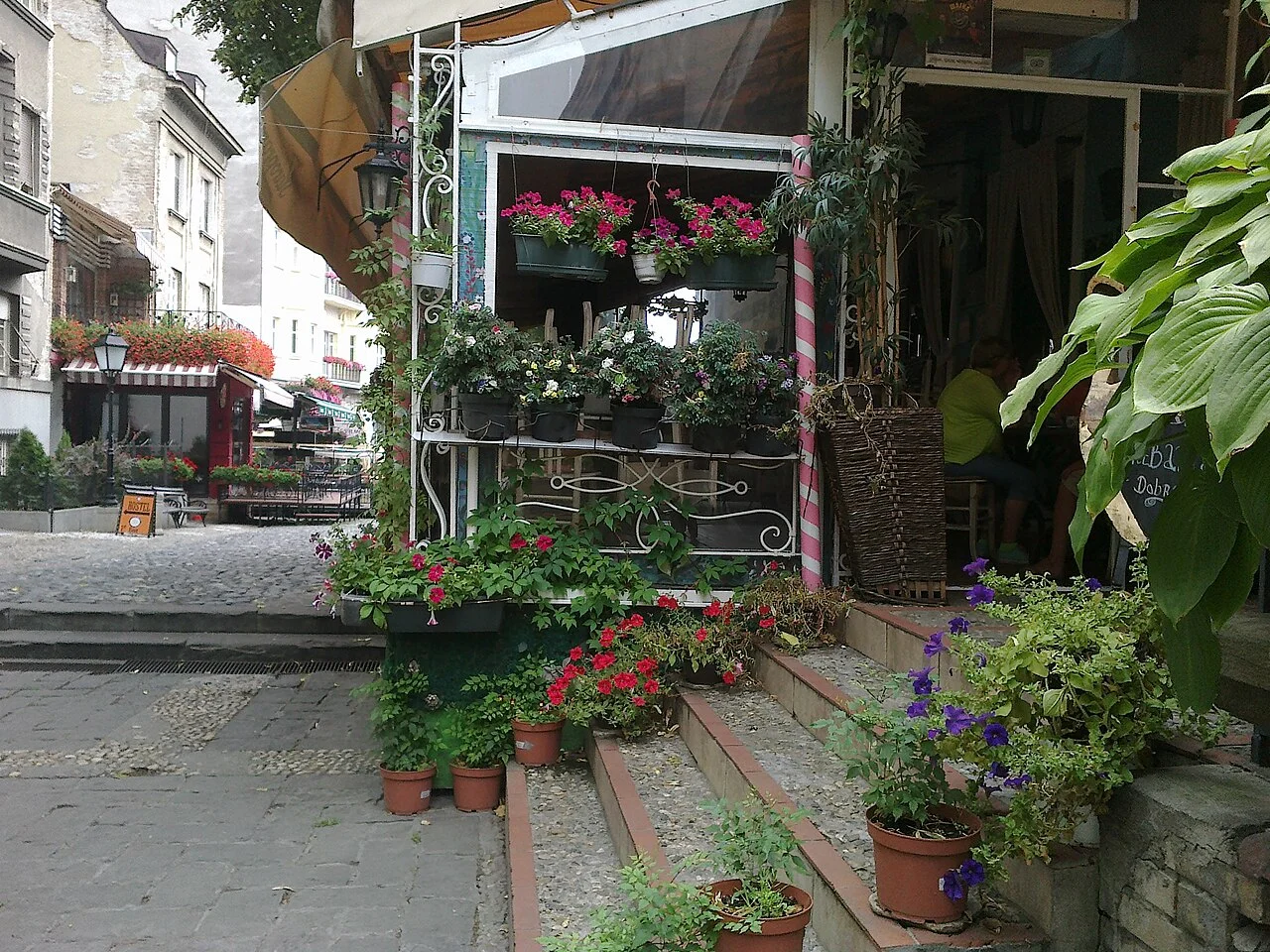
Skadarlija appears as a separate neighbourhood stop in the Belgrade tourism selection. If spending the evening here, discuss the energy remaining after the central walk and whether companions want to sit down. The street photograph from 2014 shows stone paving, older fronts and greenery, not a claim that identical businesses are open today. A short neighbourhood stroll and a lengthy dinner are different choices. Knowing which one you want beforehand can prevent the final part of the visit becoming an unplanned search for an address.

When choosing dinner, ask about current menu and service hours alongside indoor or outdoor seating. Music, quiet conversation and a quick meal are not identical expectations. If finishing late, consider the return to accommodation before sitting down; do not assume transport follows the same arrangement throughout the day. A companion returning earlier can agree on a separate departure point. The Tatilmerkezi Stork does not measure a full evening by the number of addresses reached. Giving those who want to sit and those who want to walk their own comfortable intervals can make the experience more meaningful.
Zemun and Gardoš: a different neighbourhood for day two
Treat Zemun as its own second-day section rather than a distant marker appended to an already full evening. National tourism material includes Gardoš in the Zemun setting; the photograph records a street there in April 2014. Decide how you want to walk on stone surfaces and slopes according to your own needs. A riverside pause and an uphill Gardoš walk may require different preparation. For a particular tower visit, confirm admission and access with its own source; a street photograph cannot establish conditions inside the tower.
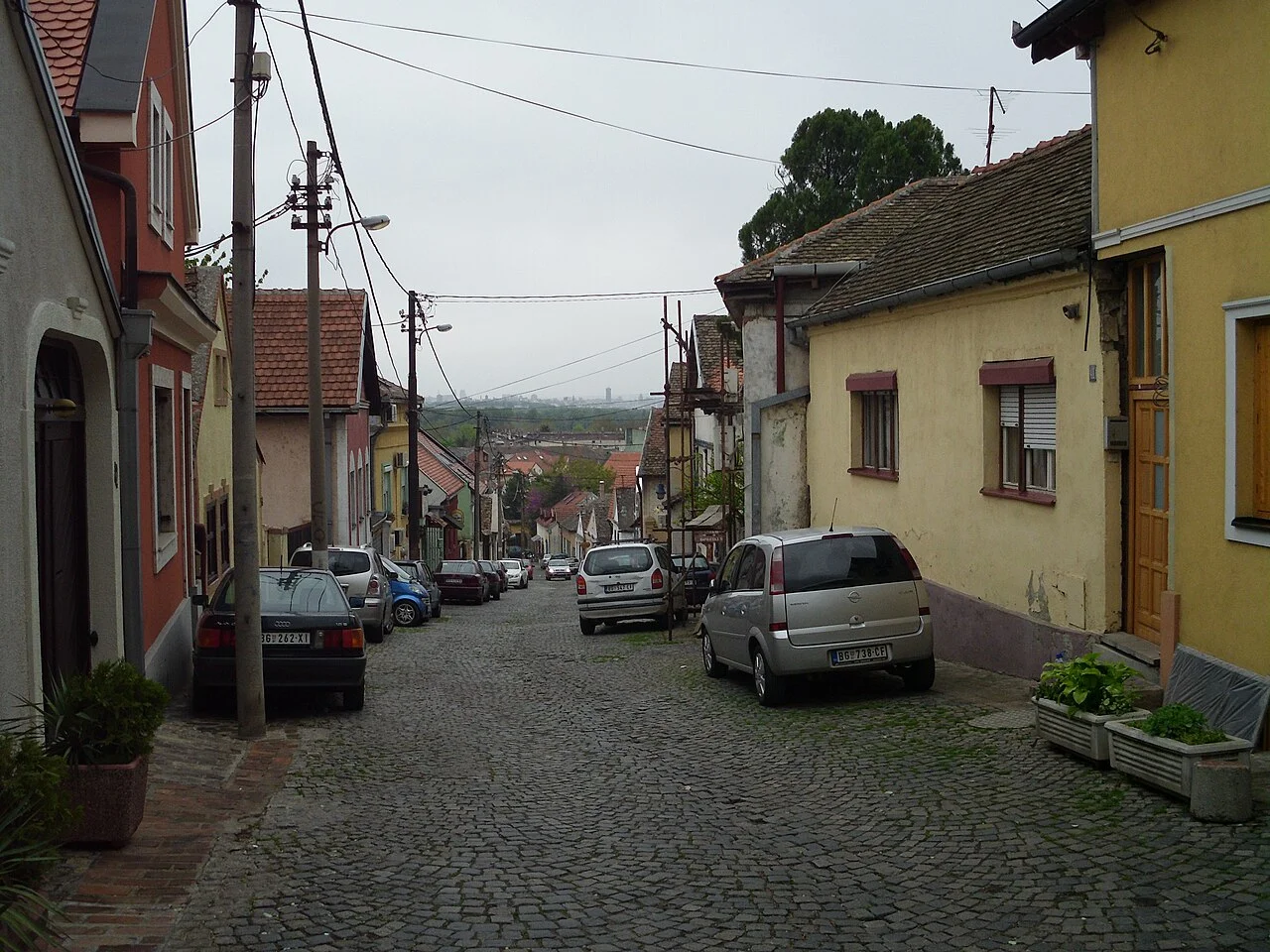

Leave separate time for transport, neighbourhood walking and a meal instead of adding too many stops. Visitors considering accommodation on the Zemun side should compare their first-day connection to the centre; centrally based visitors should consider their outward and return arrangements here. Both choices need not answer the same travel expectations. Research slopes and entrances ahead of time with a companion who has limited mobility. Rather than reducing Zemun to one landscape picture, pause in a street section to understand its neighbourhood scale. The second day's different rhythm can add another depth to the Belgrade visit.
Airport access, accommodation and a two-day order
Nikola Tesla Airport's official transport page lists A1 towards Slavija and line 72 towards Zeleni Venac as separate options. Confirm departures, stops and conditions for your date with the operator instead of generalising one connection's rules to all city transport. Plan which endpoint you will reach with luggage and how to continue to accommodation. Compare the centre, Skadarlija surroundings or Zemun through your intended day, nighttime return and actual address access rather than photographs alone. The airport journey is one practical task at the beginning, not the entire city programme.
A starting order: fortress surroundings and river view, a measured walk along Knez Mihailova, then an optional Skadarlija evening on day one. Choose Zemun and Gardoš on day two with flexible time afterwards shaped by your flight or onward connection. Read transport, selected admissions, food and accommodation as separate spending categories, checking current amounts. Protect time for luggage and the transfer on departure day. The Stork's Belgrade map is built from a few clear lines: two rivers, a fortress setting, different neighbourhoods and the moments where you actually want to stop.