
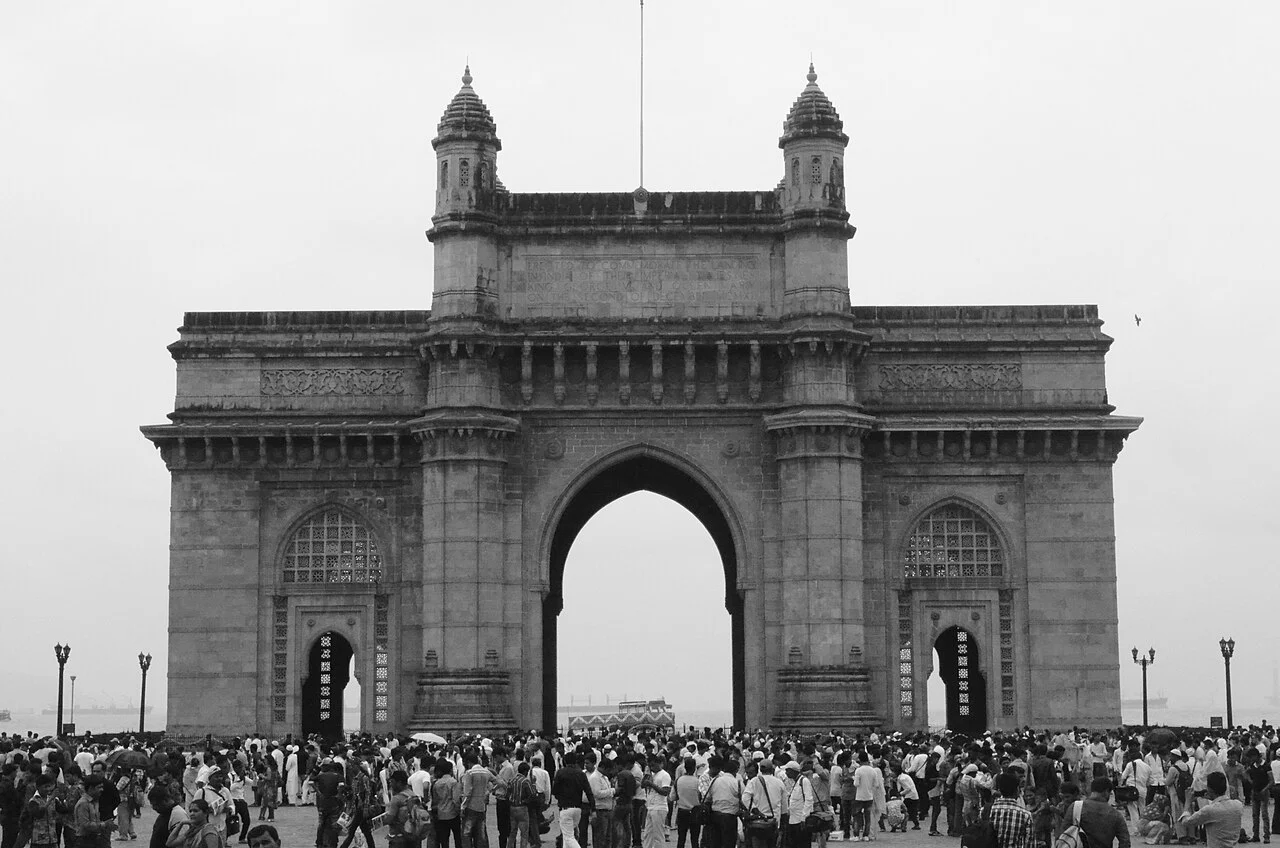
Mumbai, formerly Bombay, can initially seem like a city trying to live through the whole day at once. Traffic flows behind a waterfront monument while commuters establish another rhythm beside a historic station. The Tatilmerkezi Stork suggests three complementary days rather than simply more stops: southern history and coast on the first, an island visit on the second, and food with unfinished neighbourhood explorations on the third. This gives you a way to meet the city without running between large buildings all day.
Mumbai lies on the Arabian Sea in the Indian state of Maharashtra. Bombay and Mumbai are names used for the same city in different periods. A South Mumbai focus can provide a manageable start for a first visit. Fitting all northern and southern stops into one day turns short lines on a map into substantial journeys. When choosing a hotel district, consider the airport transfer as well as the places you want to see. Reserve arrival evening for settling in and a meal instead of an ambitious island programme.
Gateway of India: begin with the southern waterfront
The Gateway of India beside Colaba's waterfront makes an understandable starting point. Completed in 1924, the monument connects the idea of arrival by sea with Mumbai's identity as a port. It is a different structure from India Gate in New Delhi. Spend time noticing how the monument sits beside the water rather than only taking a front-facing photograph. Use it to orient a nearby walk. In a busy public area, agreeing on a place to reunite helps a group, particularly when travelling with children.
Treat the Gateway surroundings as a distinct southern section of your first day. A coffee or meal break afterwards may be more rewarding than piling on landmarks. The fact that boats to Elephanta depart in this area does not make an island excursion compulsory on the same day. If time is limited, remain on the city waterfront; if the island is a priority, give it the following day. The Stork's suggestion is to avoid turning a transport junction into the starting line of a sightseeing race.
Elephanta: a separate day for the island and caves
Elephanta Caves are not a street you can casually reach on foot within Mumbai. They occupy an island offshore. Maharashtra's tourism authority describes ferries from the Gateway of India and steps to reach the caves; its visitor information states that the caves close on Mondays. Check the actual boat operation and sea conditions for your visit rather than relying on an invented departure time or fare. An unhurried morning and adequate return time make the island experience easier to understand.
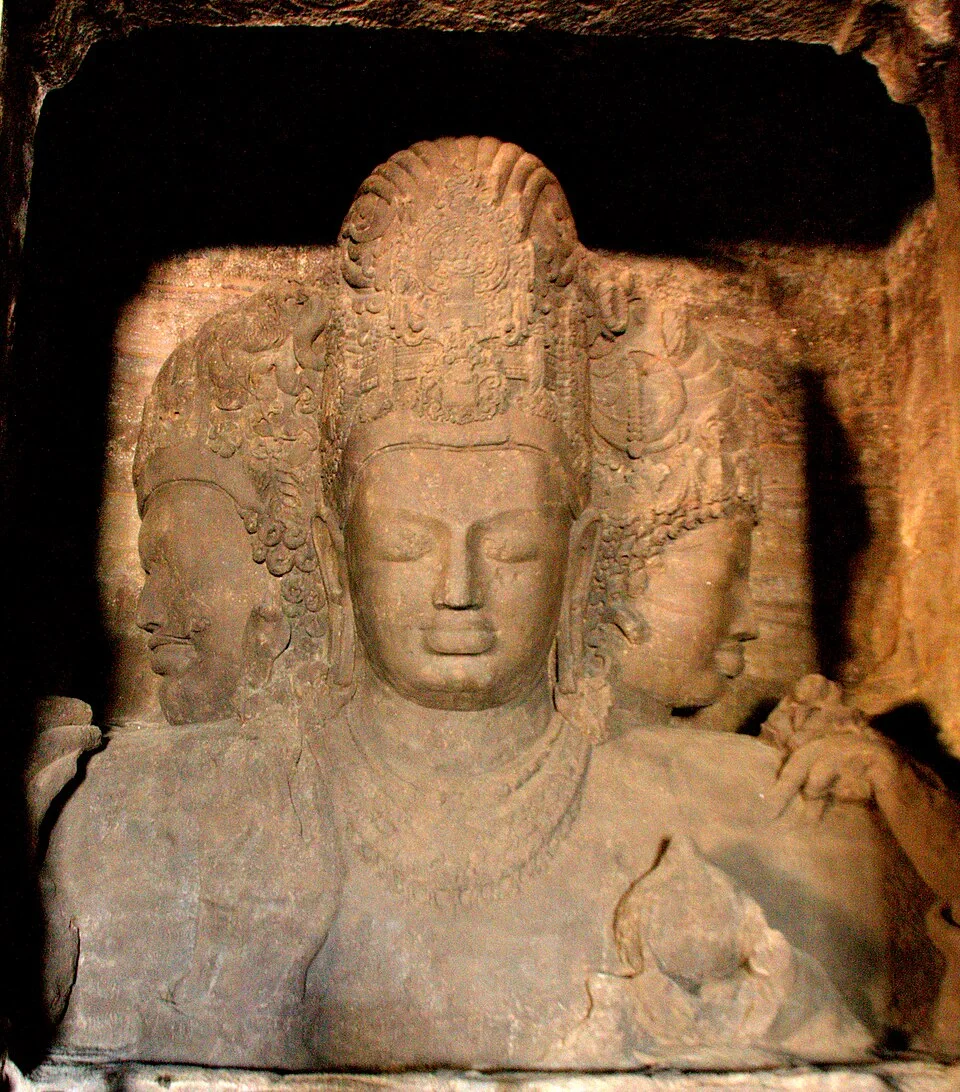

In front of the Trimurti relief, leave several minutes to notice details. Instead of photographing the same figure repeatedly, pay attention to the space, light and stone around it. Religious heritage deserves respectful visiting rather than treatment as a backdrop. Steps are a significant planning detail for a traveller with limited mobility. If the island walk does not suit the group's requirements, another heritage day in the city can be a better choice than trying to force everyone through an unsuitable programme. The route should serve its travellers.
Chhatrapati Shivaji Terminus: history still at work
The historic Chhatrapati Shivaji Maharaj Terminus, formerly Victoria Terminus, draws attention with its elaborate frontage. UNESCO records construction beginning in 1878 and continuing over ten years, describing a meeting of Gothic Revival and Indian architectural traditions. This is not simply an empty monument: its daily railway function also expresses the city's movement. Choose a safe place to observe the façade and avoid arranging photographs that block entrances or people trying to travel.
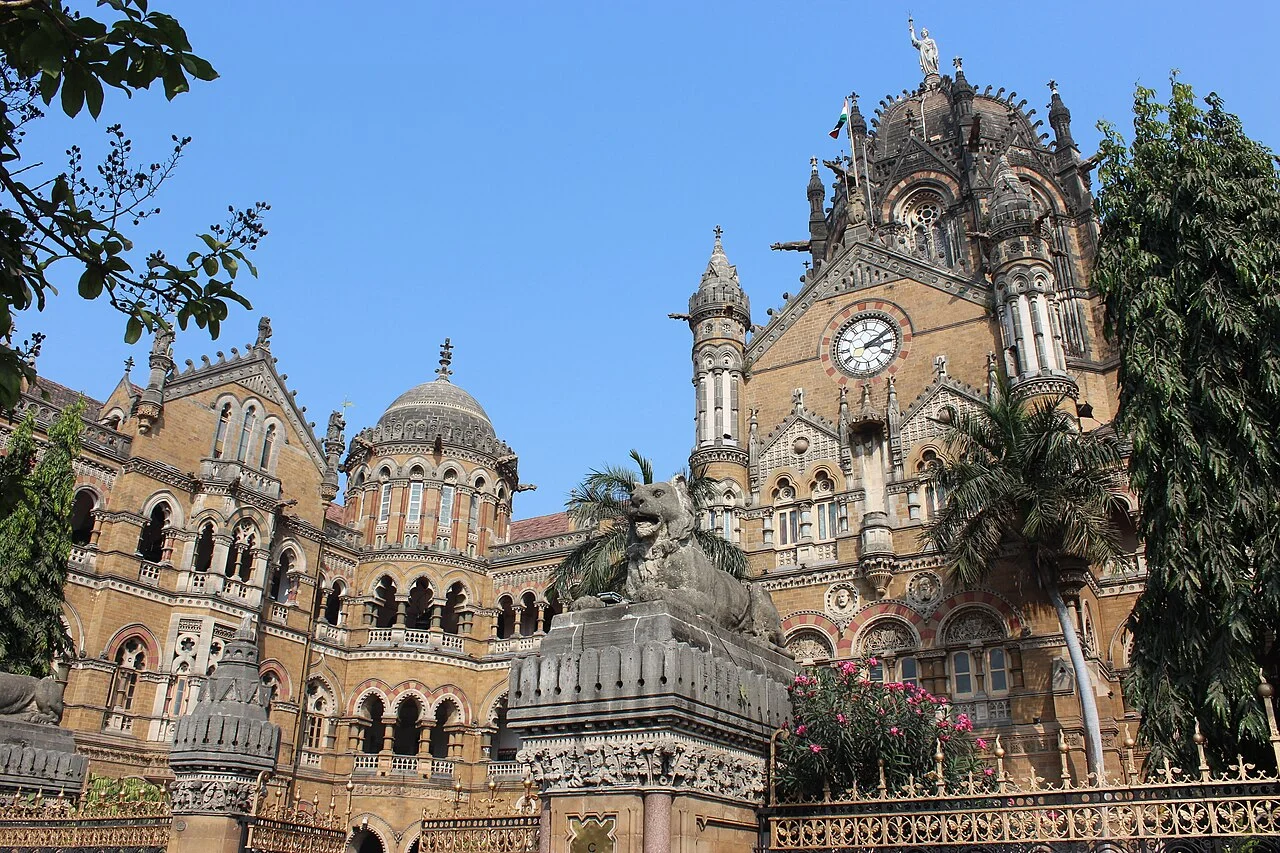

Looking at a building from outside and joining an interior tour are separate visits. This guide suggests viewing the frontage and makes no promise of unrestricted access to special areas. Combine the station stop with the South Mumbai day without turning the subsequent meal and waterfront break into deadlines. A few personal notes after seeing it can make a more lasting memory than trying to memorise every architectural term. Nor does a historical picture establish the exact layout of today's surroundings.
Marine Drive: leave room for a waterfront pause
Marine Drive's curving waterfront offers a different rhythm after monuments and railway architecture. The Queen's Necklace name relates to its illuminated appearance at night. The dated image here also shows a night view; it is not labelled as a daylight beach or a swimming area. Include Marine Drive as an idea for sitting beside the sea and walking. A promenade's proximity to water does not establish that swimming is appropriate at every point along it.
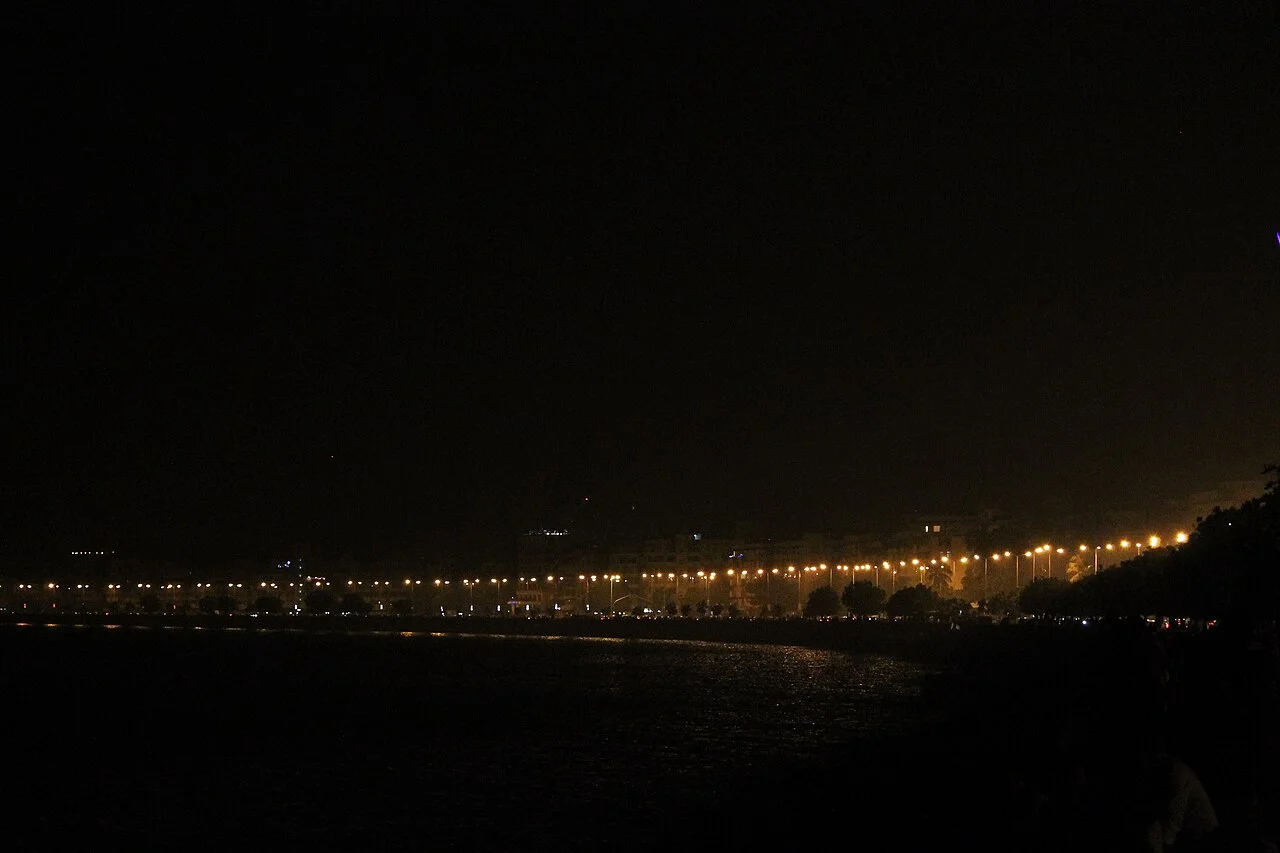

A long walk is not mandatory at the end of the day. A short section and a rest can be enough. In hot conditions consider water and shade breaks; in rain keep an indoor alternative. Mumbai's monsoon period can alter sea and transport conditions. A romantic image of the waterfront should not take precedence over safe distance and local directions in rough weather. Leaving Marine Drive as a flexible part of the programme can be more useful than adding further sightseeing stops to an already crowded day.
Mumbai food: start your curiosity with vada pav
Vada pav brings a fried potato filling and bread together in a snack strongly associated with Mumbai. Pav bhaji provides another meal idea through spiced vegetables served with bread. They are not alternative names for the same food. Modest portions leave room for comparing tastes over the day. A vada pav pause between walks and a separate seated pav bhaji meal can balance appetite and sightseeing without turning the food programme into a test of how much you can eat.
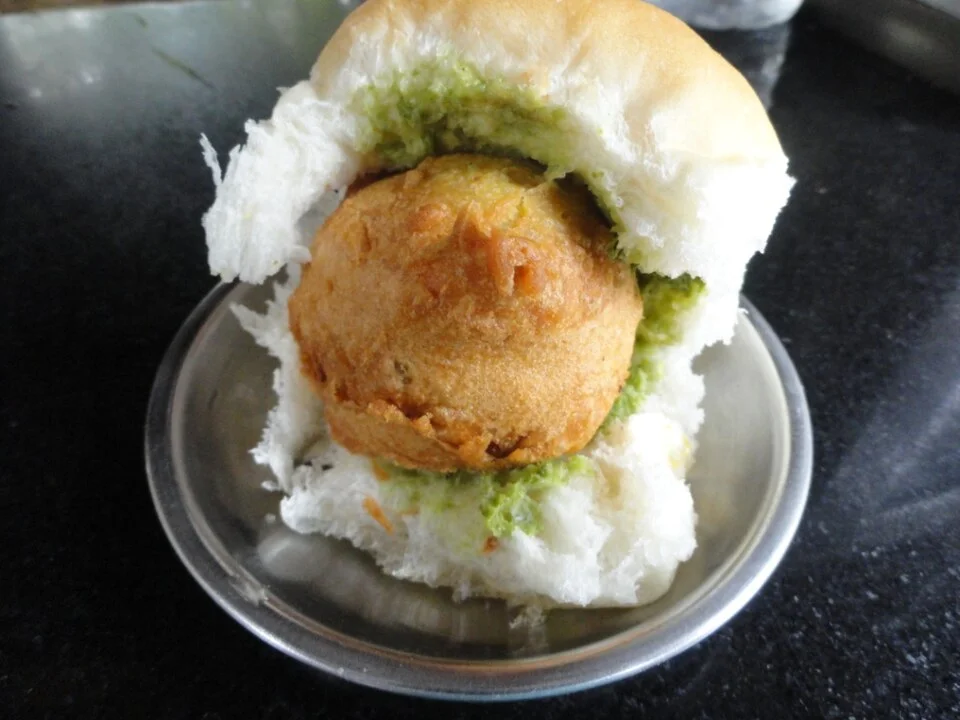

Travellers interested in seafood may also encounter bombil fry through the Koli culinary tradition. Although bombil is known in English as Bombay duck, it is fish rather than duck meat. For vegetarian travellers or people with allergies, actual ingredients and preparation matter more than what a name seems to suggest. Choose a few specific tastes and connect them to meals in the areas you explore. Travelling to a distant district for every dish can fragment both the city experience and the food during a short holiday.
A three-day outline and an accommodation base
On the first day connect the Gateway area and historic station within a South Mumbai focus, leaving Marine Drive as a flexible waterfront pause. Give the second day to Elephanta when boating and visit conditions suit, without adding another demanding evening excursion. Use the third for food, shopping or a neighbourhood you passed through too quickly. This is a suggested balance rather than an hour-by-hour requirement: it recognises the different needs of an island visit, city sightseeing and rest.
An initial base around Colaba or Fort fits the heritage emphasis of this outline. If you choose accommodation farther north, calculate each day's journeys separately rather than overlooking lengthy returns because of a room price. Identify a city trip's endpoint and return option before setting out. You cannot exhaust Mumbai on a first visit. The Tatilmerkezi Stork suggests meeting one part attentively each day: sea, history and food complement each other when you make room for them. Primary references were checked on 4 October 2026; no current fares or guaranteed departure times are invented here.