
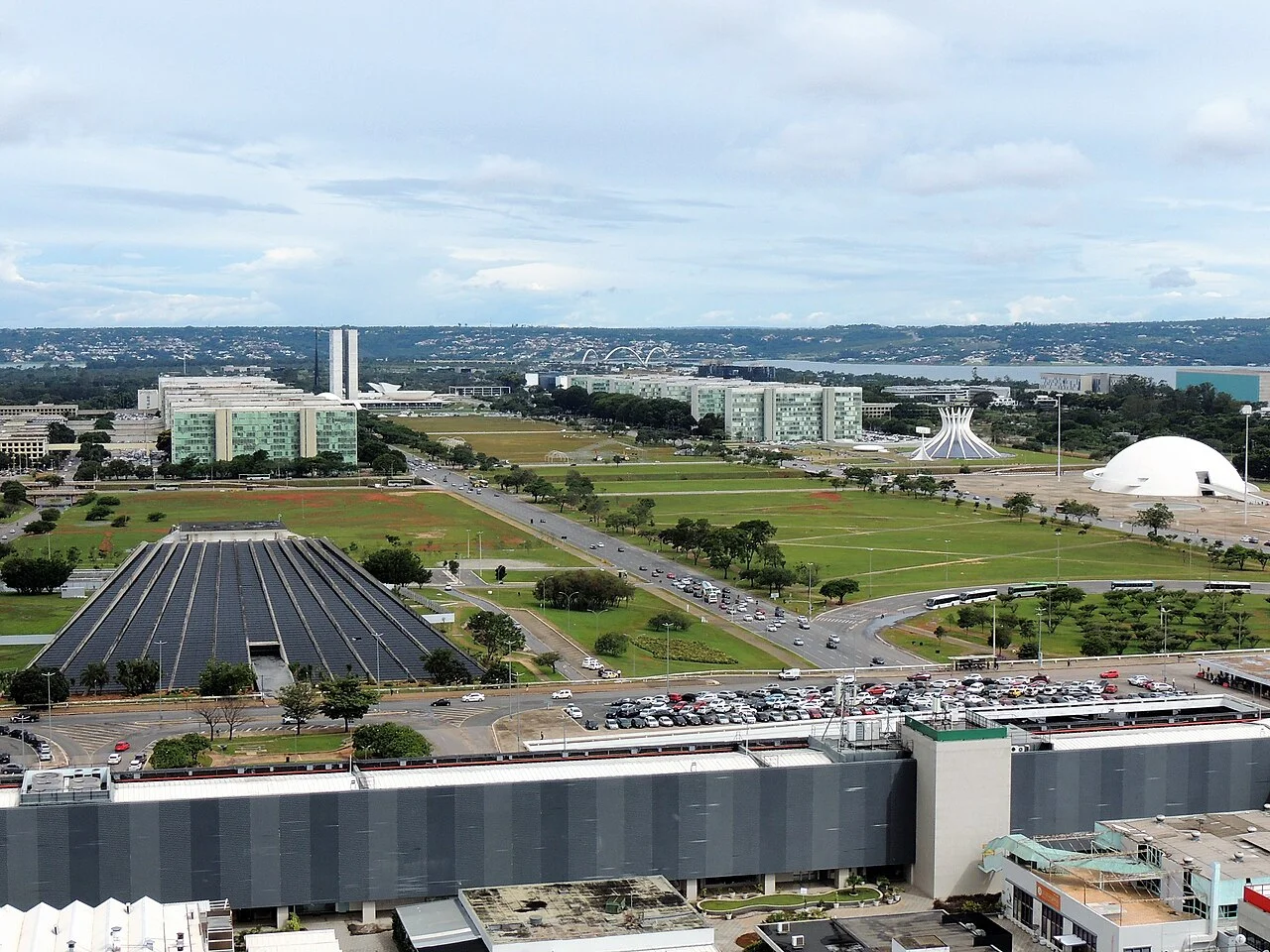
In Brasília, it can feel as though you are standing inside a large urban drawing rather than at the centre of a single square. Tatilmerkezi’s Stork suggests exploring that drawing through three different rhythms: monumental buildings, neighbourhood life and the vegetation of the Cerrado. The capital’s inauguration in 1960 provides an important starting point for understanding its modern city idea. Yet a visit should not become only a list of architectural names. A day around Eixo Monumental, a calmer section beside the lake and park, and a separate morning in the Botanical Garden offer different scales of discovery. Open spaces and distances belong to the itinerary too: two adjacent map markers should not automatically be treated as a short walk.
Plano Piloto: understand the two axes
Lúcio Costa’s Plano Piloto arrangement relates Eixo Monumental to the residential northern and southern wings. This explains why Asa Norte and Asa Sul recur in accommodation and restaurant research. Choose only one axis section for your first day to make the city’s scale more manageable. Mark a starting point, a lunch pause and a return address on the same plan. If reaching one building requires a separate journey, connect another nearby stop to that section instead of repeatedly crossing the city. A panorama from above gives a useful sense of orientation, but it cannot explain all the crossings and approaches at street level. Combining walkable sections with appropriate vehicle transfers allows the design of the city to shape a practical discovery rather than an exhausting attempt to join every landmark on foot.
Eixo Monumental and the cathedral: divide the architecture into sections
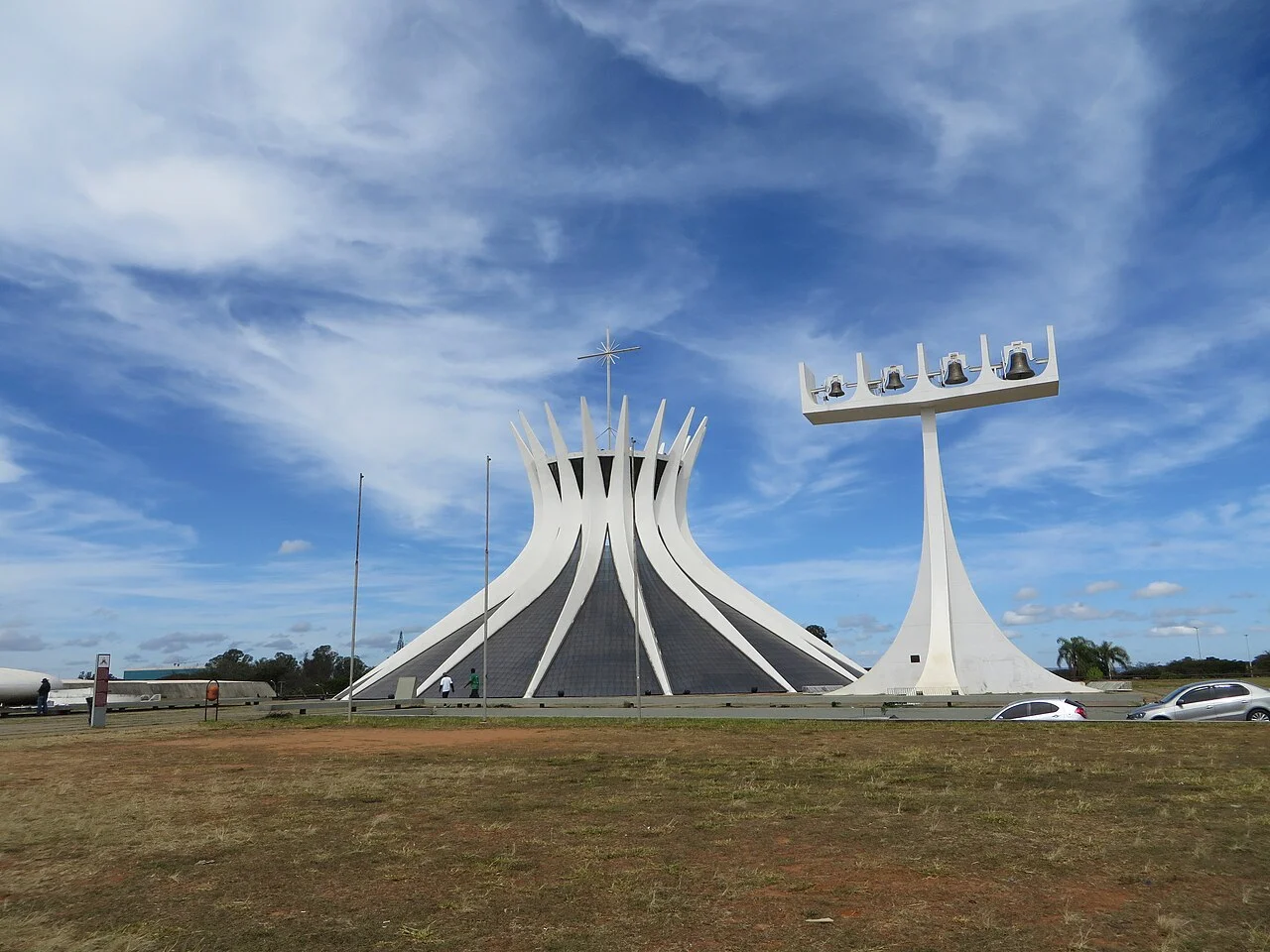
The National Congress, the area around Praça dos Três Poderes and Brasília Cathedral are central subjects to research along the monumental axis. Begin by examining the cathedral’s exterior and its relationship with the sky and surrounding open ground. Then move to another building group rather than treating the whole axis as one continuous walking street. Institutional interiors and entry arrangements can change, so an independent outdoor plan keeps the day flexible. Compare the broad city panorama with the closer exterior image of the cathedral: one describes the layout, while the other focuses on the form of an individual structure. The Stork recommends trying these two ways of looking in sequence. Architecture then becomes something remembered through distance and scale as well as a famous name.

Parque da Cidade: move from monuments to green space
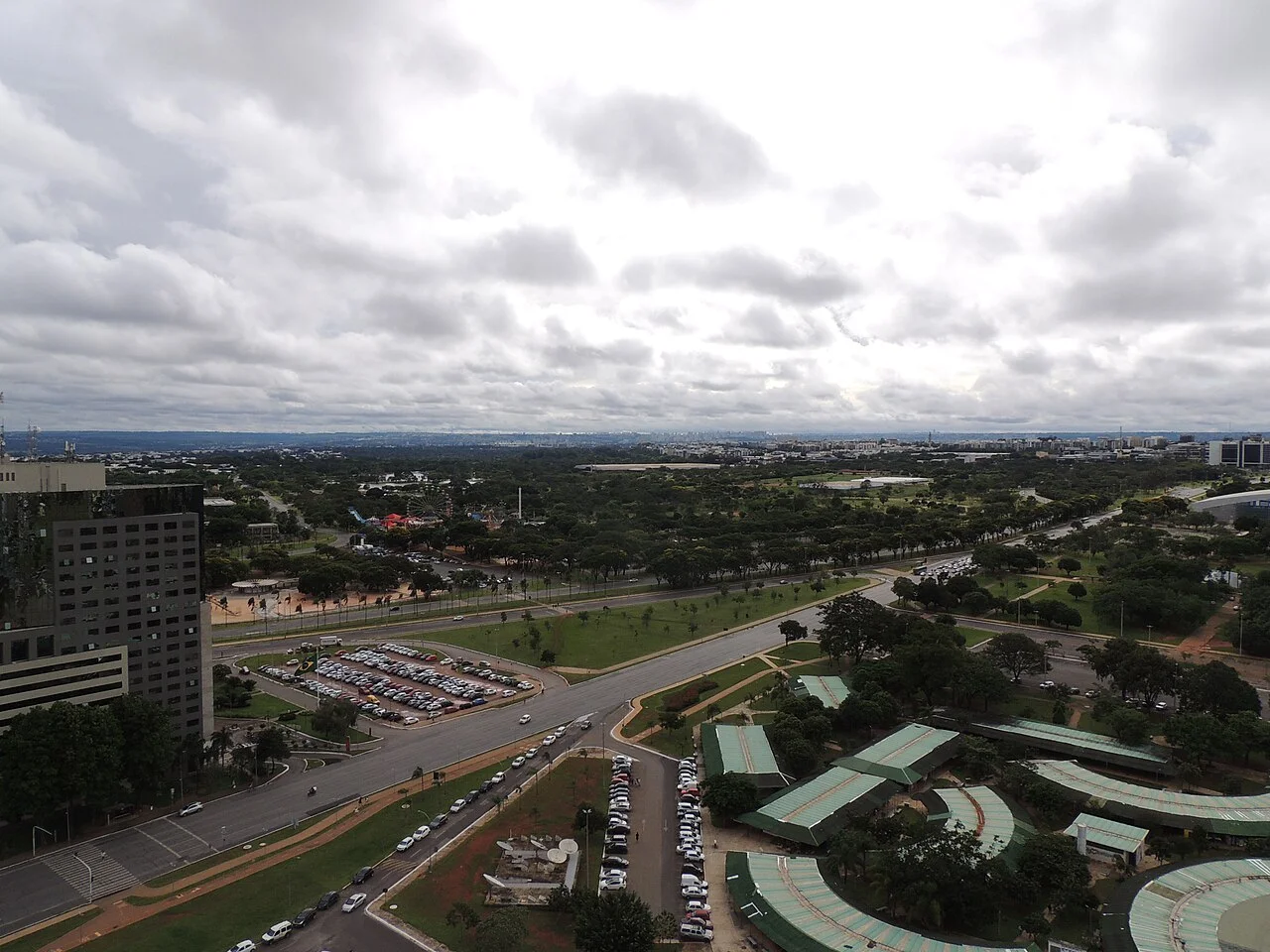
Parque da Cidade Dona Sarah Kubitschek is a large city park to consider for an outdoor pause. Adding a park section after a day of architectural stops changes the pace of the trip. Select a walk around a useful entrance and return point rather than trying to cover the entire park. A meal break or a small picnic can belong to this section too; it is more than empty space between buildings. The dated photograph shows a broad city view towards the park, not a promise of a particular playground or sports facility inside it. Travellers with children may find it easier to group activities within one section instead of moving repeatedly from one end to another. A quiet green interval also provides a contrast to the powerful scale of the monuments.

Paranoá: choose one shore rather than circling the lake
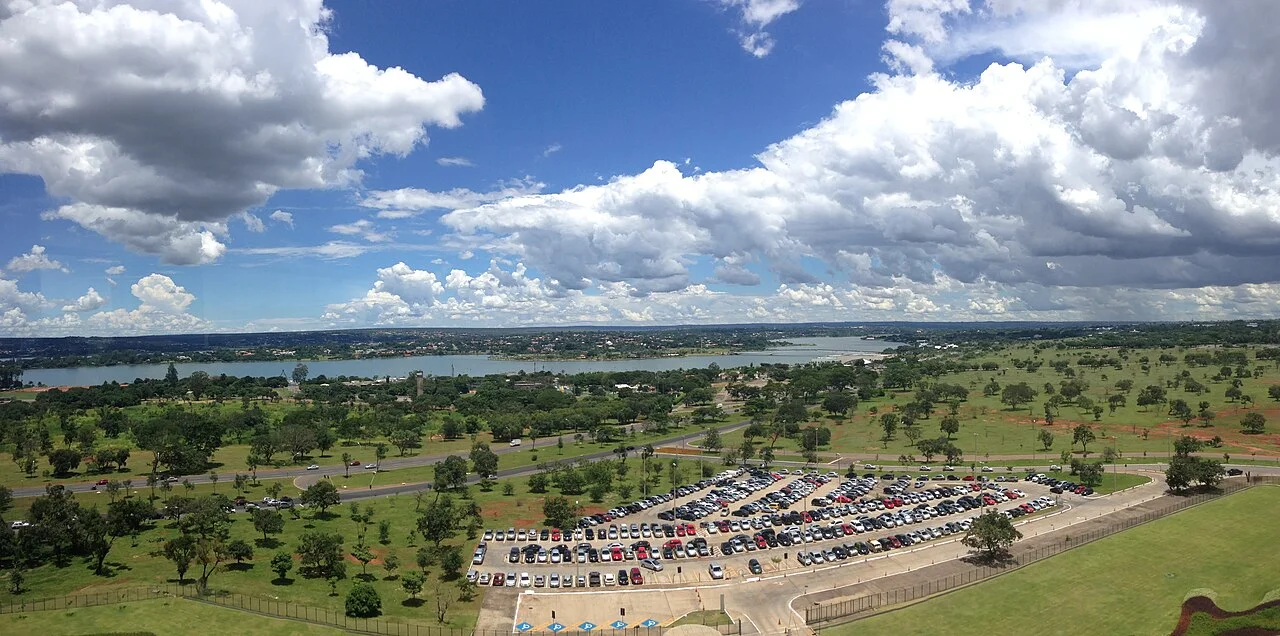
Lake Paranoá offers another way to understand the relationship between Brasília and its open surroundings. Pick one section of shore, then keep a meal or drink pause in that area rather than trying to circle the whole lake. The official destination guide points to restaurants and bars beside the water; it does not establish that every part of the shoreline is a continuous visitor path. Identify the start and return using exact addresses. The lake photograph was taken from a high building and illustrates the wider landscape. It does not recommend visitor access to the photographer’s position. If water sports are part of your purpose, treat them as a separate activity with their own preparation and service research. Sitting by the water and observing the city’s outline can equally form the complete focus of this section.

Botanical Garden: give the Cerrado a separate morning
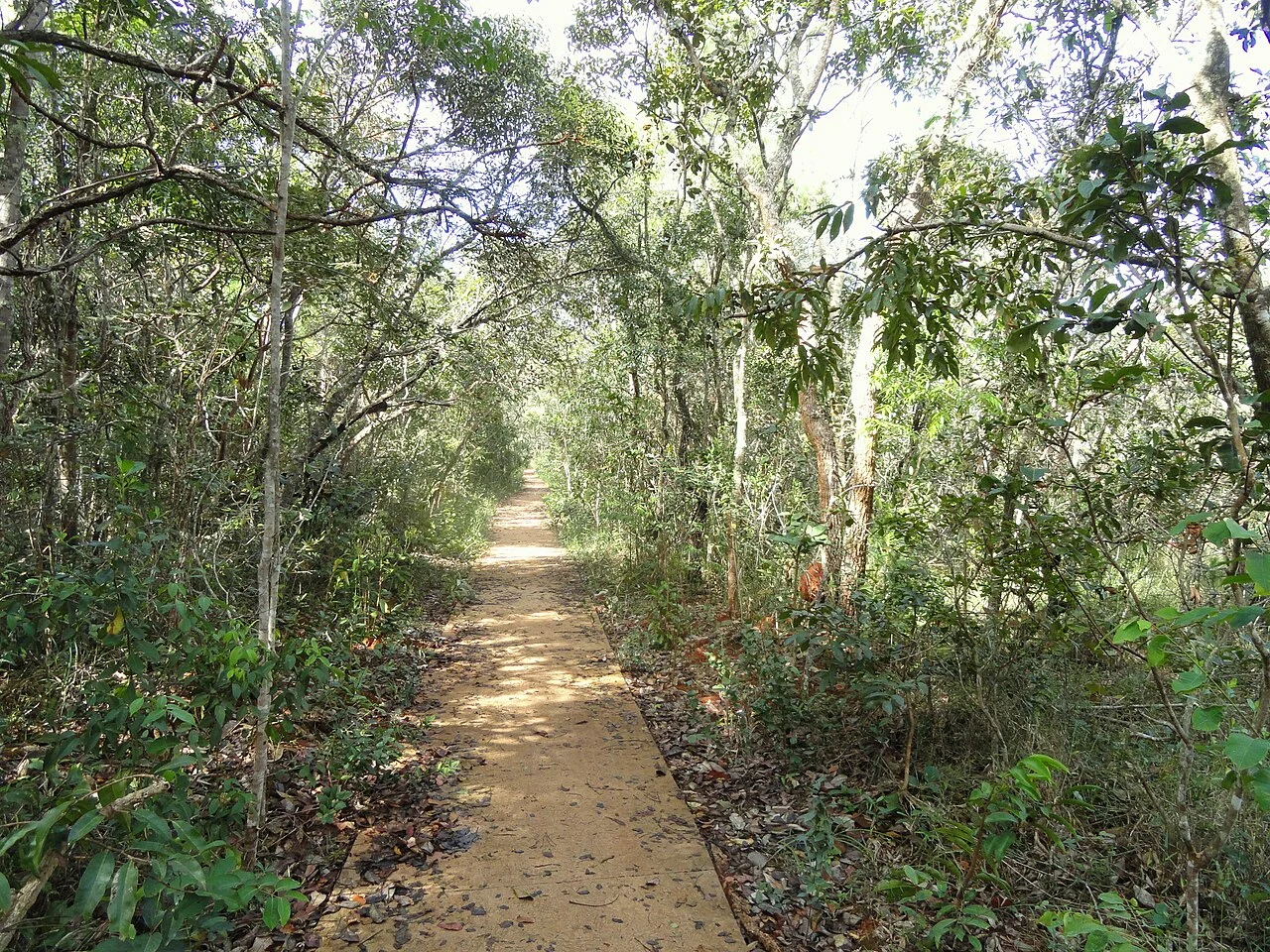
Jardim Botânico de Brasília provides a different start to a day, centred on understanding the Cerrado vegetation around the capital. The institution’s current trail page distinguishes Trilha Mater, Trilha Ecológica and other options. Trilha Ecológica is identified for pedestrians; cyclists should select a route appropriate to their activity instead. Choose a trail and observe how the plants change along it, rather than squeezing every collection into the same morning. The photograph in this guide shows a general garden walkway and is not assigned to one specific named trail. Think of the day as three sections: arriving at the garden, walking, and returning. Giving the natural area its own subject, instead of treating it as a random extension of the modern city tour, makes another side of Brasília easier to appreciate.

The city at the table: a meal beyond one region
Brasília’s food scene brings together traditions from different parts of Brazil. Official tourism documentation mentions regional options such as pão de queijo, carne de sol, tapioca and feijão-tropeiro as examples of that variety. Consider them as names to research in the city rather than as a single recipe unique to Brasília. A small coffee and pão de queijo pause on one day and a larger main meal on another distribute the tasting opportunities. When arranging dinner in Asa Sul or Asa Norte, mark the restaurant’s numbered block address carefully. Knowing the neighbourhood alone may not be sufficient to identify its door. Connect the evening meal to your return route so the final part of the day does not require another long journey across the city solely to reach the table.
Transport, accommodation and a three-day structure
Visitors prioritising the monumental axis can begin their accommodation research with the central hotel areas. Asa Sul and Asa Norte can instead be assessed alongside everyday meals and neighbourhood walks. Compare the exact room address with the places you plan to visit. Rather than relying on one means of transport for everything, combine shorter walking sections with suitable vehicle transfers. Our suggested structure gives the first day to a selected architectural group on the monumental axis, the second to the park and one lake shore, and the third morning to the Botanical Garden. With only two days, remove either the garden or lake section rather than rushing through every stop. For the Stork, Brasília is not a drawing to complete in a day. It is a journey through the ways urban design, daily life and the surrounding natural landscape complement one another.
UK FCDO travel advice for Brazil checked on 5 October 2026 advises avoiding election-period demonstrations. Adapt monumental-axis plans to current local directions; choose another day when crowds or institutional closures affect the visit.