

Bristol offers two memorable levels of sightseeing: an unhurried walk beside the water and a view across the Avon Gorge from Clifton. Connecting them makes a rewarding city break, but the journey is not as short as moving between two photographs. Tatilmerkezi's Stork suggests giving the centre and harbour one day, with a more flexible second day for Clifton. If ships interest you, allow a proper visit to the SS Great Britain; if small independent shops appeal, leave room for St Nicholas Market. This guide is a suggested itinerary rather than a fabricated personal travel diary. Its purpose is to help you find the version of Bristol that interests you most.
Floating Harbour makes a useful first walking loop
The Floating Harbour provides a natural starting point. Small craft, waterside paths and older dock buildings bring several layers of the city into the same scene. Check bridge connections on the map before assuming that a building visible across the water is immediately reachable. You do not have to complete an entire harbour circuit on the first day. A compact loop from your accommodation can work well, especially with a cafe or open-space break built into it.


The attraction of a waterfront walk is that you can spend time beside the water without purchasing an activity at every stop. If you want a boat journey, plan it separately: not every landing offers the same trip, access arrangements or ticket conditions. Keep the walking route clear when photographing and follow local notices near the water. Wind, rain or a short autumn day can be good reasons to shorten the loop. The harbour photograph here is from 2018 and does not promise that the same boats remain in the same positions today.
SS Great Britain deserves more than an outside photograph
Looking at the SS Great Britain during a harbour walk and entering the ship-and-museum experience require different amounts of time. The current operator presents the wider site as Bristol Dockyards, with the SS Great Britain experience alongside sections exploring Brunel and the historic dockyards. Check the ticket scope, visit date and access map directly, then reserve a meaningful time slot. For an interested visitor, squeezing a ship visit between two quick coffee stops may leave too little time to understand the experience.
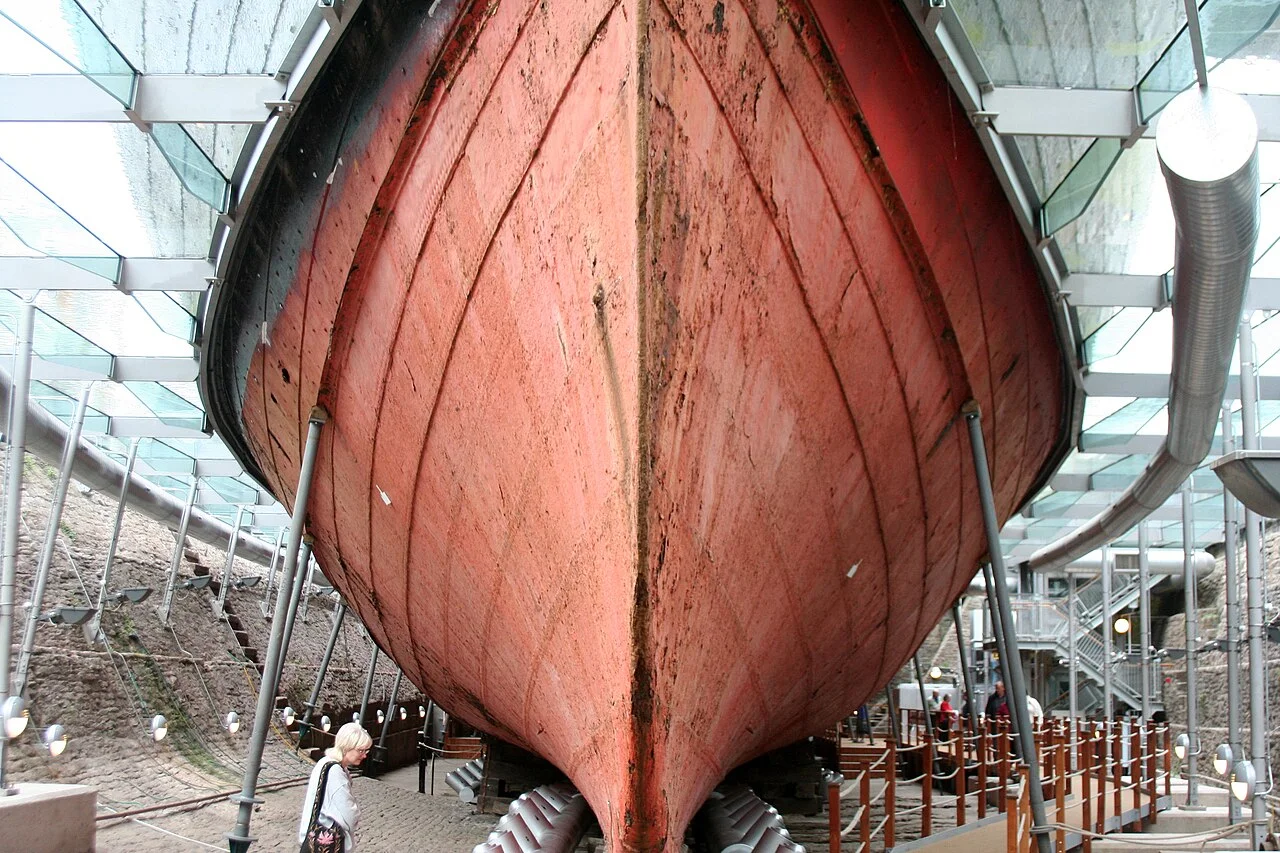

The photograph in this guide shows the hull in its dry dock in 2006. It helps illustrate the vessel's construction rather than guaranteeing access to every element of an unchanged display today. Consider narrow spaces, steps and connections between levels in relation to your mobility needs. With children, include time for rest and practical breaks. An interest in history does not require completing every display: spending longer with the part that captures your attention can be more satisfying than rushing through all of them.
The cathedral and College Green add a quieter pause
Bristol Cathedral provides a meaningful transition from the waterfront towards the historic city centre. Seeing the facade and surroundings is different from making a detailed interior visit. Worship, concerts or other events can change visitor arrangements; an open door is not a blanket invitation to every area. Consult the cathedral's current visitor information and respect quiet behaviour and photography guidance inside. Looking closely at a few architectural details can be more memorable than trying to absorb an entire historical chronology.
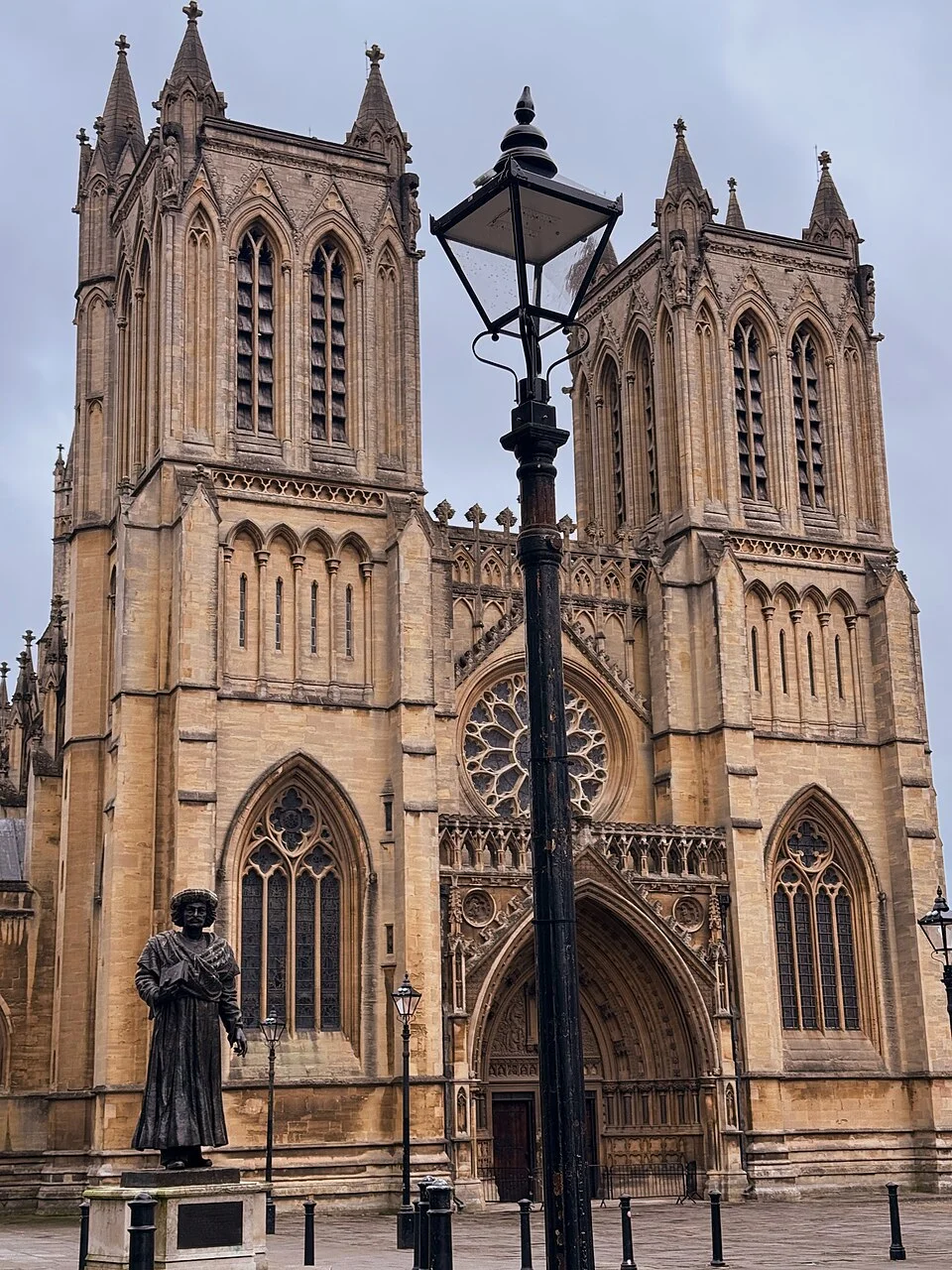

Use the College Green area as a pause between harbour and old-city stops. In suitable weather, a short outdoor rest helps balance the day; in rain, bringing an indoor visit forward may work better. Find a photographic position that does not interrupt people's movement. The 2025 cathedral image shows the facade and a statue in the surrounding area. It illustrates the setting without supplying current information about worship services or guided-tour availability.
St Nicholas Market combines lunch with small discoveries
St Nicholas Market around Corn Street brings independent shops and food into an old-city walk. The city council distinguishes areas including the Covered Market, Exchange Hall and Glass Arcade. You may find yourself looking at books or handmade items, then staying longer than expected in the food area. It is more useful to allow room for that than to treat the market as a doorway to photograph and leave. Outdoor market events and the indoor market do not necessarily operate on identical days.
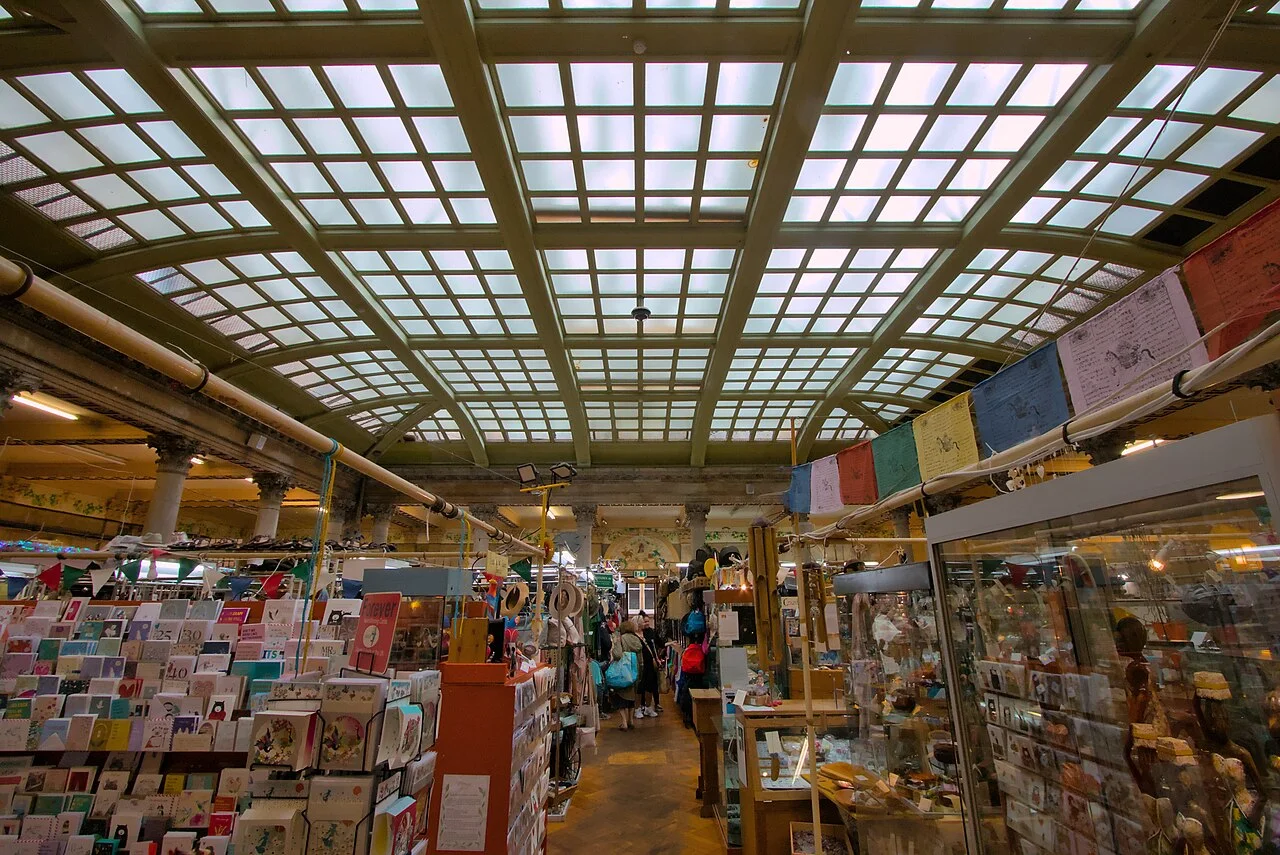

There is no need to hunt for one compulsory Bristol dish here. The range of cuisines is part of the contemporary city experience. Ask about portion size, ingredients and allergens when deciding what to eat. At a busy lunchtime, checking where you can sit or stand before purchasing may make the stop easier. Confirm current opening and event details with council information. The indoor photograph is a 2023 archive view of the market arrangement; it should not be read as a definitive list of today's traders.
Let Clifton Suspension Bridge anchor the second day
Clifton Suspension Bridge creates one of Bristol's best-known views above the Avon Gorge. Plan the connection from the centre as a real journey, considering walking distance, gradients and how you want to return. Once nearby, use safe public viewpoints instead of feeling pressure to reproduce one exact photograph. Do not confuse conditions for vehicle crossings with pedestrian visiting. If your plan includes a guided visit, an event or the visitor centre, check the bridge's official current arrangements separately.
Combining Clifton with a cafe stop and a relaxed neighbourhood walk can work better than adding several distant attractions. Do not cross barriers or stand unsafely beside a road for a gorge photograph, and allow the weather to change your plan. You need not repeat a lengthy walk merely to take the bridge at a different time of day. With limited time, prioritise between Clifton and a longer harbour-and-ship visit according to your interests. Both reveal important, but different, sides of Bristol.
Arrival, accommodation and a practical two-day outline
If arriving by train at Bristol Temple Meads, examine the final connection to your accommodation separately. Airport travel, city buses and harbour outings should not be assumed to share one ticket arrangement. Use regional Travelwest information and the relevant operator's current details; this guide does not lock in a fare or service number. If driving, investigate parking costs, your hotel's parking terms and current urban transport arrangements before booking. Moving and parking a car at every central stop can fragment a walking day unnecessarily.
For a first visit, convenient access to the harbour and older centre may be more useful than a dramatic room view. If choosing accommodation in Clifton, account for the outward and return journey on the day spent downtown. Assess noise, stairs, luggage access and the evening return route alongside the map and property information. Build day one around the Floating Harbour, cathedral area and St Nicholas Market; if the ship is a priority, make it the main paid visit of that day. Give Clifton generous time on day two. The Stork's Bristol suggestion is to enjoy the water-level city and the gorge-level landscape at their own pace, rather than racing to complete both.