
Think of a Budapest food itinerary as three different tables opening within the city, rather than a compulsory list to finish. The Tatilmerkezi Stork suggests getting to know market products, sitting down for a main meal, and leaving the sweet stop for a separate walking break. Lángos, gulyás and kürtőskalács can fit into a visit, but they do not need to follow each other immediately. This guide focuses on a balanced food day and an adaptable second day, rather than repeating the city's full sightseeing itinerary.
One morning could begin around the Great Market Hall on the Pest side. Separate looking at products, buying something to take away and eating a prepared meal. The first introduces the food setting; the second depends on luggage and the return journey; the third determines where the day's substantial meal belongs. The Stork's small trick is to choose which encounter deserves the role of a meal and which suits a smaller interval, instead of ordering every recognised flavour as soon as it appears.
Begin the day around the Great Market Hall
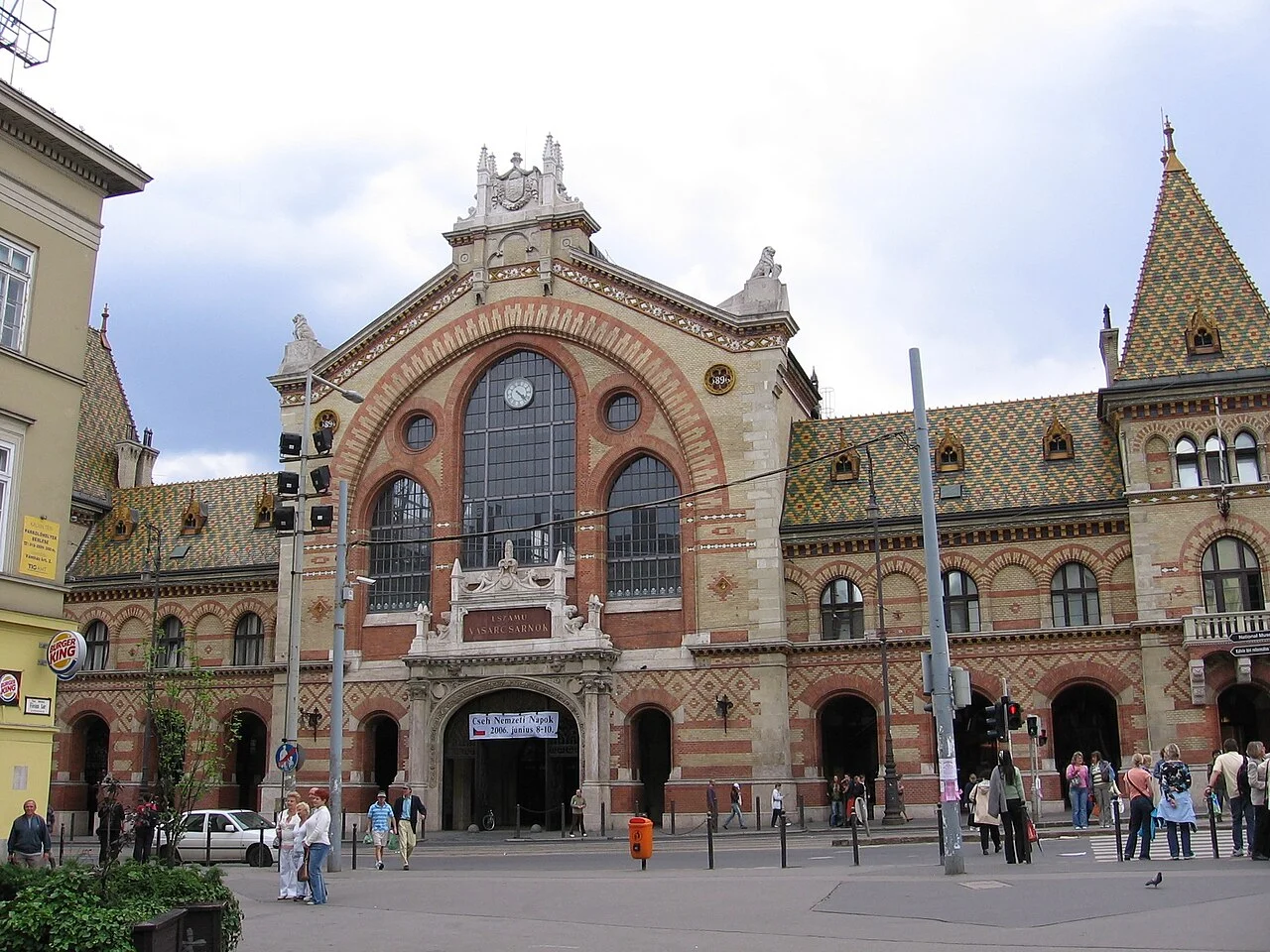
The Great Market Hall is a historic market building at its Vámház körút address. Choosing an open part of the day for this first section can connect products on display with dishes you might eat later. Paprika becomes something to consider as a product rather than only a word on a menu. The cover is an exterior photograph from June 2006. It provides the historic architectural setting, without indicating the hour when the doors open today. Arrange the visit using current market-operator information.
Give this section a beginning and an ending. Looking around before making a decision is as straightforward as buying from the first stall, but allows a more considered choice. A spice to take home and a hot dish to eat that day serve different needs. Travelling companions do not necessarily have to buy the same product or choose an identical meal. Leaving a short city walk after the market helps the next food stop become an actual meal rather than another item immediately behind the previous one.
Lángos: a substantial pause between walks
Lángos is associated with a fried dough base; garlic, sour cream and cheese are familiar accompaniments. Give it the role of a substantial interval rather than imagining a tiny, light mouthful. Sharing may be an option depending on how you order, while moving it to another day may suit an itinerary with a main meal nearby. The image shows a cheese-and-sour-cream example at a Budapest Easter market in 2013. It is not presented as the dish of a named seller inside the Great Market Hall.


During a short break, time between meals matters alongside distance between locations. After choosing lángos at midday, consider the evening meal accordingly; there is no requirement to order it immediately before a full gulyás meal. Starting with a familiar version can help you notice texture and accompaniments more clearly. The largest collection of additions on one plate does not automatically create a better food experience. A useful street-food interval leaves room for the next walk without turning that walk into an obligation after another oversized meal.
Gulyás: a reason to sit down for a meal
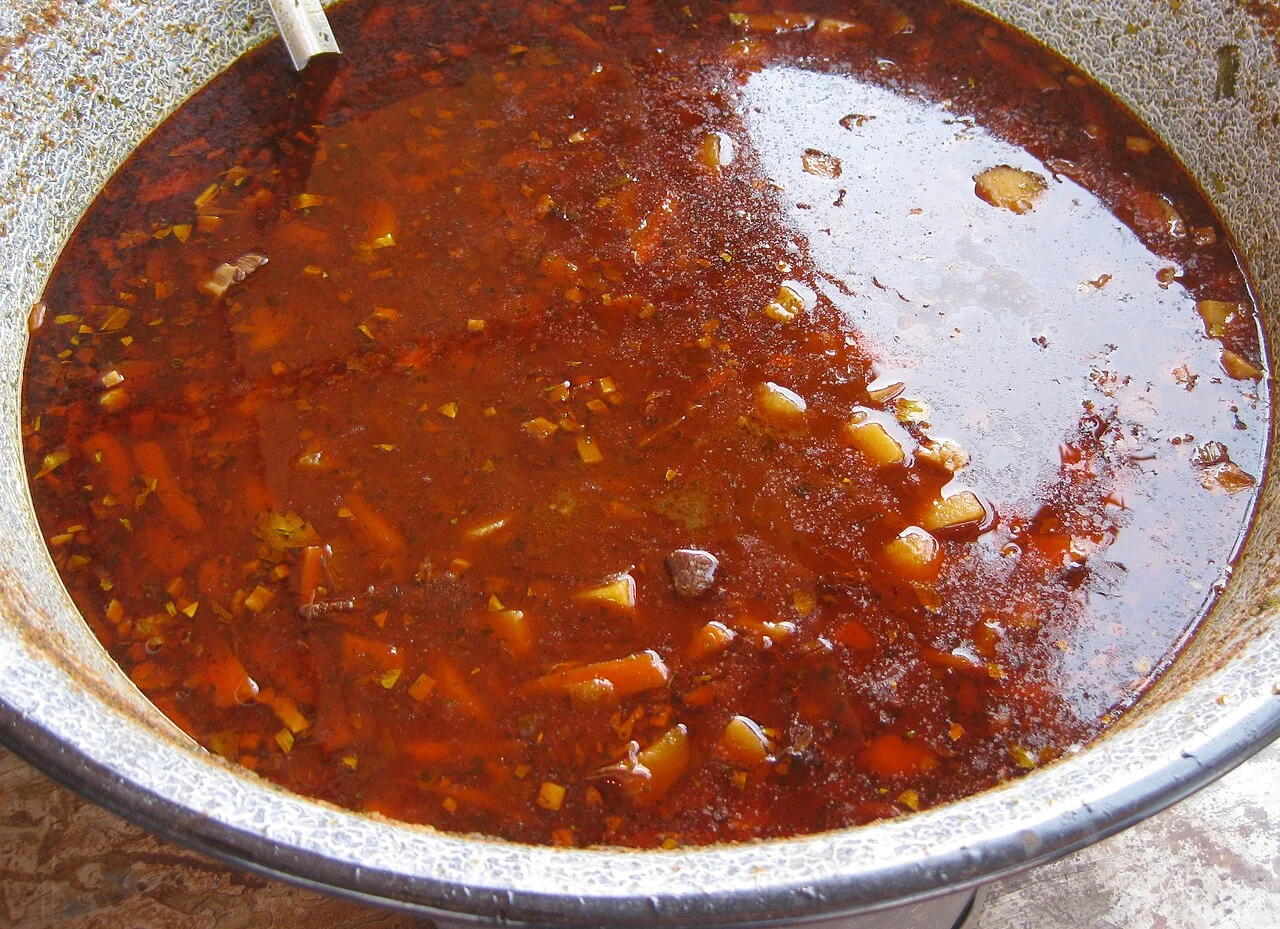
Give gulyás soup the centre of a main meal. Treating Hungarian gulyás and every stew called goulash elsewhere as identical can create confusing expectations. The photograph shows soup cooking in a cauldron in Budapest, rather than a particular restaurant's current recipe or portion. At the table, consider the preparation described on the menu for the dish you actually choose. Highlighting one main meal, instead of collecting all the trip's substantial dishes in one sitting, lets that meal have its own place in the day.

A main-meal evening can also shape the rest of the itinerary. You might eat where a walk in central Pest finishes and arrange the return afterwards, or keep the meal on the Buda side when the day has unfolded there. Crossing between banks repeatedly for another plate is not compulsory. A short walk before eating and a comfortable return to the accommodation afterwards may offer a more flexible structure than allowing a single reservation time to control every other decision throughout the day.
Kürtőskalács: give the sweet stop its own time
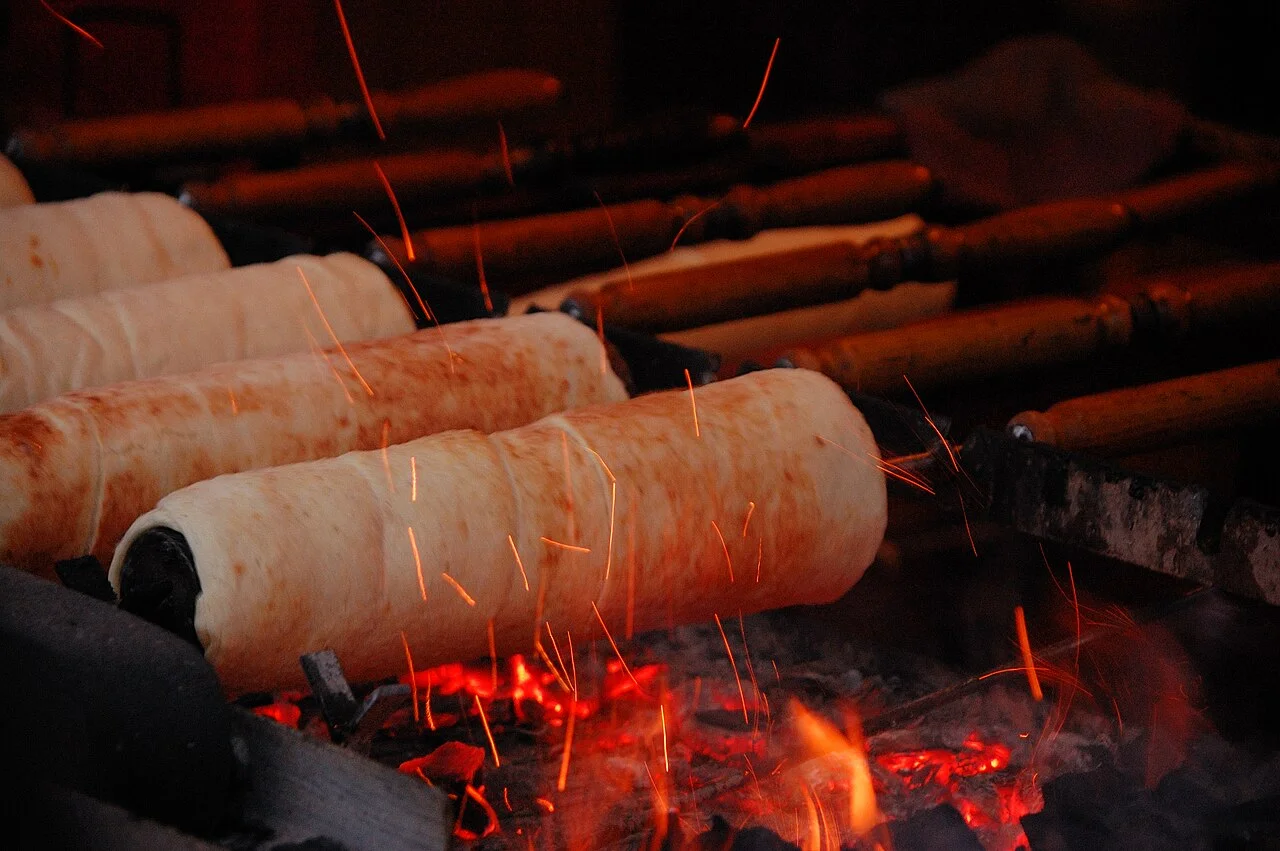
Kürtőskalács, or chimney cake, is associated with dough cooked around a cylinder and a sweet outer layer. It can become a separate afternoon interval rather than a compulsory ending to lunch. The photograph shows cooking at the Vörösmarty Square Christmas market in December 2008. It does not establish today's Christmas programme, the continued presence of the same seller or a permanent year-round arrangement in that square. The dated scene illustrates the cooking experience associated with the food.

Leaving the sweet stop for a quieter part of the day creates room to decide when and how much you want to eat. A break with a hot drink, or a sweet shared by travelling companions, gives a different experience from ordering a large portion each. You do not need to learn every dessert in the country in a single afternoon. Saving a smaller sweet interval for the next day can turn even a short trip into two distinct food memories rather than one crowded sitting.
Plan a market visit around the actual opening day
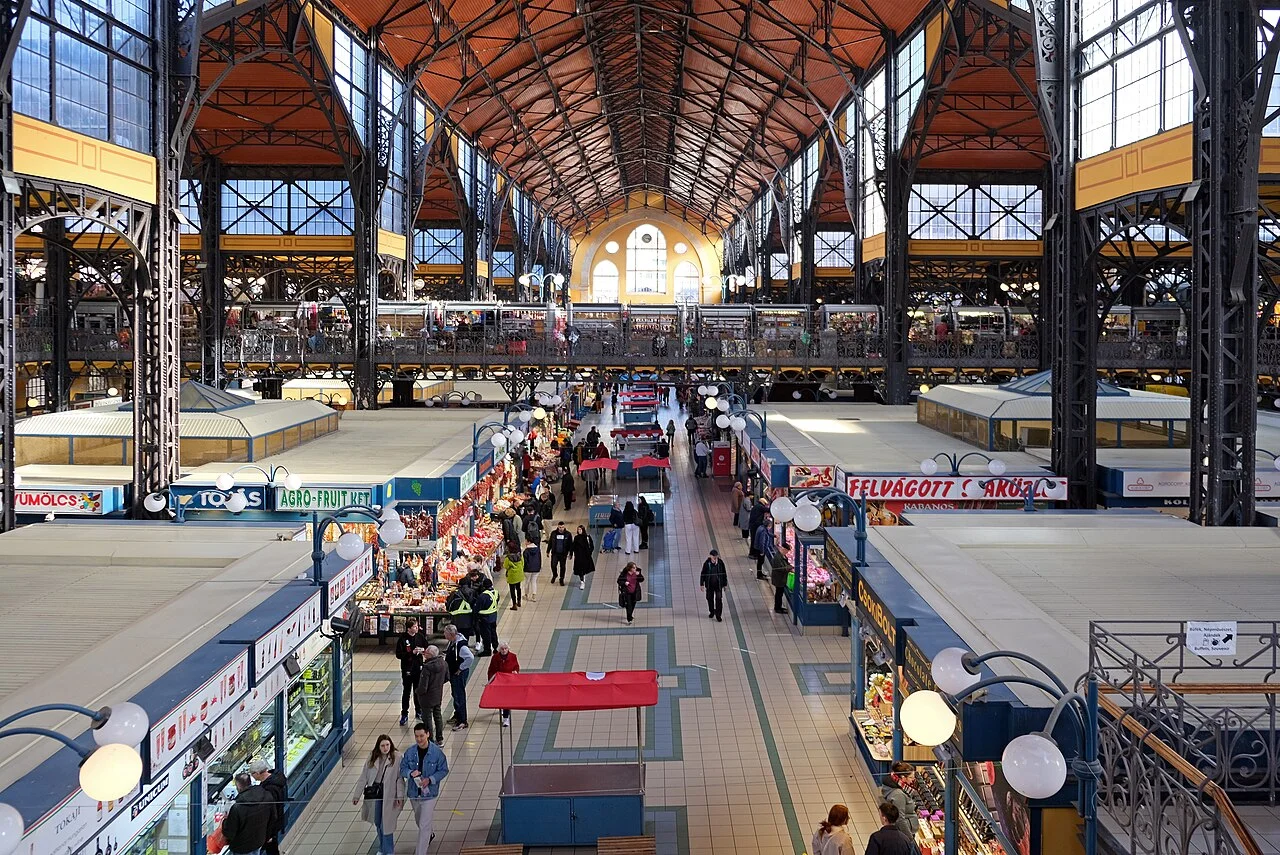
An empty morning in the itinerary does not establish that the market will be open then. Arrange the Great Market Hall visit around Piaconline's current opening information; this guide does not convert changeable hours into a permanent table. The interior photograph is a separate scene from 2023. It is neither a crop of the exterior cover nor a guarantee that the same stalls remain in the same places today. An open day can accommodate the market section, while a closed day can take a different central walk and meal.

A straightforward two-day plan could develop like this: look at products near the market on the first day, choose lángos during one section, and keep the evening lighter. Shape the second day's main meal around gulyás, leaving dessert for a separate time. This is a suggestion about the spacing of meals rather than a ranking of restaurants. The places and foods in the images were not photographed on one day. Build the plan around your arrival rather than attempting to reproduce the dates or occasions depicted in the photographs.
Transport and accommodation: place food within the day
BKK's BudapestGO tool can help plan current connections. Considering the return route is especially useful when placing the meal where a walk finishes. The market, a main meal and dessert do not require visits to three distant corners of the city. For accommodation, consider the area where you want to spend the evenings together with the street facing the room. A central address may suit a shorter return after dinner; if a quieter setting matters more, make the transport time part of that decision.
These are Hungarian food names you may encounter in Budapest, rather than inventions claimed to belong exclusively to the city. The most useful itinerary does not make eating exactly three products compulsory. Recognising the names and choosing one as a main meal, another as an interval and another as dessert matters more. As the Stork leaves the table, it leaves you some space too: there may be another appealing flavour on the next walk.