
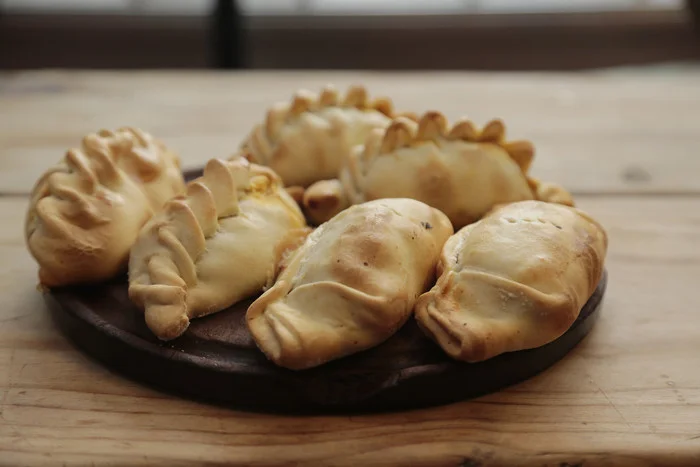
Eating in Buenos Aires can be a much richer journey than ordering a steak one evening and deciding that the city's food story is complete. Empanadas, parrillas, choripán, pizza and café breaks each have their own rhythm. The Tatilmerkezi Stork suggests connecting neighbourhoods with meals: breakfast in the centre, a smaller lunch around San Telmo, a pizza evening on Corrientes and a longer table in Palermo. Do not squeeze an entire menu into two days. Choose one substantial meal and balance the remaining hours with smaller tastes. This is a guide to meal decisions and neighbourhood planning, rather than a ranked restaurant list or a promise about a particular business.
Empanadas: begin with a small taste of the city
An empanada is a closed pastry with a filling, making it a useful first stop on a walking day. Argentina's official tourism programme gives this classic its own Buenos Aires tasting route. Comparing meat, chicken or cheese examples together can be more revealing than ordering one large portion. Baked and fried versions offer different textures; sharing several small pieces makes a comfortable beginning. The folded pastry edge is not always just decoration: some businesses use different closing patterns to identify fillings. If a parrilla is your main lunch, leave the empanadas as a small late-morning break. For a seated tasting, add a drink and then return to exploring the neighbourhood. There is no need to spend the whole day at the first counter, or treat every regional style as a compulsory stop.
Merienda: make room for medialunas and coffee
Merienda is a relaxed afternoon interval built around coffee and something from the bakery. A medialuna takes its name from its crescent shape and accompanies both breakfast and coffee. Butter-based examples and pastries made with different doughs do not have identical textures. Historic cafés such as El Gato Negro appear in the city's official tourism planning documents and provide a way to connect this break with everyday Buenos Aires. A jarrito can indicate a coffee serving different from a small espresso cup, so read the menu's size rather than guessing from the name alone. The Stork suggests beginning with one or two medialunas and deciding afterwards whether you want anything else. Before a substantial dinner, keep this as a conversation and street-watching break rather than a pastry buffet. An alfajor, with filling between two biscuits and an outer finish, offers a different sweet option. Trying bakery and packaged examples on separate days gives the trip more variety.


Parrilla: plan it as a main meal
Parrilla describes the grill tradition and the businesses focused on it. Menus may offer asado, vacío and several cuts, so choose one or two main items according to the table's appetite instead of looking only for a familiar steak label. Adding vegetables or salad while keeping bread and starters modest makes a long meal easier to enjoy. Put a substantial parrilla lunch and a heavy pizza dinner on different days. Palermo restaurant choices and more traditional tables around San Telmo need not deliver the same atmosphere; the neighbourhood is part of the decision. The historic Mataderos grill photograph shows the public-event side of this food culture. It is not a current event schedule or a price guide. The old amounts visible on its board should not enter today's budget calculation. Let the picture explain a tradition rather than dictate a restaurant booking.


Choripán and Costanera: a smaller outdoor meal
Choripán brings grilled sausage and bread together in a simple meal. The Costanera food-cart photograph records an older example of this street-food setting. Add chimichurri or another accompaniment gradually if you want to compare the main flavour rather than cover it at once. A walking day that does not need a full parrilla table can make room for this smaller stop. Do not plan Costanera as though it were a short uninterrupted café walk through the central streets: allow a separate journey there and back. For an outdoor meal, consider seating and the weather, with an indoor alternative for a wet day. Watching what a food cart prepares can be part of the experience, but neither the pictured vendor nor that historic business is being endorsed as a currently operating restaurant. The meal idea and the dated photograph serve different purposes.


Corrientes: connect a pizza evening with a theatre walk
Corrientes gives Buenos Aires pizza culture its own evening plan. The national tourism account links the city's food identity with thick-based pizza al molde and generous muzzarella examples. Travelling with other people makes it easy to share different slices instead of ordering a large pizza for everyone. Build the evening in two parts: a short avenue walk and dinner, followed by a show or an unhurried coffee. If you have theatre tickets, leave time for queues and service instead of choosing a table at the last possible moment. Keep this on a different evening from the Palermo parrilla. One clear neighbourhood focus per night allows a more enjoyable meal than rushing between areas to complete a list of famous dishes.
A two-day food route: the centre, San Telmo and Palermo
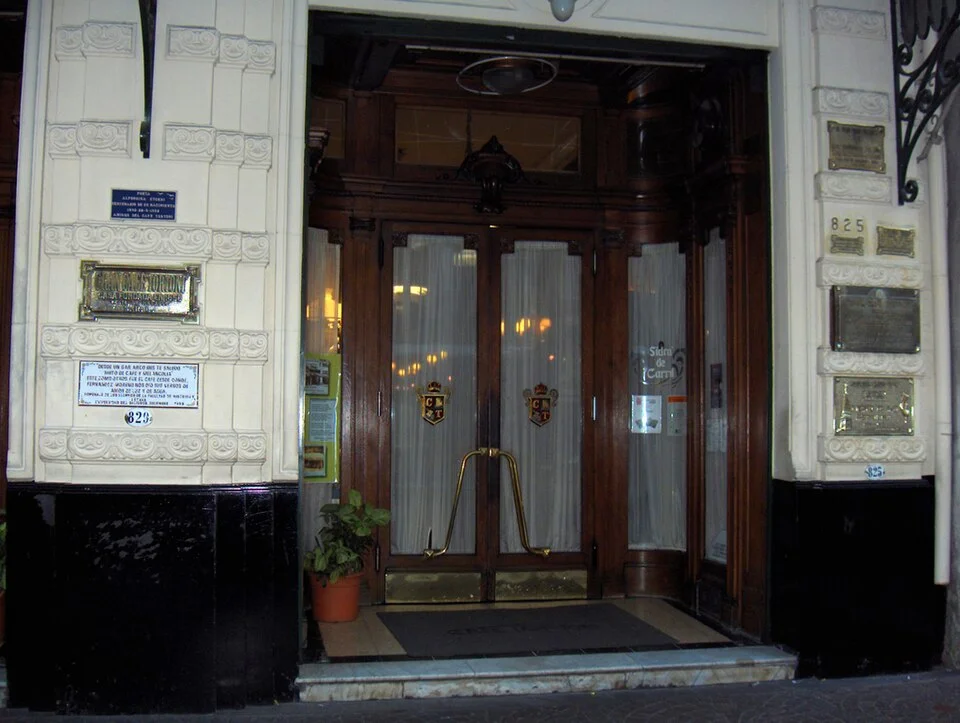
Start the first morning around Avenida de Mayo with coffee and medialunas. Connect the historic entrance of Café Tortoni with a city walk, then continue towards San Telmo for streets and market browsing. A smaller empanada lunch leaves space for the Corrientes pizza evening. Begin the second day with a simpler breakfast and give its main meal to Palermo or your chosen parrilla neighbourhood. An afternoon merienda then helps keep the evening lighter. If you want choripán on Costanera, substitute it for one of these substantial meals rather than add a third main event. A central hotel supports the Avenida de Mayo and Corrientes plan; a Palermo base suits longer restaurant evenings. San Telmo makes sense for travellers who give priority to markets and an older neighbourhood atmosphere. These are planning preferences, not a claim that every street offers the same dining choice.

Think about transport and menus together
Buenos Aires is large, so combine walkable sections within neighbourhoods with transport between them. The city's official mobility page explains the subte, buses, taxis and cycling choices. On the day, compare the actual departure and arrival addresses in the city map. This guide does not freeze a business's opening hours or table availability into a permanent promise. You can still simplify the meal choices: pastries and pizza one day, grilled food and a lighter sweet break the next. Visitors who do not eat meat can build a route around suitable empanada and pizza fillings, while checking what the individual menu actually contains. Sauces and fillings are not identical everywhere. A successful food day here comes from getting to know a neighbourhood and choosing a few tables where you want to sit, rather than ticking every name in an enormous list.