
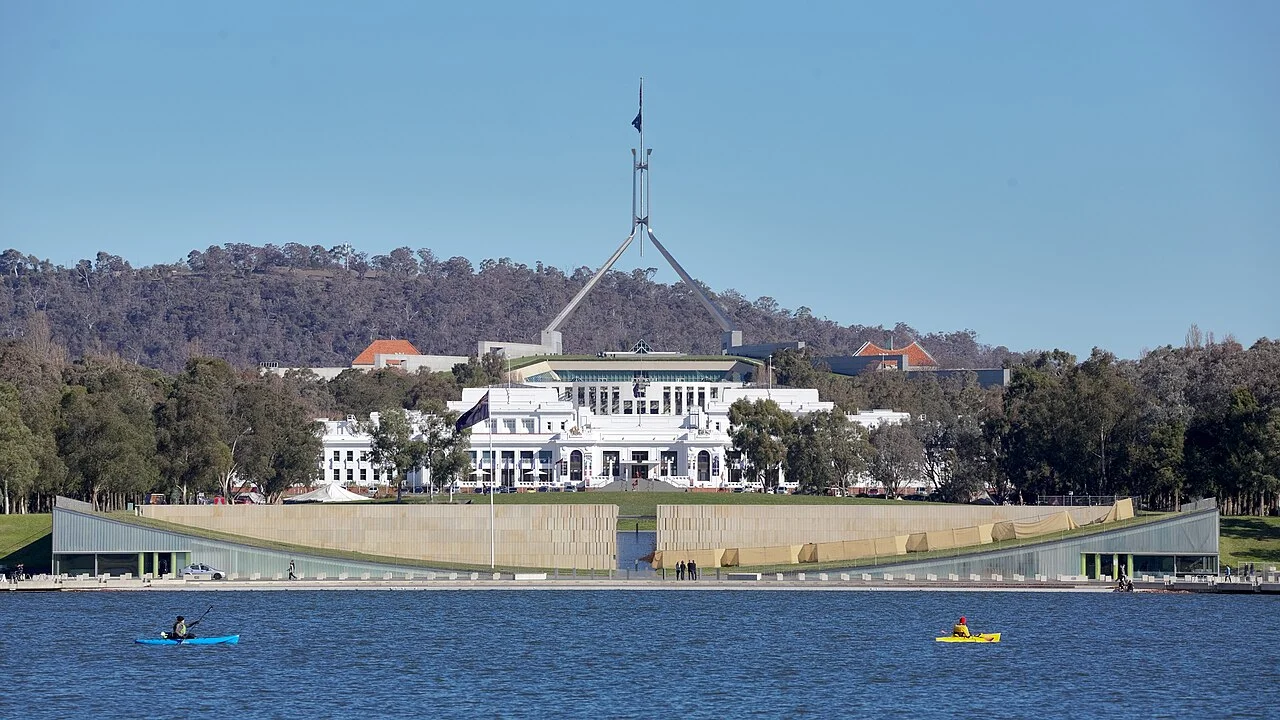
Tatilmerkezi's Stork lands beside a lake in Australia's capital. Thinking of Canberra only as a place for a parliament photograph misses its open spaces and cultural depth. Lake Burley Griffin provides a useful geographical anchor, while museums add stories about people and the country to the cityscape. Planned urban lines meet native plants and larger tree collections, giving a visit several different rhythms. This is a guide to Canberra in the Australian Capital Territory, not an extension of a Sydney city itinerary.
Two full days with a flexible additional half-day make a useful framework for a first visit. The capital spreads across a substantial area, and places that look close on a map are not always convenient to join on foot. Group the lake, parliamentary area, museum and green spaces before deciding on transport. The aim is to understand why each stop matters, rather than to race through every major institution in a single afternoon.
Lake Burley Griffin: understand the scale before walking
A waterfront walk introduces the capital's layout and opens up changing perspectives across the water. The official tourism site's bridge-to-bridge option is approximately five kilometres between Commonwealth Avenue and Kings Avenue bridges. That is a central walking route, not the circumference of the entire lake. Decide where you will start and finish so a pleasant open-air interval does not become an unexpectedly long expedition.
For a shorter outing, choose one section of the shore and enjoy it without a full circuit. If cycling appeals, ask the provider about hire, helmets and operating conditions, and slow down on shared paths. Sun, wind and temperature affect how exposed the lake feels. Carry water, sun protection and a layer appropriate to a cooler part of the day. Good light is worth noticing, but your return plan should not depend on staying out for one more photograph.
Parliament House: architecture around a working institution
The newer Parliament House helps explain the capital's symbolic layout. From outside, consider the building with its slopes, roofline and surrounding open space, rather than reducing it to one facade. The white Old Parliament House seen from the lake is a different building from the newer structure behind it. This guide's cover records both in a 2016 lake-facing view; recognising that distinction makes orientation much easier.
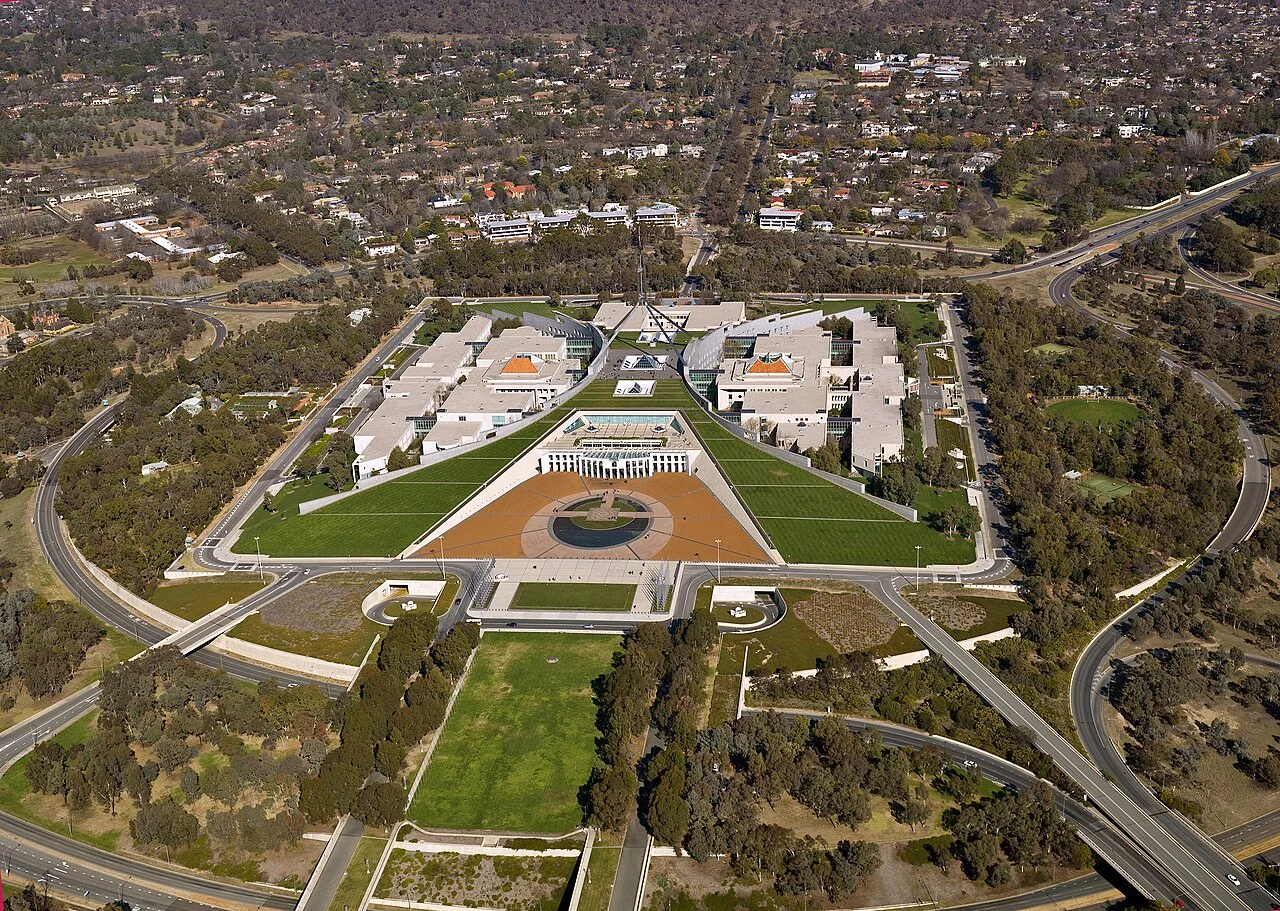

For an interior visit or a tour, consult Parliament's own planning information. Visitors undergo security screening, so consider bags, entry procedures and available time before setting out. Parliamentary business, events and access arrangements can affect a visit; a general travel guide should not promise a fixed tour or unrestricted entry. Give the institution time if its role interests you, or keep the exterior stop proportionate to a programme focused on landscape and museums.
National Museum: add human stories to the lake setting
The National Museum of Australia sits on Acton Peninsula, linking a lake outing with a cultural visit. Make room to move beyond the city's lines and towards stories of people, communities and events. When engaging with First Australians histories, remember that a continent's experience cannot be reduced to one brief summary. The museum's own interpretation and context offer a better starting point than treating every gallery as another background for a photograph.
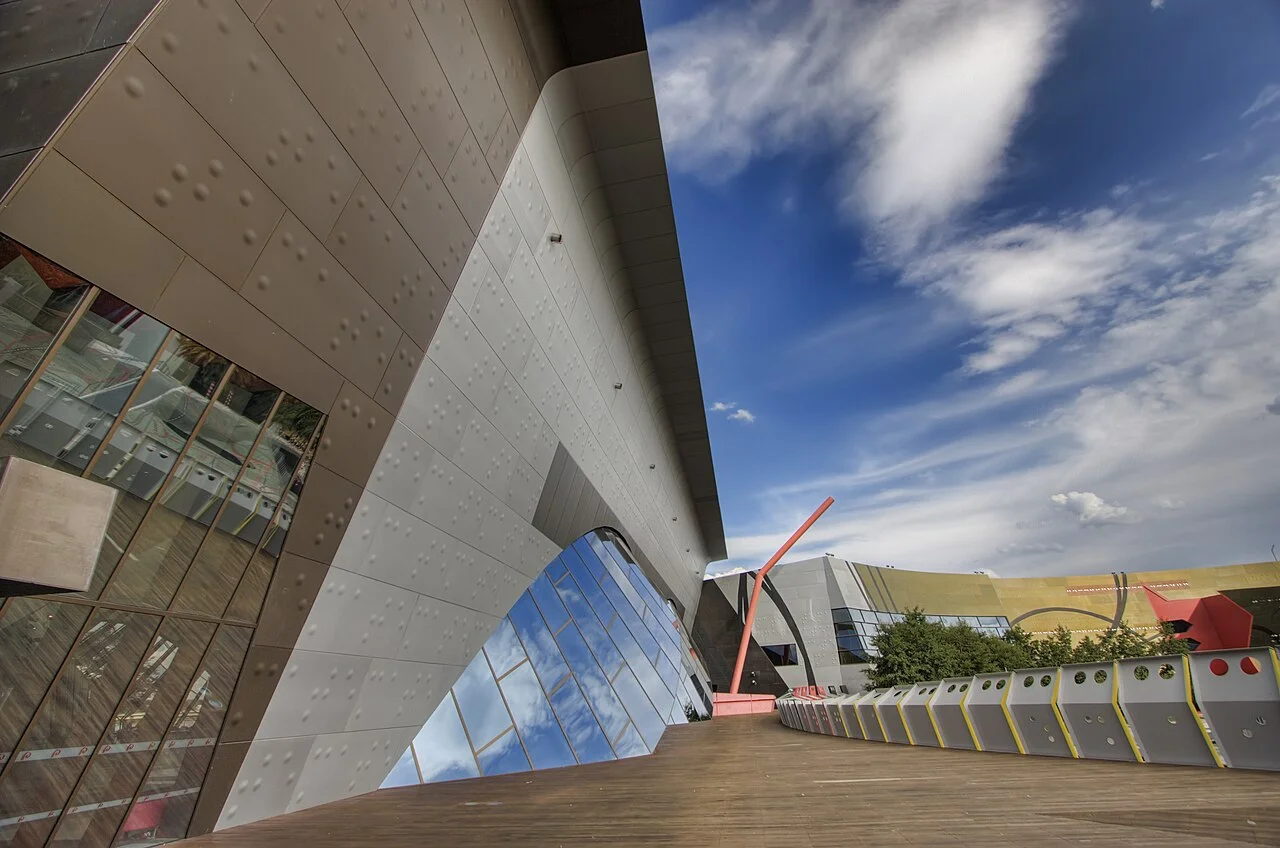

Choose exhibitions and experiences from the museum's current information. A general visit, a special exhibition and a guided experience may have different booking arrangements. For getting there, use the institution's directions alongside Transport Canberra's journey planning; do not assume every lakeside path is continuously accessible. One well-considered gallery section can be more satisfying than trying to complete a whole museum simply because its name is on an itinerary.
Australian National Botanic Gardens: look closely at plants
The Australian National Botanic Gardens balance the institutional city with a living plant collection. The rainforest photograph in this guide shows one garden environment; it does not mean that all of Canberra has a tropical climate. Consult the gardens' visitor map and current access information before choosing paths. Looking at leaf textures, shade and changing light can give even a short walk a very different pace from the parliamentary precinct.
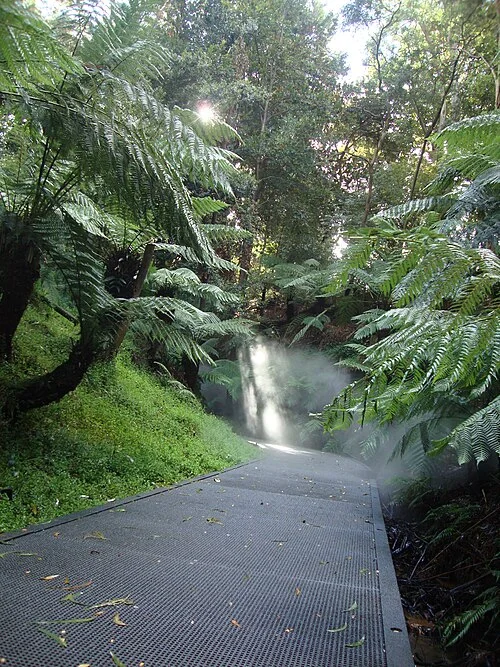

Wear shoes suitable for potentially damp surfaces, follow marked routes and leave plants undisturbed. With children, spotting a leaf shape or a patch of sunlight may be more engaging than attempting to remember every botanical name. The Botanic Gardens and National Arboretum are separate destinations. They should not be treated as two sections reached through one park entrance, and your transport plan needs to recognise the difference.
National Arboretum: leave space for a larger landscape
National Arboretum Canberra offers a broader landscape of tree collections and open, hilly ground. After the close-up plant experience of the Botanic Gardens, tree groupings and the horizon become part of the appeal. Arrange the journey, walking distance and weather considerations separately. Select an area and viewpoint for a first visit rather than assuming the entire site can be explored during a quick stop between museums.
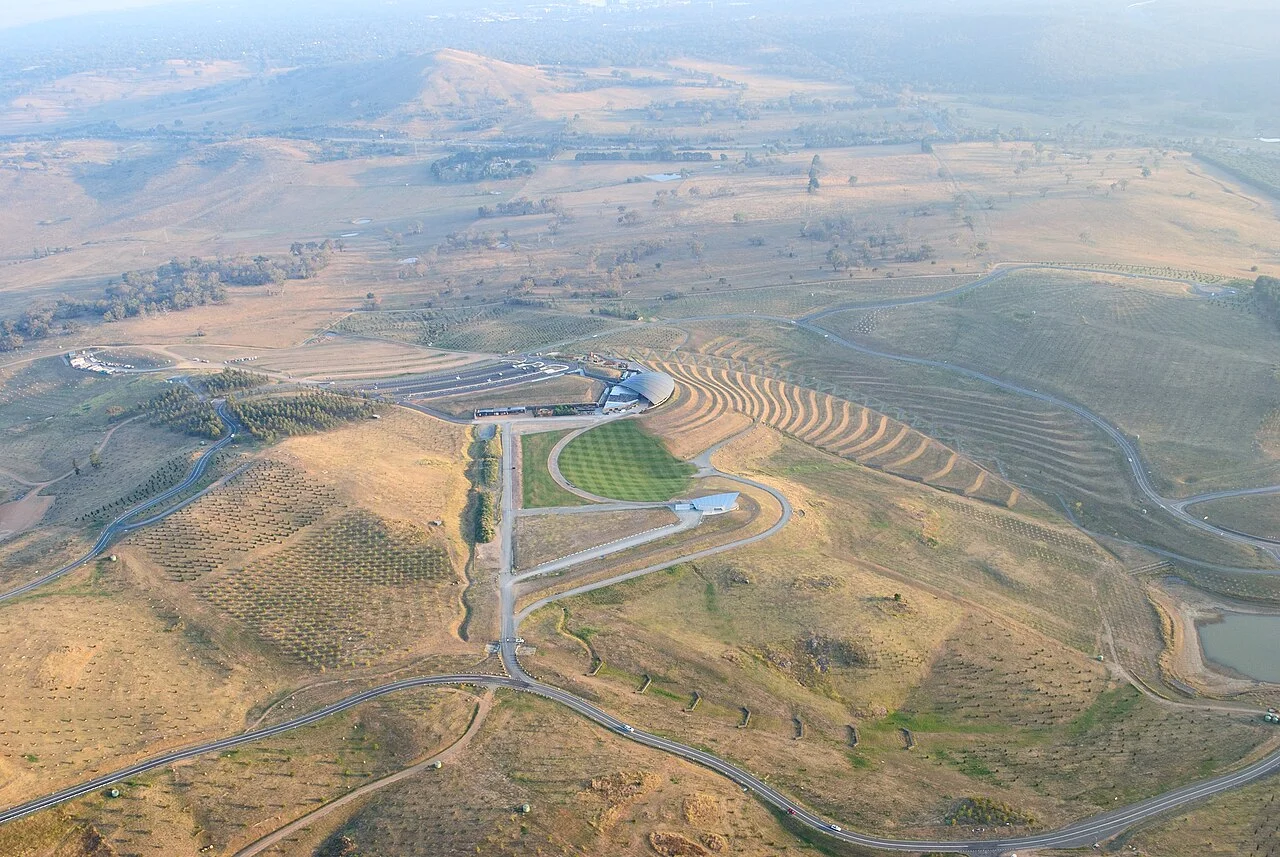

Shorten the exposed portion on a windy or very hot day, and bring water and suitable footwear for the walk you actually intend to take. If mobility is a consideration, check the chosen route rather than assuming all paths have similar gradients. The aerial photograph here dates from 2015 and explains the scale of the landscape. For present tree growth, programmes and route access, current information from the destination takes priority over an archival image.
Two days, food pauses and choosing a base
For day one, pair a manageable lake section with the Parliament House surroundings, then choose one cultural visit for the afternoon. On day two, consider the National Museum and Botanic Gardens according to transport connections, leaving the Arboretum for an additional half-day if available. If everything must fit into two days, shorten one museum or green-space interval instead of promising a complete visit everywhere. The Stork's suggestion for this spacious city is simple: fewer well-chosen stops make room for attention.
City/Civic can be a useful base if access to the central transport hub matters to your plans. Braddon is worth considering for food pauses, while Kingston and Manuka can also enter your accommodation and dinner comparison. These areas are not equally close to every institution. Assess real journeys to your preferred stops alongside the room price, evening setting, luggage arrangements and parking. For meals, choose between contemporary Australian menus, varied migrant cuisines and an uncomplicated coffee break. There is no need to hunt for a single compulsory capital-city dish.
Airport travel and checks before departure
Transport Canberra's current route information includes airport and museum connections, but use its official planning tools for your own arrival time rather than assuming a fixed frequency from this guide. Check the route, boarding location and payment arrangements together. If driving, include parking conditions and the evening return in your programme. Having a car does not mean that every attraction provides unrestricted access right at its entrance.
Sources were reviewed on 3 October 2026, and the photographs are licensed archival scenes. Exhibitions, institutional schedules, weather warnings and transport arrangements deserve another check before travel. With those practical details in place, Canberra becomes more than the surroundings of one government building: it becomes your own route between water, stories and trees.