
Spending time outdoors with children does not require a distant campsite or a long hike. A river reflection, colours beside a lake, sounds in a park or the outline of an olive leaf can give a trip a real focus. The Tatilmerkezi Stork selects short observation days through Eskişehir, Bled, Stockholm Djurgården, Lucca and Cunda. The purpose is not to visit five countries on one holiday, but to choose one setting that suits your group where you are going. Avoid measuring the outing through a universal walking duration attached to an age. Set a beginning that can be shortened around your own rest and return needs. An adult-accompanied observation day can feel full without turning curiosity into a competition.
Eskişehir: read reflections beside the Porsuk
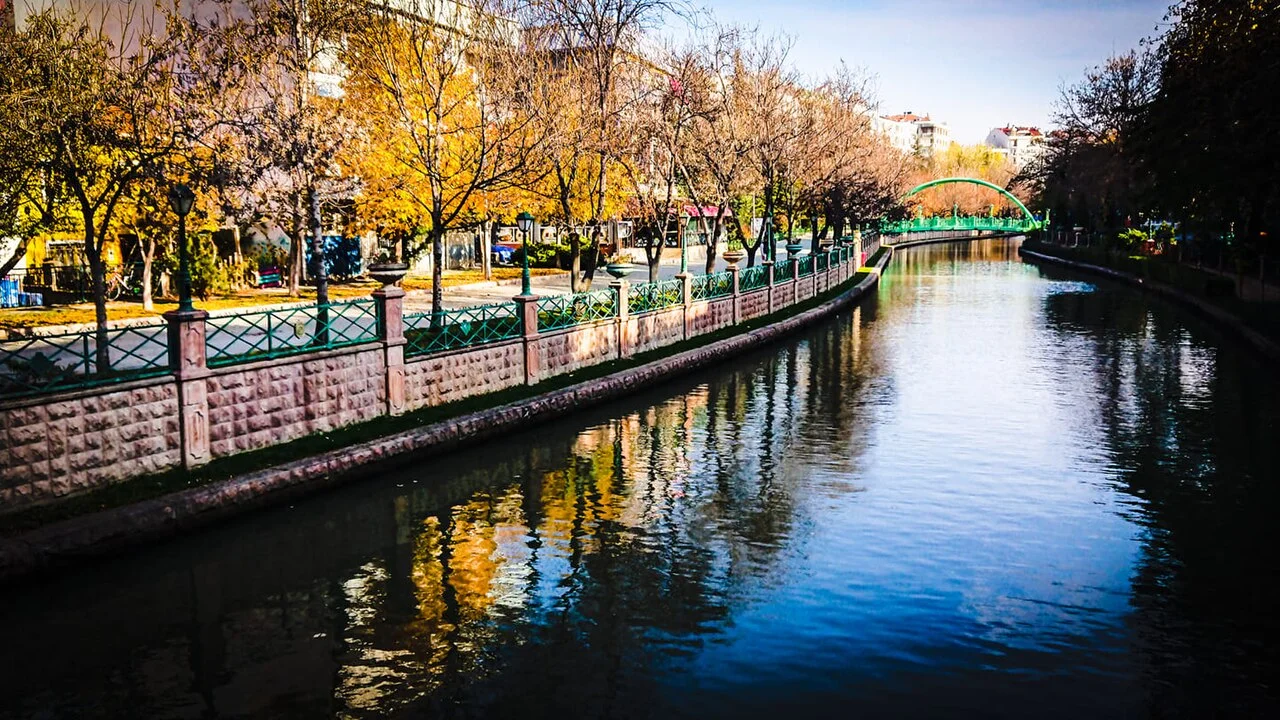
The Porsuk area in central Eskişehir can begin a water-observation day. GoTürkiye introduces the riverside as part of the visitor experience. First look at passing movement and crowds, then choose a section where the group can stop together. From the path, without approaching the water, try to find a building line, a tree colour and a piece of sky in the reflection. Ask what the child notices instead of supplying one correct answer. A notebook drawing comparing the reflection with the object above it can make a small stop an activity in its own right. Crossing every bridge or taking a boat is not a compulsory part of this plan.
Follow the short observation with a seated meal pause. Eskişehir çibörek appears in the official gastronomy source; if offered on the menu, ask about its filling and portion before adding it to a family meal. Do not turn every food decision into a task to collect tastes. If adding another visit such as Odunpazarı, treat it as a separate section from the river walk. Examine the actual connections between accommodation, the riverside and the return. Arriving in the centre and reaching the room door are different tasks. Keeping an evening short can leave room to explore another curiosity the next day. The river becomes the focus of a manageable outing rather than the start of an endless attraction list.
Bled: a colour and leaf game beside the lake
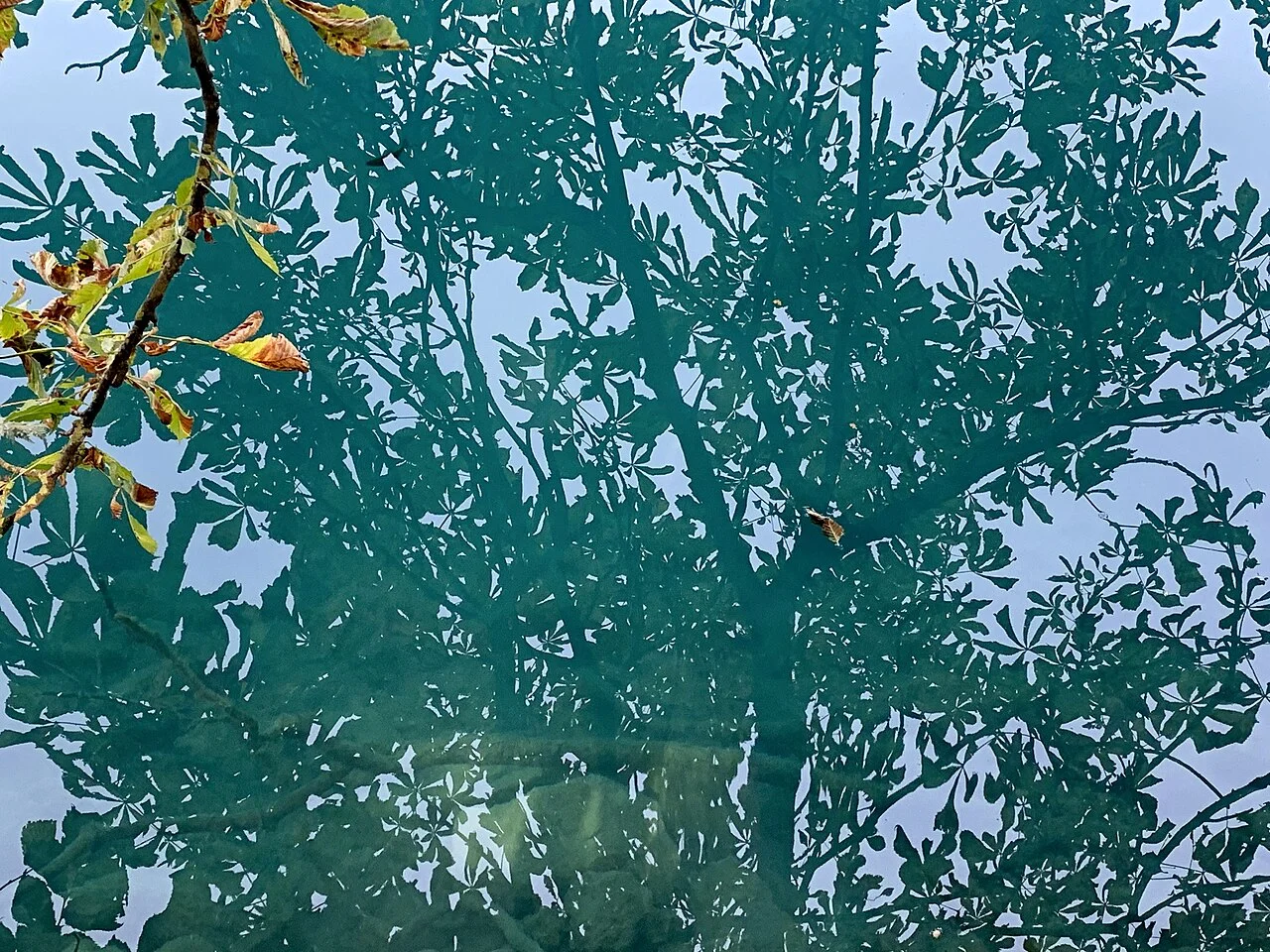
A selected shore section in Bled can create a thoughtful day with children interested in comparing colours. The official visitor source describes walking around the lake; completing the full circuit is not the goal here. Choose a small section from which you can return to your starting point. Discuss differences between the water tone, the colours of shore trees and the distant island view. A leaf can be examined where it grows without being picked, and its outline can be drawn in a notebook. Predicting what might change on the same tree in another season invites a more open conversation than a knowledge quiz. Keep adult accompaniment and the passing path in mind throughout the waterside pause.

Treat a boat ride, island visit or climb to the castle as separate movement and access decisions if you want to add them. The short shore-observation plan does not automatically include everything. A seated pause may include kremna rezina if it is offered; learn the ingredients from the actual serving. Choose accommodation through reaching the shore as well as the prospect of a lake view. Look for a connection matching the group rather than an address that makes a long evening journey unavoidable. On a wet day, shortening the outdoor section and changing to a nearby indoor stop is a new plan, not a failed trip. Leave room for the observation that actually catches the children’s attention.
Djurgården: distinguish sounds in the park
The park and cultural surroundings introduced by Visit Stockholm for Djurgården can provide outdoor observation within a city holiday. Establish your arrival and return connection before focusing on one walking section. Stop briefly and discuss the sounds you hear: wind, steps, water or the distant city. Showing them in a notebook through different lines and distances can become a small activity. Watching birds from a distance is enough; do not add a task to approach or feed them. If also visiting a museum, choose one matching the group’s interests instead of adding every cultural stop to the same day. An ordinary pause can be the most memorable part of the park visit.

If kanelbulle is available, consider sharing it during a fika pause. Ask about the cinnamon bun’s ingredients according to your needs, keeping a small taste separate from the main meal. Accommodation and transport choices should account for other city days alongside this park outing. Planning the evening return before everyone is tired can help the day feel easier. A day around Djurgården does not need to grow into an additional distant archipelago excursion. Observation, one selected cultural visit and a seated break provide different experiences already. Let the programme follow the sound or image that interests the children rather than a count of attractions reached. Leave time to discuss the notebook after the walk.
Lucca: compare tree shapes on a walls walk
Lucca’s official tourism source introduces the historic walls as a green walking environment. Select a section and compare the shapes of trunks, branches and shadows. Ask open observation questions: which shadow looks longer, or which direction do the branches reach? You do not have to know every tree species; describing a difference gives the outing a concrete focus. Choose a place where you can stop together while accounting for cyclists and other path users. Avoid making a complete circuit or climbing every tower on the same day your target. Returning to a square to sit and talk belongs to the plan too. The point is a manageable scene, not a complete survey of the city’s greenery.


Buccellato, when available, can connect the pause with a local bakery product. Ask about ingredients and choose purchases around actual needs. Think about transporting luggage to accommodation and reaching the walking start together. The daily convenience of an address inside the walls should be considered alongside the arrival arrangement. Rain or strong heat can change the walking section; continuing a drawing indoors after observing one tree is also possible. The aim is not to finish a park list but to give children time to describe a detail in their own words. A brief outdoor section with a relaxed conversation can provide more usable attention than a long day of hurried stops.
Cunda: observe the olive setting where it grows
Official GoTürkiye sources introduce the olive culture around Ayvalık and Cunda. On an open, permitted walking section, compare the upper and lower tones of a visible tree’s leaves from a distance and discuss how wind changes the appearance. Entering private gardens or collecting produce is not part of this observation. Reading local product labels offers another pause connecting the growing environment with what reaches the table. If you want to participate in a harvest activity, check an actual organisation and its access beforehand rather than assuming it takes place every day. Select a short section instead of expecting unlimited walking through Cunda’s waterfront and streets in one outing.


GoTürkiye introduces Ayvalık toast and papalina in the Cunda context. If available, a local taste can join the family’s chosen meal; learn about fish ingredients and preparation from the actual establishment. Consider Cunda and central Ayvalık as different starting points when selecting accommodation. Assess arrival, the daily short walk and return through a specific address. Across these examples, the Stork presents water reflections, lake colours, park sounds, tree outlines and olive culture as different curiosities. Choose one and arrange the day between observation, food and rest. This makes exploring outdoor surroundings with children concrete and flexible, leaving space for the discoveries they want to describe rather than demanding the same achievement from everyone.