

When planning a holiday with children, the Tatilmerkezi Stork begins with a question: will everyone have some energy left at the end of the day? Visiting the most museums, walking every street and trying a new dish at every meal are not the only measures of a good family trip. A day in which a child can choose a stop, lunch is not continually postponed and returning to accommodation remains straightforward may create a better shared story. This guide uses real places to explain a planning approach rather than another city ranking.
Travelling with a small child, visiting with a school-age child and accommodating an older child's interests are different situations. No single itinerary is declared suitable for everyone. Copenhagen, Tallinn, Helsinki and Bruges illustrate different parts of a plan; they are not four destinations to complete within one short holiday. Sources were checked on 4 October 2026. Charges, age conditions and service arrangements are not turned into fixed claims based on old information.
Start with an accommodation base and the return journey
A room appearing suitable for a family and a daily programme working easily from that room are separate matters. Consider breakfast, a possible midday return, dinner access and luggage together. After arriving at an airport, a short introduction to the immediate area and an early meal may be more useful than rushing to a distant museum. The holiday can then begin without being organised around the fear of missing an appointment.
The Rosenborg photograph recalls how a historic setting and an outdoor section can form separate pieces of a Copenhagen day. It does not show Experimentarium. A family interested in that science centre should plan it with its own journey and visit duration. Assess accommodation against the locations of the activities you actually selected, rather than only a description calling it central. Getting back at the end of the day deserves as much consideration as reaching the first stop.
Choose one main activity: a Tallinn museum and a park differ
If ships and maritime stories interest your child, Tallinn's Lennusadam offers a concrete starting point for researching an activity. A day without a substantial museum visit might take a different shape around a park. The photograph shows historic Kadriorg and its park surroundings, not the inside of the maritime museum or a children's gallery. Being in the same city does not make two places one experience without a journey between them.


Putting one main activity at the centre of a day and leaving another optional gives the family flexibility. A child interested in one object may need a different visit length from an adult hoping to finish the entire collection. Avoid making a second ticketed activity compulsory immediately afterwards. Check the institution's own information for age-based admission and family services before creating expectations; this guide does not freeze those details into a price or a promise about every visiting day.
Meals and breaks: the Helsinki korvapuusti example
A break can introduce a local taste as well as providing rest. In a Helsinki context, korvapuusti is a name for a cinnamon bun. The photograph is an actual homemade-bun scene rather than a promise about the menu or portion at a particular cafe. Recognising a food name can give an afternoon pause a small purpose. A sweet break does not, however, need to replace everyone's meal for the whole day.


Plan a seated meal between a cultural visit and a short walk instead of discovering hunger while waiting in a queue. A familiar option for the child and a regional dish the adult wants to try can belong to one meal without requiring everyone to order the same thing. If Helsinki City Museum is part of your day, consider it alongside the meal and return arrangements. Current family information from the institution forms one part of that decision.
Keep a walking section limited: Minnewater in Bruges
Minnewater offers an example of arranging a Bruges walk around a defined outdoor area. Spend time around one waterside or park section rather than trying to reach every city landmark at once. The picture depicts Minnewaterbrug; it does not establish identical surfaces on every route or effortless access for every child transport arrangement. Assess the ground and the equipment you use against the actual plan for that day instead of assuming that all old-city walks work equally.
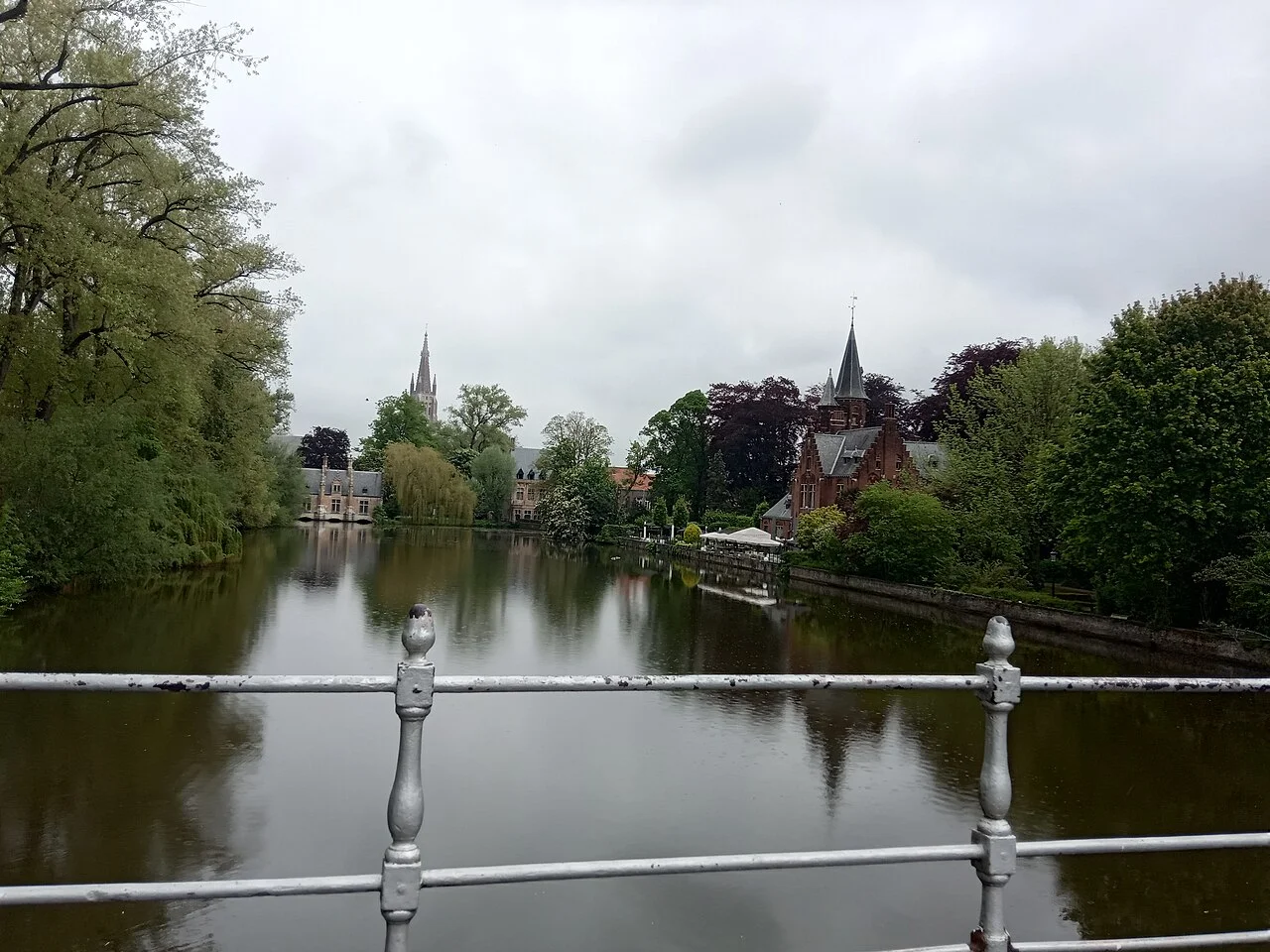

Thinking about a seated meal at the end makes the walking route more concrete. Bruges chocolate can provide a separate tasting stop within a short city day, without assuming every shop offers an identical selection. If a child wants to observe the surroundings or remain in one place for a while, extending the walk to meet an adult step-count goal may not serve the shared rhythm. A limited section is still a real travel experience.
Keep the evening light: choose between Nyhavn and dinner
The Copenhagen Nyhavn picture is a dated waterfront view. An evening walk does not have to become a long restaurant night as well. After the main activity, a brief waterside section and a nearby meal create a different tempo from a distant evening programme. Smørrebrød offers a concrete name for exploring Denmark's open-sandwich tradition; the guide does not suggest every topping suits every child. Food can have a local identity without becoming a compulsory challenge.


An adult's wish to see a particular view and a child's daily tiredness may coincide at the wrong moment. Changing one part of the itinerary need not mean failing to see the city properly. Returning to a shore another morning or going directly back after dinner are valid choices. If tomorrow has an early activity, think about that beginning rather than continually enlarging the evening. Seeing a place again can be more meaningful than finishing many stops in one night.
Weather alternatives, choice and small preparations
Have an outdoor and an indoor alternative, but do not use them to double the number of planned activities. Allowing a child to choose between two suitable options helps the day become more than an adult-controlled list. Preparing the address or ticket information needed for transport reduces repeated searching while already on the move. Avoid making the whole arrangement dependent on an immediate connection or a single phone, especially when several people need to follow the same plan.
For three nights, use the first day for settling in, the second for a selected main activity and the third for a shorter outing and rest. Count the time spent changing cities as part of the real journey, too. The Stork's suggestion is not more stops but better shared days: follow a child's curiosity, eat sitting down and keep the evening manageable for everyone. The resulting holiday can then be remembered through experiences together as well as the names of the places visited.