

A visit to Diyarbakır does not begin and end with a photograph in front of the walls. Dark basalt, activity in an inn courtyard, details in a poet's home and views opening towards the Tigris reveal different pages of the same city. The Tatilmerkezi Stork suggests a considered walk rather than a rapid checklist: start with connected stops inside Sur, leave time for İçkale and treat the river landscape as another part of the day. This guide to places to visit in Diyarbakır builds a first central route while keeping more distant destinations, such as Malabadi Bridge, separate from an urban stroll.
Plan around Sur, İçkale and the Tigris
Think of a first visit in three sections. Historic streets inside Sur, the Great Mosque and the inns bring the walk into contact with everyday city life. İçkale and the museum area call for a more focused cultural visit. Views of Hevsel Gardens and the Ten-Eyed Bridge help show the relationship between city and river. Each section can have a different pace. Travellers interested in literature may spend longer in house museums, while architecture enthusiasts may prefer courtyards and facades. Build the day through your interests rather than attempting to see every recognised place briefly.
Diyarbakır's walls: layers written in stone
The walls surround the city's history while also carrying evidence of different periods. Diyarbakır Fortress and Hevsel Gardens Cultural Landscape are listed together as a UNESCO World Heritage property. A story based solely on a length record misses that wider relationship between the city, defensive structures and productive river landscape. Examine different visible sections and notice gateways or stone details during the visit. Do not assume every tower or wall-top is open to visitors. Appropriate viewing areas can provide a strong experience without climbing protected structures. Understanding the setting matters more than finding the highest possible photography position.
İçkale: give the museum a proper window
Do not treat İçkale solely as a short addition to a wall walk. The area's historical layers and a museum visit become more meaningful with time to look carefully. Allow a separate part of the day here if archaeology interests you. Check official information for current entry arrangements, open sections and visitor conditions rather than assuming that an older article describes today's use of every building. Relating what you see inside to the city outside helps avoid reducing Diyarbakır's past to one period. A pause after the museum also gives the visit room to settle before you move on.
Ulu Mosque: slow down in the courtyard
Ulu Mosque, or the Great Mosque, is an important anchor for the route inside Sur. Stonework on courtyard facades and traces of different periods create a texture that cannot be explained by one construction date alone. Spend time noticing details in permitted areas instead of following the flow of visitors only long enough for a photograph. The mosque remains a place of worship, so respect visiting hours, dress requirements and local directions. It can connect well with nearby sightseeing, but do not assume entry is appropriate at every moment. The courtyard's rhythm can be a welcome contrast to a busier street walk.
Hasan Paşa Hanı: more than a breakfast backdrop
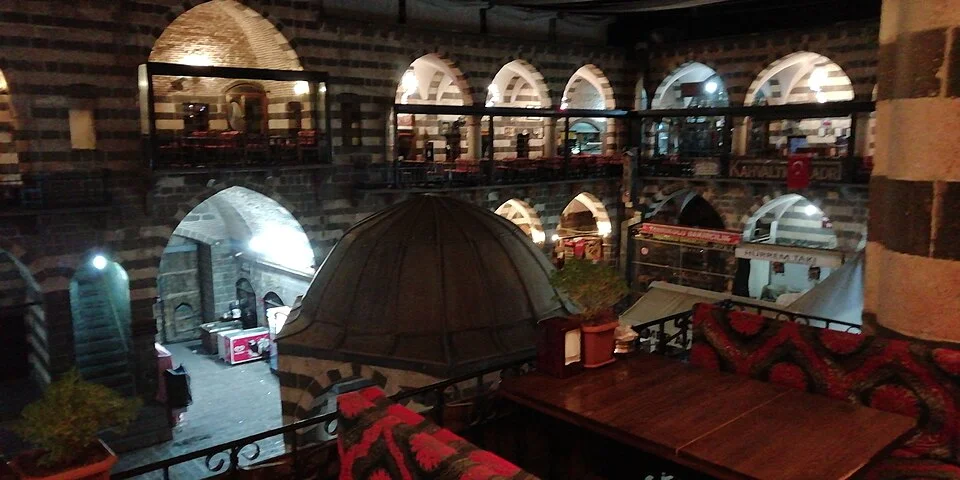
Hasan Paşa Hanı lies east of Ulu Mosque and adds a courtyard setting to the city visit. If considering breakfast or a drink, look beyond a social media photograph and compare the menu, portions, prices and seating arrangements. The experience can be more lively at busy times. Leave room to look at the building as well as sit at a table, so that its historical character does not become only a decorative background. Give space to the people working there and other visitors. A good trip approaches the inn as a living place, with present-day routines alongside its architecture.

Cahit Sıtkı Tarancı's house: literature and home life
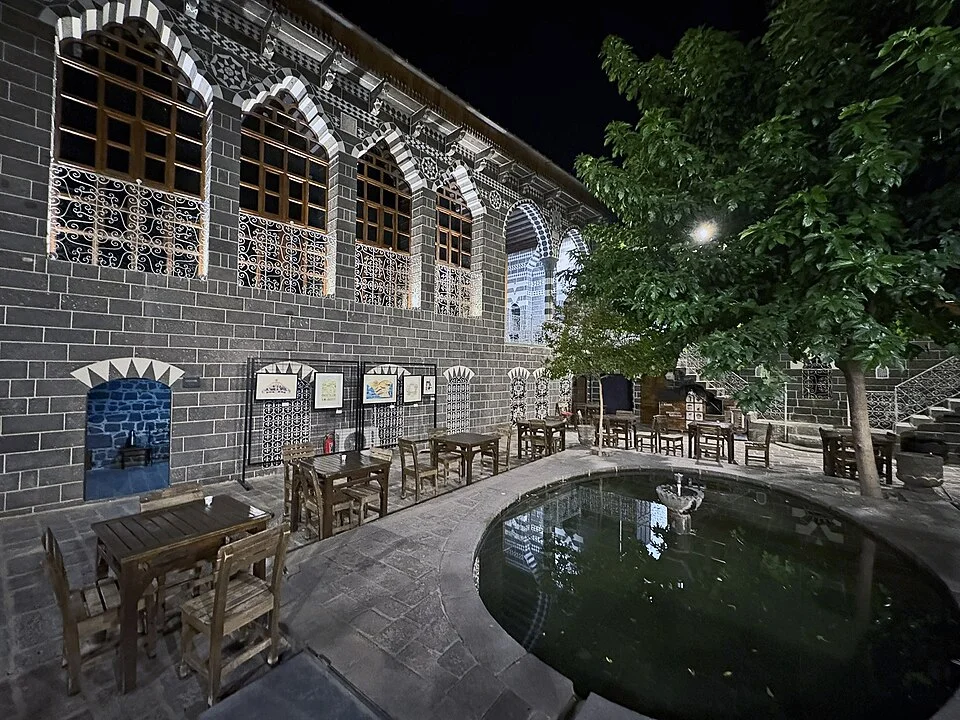
The poet's birthplace connects literary interest with traditional Diyarbakır domestic architecture. A central courtyard and the surrounding parts of the house help reveal its relationship with climate. Rather than quickly listing personal objects, look at how rooms, stone and open space were arranged for everyday life. Current official visitor information can show different seasonal arrangements, so check hours and closure days near your trip. If you are also curious about cultural stops associated with Ziya Gökalp or Ahmet Arif, investigate their own current access details. A name in an old list is not a guarantee that every building will be open on the same day.

Small discoveries among inns and Sur streets
As you move through Sur, give some attention to what lies between the names on the map. Activity outside a shop, workmanship on a doorway or a change in a stone facade can bring you closer to the city. If a stop such as Sülüklü Han interests you, look into its current operation and menu. Different inns do not promise identical breakfasts, drinks or quiet surroundings. Ask people before photographing them and do not enter private courtyards uninvited. A neighbourhood walk has value beyond shopping: watching everyday life thoughtfully can make a short section of street one of the most memorable parts of the trip.
Hevsel Gardens: a landscape with a living role
Hevsel Gardens are an important part of the green connection between the walls and the Tigris. They belong to a cultural landscape, rather than simply serving as a green background for a city photograph. Their relationship with production and urban history helps explain their significance. Use appropriate viewpoints instead of entering fields without permission or following uncertain paths. Stay with routes open that day and respect local guidance. Consider temperature, ground conditions and the return route. The gardens' appearance changes with the season; the greenery or light in a published photograph does not guarantee the same view during your visit.
The Ten-Eyed Bridge and a pause beside the Tigris
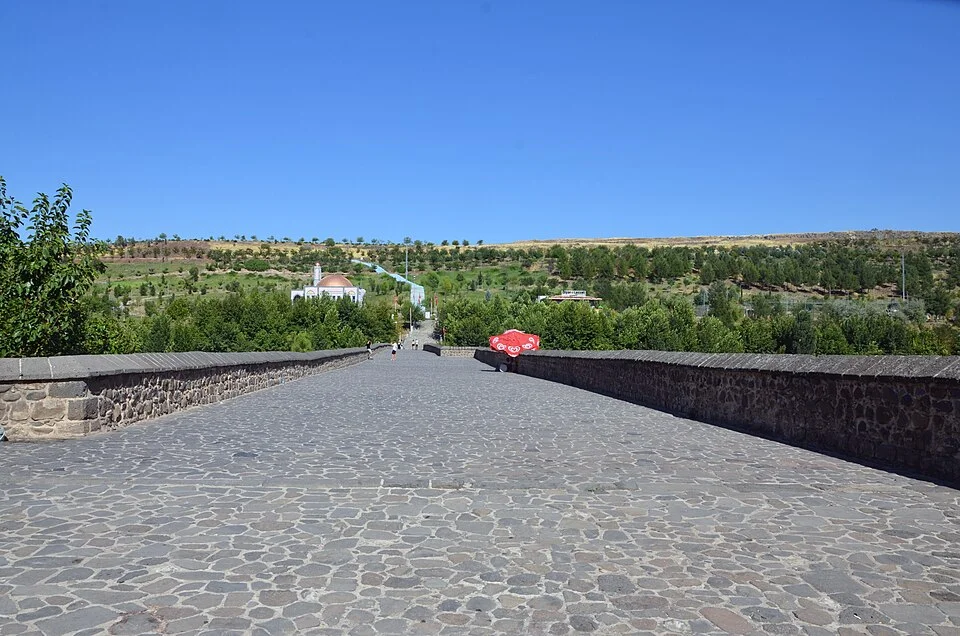
The Ten-Eyed Bridge can help bring the river and city into the same story. Do not assume it automatically belongs to every short walk inside Sur; plan the outward and return connection separately. A wide view can be appealing, while stone and water details offer other compositions. Remain in safe, permitted areas and avoid a photography route that depends on descending to uncertain river edges. If you want to spend the evening here, learn how you will return before setting out. A landscape pause can become a highlight without requiring a long list of activities at the same location.

Malabadi Bridge: keep it separate from the centre
Malabadi Bridge frequently appears in older Diyarbakır lists, but it is not a short detour from a central Sur walk. Investigate it as a separate outing beyond the city centre. Transport, visitor arrangements and the return journey determine whether it fits your trip. With only one day, there is no obligation to interrupt the central experience simply because the bridge appears on a list. A longer visit can give it its own place in the schedule. Appreciate its history and architecture rather than relying on absolute global records or a claim that every visitor will feel the same emotion there.
What to eat in Diyarbakır
Liver kebab, meftune and burma kadayıf are different options to investigate if you are curious about local cooking. You do not have to try everything in one sitting. Assigning one dish to lunch and another to a later pause keeps the walking day more comfortable. Ask about meat, seasoning, preparation and portions, and state allergies or dietary preferences clearly. For breakfast in an inn, include the level of activity and seating arrangements in your choice. The Tatilmerkezi Stork suggests approaching a table with curiosity rather than automatically choosing whichever venue is described as the most famous.
Transport and choosing an accommodation area
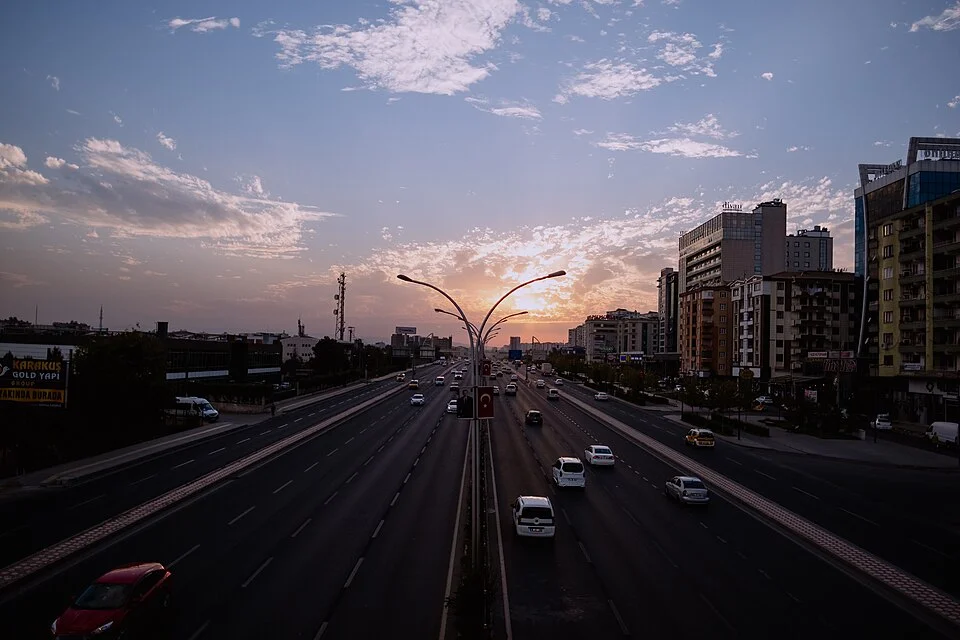
Assess accommodation through access to your Sur route, arrival point and daily needs. A historic view does not explain luggage access or night-time quiet; ask the property about those details. Combine central walking with suitable local transport, and investigate separate connections for the river or more distant outings. When arriving from the airport or bus terminal, confirm current routes with the relevant operator rather than using years-old line numbers and prices. On departure day, adjust the sightseeing programme around bags and transport. A convenient position in the centre does not mean you are close to every destination outside it.

A flexible two-day Diyarbakır itinerary
On the first day, combine the Ulu Mosque area, Hasan Paşa Hanı and streets inside Sur. Add Cahit Sıtkı Tarancı's house if literature interests you. Give İçkale and the museum more time on the second day, followed by an appropriate Hevsel viewpoint and a Ten-Eyed Bridge pause. Swap the days around visitor arrangements, weather and your preferred pace. With a single day, keep the main Sur stops and one cultural visit. Leave Malabadi for a separate outing rather than rushing the centre to add it. This route is an editorial suggestion; the best sequence follows the interests of your group.
Photographs that show different city layers
Walls and gateways, an inn courtyard, traditional domestic architecture and the river landscape offer different subjects. Changing the scale from a wider view to stone details can make a fuller visual story than repeating one panorama. Respect museum photography rules and worship arrangements, and ask before photographing people closely. Avoid entering closed structures or private land for a view. Leave room for shifting light and weather in the schedule. The purpose of a photograph is to remember the visit, not to turn every part of it into a search for a dramatic angle.
Frequently asked questions
How many days should I allow for Diyarbakır?
Two days provide a flexible first plan for central places, a museum and the Tigris setting. Add time for distant outings or a more detailed cultural visit. Arrival times and visitor arrangements can change the scope.
Can I explore every part of the walls?
No. Do not assume unrestricted access to all towers or wall-tops. Follow visitor directions and do not climb protected sections. Appreciate the views from appropriate open areas.
Does Malabadi belong to the central route?
Treat Malabadi as a separate outing beyond the centre. It is not a stop to insert casually into a short urban walk. Investigate transport and the return journey independently.
Sources and current visitor information
Information checked on 1–2 October 2026. Recheck official admission, works and menu arrangements for your travel date.
- diyarbakir.ktb.gov.tr — cahit sitki taranci evi etnografya muzesi.html
- diyarbakir.ktb.gov.tr — hanlar kervansaraylar.html
- diyarbakir.ktb.gov.tr — ickale.html
- goturkiye.com — see
- goturkiye.com — tat
- whc.unesco.org — 1488
The Tatilmerkezi Stork is our brand's storytelling character. This guide combines official sources and editorial route suggestions; it is not a personal travel diary.