The Lycian Way: a holiday that reads the landscape on foot
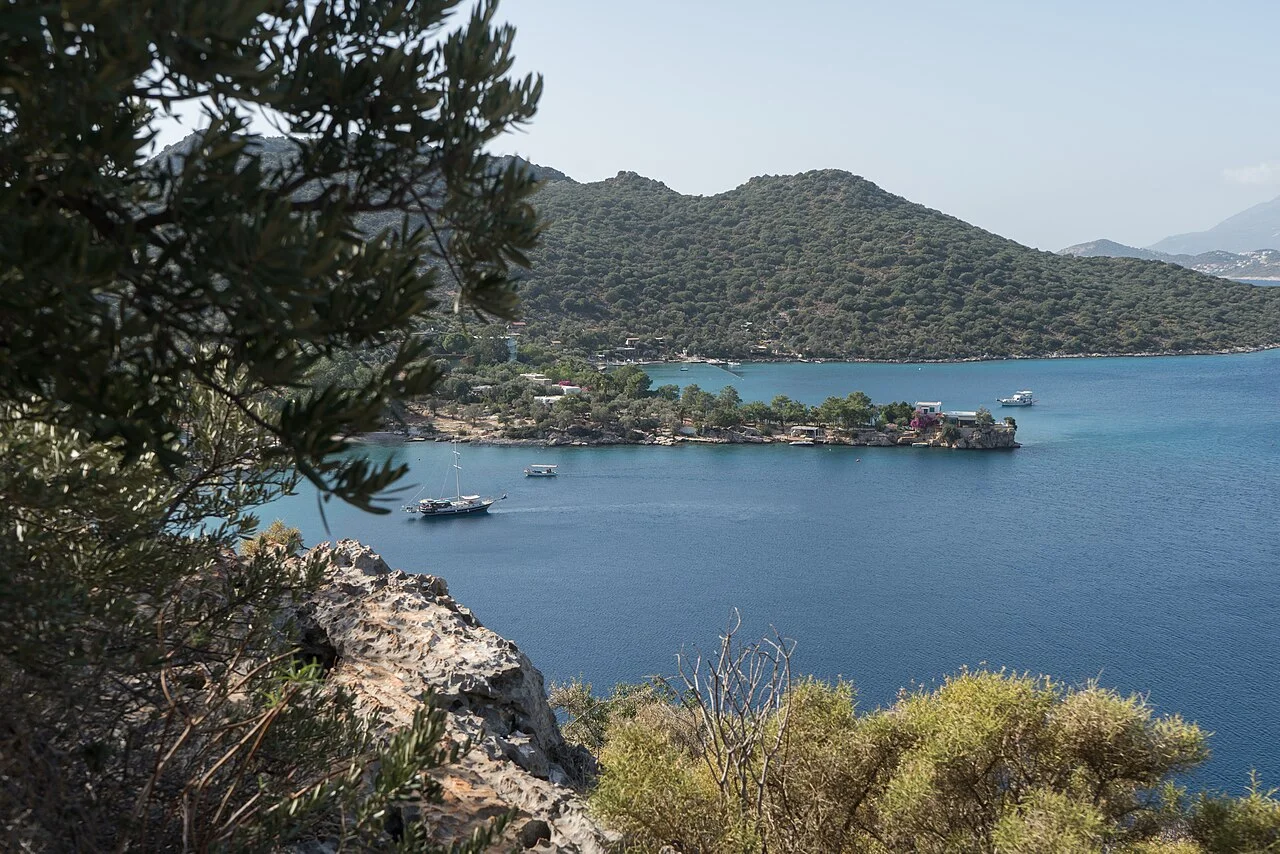
Looking at a coast through a vehicle window and hearing your own footsteps in front of it are different experiences. That distinction is part of the Lycian Way's appeal. Even when the sea remains visible, a path can climb, become stony or turn inland and demand your attention. For a first visit, the Tatilmerkezi Stork suggests choosing a suitable section instead of promising to finish the entire route. Your introduction might be a day walk, a journey between a few overnight stops or a longer trek. The five questions below address preparation as well as destinations. Coastal views near Fethiye, walking possibilities around Kaş, the Gelidonya area and a historical pause at Patara may appear on the same regional map, but they do not belong to the same day's itinerary. Begin with your walking experience, season, pack weight and return transport. A landscape selected for a photograph should not become an obligation to tackle a stage beyond your daily capacity.
Question one: where is the Lycian Way and which part should I choose?
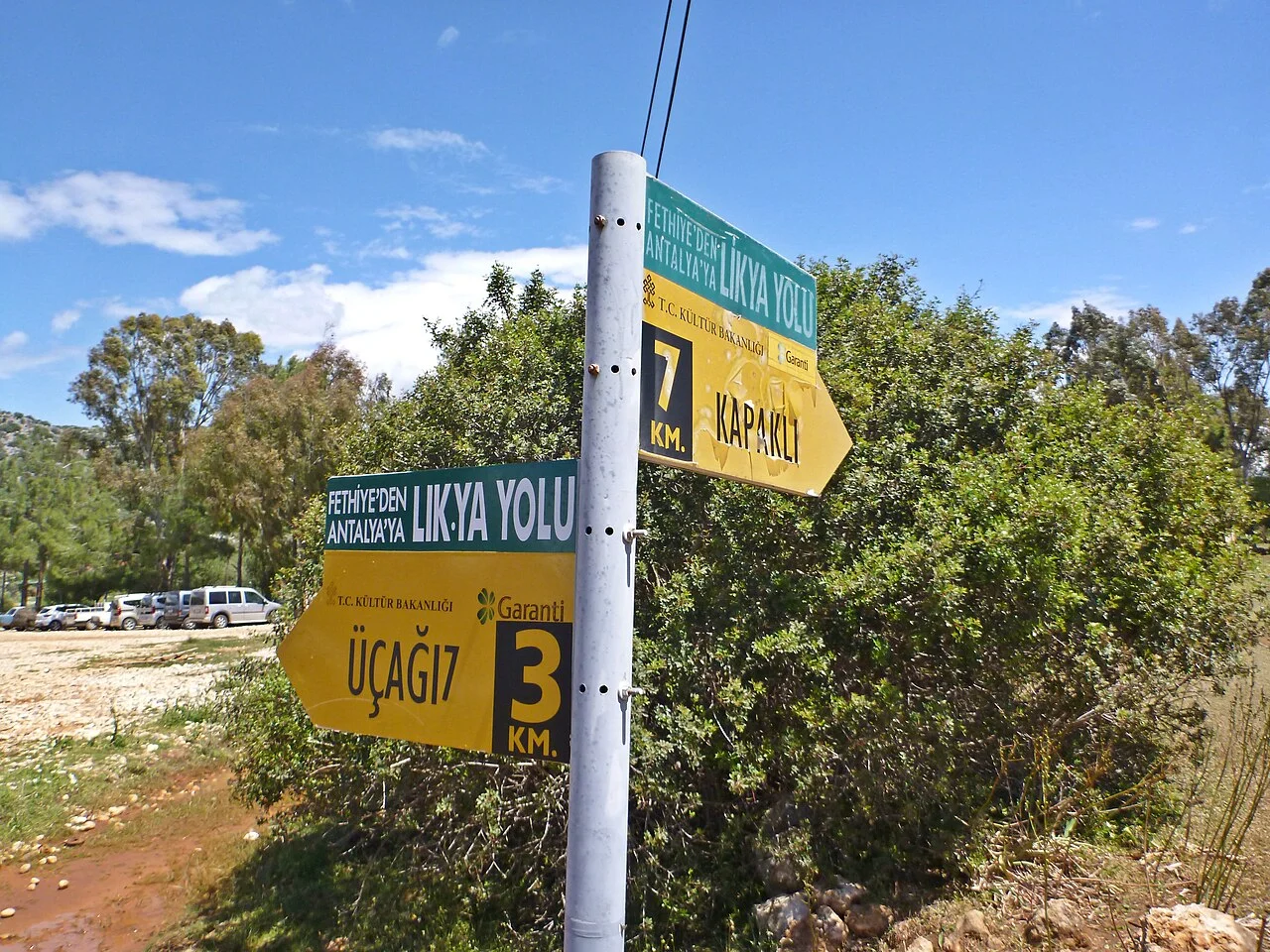
The Lycian Way is a long-distance walking network across the coastal and mountain country of the Teke Peninsula, between the Fethiye and Antalya sides. Different sources give different overall distances, reflecting extensions and the routes counted. For your holiday, a current map of the section you intend to walk matters more than a single total. On the western side, rising paths around Ölüdeniz can provide a scenic introduction, but proximity to the coast does not imply level walking. For a section around Kaş, arrange the journey back from its finishing point separately. Assess a Gelidonya-area choice in relation to vehicle parking or an actual return transfer. Rather than distributing a handful of walking days across these distant areas, staying within one region reduces logistics. A first attempt is easier to understand when it has a clearly defined shorter section, a return point and an option to stop. Establish the exact path involved before you commit to accommodation.
Question two: do waymarks remove the need for preparation?
Red and white marks are associated with the route, but they do not promise an uninterrupted, current navigation system. Carry a current record of your chosen section offline, allowing for side paths, older marks and changed alignments. Check your phone charge, that the map opens and that accommodation contacts are accessible before setting off. The Culture Routes Society's update pages describe some changes with dates; an old notice should not be read as a report of today's conditions. Combine mapping with recent local information. Assess a day by more than distance: ascent, rough ground, pack weight and breaks affect duration. For a trial walk, an early point at which to decide on the return is useful. Build the itinerary around a pace the whole group can maintain rather than its fastest member. At an uncertain junction, reassess from the last confirmed position instead of continuing in the hope that the problem will resolve itself. If your experience is limited, a locally guided introduction can make route selection more concrete.

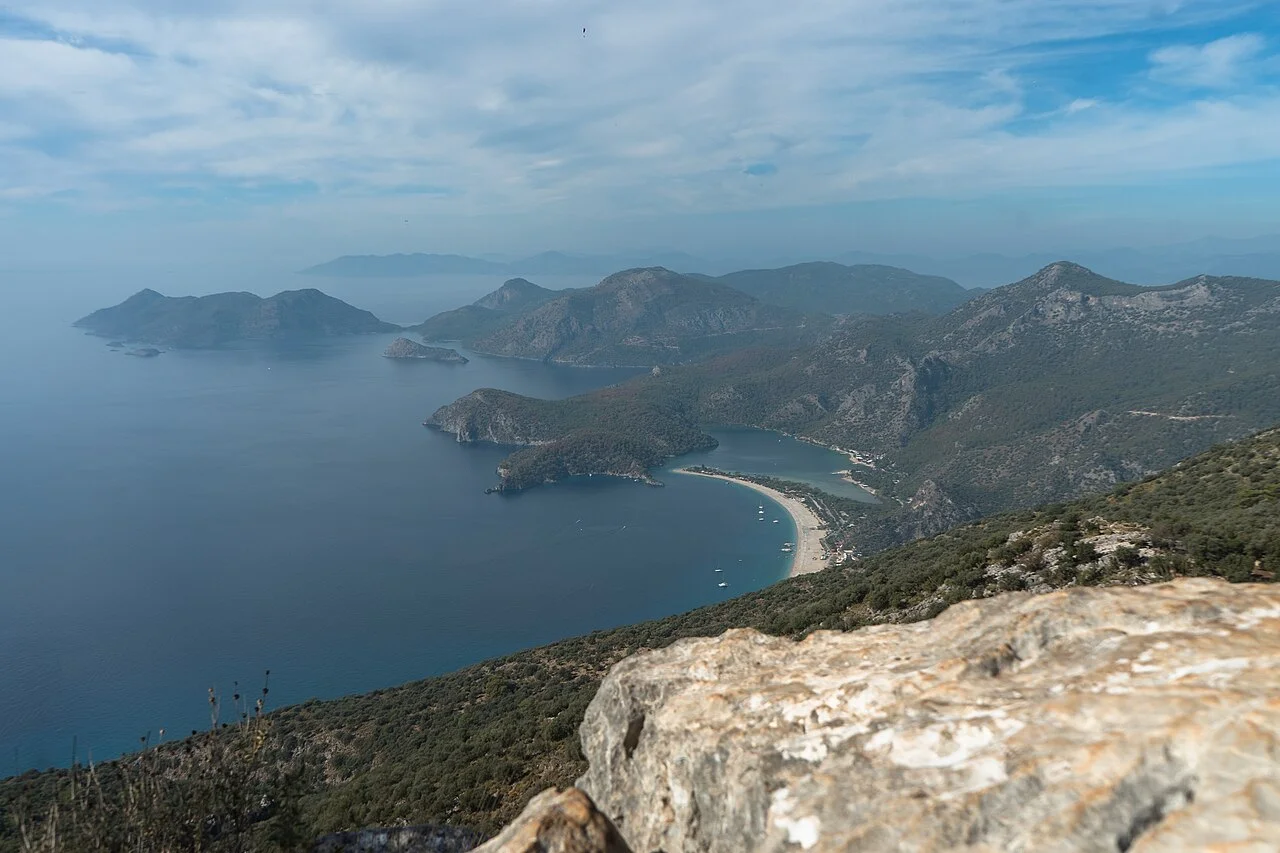
Ölüdeniz views in the west: a shorter walk and a full stage differ
An Ölüdeniz panorama can easily inspire a walk, but a photograph from a viewpoint says little about whether the approach suits everybody. Choose a western base using the actual address in Fethiye, Ovacık or your selected village, since their connections to a starting point differ. A day trial requires a light pack and an established return; a multi-day walk requires overnight stops and a carrying plan. Two options in the same coastal area may therefore need different preparation. If you intend to swim afterwards, allow separately for tiredness and the journey to the shore. A steep descent should not be treated simply as transport to a beach. Accommodation that fits the finishing point may allow a more comfortable recovery than a lengthy transfer at the end. The view's enjoyment can outlast a last-minute addition that makes the itinerary difficult. Removing a place does not make the journey incomplete. It gives the chosen walk room to become the day's main experience rather than one item in an overloaded schedule.

Question three: how do season, water and a day pack fit together?
Spring and autumn generally offer a more useful framework for longer walks than summer heat, but forecasts and local conditions still need checking for each section. Coastal temperatures and higher ground should not be treated as identical. Plan water around duration, heat and your needs, and do not assume a fountain shown on a map will be running. Before leaving, establish the next confirmed place for water and supplies. Drinking water, portable food, sun protection, layers appropriate to weather changes and power for communication help complete a day plan. Try new footwear on a shorter walk before making it part of a long stage. On a multi-day trip, carrying a tent does not automatically solve accommodation: camping permission and use of the proposed area need separate confirmation. Check official notices concerning fires, forest access restrictions and protected places for the actual day. Leave closed or prohibited ground out of the itinerary, however attractive the photograph might appear.
Gelidonya: consider the lighthouse visit together with its return
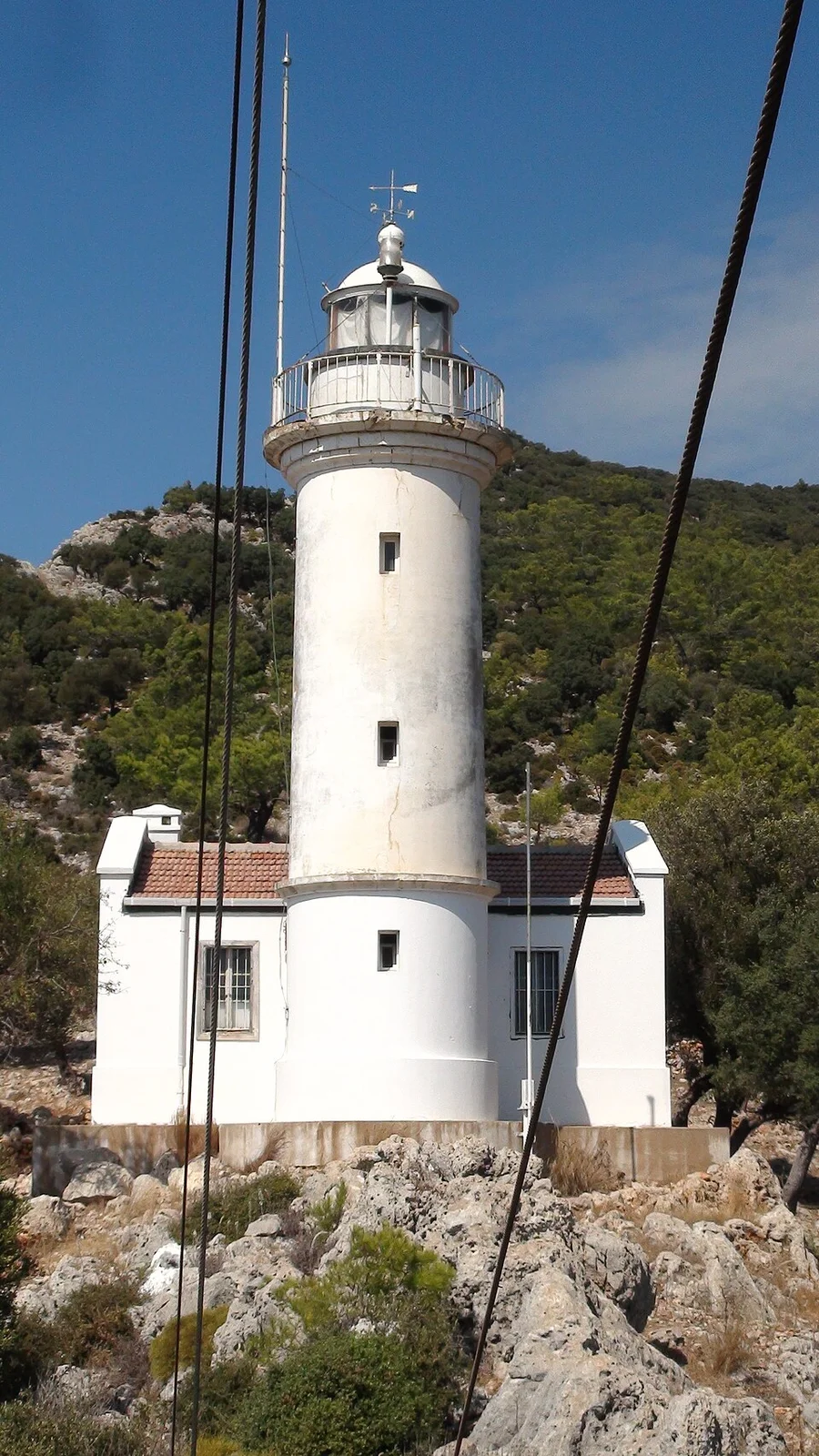
Gelidonya Lighthouse can give an eastern-area walking plan a memorable landscape focus. Presenting it as a quick motoring stop, however, conceals walking and return requirements. Assess the path, elevation and way back from the access point you choose using current route information. Returning along the same way and continuing to another settlement impose different demands. Base the choice on the group's energy, daylight and whether your transfer is genuinely arranged. Do not label a whole section easy after looking only at the immediate lighthouse surroundings; shaded and exposed ground, descents and ascents need different consideration. Avoid postponing lunch because you expect an open business to appear along the path. Portable food and a dinner discussed with your accommodation can provide a steadier routine. You do not need to enter a building or working area to appreciate the setting. Remain in public, permitted spaces and leave enough time for the return instead of making a last photograph the reason for a rushed finish.

Question four: how should accommodation, transport and meals connect?
First establish the finishing point, then connect it to accommodation and transport. When booking a village guesthouse, discuss dinner, the following breakfast, drinking water and arrival arrangements as well as the room. Clarify luggage transfers or collection at a stage's end separately and in writing where needed; businesses do not all offer the same service. For the western area, Dalaman Airport's official public-transport page identifies a shuttle connection towards Fethiye. Check operation for your date with the provider. For the eastern area, Antalya Airport's official bus and tram information offers a starting point, but do not assume one vehicle runs directly from the terminal to your chosen path. After a walk, a soup, vegetable dish, yoghurt or a suitable main meal can make a straightforward dinner, chosen from the actual menu. Ask about local products rather than expecting an invented fixed-price walkers' special. Buying the following day's portable food in the evening avoids a search for a shop that may not yet be open in the morning.
Question five: how can Patara and historical stops join the journey?
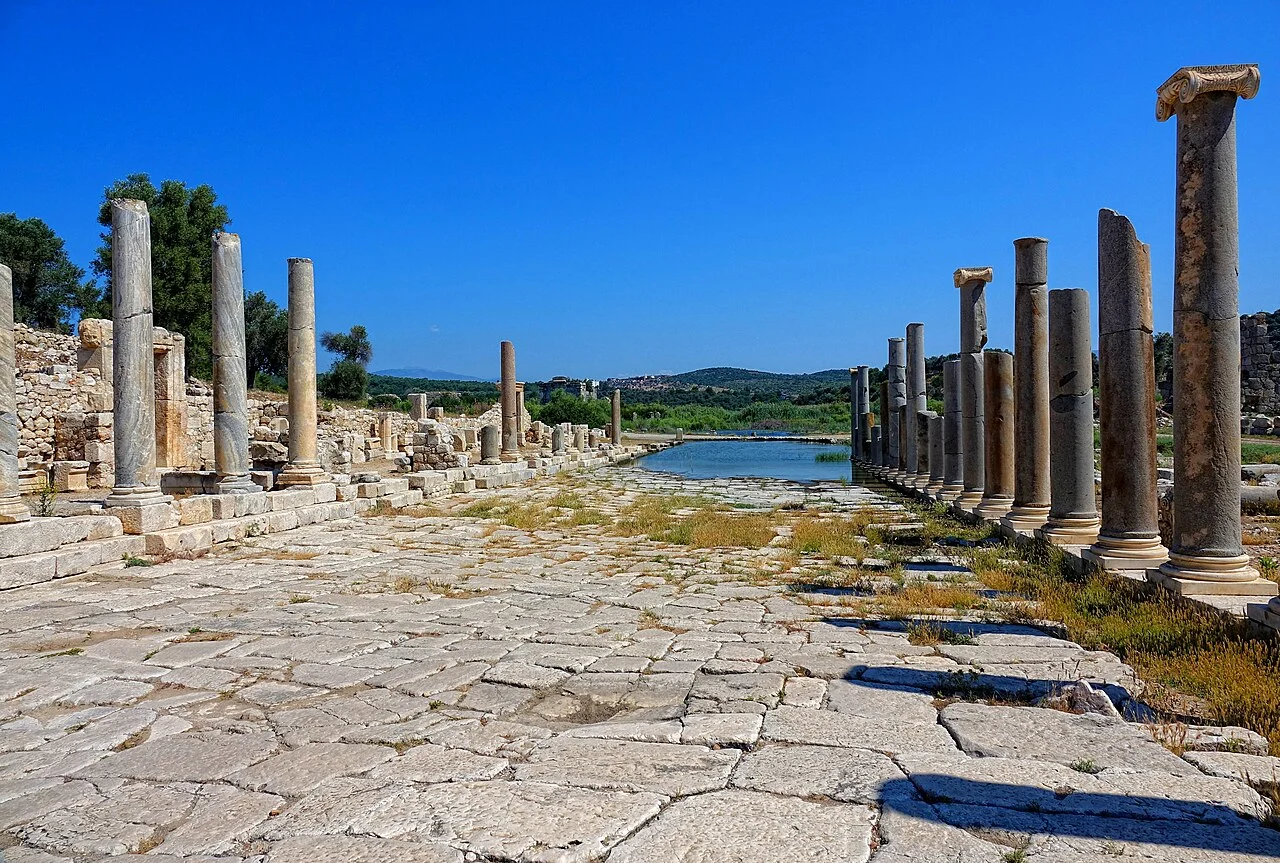
An ancient city such as Patara adds another way to understand a walking holiday. Paved spaces, columns and the theatre area require visiting time of their own; they are not simply stops to consume quickly after a long stage. A separate half-day or rest day can make the archaeological visit more rewarding. Check entry conditions and opening arrangements through the official museum source for your travel date instead of fixing an older ticket price. Stay on permitted visitor routes, avoid climbing remains and follow conservation notices around the shore. For a short three-day break, one possible balance is a first day establishing the base and preparing, a second day for a selected walk and a third for history or a coastal pause. This is a holiday framework, not a prescription for consecutive walking stages. It helps a newcomer avoid turning every day into a performance test. For the Stork, a good Lycian Way memory includes finishing a sensibly designed day with enough curiosity left to appreciate the landscape, as well as whatever distance has been covered.