
Dortmund's story extends beyond a football match. One part of a visit might take you to buildings associated with the city's cultural life, while another opens onto reflections across a lake. The excitement of black and yellow can share an itinerary with quieter green spaces. This time the Tatilmerkezi Stork explores a Ruhr city without tying its curiosity to just one theme: culture in the centre, a selected park to the south, the waterfront in Hörde and, if the programme suits your dates, a dedicated football visit.
Two days can provide a useful starting point for a first visit, with choices shaped around your interests. The allocation below is editorial advice rather than a claim that every attraction sits close together on a walking circuit. Instead of treating Dortmund as a tiny old town where all museums can be completed in one morning, combine the centre with one selected outer area. If a match is your main reason for travelling, build the rest of the visit around the time shown on your ticket.
Your first walk through central Dortmund
For rail arrivals, the Hauptbahnhof area is a natural starting point. Keeping part of the first day central can reduce unnecessary journeys between luggage storage, hotel check-in and attractions. Mark the station, your accommodation and your selected museum on a map before setting out. That gives the day a shape and avoids leaving an exhibition only to rush elsewhere in search of lunch or a meeting point.
Shopping and cultural visits create different rhythms, even within the same travelling group. You do not have to spend every hour together: agreeing on a meeting place can give everyone room to follow their interests. The Tatilmerkezi Stork recommends allowing for arrival fatigue rather than planning the busiest museum session immediately after a journey. A coffee break and a short orientation walk can be a more pleasant transition into the city's programme than beginning with a tightly timed list of admissions.
Dortmunder U and Museum Ostwall
Dortmunder U is a central stop on Dortmund's cultural route. Museum Ostwall is based here and focuses on art of the twentieth and twenty-first centuries. The city's official museum presentation highlights Fluxus, expressionist painting and contemporary photographic and video work. Check the subject of the current exhibition before deciding how long to stay, rather than assuming that a particular famous artist's work will necessarily be on display during your visit.
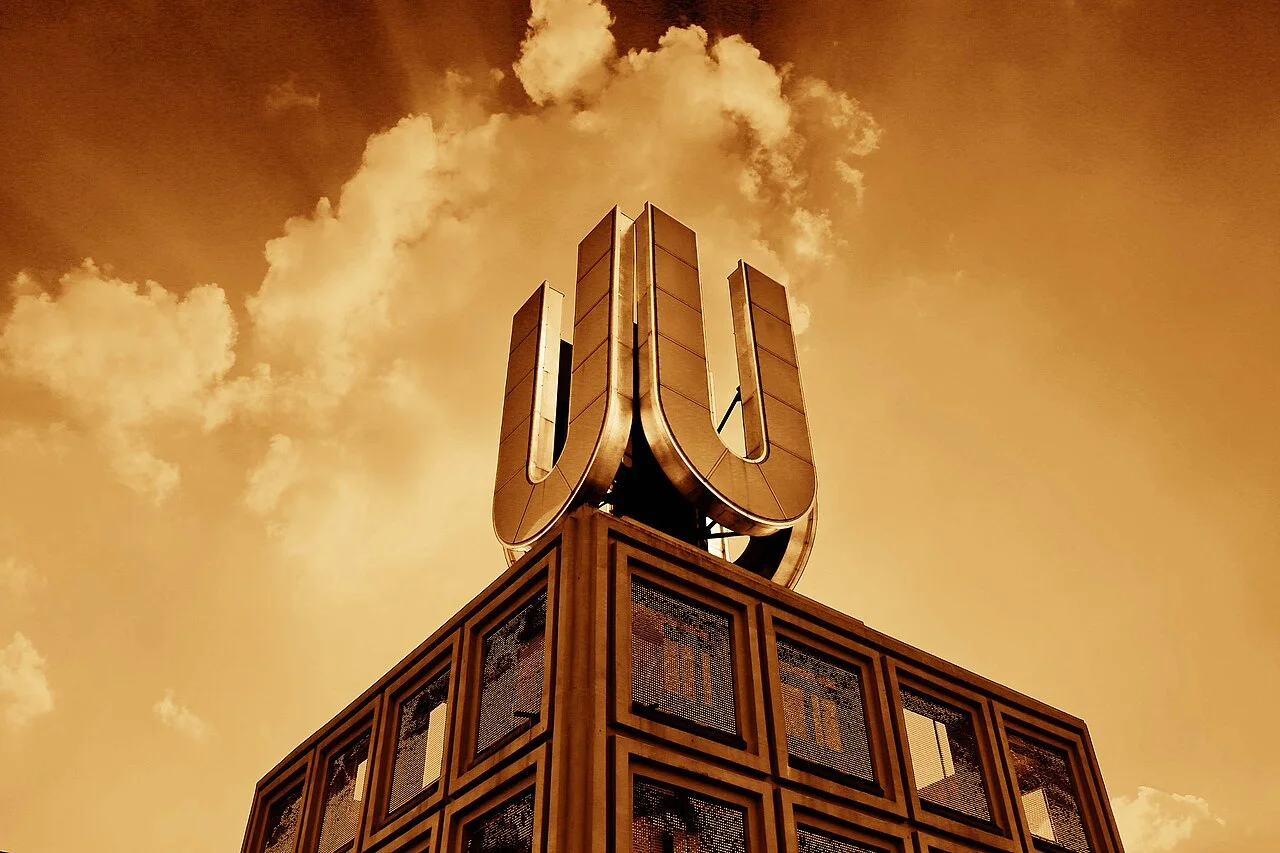

If contemporary art is new to you, try a small exercise: choose one work that catches your attention instead of moving rapidly past every piece. Look at its materials, the relationship between colours or the impression it creates. With companions, discussing one chosen work each can change the rhythm of the visit. Different institutions within the building may run different programmes, so consult the official information for the particular exhibition you intend to see rather than treating the whole building as one undifferentiated admission.
German Football Museum: a cultural stop separate from a match
The Deutsches Fußballmuseum is an option for visitors interested in football history and culture. Watching a match and visiting a museum offer different experiences: one depends on a specific fixture and its atmosphere, while the other gives the subject a longer narrative. If someone in your group is less interested in football, balance the day with art or outdoor time rather than assuming everyone wants a full day devoted to the same sport.
Review the operator's current exhibition, ticket and visitor information. Do not assume a temporary programme continues on every travel date, or that museum admission also includes entry to the stadium. For a family visit, choosing a subject children are interested in can be more enjoyable than trying to work through everything at the same pace. This may be a useful indoor option in wet weather, though opening and booking arrangements still need to fit the day of your trip.
SIGNAL IDUNA PARK: plan the football experience you want
When visiting Borussia Dortmund's stadium, distinguish a match, a guided tour and an independent stadium walk. BVB's Stadium Walk follows a marked route without a guide; it is a different product from a guided tour. Match preparations, events and work can affect access to particular areas. Before committing to flights or accommodation around a stadium visit, check the official BVB programme for the type of experience and date you actually want.
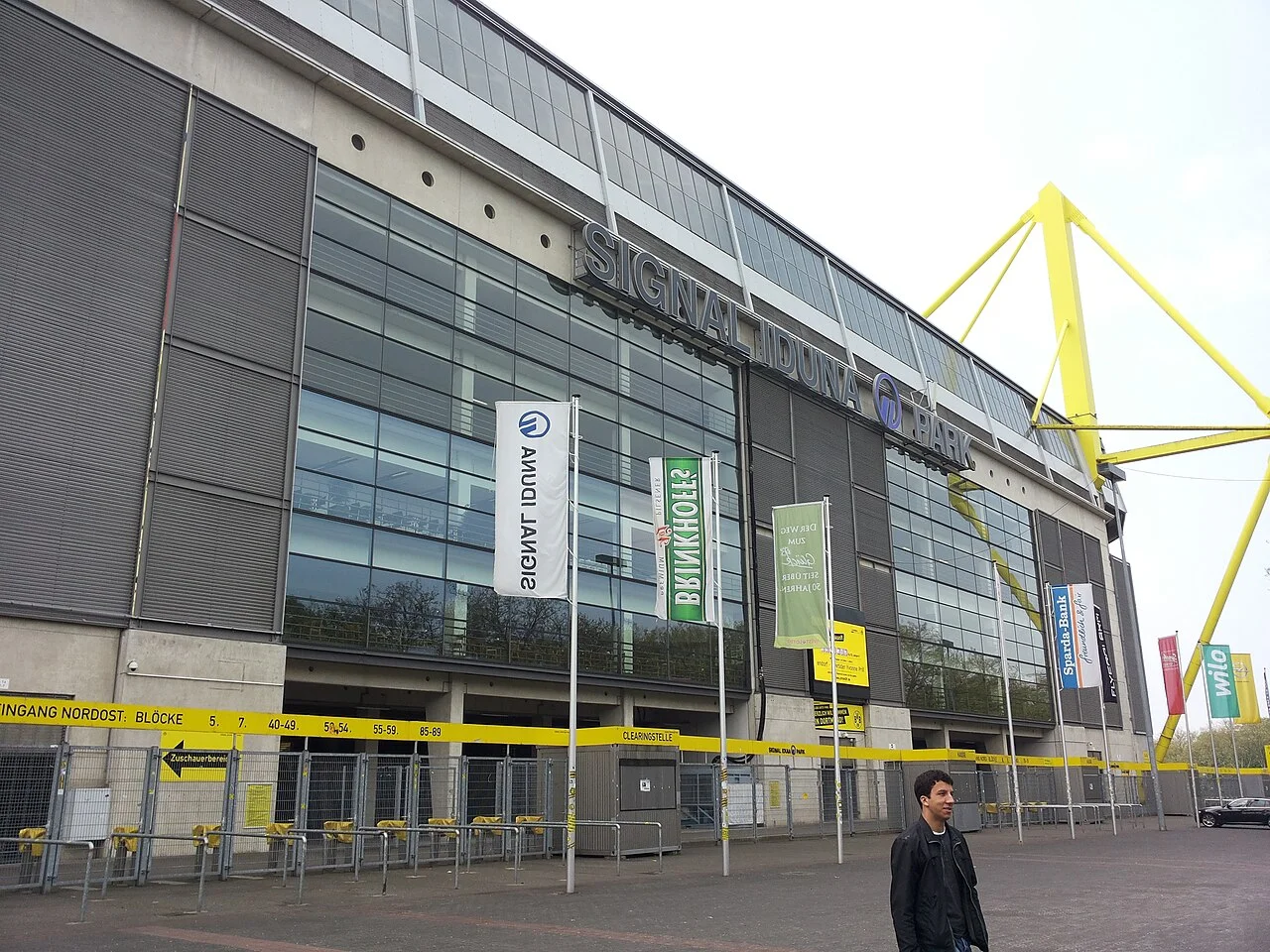

Accessibility needs also require selecting the right product. The official independent Stadium Walk page states that this option is not wheelchair accessible, while the club lists separate guided accessible tours. A match ticket and a tour ticket are not interchangeable. Leave flexible time for arrival, admission arrangements, crowds and the return journey. The Tatilmerkezi Stork would rather give a football visit breathing room than turn the anticipation of entering the stadium into a race between transport connections.
Westfalenpark: a change of pace outdoors
Westfalenpark provides a separate outdoor component after a day shaped by museums or football. Walking, taking photographs and resting can each become the main purpose of a visit, depending on the weather and your energy. The silhouette of Florianturm is a recognisable feature in photographs of Dortmund. Seeing the tower from the park is different from using a visitor service within it; check the current programme of the relevant facility if that is part of your plan.
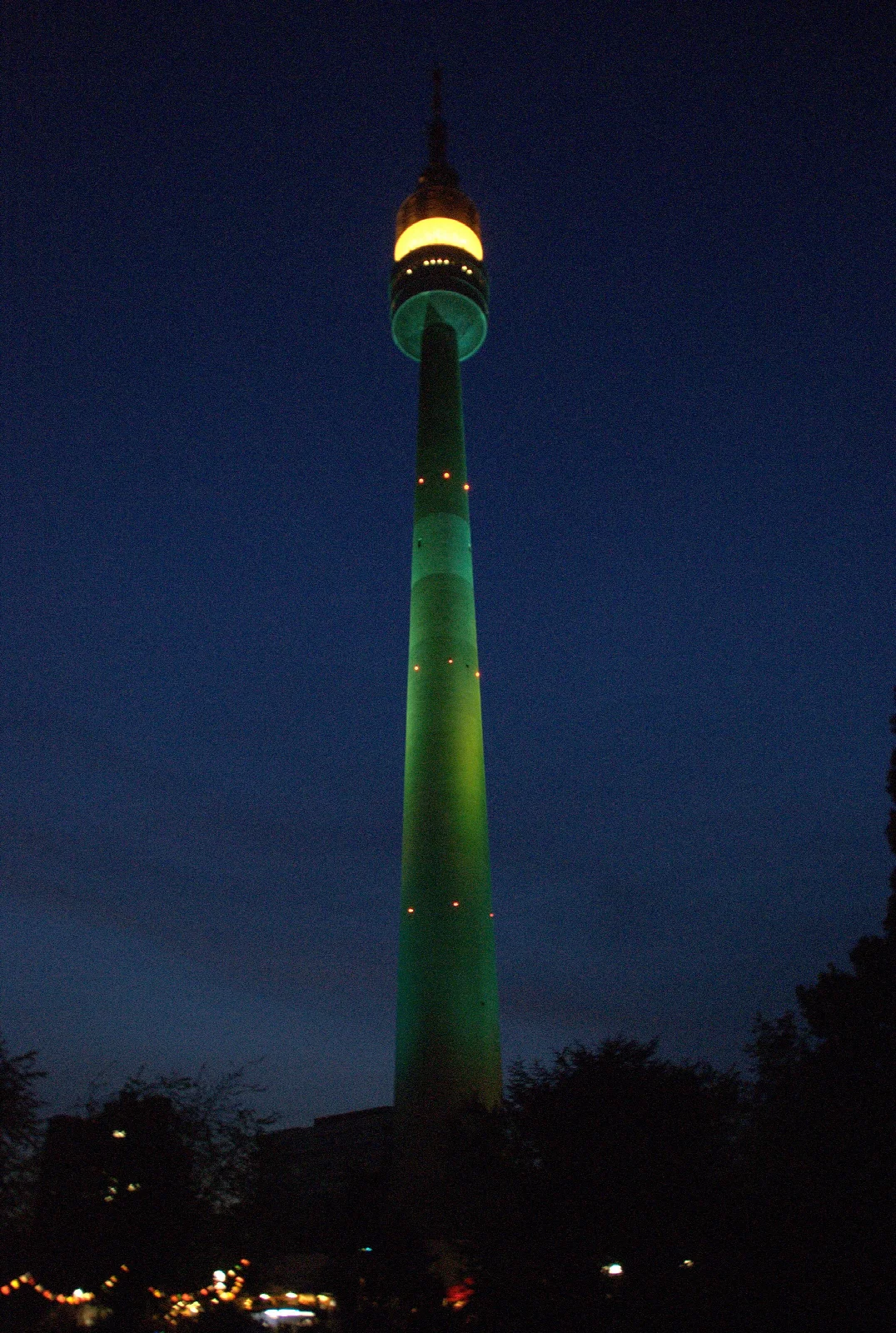

Give the park enough time to be a destination rather than just a quick passage between two other stops. Consider surfaces in wet weather and shade and drinking water on sunnier days. Use the park's official visitor page for admission and event conditions. A special event may operate differently from an ordinary park visit. When travelling with children, a break before everyone becomes exhausted can make the remainder of the day considerably easier to enjoy.
PHOENIX See: a waterfront route in Hörde
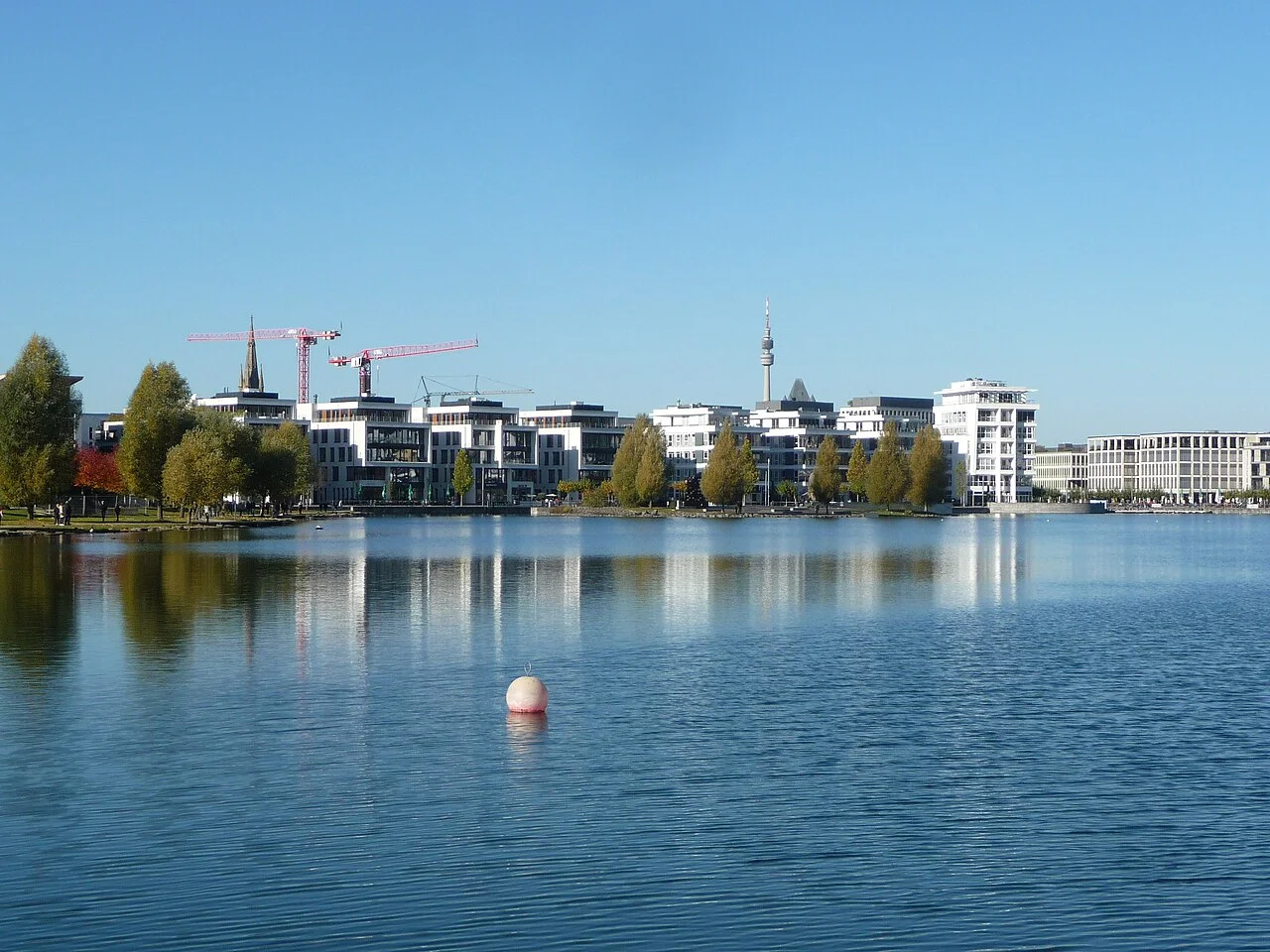
PHOENIX See is in Hörde and should be planned as a distinct journey from the central walking area. It can provide a quieter latter part of a visit. Opening your photographic frame towards water, sky and the waterfront buildings shows another side of Dortmund beyond stadium and shopping-street images. Light and weather change the scene, so there is no single guaranteed hour for the perfect photograph. Leave room to respond to the conditions you find.
Keep shared routes clear when stopping by the water. Fine weather may encourage a longer break, while rain or wind can make a shorter walk and a pre-planned return journey more comfortable. Do not treat swimming, boating or another activity as an automatic extension of enjoying a lake view. Permitted uses and operating arrangements should be checked in official information. The recommendation here is for scenery, a walk and time to pause, rather than a promise of a particular water-based activity.
Rombergpark: an alternative for botanical interests
Rombergpark appeals to visitors who want a more attentive green-space visit, with trees and plant collections shaping the experience. It is a different place from Westfalenpark and PHOENIX See; choose a priority rather than forcing all three into a short afternoon. The outdoor garden and plant display houses have separate arrangements. If the greenhouses are the reason for your visit, check their programme instead of assuming that access to the wider garden means every indoor component is available.
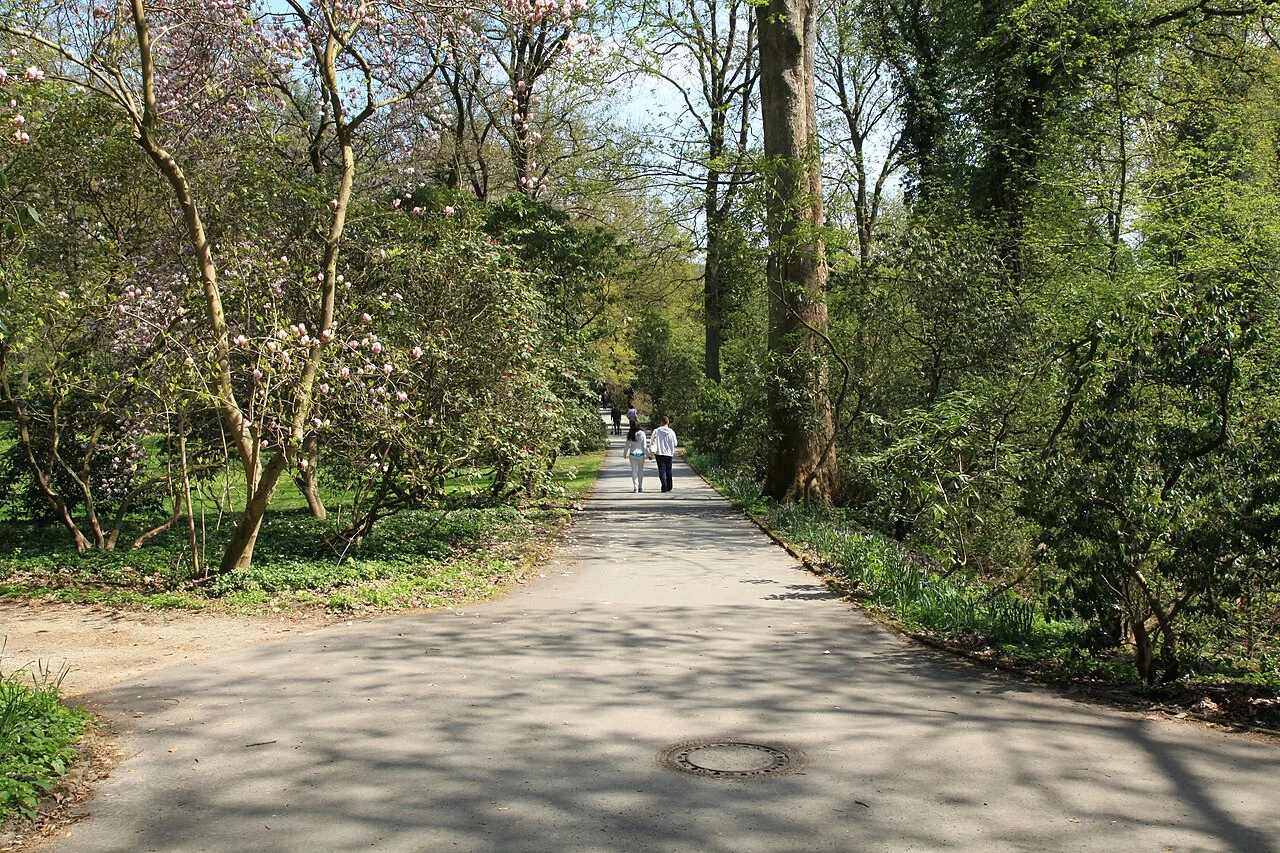

There is also an important cycling distinction: the official visitor information asks people not to ride bicycles inside the garden out of consideration for others. If arriving by bike, use the designated parking facilities and continue on foot. Recheck access and temporary works announcements close to your travel date. You do not need to identify every tree to enjoy a botanical walk; paying attention to leaf forms and seasonal colours can be a rewarding way to explore at a calmer pace.
A flexible two-day Dortmund route
On the first day, allow time for the centre, Dortmunder U and, according to your interests, the German Football Museum. If you visit both museums, place a proper break between them. Taking an exterior photograph is not equivalent to spending time in an exhibition, so account for the type of visit you want. Later, remain central or plan a separate return journey to PHOENIX See. The lake is optional: a relaxed central evening can also provide a satisfying end to the day.
If football is the priority, an available stadium visit can become the main event of the second day. Visitors who prefer green spaces might choose Westfalenpark or Rombergpark instead. On a match trip, arrange the day around your ticket and move other visits to another date when appropriate. If industrial history is the real focus, make room for a separate institution such as Hoesch-Museum, then deepen that cultural route rather than trying to cover every park as well.
Airport transport and choosing accommodation
Dortmund Airport's official information distinguishes AirportExpress, connecting to the main station, from AirportShuttle, connecting to Holzwickede station. These are different routes and ticket products. Do not assume that a general public transport ticket automatically covers the special airport buses; review the conditions for the service you choose. If continuing by rail, leave a realistic margin for arrival, luggage and reaching the platform rather than relying on a perfectly timed transfer.
Central or station-area accommodation may suit visitors prioritising rail connections and cultural stops. Hörde is an area to assess if spending time near the lake matters to you. A stadium visit requires considering its own journey, not simply selecting a hotel labelled central. Compare the exact address, return connections, room conditions and your budget around match dates. Check cancellation terms and recent guest reviews before booking; a neighbourhood name alone cannot guarantee a quiet night or the best choice for your particular itinerary.
Regional food and useful preparation
Dortmund's official food presentation includes regional names such as Pfefferpotthast and Salzkuchen. The former is a name to look for when considering a meat dish, while the latter belongs to local bread culture. Ask the venue about ingredients, serving style, allergens and dietary preferences. Visitors curious about brewing culture can plan a pause according to their own tastes; drinking alcohol is not a requirement for discovering the city or understanding its everyday character.
Comfortable walking shoes, a layer suitable for rain and an offline map can make the day easier. Building a photographic album around different scenes—a cultural building, the stadium, a park and the lake—helps show Dortmund's variety. The Tatilmerkezi Stork suggests giving each theme some space, then spending longer with the one you like most. Instead of remembering the city only through a match result, create a Dortmund route with interests and moments that belong to your own trip.
Frequently asked questions
Is Dortmund worth visiting if you do not follow football?
Yes. Culture around Dortmunder U and Museum Ostwall, a walk beside PHOENIX See and a selected park can form a route without a football theme.
Are two days enough for Dortmund?
Two days can help you combine selected central stops with one outer area on a first visit. A match, longer museum sessions or a deeper industrial-history programme may justify allowing more time.
Can you take a stadium tour every day?
Availability depends on the tour product and the club's programme. Matches, preparations and work can affect access; consult the official BVB dates and conditions before booking.
Sources and current visitor information
Information checked on 1–2 October 2026. Recheck official admission, works and menu arrangements for your travel date.
- bvb.de — oeffentlich.html
- bvb.de — stadium walk.html
- dortmund-airport.com — bus and train
- dortmund.de — dortmund erleben
- dortmund.de — zwischen bier und buedchen
- dortmund.de — museen und kunst
- dortmund.de — museum ostwall
- dortmund.de — botanischer garten rombergpark
- dortmund.de — ihr besuch
- dortmund.de — phoenix see
- dortmund.de — der besuch
- fussballmuseum.de — en
The Tatilmerkezi Stork is our brand's storytelling character. This guide combines official sources and editorial route suggestions; it is not a personal travel diary.