
Dublin deserves more than a single evening in a pub. This time the Tatilmerkezi Stork suggests a walk that moves from the river to a university courtyard, from Georgian doorways to a green interval in the day. With a second day available, Howth harbour can add a coastal chapter. The plan does not attempt to fit the whole of Ireland into a short break. It connects places in central Dublin and offers a separate coastal day, leaving time for a meal and the ordinary rhythm of the city alongside cultural visits.
Build the first day around the Liffey, the Trinity area, Georgian streets and St Stephen's Green. They are a framework rather than a race to complete every possible stop. A longer cultural visit can replace part of a shopping walk; time spent sitting by a square can replace another indoor attraction. A satisfying weekend route leaves several connected scenes in the memory, rather than the largest collection of pins on a map. This is where the Stork slows its wings and lets the city set the pace.
Liffey and Ha'penny: enter the city by the river
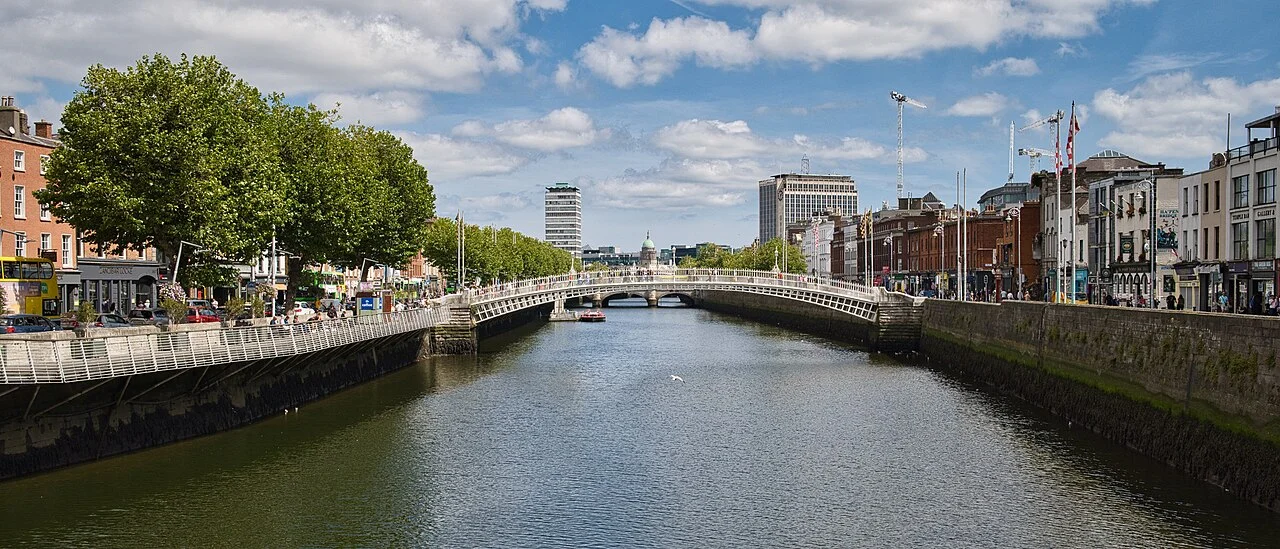
Walking beside the Liffey helps place Dublin's two banks in your mind. Treat the Ha'penny pedestrian bridge as a crossing and a viewpoint, without turning the bridge itself into a long photography queue. Following one bank before crossing gives you different angles on the same river setting. The cover photograph looks east towards Ha'penny from Millennium Bridge. Remember that the viewpoint in a photograph and the bridge you are walking across may be two different places.
An early visit to the streets around Temple Bar can sit naturally beside this section. Reading the area only as a nightlife destination would miss the streets and their relationship with the river. A coffee after the riverside walk and a meal after the cultural stop provide two useful intervals in the day. When considering a room near the river, think about the street its windows face and the evening activity as well as the view. Every room at a central address will not offer the same quiet atmosphere.
Around Trinity: give culture its own time block
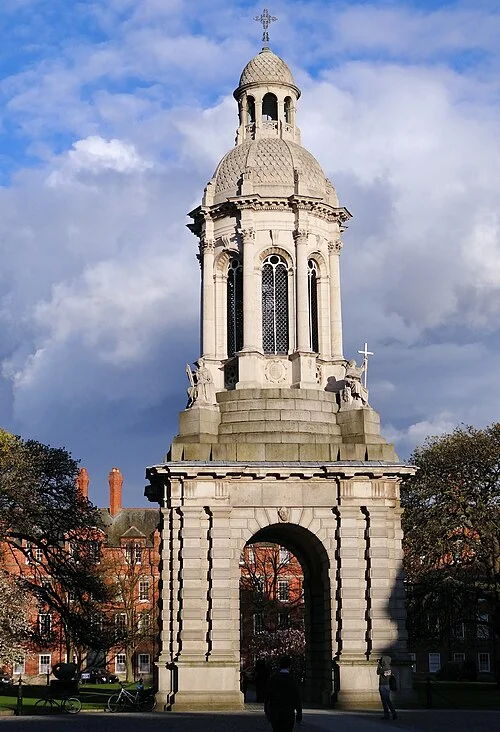
Make the Trinity College area a distinct cultural part of the route. The official Trinity Trails option is designed for visitors who want to explore the campus with a guide. Looking at a courtyard and joining a particular visitor experience are different plans. Establish the entry arrangements through the visit you actually choose. The Campanile photograph shows a historic courtyard, rather than a library interior or an exhibition. Keeping those experiences separate makes the itinerary more accurate.

Choose whether a substantial meal belongs before or after the campus section, instead of placing one on both sides. After a morning by the river, giving the middle of the day to culture and eating afterwards may create a comfortable flow. An interest in books, architecture or the city's educational history can reasonably mean spending longer here than a walking map suggests. Travelling companions do not necessarily need the same length of visit: deciding on a meeting point and a break in advance can accommodate different interests without fragmenting the whole day.
Georgian streets: from doorways to the square
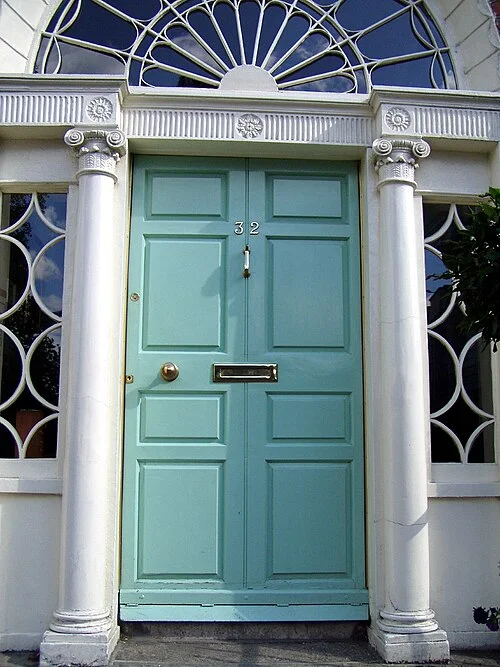
Explore Dublin's Georgian streets without turning the walk into a hunt for one famous door. Around Merrion Square, the line of the facades, changing window proportions and details of entrances can make a short architectural walk absorbing. The doorway photograph is a general Dublin Georgian example and is not attributed to a particular Merrion Square address. Your walk can focus on the rhythm of a street as a whole rather than reproducing a single image.

For a small photographic sequence, begin with the wider street context and then choose an entrance detail from a respectful distance. You can appreciate architecture without climbing private steps or obstructing doorways. A loop around the square can offer an outdoor alternative to adding another long museum session after Trinity. In wetter weather, shorten the architectural section and give more time to the indoor cultural visit. On a clearer day, reverse that balance. The same framework can respond to the weather without needing a completely new itinerary.
St Stephen's Green: a green interval in the walk
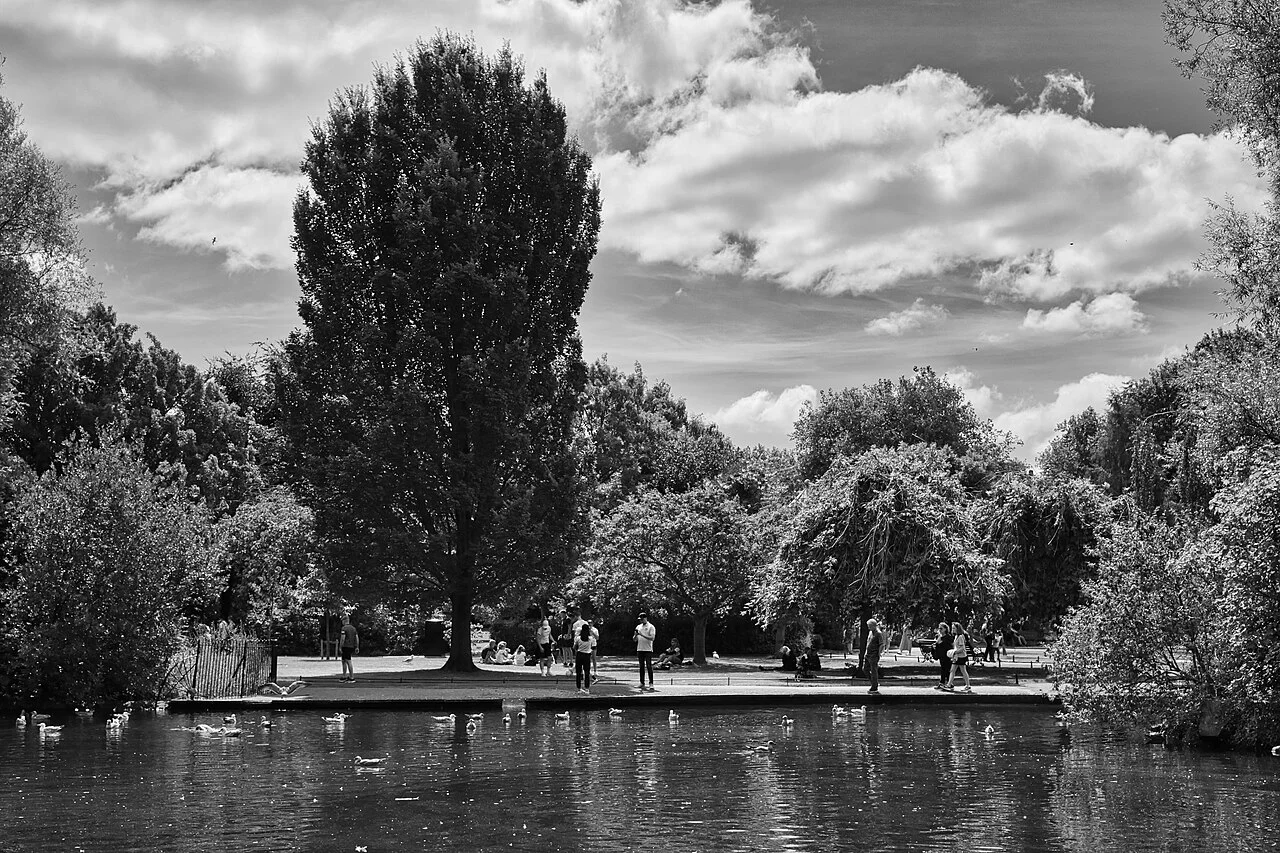
Let St Stephen's Green provide the central day's breathing space. Choosing a quiet section near the pond and looking back at the streets and photographs of the morning may be more rewarding than hurrying to another attraction. The pond image here is an original black-and-white photograph. Its monochrome character is a photographic choice, rather than a description of the park's current light. Arrange the visit according to official access information and connect the remaining time with the nearby central streets.

You do not need to move the entire evening back towards the river afterwards. If you want to stay near the park, place the meal there; if an evening involving music appeals, plan the return walk around that choice. Rather than a large breakfast, long lunch and heavy dinner, choosing one main meal and keeping the others lighter can suit a walking day. Brown soda bread at breakfast, a substantial coddle meal, or a fish lunch saved for the coast can serve different purposes in the same short break.
Howth: open the second day to the sea
Give Howth its own coastal part of the second day rather than inserting it between central attractions. Irish Rail's DART network reaches Howth; distinguish the Howth and Malahide branches when choosing your destination. Plan the outward and return journeys together, then begin with the harbour and place lunch in that area. The photograph is an older harbour view. It does not establish that a particular business is open today or indicate current sea conditions.
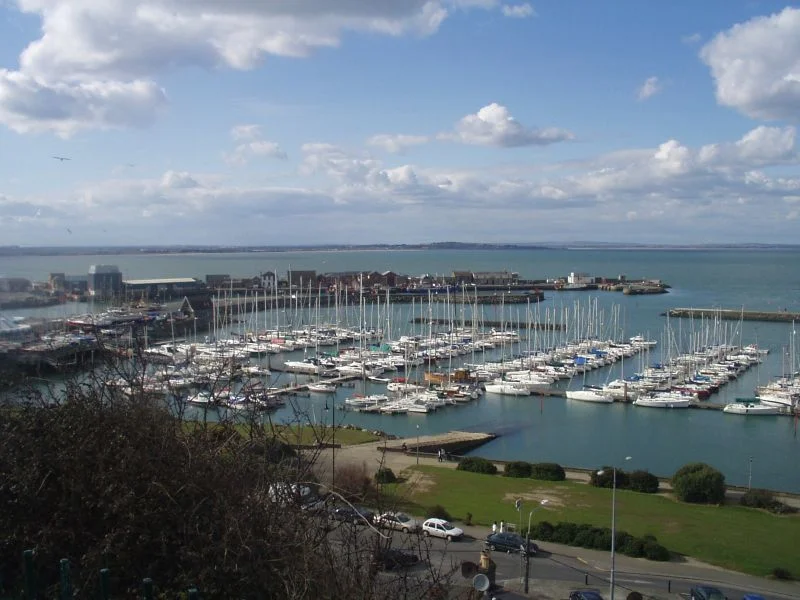

A harbour-focused day and a coastal trail walk need different preparation. If adding a scenic path, make a separate decision about weather, the route and the walking ability of your group. This guide does not assume that every cliff route is open or suitable for every visitor. Staying around the harbour is not an incomplete visit. A fish or shellfish lunch, a coastal walk and a return to the centre can already make a full second day during a short city break.
Food and accommodation: shape the plan around your priorities
Coddle is associated with Dublin and combines sausages, bacon, potatoes and onion. If you want to try it, give it the role of a main meal rather than ordering it between two other substantial dishes. Soda bread can belong to a lighter breakfast or accompany another plate. Saving seafood for Howth lets you explore an urban meal and a coastal meal on different days. Recognising a local dish's name is a starting point; the kind of meal you want and the portion that suits your appetite should guide the final order.
For accommodation, consider access to Trinity, the river and the park together if central walks are the priority. If the coastal journey matters more, add a DART connection to the decision. Instead of suggesting one universally best central address, ask where you want to begin the next morning: beside the river, close to culture or near a rail connection? The Stork's final Dublin suggestion is simple: rather than pulling two days in five directions, give one day to the centre and a second day to the sea.