
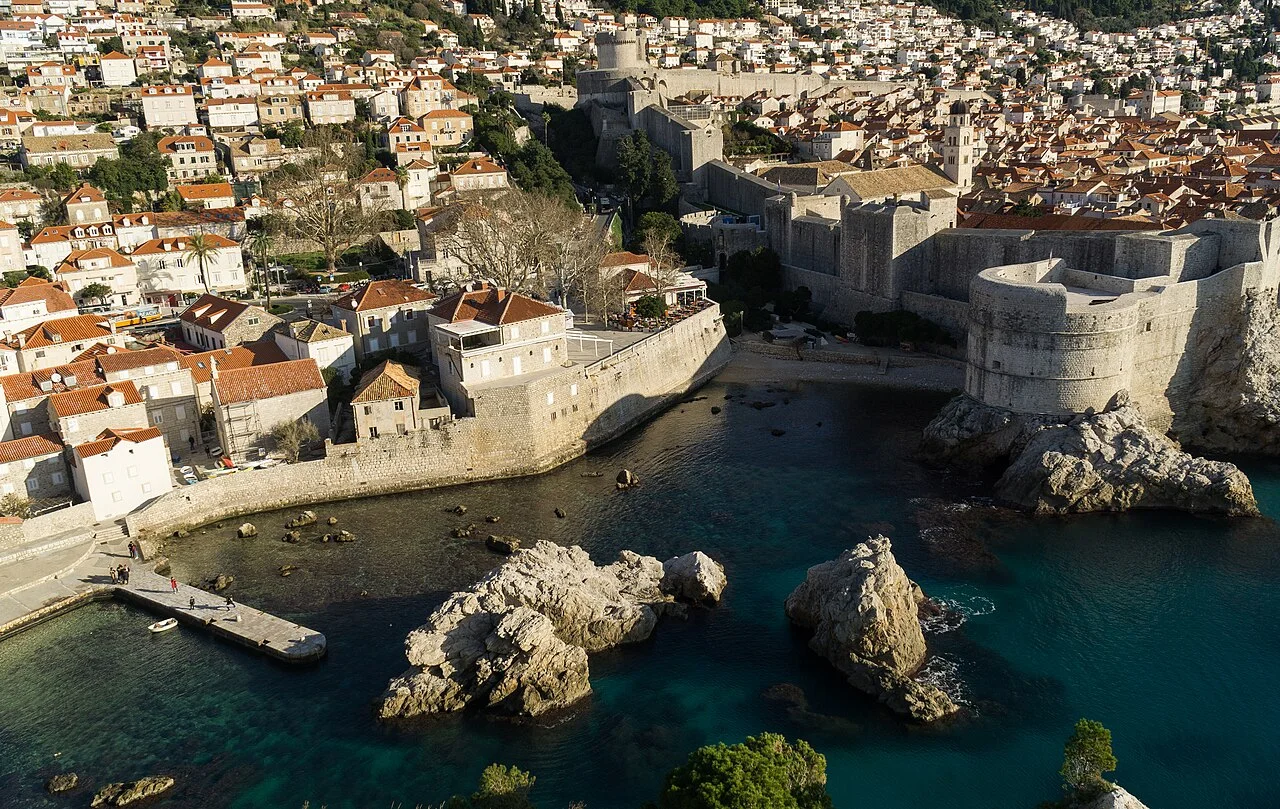
Dubrovnik first catches the eye with stone against blue water. Planning a rewarding visit begins with less glamorous questions: where will you enter the old centre, how many steps separate your room from the street, and when will you walk the walls? The Tatilmerkezi Stork suggests two city days with breathing space. Get to know the place from above, at street level and beside the harbour. You do not need to turn every attractive building into a booking. A pause that lets you notice your surroundings belongs in the itinerary too.
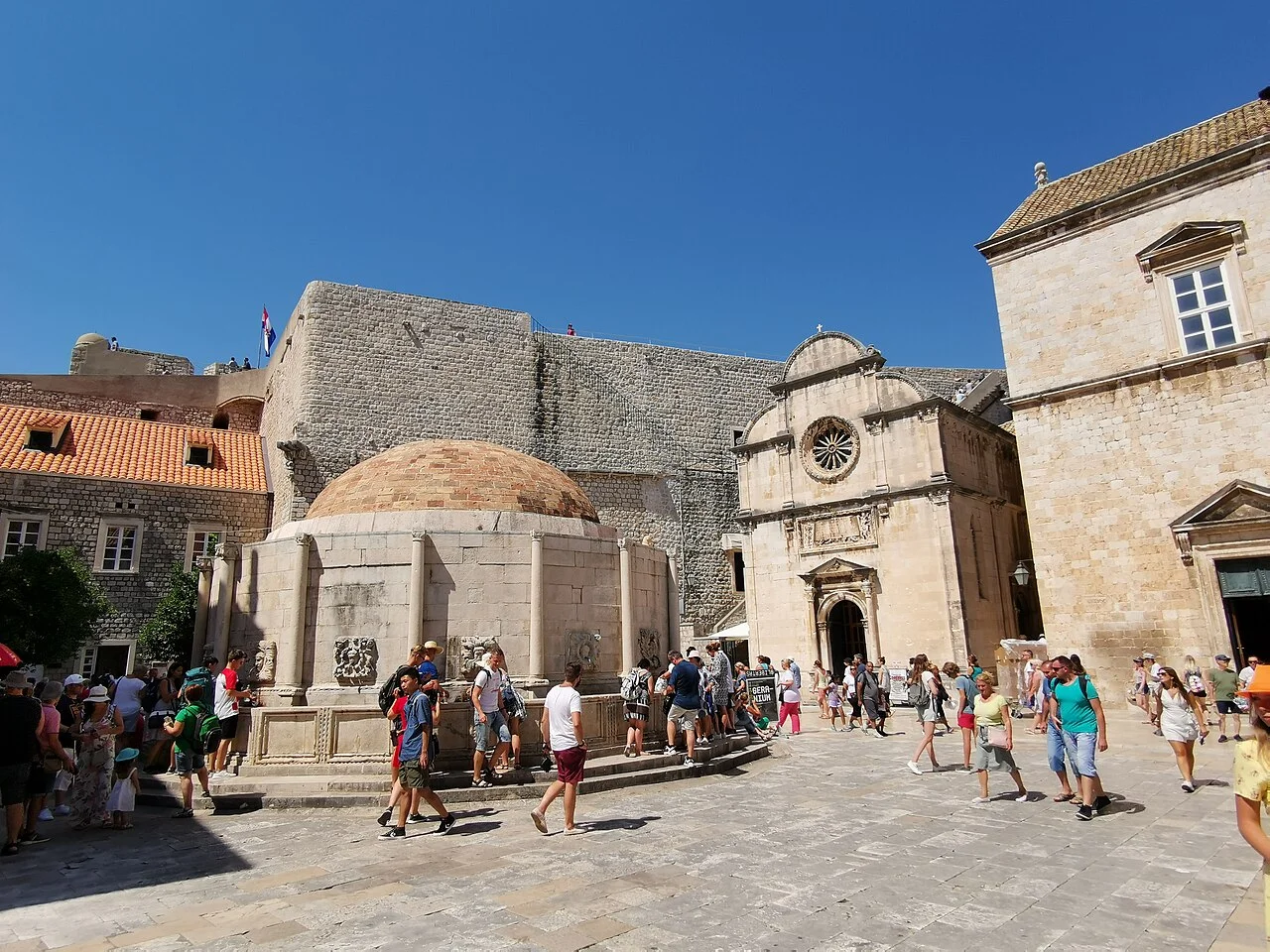

From Pile to Stradun: a manageable first walk
Use Stradun to establish your bearings. Mark the Pile side and the old-harbour side on your map before exploring narrower streets. The large Onofrio fountain and surrounding stone façades can become small stopping points along the way. Keep entrances and passages clear when meeting your companions or taking pictures. Rather than adding every church and palace immediately, decide which interior genuinely interests you. A short orientation walk can make the rest of your visit easier to arrange.
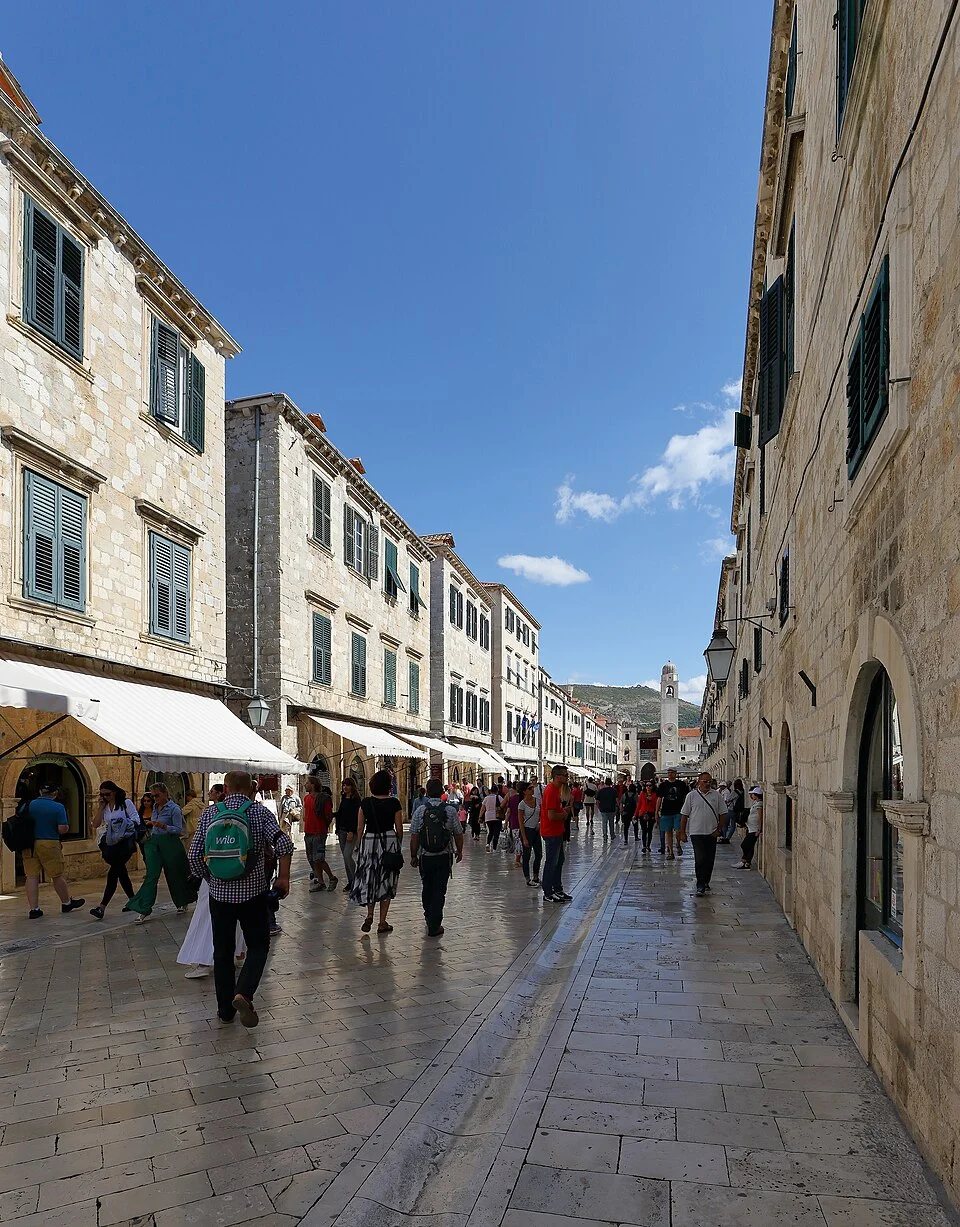

A photograph of an empty lane is not a promise that you will find it quiet. Step aside before checking your phone, and remember that a short street on a map may involve stairs. Leave heavy luggage at your accommodation before sightseeing when practical. Ask your host for the actual approach to the entrance, including steps and luggage access. A room described as central can still involve an awkward final climb. Knowing that before arrival saves more effort than trying to solve it while standing with your suitcase in a busy passage.
The city walls deserve their own time
Treat the walls as a visit rather than a quick picture stop. Consult the official operator for admission arrangements, the selected ticket's inclusions and last-entry conditions on your date. Do not automatically assume that Lovrijenac or another site is included in every product. Leave an unbooked break afterwards instead of stacking timed visits too closely. This guide deliberately avoids a fixed ticket price: the current official sales page is the relevant source when you choose your visit.
From higher up, the relationship between roofs, stone defences and sea becomes easier to appreciate. Steps, sunshine and your group's energy all affect the pace. Bring water and plan for rest in warm weather. With children, balance adults' photo stops against the walking itself. If anyone has mobility requirements, ask the operator about a particular entrance and route; a general description of the walls does not establish access to every section. Reducing the rest of the day's programme after a tiring visit is a sensible choice.
Lovrijenac and a different coastal perspective
Lovrijenac is a separate fortress stop on the Pile side, offering another way to look towards the historic centre. Consider whether a second climb suits your day if you have already visited the walls. Viewing its exterior and arranging an interior visit are different commitments. Check the official operator's visitor information. Assess lower coastal paths according to weather and sea conditions, and do not treat a rocky edge as a safe seat simply because it looks appealing in a picture.
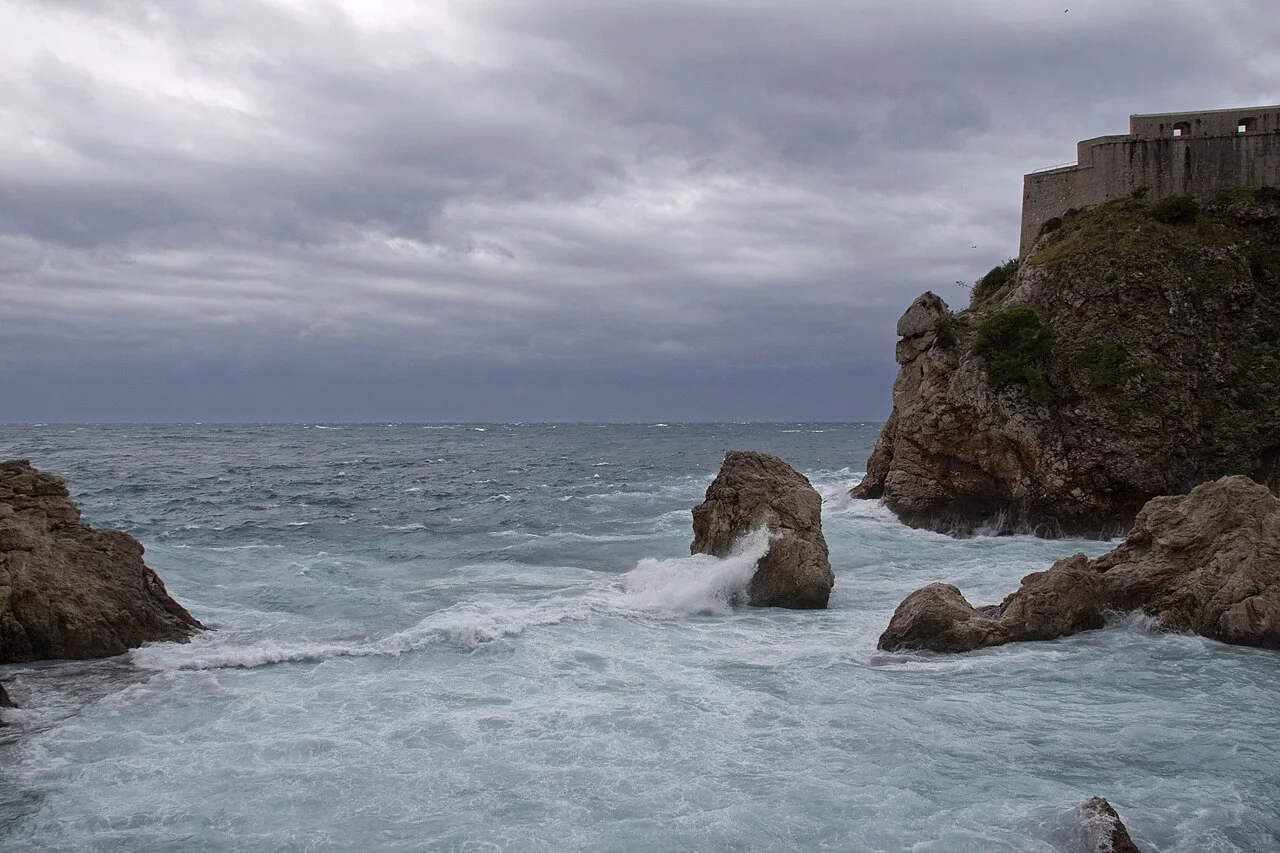

Choose varied scenes rather than attempting to reproduce a single panoramic shot: a stone detail, a street and the waterfront can tell different parts of the day. Put the camera away for a moment as well. The genuine photographs accompanying this guide are archive views made in different years. They show the place, not a guarantee of today's crowds, works or access arrangements. Your own light and energy may suggest a different viewpoint, and there is no requirement to recreate somebody else's composition.
The old harbour and the Rector's Palace
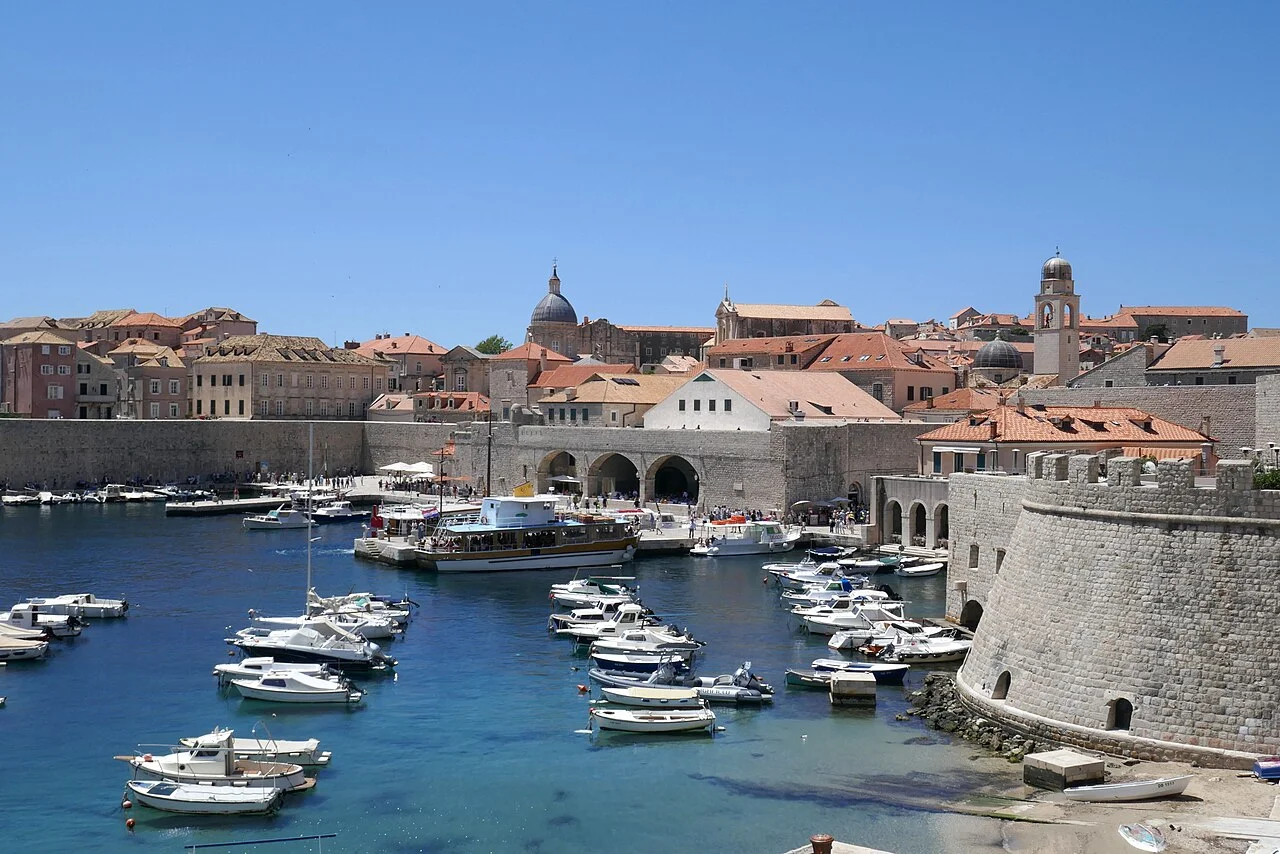
An old-harbour walk can change the tempo after a substantial visit. Respect working areas and do not assume that every boat offers sightseeing services. If considering an island excursion, separately confirm the departure point, final return, cancellation conditions and what the ticket covers. An outing such as Lokrum needs its own transport plan; it is not an automatic extension of a city stroll. With limited time, enjoying the harbour surroundings without boarding a boat can be an entirely satisfying decision.

The Cultural History Museum in the Rector's Palace can add an indoor chapter to a scenery-focused trip. Its official information distinguishes seasonal and special-day arrangements; check your own date before going. Choosing one museum does not oblige you to visit every collection. Allow a short street loop or meal afterwards so that the day retains variety. If rain changes your outdoor plans, recheck admission and closure arrangements before replacing them with an interior visit. Weather flexibility works best when the alternative is properly planned.
A meal that belongs in the day
Archive gastronomic programmes from Dubrovnik's tourism organisation feature options including black risotto and rozata. Treat those names as ideas to explore, not a current restaurant offer or price. Ask which seafood is used, how portions are charged and whether drinks are separate. Ask about a dessert's ingredients too: a local speciality does not automatically suit every dietary requirement. Explain allergies before ordering and use the menu actually being served during your stay.
If lunch needs to fit before a booking, make that clear at the start rather than when you need to leave. For dinner, consider the menu and the food you want as well as the setting shown in photographs. The Stork's suggestion is to give one meal enough time to feel like part of the visit. Trying several establishments is optional. This guide does not promise an available table, an uninterrupted view or a particular bill. Those details should be checked directly when choosing where to eat.
Transport, a suitable base and two city days
Check Libertas for current local bus routes and notices. Confirm airport transfers separately with the airport and chosen operator for your travel date. The airport's direct page could not be retrieved during this research, so no particular airport service number or journey time is asserted here. With a late arrival, establish the last connection and the final approach to your accommodation in advance. Reaching the centre by bus does not establish that your room has a step-free luggage route.
An old-centre base may appeal for a walking-focused visit. Consider the Pile area for proximity to an approach to the centre, or Lapad if a separate coastal and neighbourhood chapter interests you. These are planning options, not claims that every room is quiet or inexpensive. Ask about entrance steps, luggage access and the room's street position. One first day might combine Stradun, the walls and the old harbour. A second could include a chosen museum, Lovrijenac or unhurried waterfront time. If the weather makes an outdoor stop unsuitable, remove it rather than compressing everything.
Frequently asked questions
How many days should I allow for Dubrovnik?
Two city days are this guide's suggested starting point. Island and surrounding-area excursions need additional transport and return planning; do not force them into the same short programme.
Is walking the walls straightforward for everyone?
Steps, heat and the entrance chosen matter. Discuss access needs with the operator using a specific route rather than deciding from a scenic photograph.
Do I need a car?
A central visit can be planned around walking and suitable local transport. Arrange accommodation access, airport connections and any out-of-town excursions separately.