
A country attracting many visitors does not oblige you to put every recognised city into your own holiday. Tatilmerkezi Stork compares France, Spain and Italy through three different travel needs: choosing neighbourhoods in a large city, separating an island's urban walks from coastal time, and slowing down in a smaller historic town. The archive's old top-ten ranking is not repeated as a current statistical table. Years, measurements and sources can differ, so this guide does not organise a competition in visitor numbers. A more useful question is whether you want to return having explored one city more deeply or sampled several surroundings quickly. The three countries are separate holiday alternatives, rather than consecutive stages of one tour.
France: choosing two surroundings in Paris
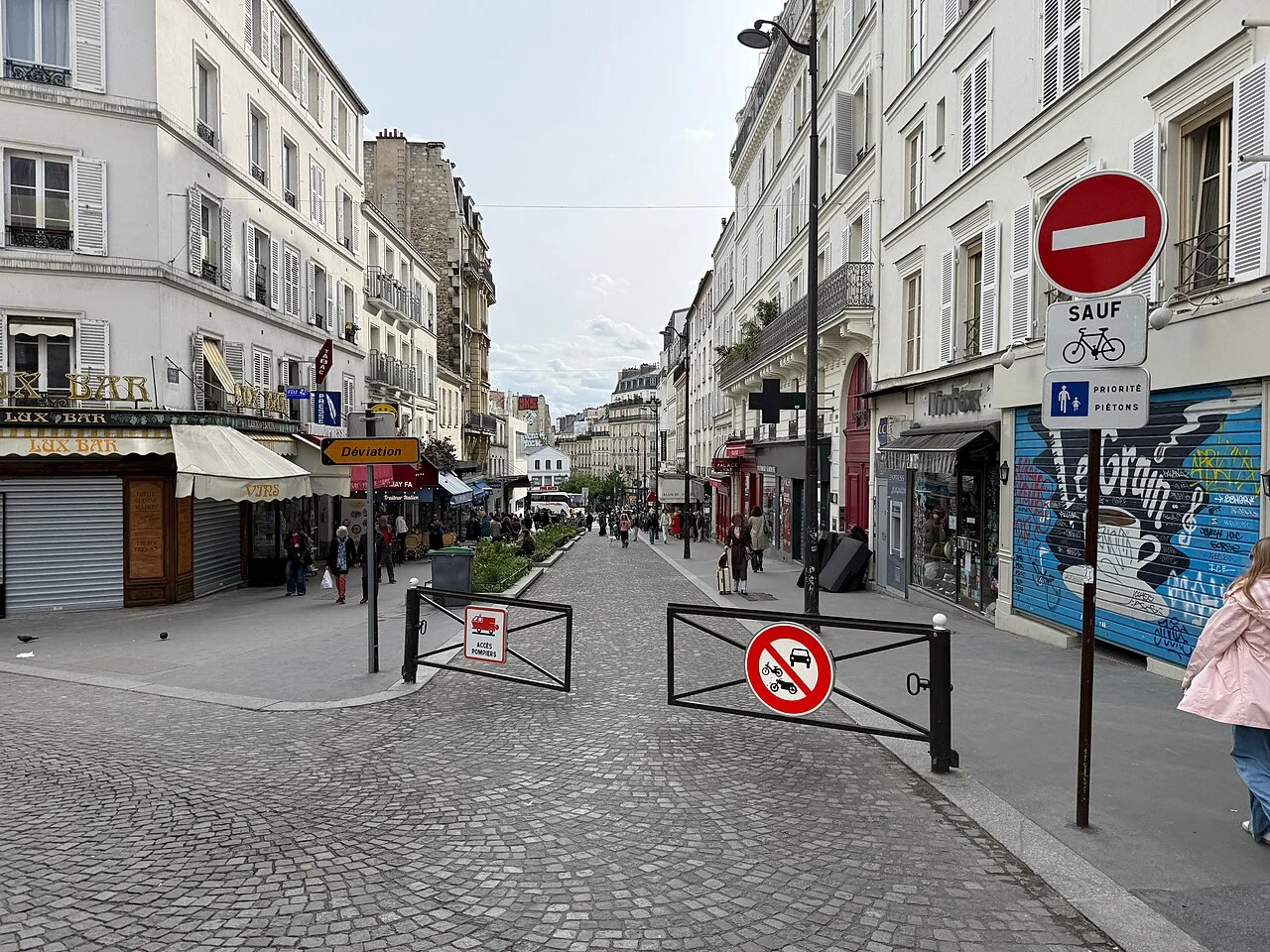
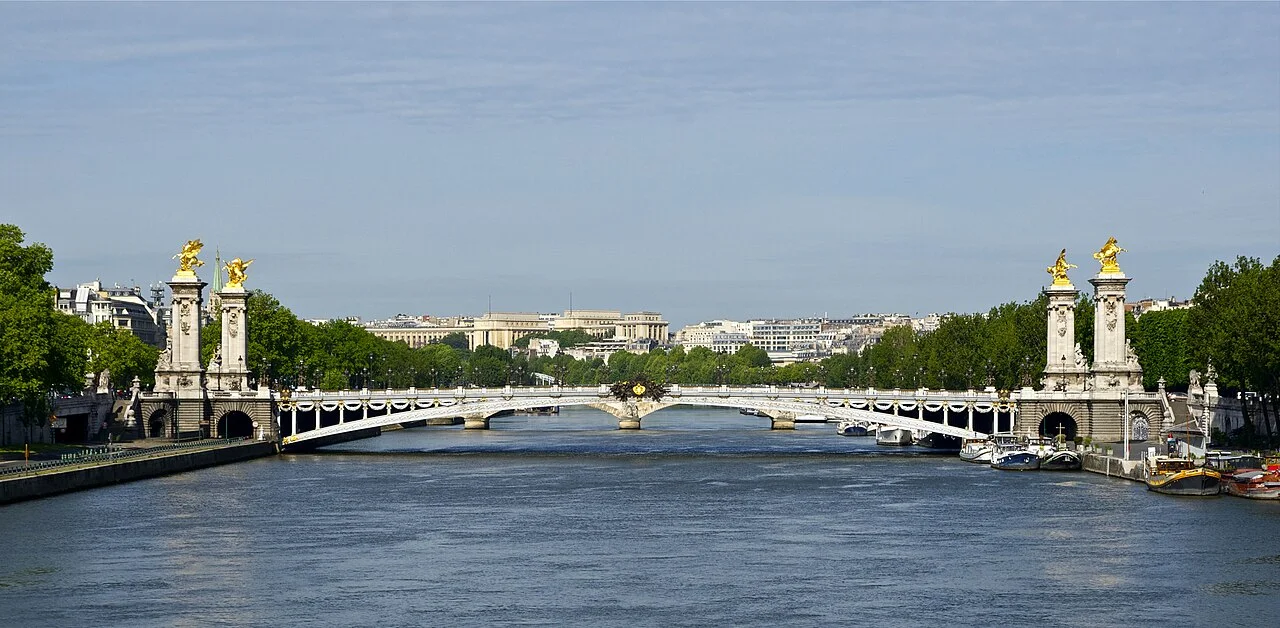
Build the Paris alternative around two walking environments instead of a long monument checklist. Use one full day for the Rue Lepic surroundings in Montmartre. Allow for slopes and smaller streets and insert a seated break. On another full day choose the Seine surroundings. Pont Alexandre III and the river present a different scale from the previous neighbourhood day. Rather than finish both during one morning, consider one a hillside neighbourhood day and the other a riverside day. France's official tourism portal includes Montmartre and the Seine among Paris experiences; the proposed daily sequence here is our planning suggestion. Staying at a suitable viewpoint for a photograph is also a valid part of the day. You do not need to move continually towards another monument.

When comparing Paris accommodation, examine the return journey as closely as the attractive room view. Someone interested in Montmartre and someone focused on the river may not benefit equally from the same address. Compare the final airport-transfer section and the walk with luggage on a map. A nearby metro station does not establish that the whole connection avoids steps; check actual station and accommodation arrangements when access matters. If you add an interior visit to the Eiffel Tower or Notre-Dame, consult the official visiting page and your date separately. An exterior photograph supplies no evidence of admission arrangements. One neighbourhood walk, one reserved cultural stop and open time for a meal may be easier to manage than pressure to complete every symbol during a short break.
Considering a second French city: a separate Lyon food day
With more available time, consider Lyon as a separate section with its own accommodation and transport rather than an extended Paris excursion. France.fr's Lyon record includes quenelles and praline tart among concrete local food examples. Pair a bouchon meal with neighbourhood wandering, while checking the actual menu: fish, dairy and meat ingredients depend on the recipe. This alternative serves a particular culinary interest. Staying entirely in Paris for a short three- or four-day holiday is also coherent. If you choose to continue to Lyon, combine the actual train service, station, luggage arrangements and second hotel's check-in time into one decision. Arriving in a country does not create a requirement to add a second city simply to increase the destination count.
Spain: dividing Palma into urban and coastal days
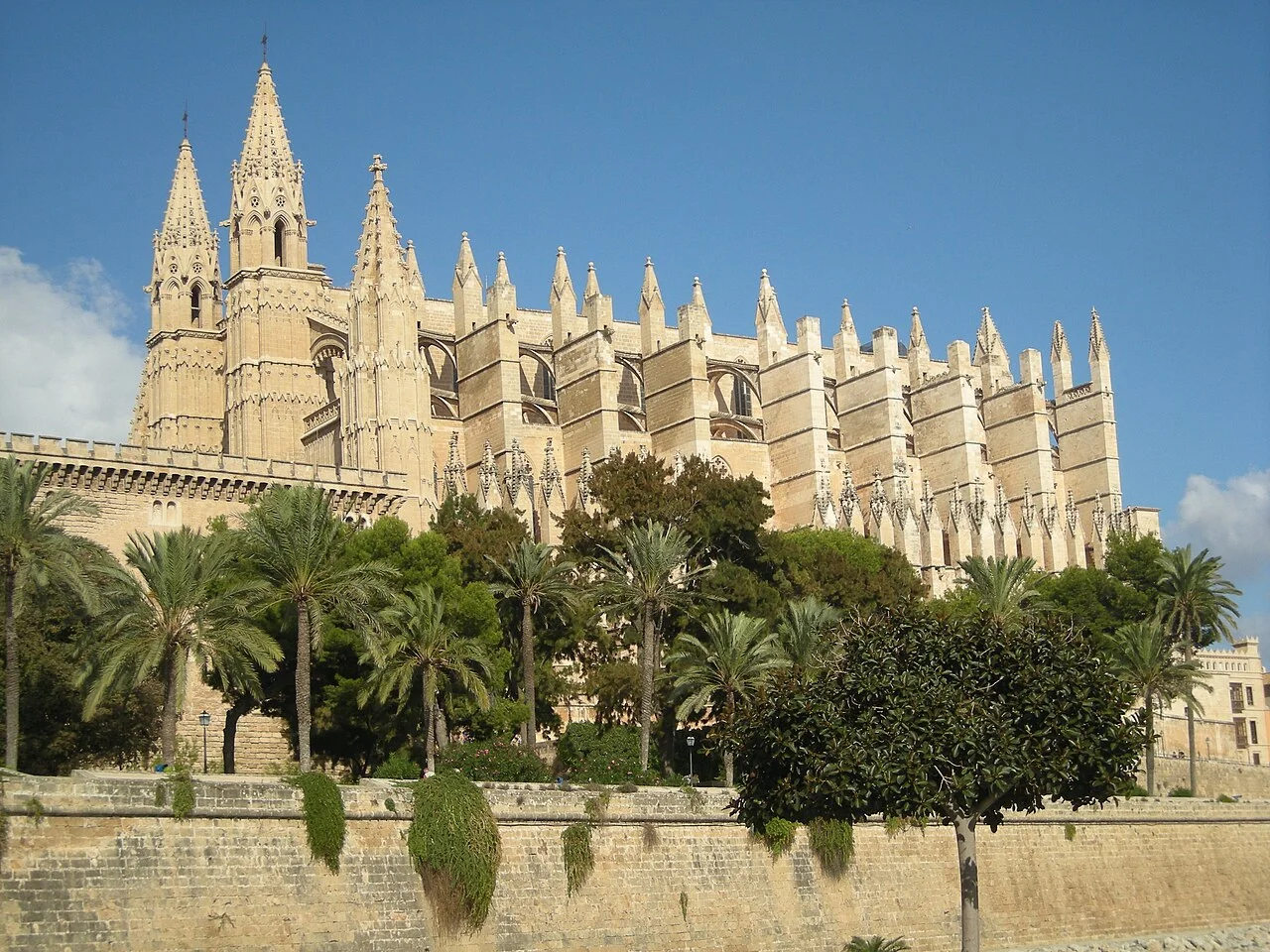
Spain need not be chosen only through its largest metropolitan areas. Palma offers a different scale for a visitor who wants a historic-town walk and a separate section beside the sea. On the first full day, combine the La Seu surroundings, Plaça de Cort and the old-town streets. If you want to enter the cathedral, check visiting times and admission arrangements for that day. Use another day for a meal around Santa Catalina and a shorter urban walk. A market photograph is not a current inventory of stalls; verify opening and availability of the product you want. Going to the coast calls for its own transport and weather plan. Walking in the centre and spending a whole day on a beach require different preparation.

Palma's official tourism record gives ensaïmada and almond horchata as local examples. Place a pastry stop at breakfast or during an afternoon pause, with a main meal considered separately. Ask the business about the actual ingredients and filling; the same name does not guarantee an identical product at every counter. Historic-town atmosphere and a street where a vehicle can approach the hotel are different accommodation questions. Compare luggage access through narrow streets, nighttime sound and the daily connection to your intended coast. Staying at one island base rather than changing accommodation every day can make it easier to adjust small day options. A sea or sunshine image does not promise the same conditions on your dates. Make swimming decisions from actual local warnings on the day.
Italy: choosing the smaller urban scale of Lucca
Our Italian alternative is Lucca, for someone wanting time to walk without adding towns solely to increase a checklist. Visit Tuscany describes the town walls, historic fabric and Via Fillungo surroundings. Give one day to a selected wall section and the Piazza dell'Anfiteatro area, and another shorter section to the facades of San Michele and San Martino. Entering every church is unnecessary; check actual conditions for an interior you genuinely want to visit. Returning along familiar streets at a different hour may reveal a detail overlooked the first time. Completing the entire wall circuit is not a compulsory target either. Put seated pauses into the outline so the holiday is not measured entirely through steps.


Lucca's buccellato sweet bread and tordelli filled pasta are confirmed by the regional tourism record. Separate a pastry pause from a seated main meal. Let the station-to-hotel journey, actual address in the historic centre and luggage section guide accommodation choice. A four-calendar-day outline at one base can consist of arrival and settling in, two full days of selected walks, and a brief pause on departure day. Squeezing Paris, Palma and Lucca into those same four days is not the suggestion. The Stork's country-choice note puts your day ahead of visitor rankings: Paris for neighbourhood and river contrasts, Palma for the distinction between town and coast, and Lucca for a smaller walking environment. Choosing one at the outset simplifies actual transport and reservations without claim that another traveller must make the same choice.