
Recognising a city landmark and understanding its story are not quite the same. A photographed tower or palace may once have belonged to the routines of commerce, administration or royal life. Tatilmerkezi Stork suggests four readings through the Bruges Belfry, Copenhagen's Rosenborg, Beijing's Forbidden City and Shanghai's Bund. This is not a definitive ranking of the world's most famous buildings; these researched examples help connect appearance with former purpose. You do not need to memorise every historical detail during a city day. Taking one question towards a building can connect the surrounding streets and a meal with a more meaningful urban experience. The structure then becomes a starting point for curiosity rather than simply another image collected.
Bruges Belfry: reading the tower through city life
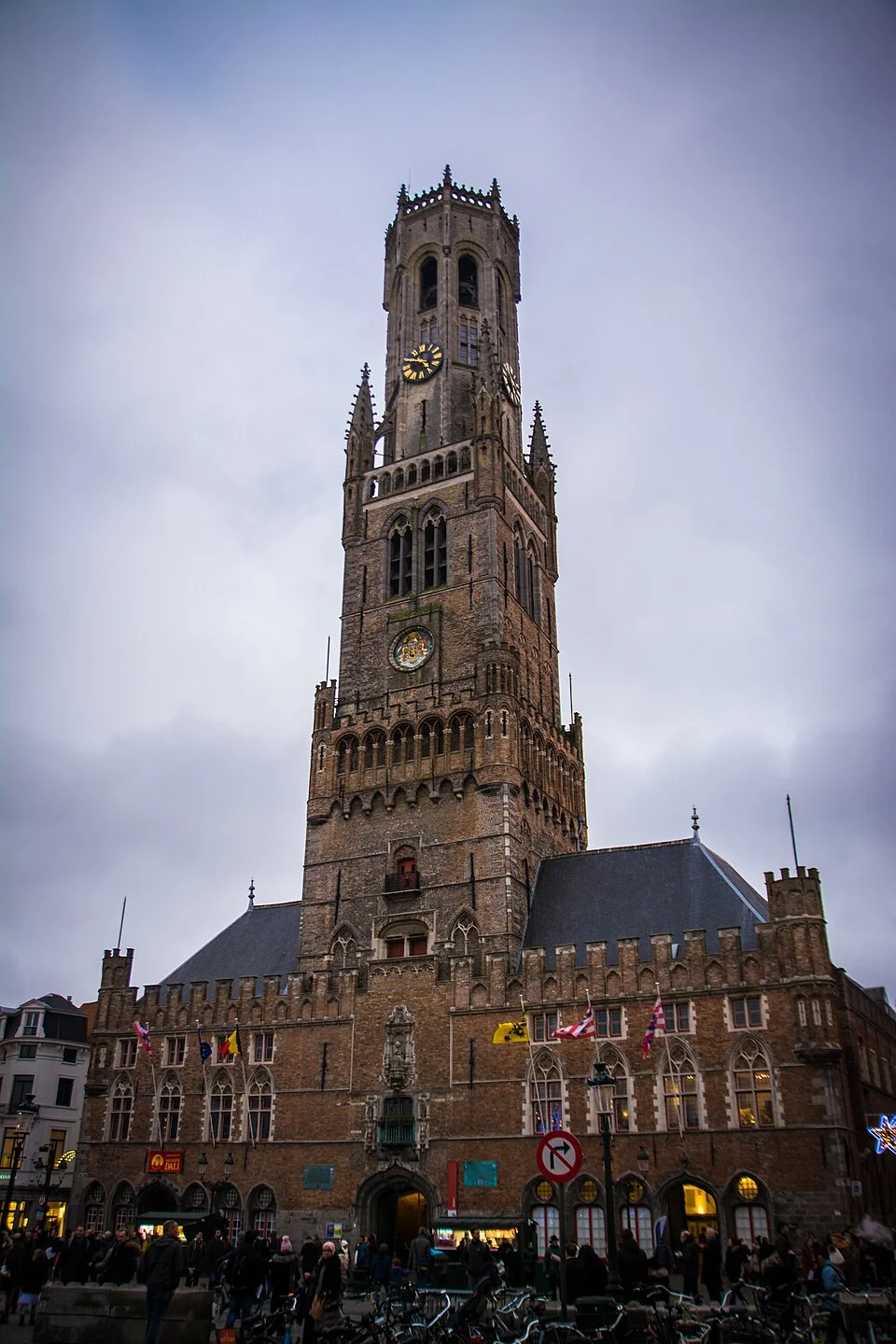
The Belfry is immediately noticeable around the Markt in Bruges. Official destination and museum accounts associate it with urban power, prosperity and autonomy. Before treating it solely as an elevated viewpoint, observe the square around it. Looking from different edges can help you consider how a tower connected to commerce and public life relates to the place encountered today. A shorter morning section on the Markt, followed by nearby streets and lunch, situates the building within a city rather than isolating it in a photograph. Keep viewing its exterior and visiting inside as separate decisions with their own requirements and purposes.
If hoping to climb, check the museum's actual admission arrangements, ticket and information about step access. Seeing the tower from outside remains a real part of the visit; the whole group does not need to be directed up the same staircase. Choose a shorter canal route in the afternoon to compare the square's stone texture with a waterside setting. A local chocolate pause offers another small discovery through a maker and actual ingredients, without replacing a proper meal. Assess accommodation through the station journey, passage with luggage and evening return alongside proximity to the Markt. A landmark can anchor the day without solving its transport and eating arrangements on its own.
Rosenborg: from a summer retreat to a royal collection
Rosenborg in Copenhagen illustrates how a palace can change purpose over time. The Danish royal institution records its construction between 1606 and 1634 as Christian IV's summerhouse. Its association with a royal collection today shows how one building carries experiences from different periods. Consider it first through the garden setting and exterior, then examine the collection institution's current programme if an interior visit interests you. A shorter garden outing and exhibition rooms are different activities. Choosing between them, or deliberately including both, helps establish the day's time and budget rather than relying only on the appearance of a famous castle in a photograph.
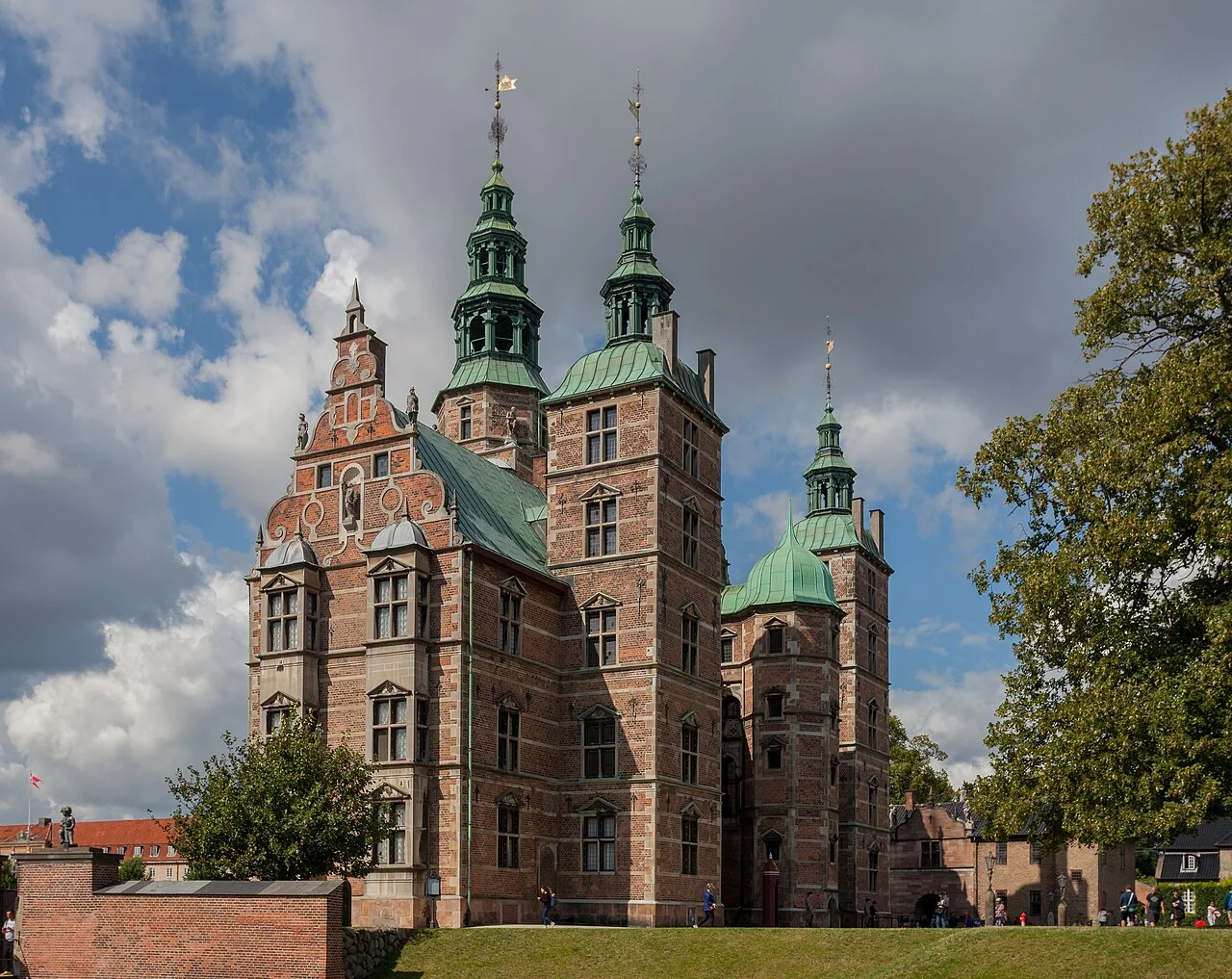

A Rosenborg day does not require seeing every Copenhagen palace consecutively. Begin here in the morning and follow lunch with a smaller central walk. Danish smørrebrød provides a local meal idea through an open-faced sandwich with ingredients actually available on the menu. If heading to Nyhavn or another central area afterwards, examine the route independently: seeing photographs beside each other does not establish that their locations are adjacent. Compare a useful transport stop with the actual room entrance when selecting accommodation. One question can be enough to start understanding Rosenborg: what was this building originally used for, and how is it encountered by visitors now? The historical shift becomes part of the outing.
Beijing's Forbidden City: a palace arrangement, not one building
The Forbidden City should be read as a palace complex rather than marked as a single monument. The Palace Museum's official account documents its relationship with the Ming and Qing palaces and its establishment in 1925. A visit can therefore move beyond photographing one gate to considering courtyards, passages and the sequence of buildings as an arrangement for governance and life. Research current entry and reservation requirements directly with the museum. Building the day around actual visitor arrangements is more useful than depending on the gate or ticket information in an older travel post. These practical choices help you make time for the architecture itself.
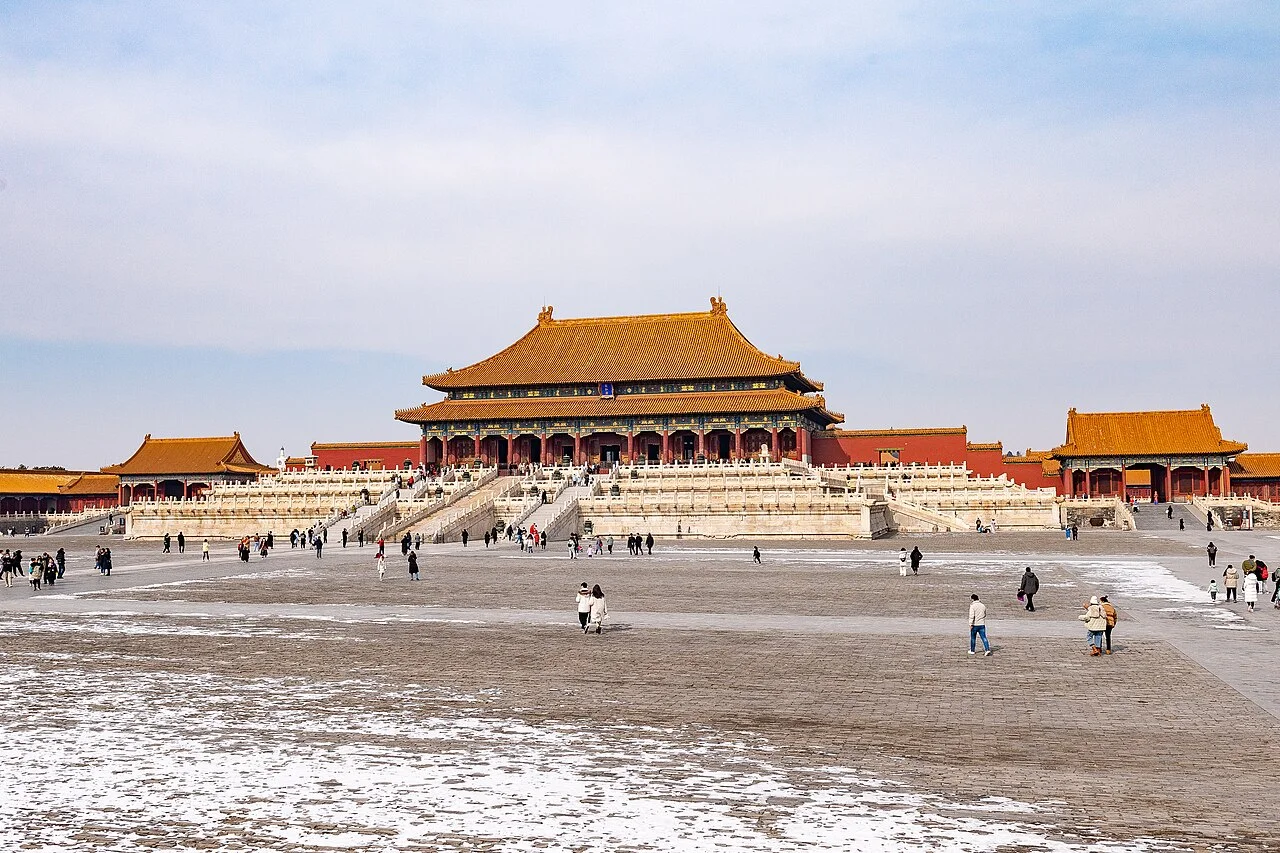

Reserve the morning for this principal visit without making another major historic area obligatory on the same day. Spend longer in one section if you wish, comparing architectural repetition with details that differ. Walking among the palace structures involves more than the single hall shown in a photograph. Check that a proposed meal inside or outside actually operates and works with your exit route. If trying Peking duck, consider a separate seated meal rather than assuming every restaurant offers an identical preparation and service. Select accommodation through the journey to the museum and the evening return instead of relying on the word central in an area description. A broader city can still require a carefully considered daily route.
Shanghai's Bund: two different city times at one waterfront
Shanghai municipal heritage information describes the Bund as a waterside area containing a concentration of historic buildings. Noticing changes in façades along the waterfront provides another way to explore, beyond learning the name of one property. The view towards Lujiazui on the opposite bank reveals a different urban layer: the modern skyline and historic Bund façades are not the same photographic subject. Choose a shorter waterfront section in the morning. Adding a street passage and lunch then connects a landmark with daily urban surroundings instead of treating it only as a panorama associated with lights after dark. The day can develop through observation rather than a mandatory list.
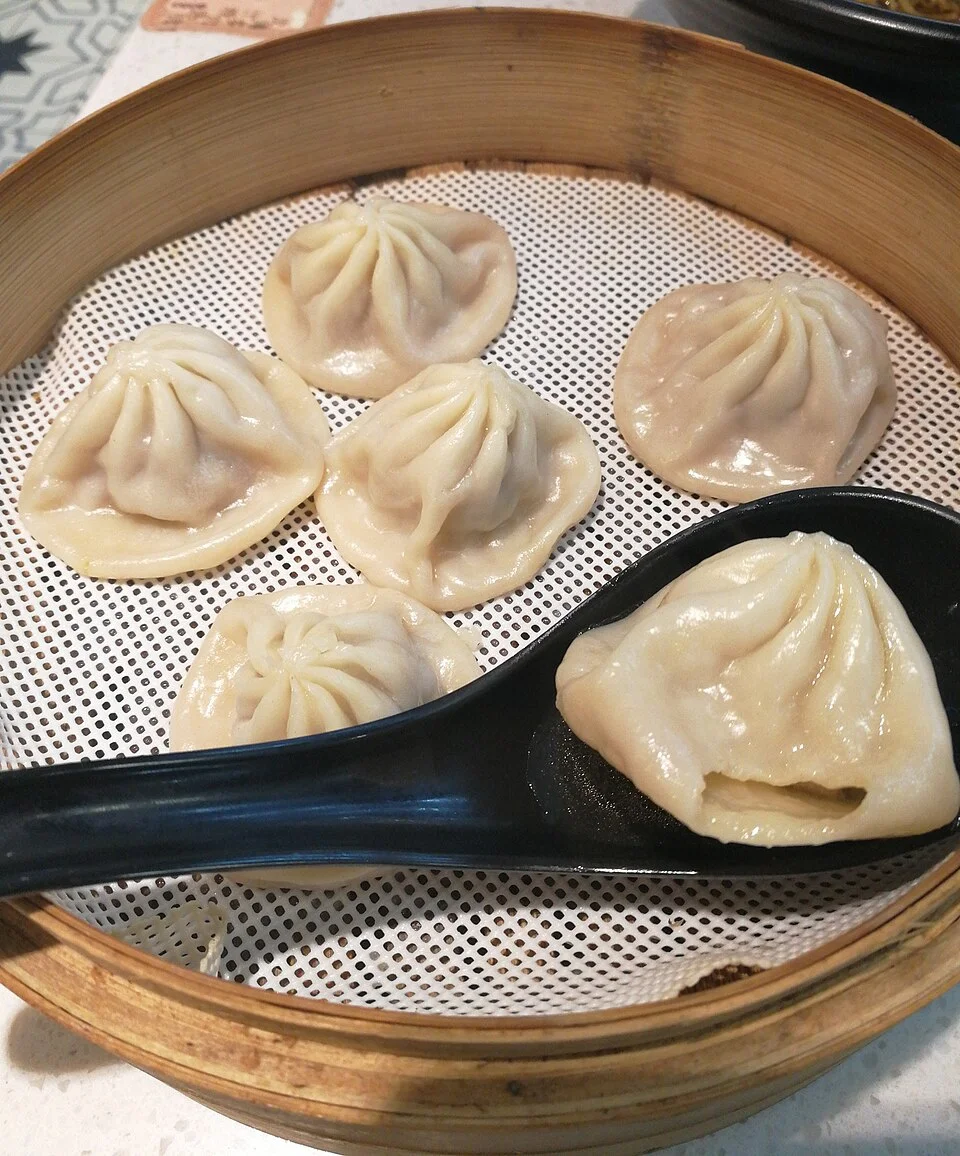

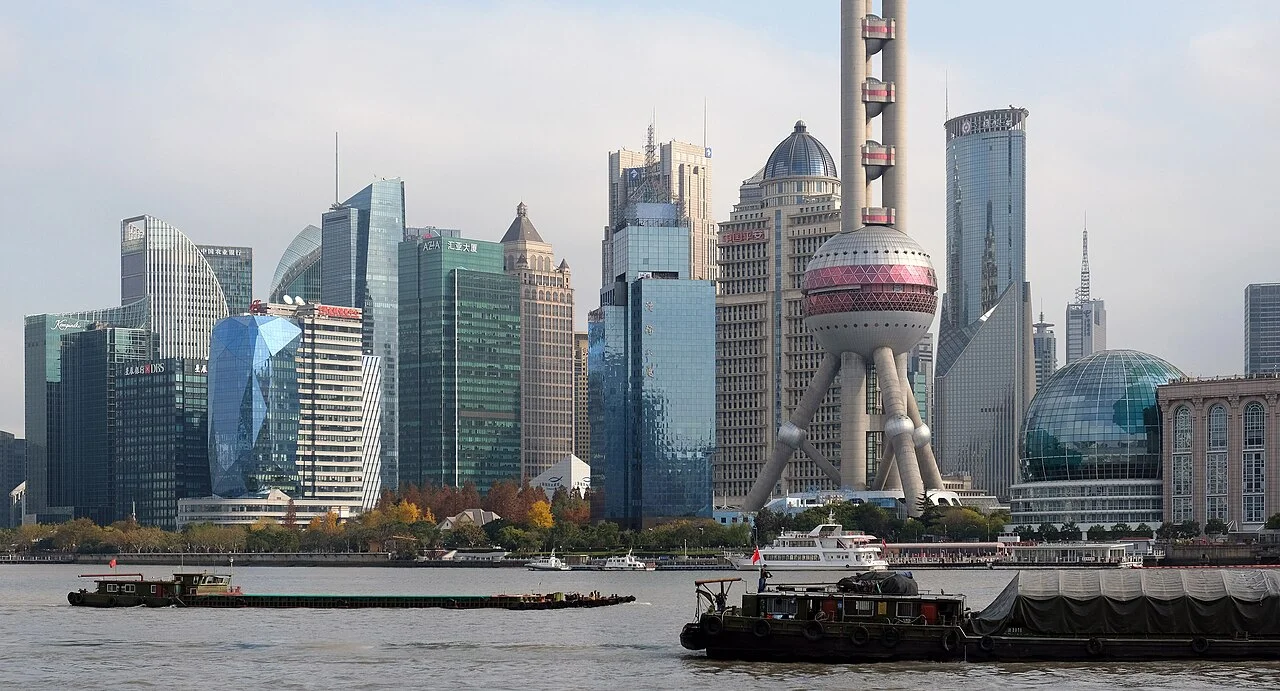

If visiting another area in the afternoon, arrange the journey separately. Yuyuan surroundings or another neighbourhood are not automatic continuations of the waterfront, and current access depends on the particular place. Xiaolongbao is a local food name documented by Shanghai sources and offers a smaller food discovery. Choose the steamed product as genuinely offered on a menu; a photographed basket is not the current portion of a named restaurant. For accommodation, compare metro access and the final return alongside a waterfront view. Shanghai's story does not belong to only one period. Historic façades, the opposite riverbank and a local meal can be considered as different layers within the same well-arranged day.
Turning a building's story into a city visit
Use arrival day to understand accommodation and transport, choose one landmark as day two's main visit and return to a smaller surrounding section on day three. There is no requirement to connect Bruges, Copenhagen, Beijing and Shanghai within one journey. Giving one structure sufficient time offers a different depth from counting more names on a world list. Afterwards, consider its former purpose, today's access and the daily life around it. Stork's landmark note is about making a verified historical detail meaningful through your own walk, rather than repeating an unexamined legend. That approach leaves space for a remembered meal or street alongside the famous building itself.