
Do not limit the question of what to eat in Eindhoven to familiar Dutch snacks. A coffee break, a lunch bringing different cuisines together and dinner beside a former industrial setting can show different faces of the same city. The Tatilmerkezi Stork suggests a food day with choices rather than one compulsory signature dish. Start in the centre, give a proper seated meal room in the programme and add a separate district such as Strijp-S only when you have time for it.
This route is our editorial suggestion. Current menus and operating arrangements should be checked directly with each business. This is Eindhoven provides an official starting point for discovering the city's food options. Being listed does not guarantee a table or an unchanged menu. We do not quote fixed prices or universal service hours. The photographs show real places and neighbourhoods on their disclosed archive dates, not a promise about present décor or today's dishes.
Breakfast and coffee: start without rushing
Choose the first meal around your arrival time. An early arrival may call for coffee and something small; a later start may suit a seated brunch. The official breakfast and lunch guide gathers different options for coffee, bakeries, sandwiches and longer pauses at the table. Do not assume every breakfast item remains available all day. Check kitchen hours for the business you actually choose, especially when a train connection shapes the morning.
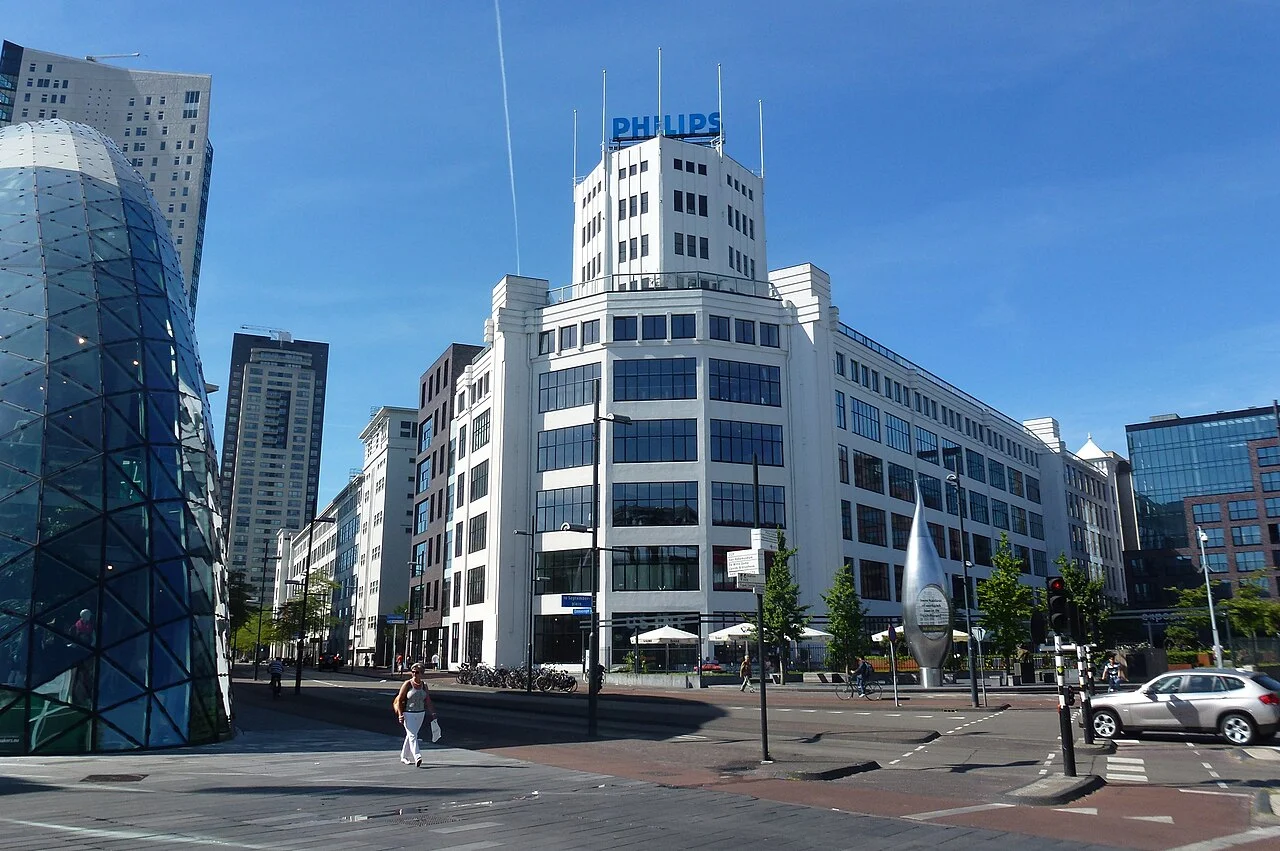

The Stork suggests treating breakfast as part of the visit rather than an obstacle before it begins. Before leaving the table, identify the start of your walk and the area you are considering for lunch. Ask about the ingredients of the food accompanying your coffee; a menu heading alone may not address milk or other dietary needs. Choose a safe place to pause instead of carrying a takeaway cup while crossing a busy cycle route. A calm first stop can make the rest of the day easier.
DOWN TOWN Gourmet Market: different appetites together
The official city guide presents DOWN TOWN Gourmet Market as a food venue with different cuisines. It is one option to investigate when people in a group want different meals without abandoning a shared break. Before going, check the current businesses, ordering process and seating arrangements. An older article or photograph cannot establish that every counter still operates in exactly the same way. Plan around what is available for your visit rather than around a remembered stall list.
Discuss how the meal will work: sharing a few small plates or each person choosing a complete dish. Consider drinks, accompaniments and the combined cost of separate orders. Many options do not mean you must try all of them. For a busy day, identify an alternative lunch area as well. If another part of the visit has a timed entry, preserve room for finding seats and preparing the food. Lunch deserves a realistic space in the schedule instead of being squeezed between appointments.
Dutch snacks without inventing a local origin
This is Eindhoven's current food-culture article mentions cheese, herring, stroopwafels and other familiar examples when discussing Dutch cuisine. Do not treat them as inventions unique to Eindhoven. If a particular flavour interests you, investigate where it is currently served and in what form. A packaged product from a shop and a dish eaten at a table are different experiences. Either can fit your programme, and there is no obligation to consume every option on the same day.
The city source also highlights sausage rolls, coffee roasted in Eindhoven and local beers. These are discovery themes, not guarantees that every menu will always carry the same product. For vegetarian choices or another dietary requirement, ask about the dough, filling and sauce. Distinguishing a sweet snack from a proper meal helps organise a longer city walk. You can try one small item without expecting it to replace lunch or without buying enough to become awkward luggage for the afternoon.
Markt and Catharinakerk: a central meal chapter
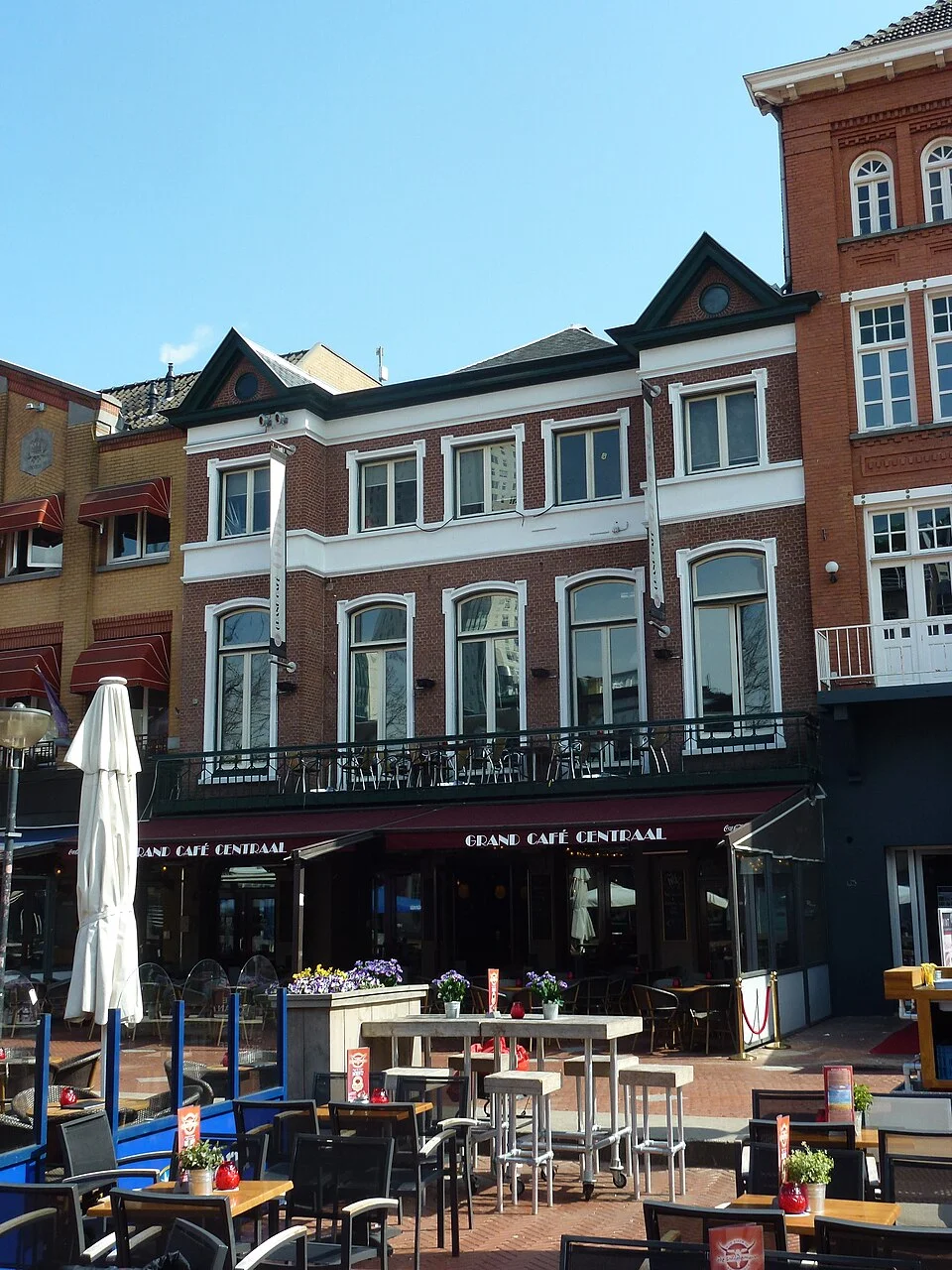
The official city source presents Markt as a central square with terraces, restaurants and bars. Look at the menu and seating before choosing. Resting indoors may matter as much as a view of the square, especially in changing weather. The Café Centraal photograph in this guide is a façade scene from 2013. It is not evidence of today's menu or business arrangements, but an archive view helping explain the setting of the central food route.

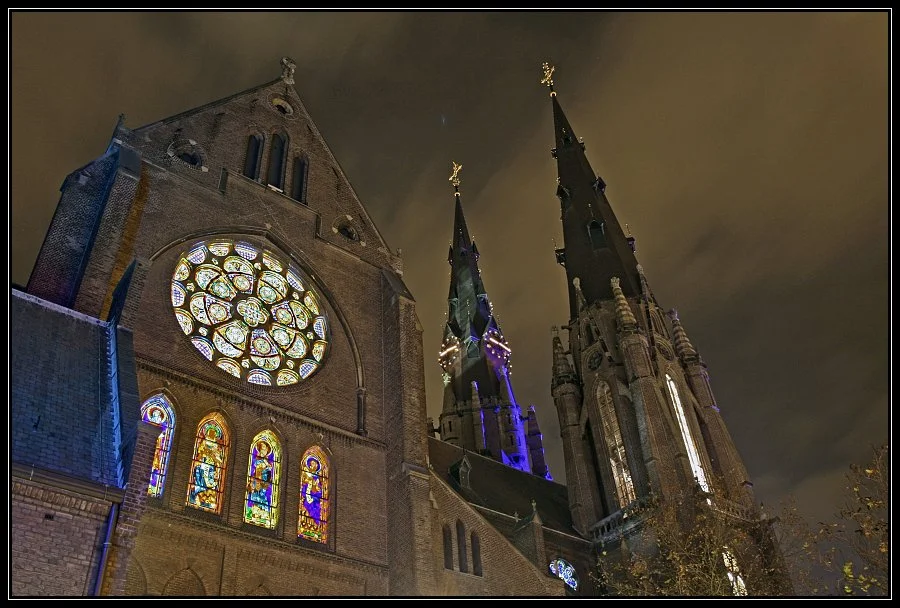
Combining a meal with a walk towards Catharinakerk can give a short visit a manageable central loop. The church photograph shows the surroundings between food stops, rather than a restaurant interior. If Catharina Market interests you, consult its current event listing instead of assuming it operates every day. A planned outdoor stop should have a workable indoor alternative when weather changes. There is no need to extend a lunch break into every attraction in the centre simply because they appear close together on a map.
Strijp-S: food and design in a separate district
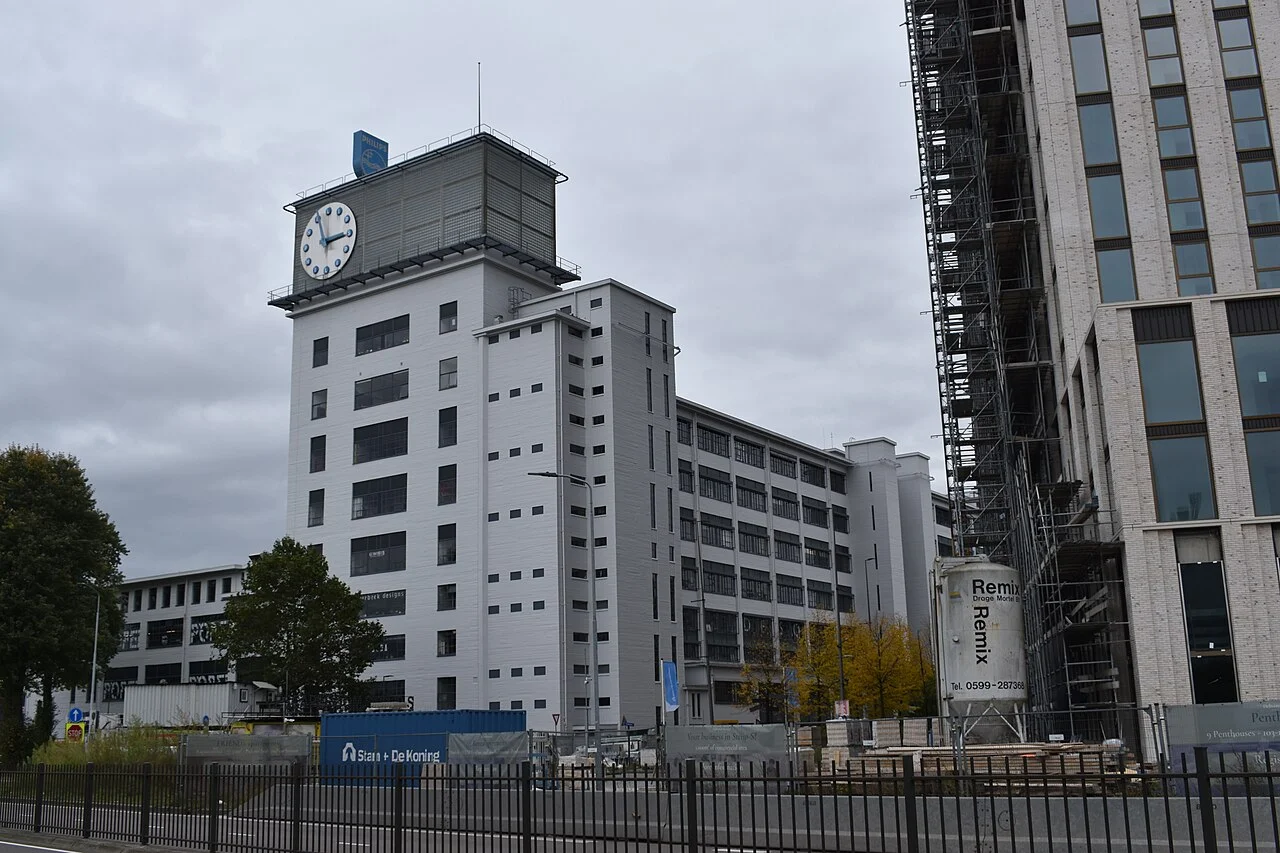
Do not squeeze Strijp-S into the programme as though it were one small street immediately beside a central lunch. Give it separate journey, walking and return time. Choosing coffee or a meal around the former industrial buildings can connect the city's transformation story with the food programme. Check the particular business before going. A photograph of an event does not prove that a permanent food service will be operating there whenever you arrive.

For FeelGood Market, use the official event page's current date. It is presented as an occasion combining food, design and other products, rather than the same thing as a daily indoor food hall. A visit does not have to extend into another district solely to tick off a market. When time is limited, one well-chosen central meal may suit you better than an unfinished long neighbourhood loop. If you do choose Strijp-S, enjoy it as a genuine chapter with room to look around.
Distinguish a drink stop from dinner
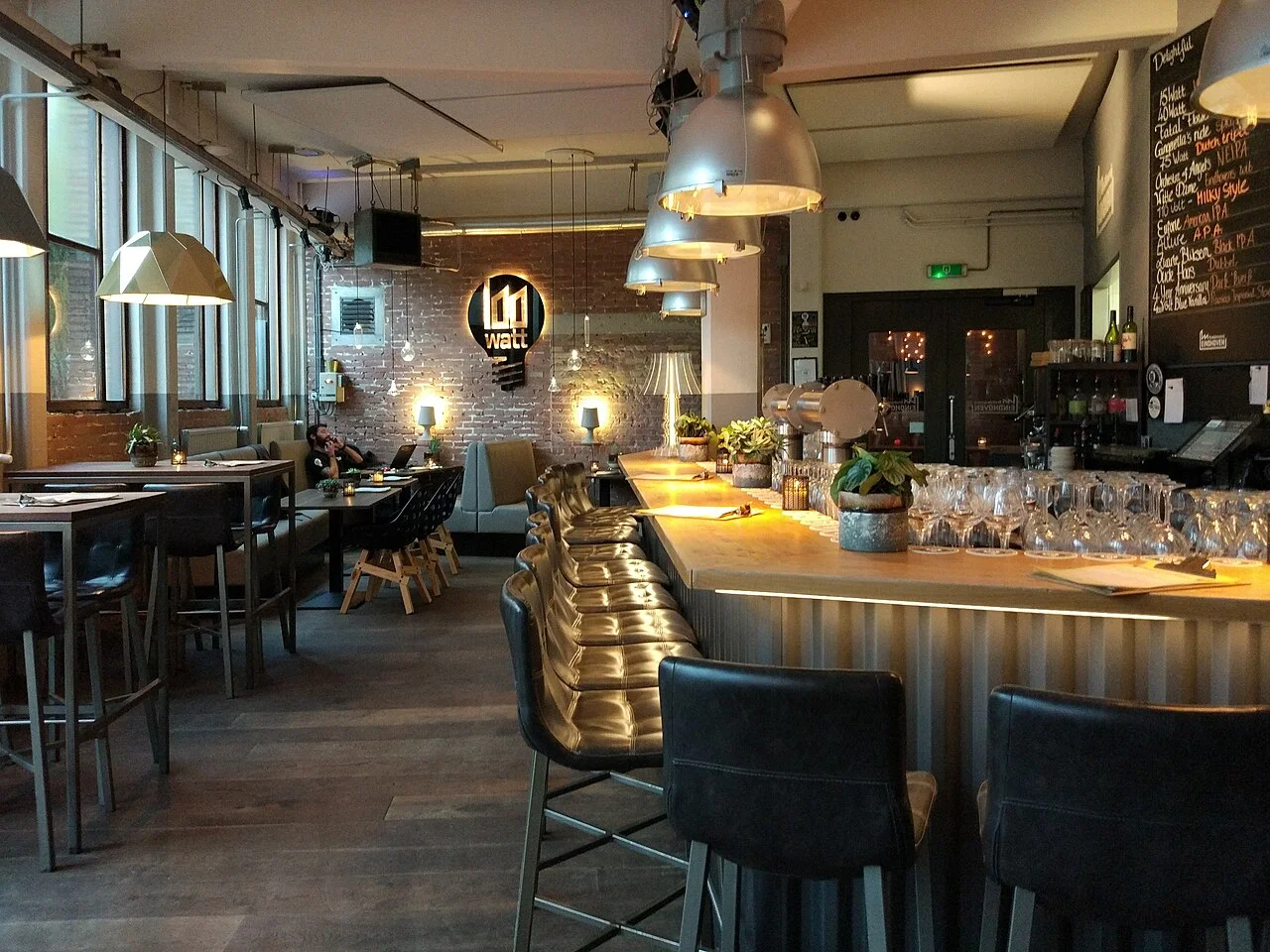
A bar or local beer stop can be a separate optional part of the day. Alcohol is not a requirement for visiting Eindhoven, and you can ask about alcohol-free options. The Café 100 Watt interior in this guide is an archive photograph taken in 2019. It is not a definitive record of the current seating layout or menu. The actual operating arrangements need direct confirmation, particularly if you want a meal rather than a short drink pause.
For dinner, a few choices are usually enough: which cuisine, how much time and what sort of setting would work? A central table and a meal in Strijp-S or another area can require different journeys home. Understand reservation delay and cancellation rules. A closing time is not automatically the last time the kitchen accepts an order. Leaving room for a proper meal after a drink helps avoid finishing the evening hungry. It also keeps the night flexible without becoming an aimless search for an open door.
Accommodation, the return and a sample day
If arriving by train, include the real walk from the station to the first food stop. Consider leaving luggage at accommodation or using an appropriate storage arrangement before occupying a small table with bags. A central stay may simplify the return after dinner; staying elsewhere can make a local meal near your accommodation more useful. The best option fits your evening as well as your budget and arrival time. Do not rely solely on straight-line distance when planning the final journey.

A sample day begins with breakfast and coffee, followed by a short central walk and lunch at a varied food venue or chosen restaurant. Continue around Catharinakerk or, with separate time allowed, head to Strijp-S. Close with a dinner whose reservation and return have both been considered. The Tatilmerkezi Stork sees meals as pleasant opportunities to understand Eindhoven's districts, not obligations added after the sightseeing is finished. A few thoughtful pauses can be more memorable than completing a long list of names.