
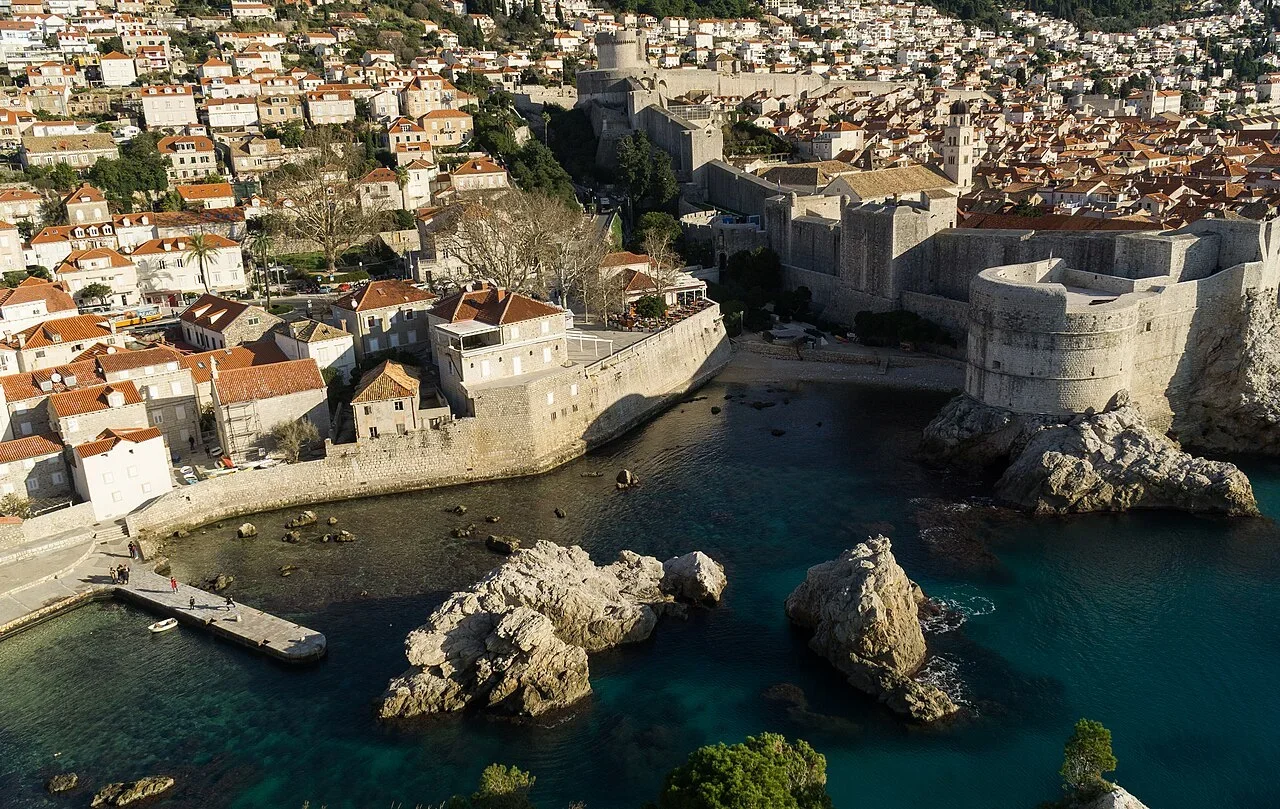
Advance booking means selecting and reserving a future travel service before the journey under its applicable conditions. Buying early, however, does not guarantee the lowest price in every case or unlimited changes. Tatilmerkezi Stork uses a short Dubrovnik holiday to consider accommodation, dates, transport and exploration together. Understand the service you will actually use first, then read payment and change arrangements. A view photograph seen several months earlier may strengthen the travel idea without explaining the room's scope or visitor arrangements on your dates. The clearer the daily programme, the more meaningful a comparison between different reservations can become.
An early decision is different from a rushed purchase
Choosing a room solely through a promotion before establishing dates may create a mismatch with other parts of the journey. Write down arrival, departure, full days and the needs of the people travelling together first. Late arrival, arrival before check-in and early departure create different service questions. Inspect flight connections through the actual carrier. Add accommodation-entry explanations and the final address to the same daily plan. Seeing a headline early and understanding the whole service are different tasks; allow time for the latter before paying. A promotion can introduce an option without establishing that it suits the planned journey.
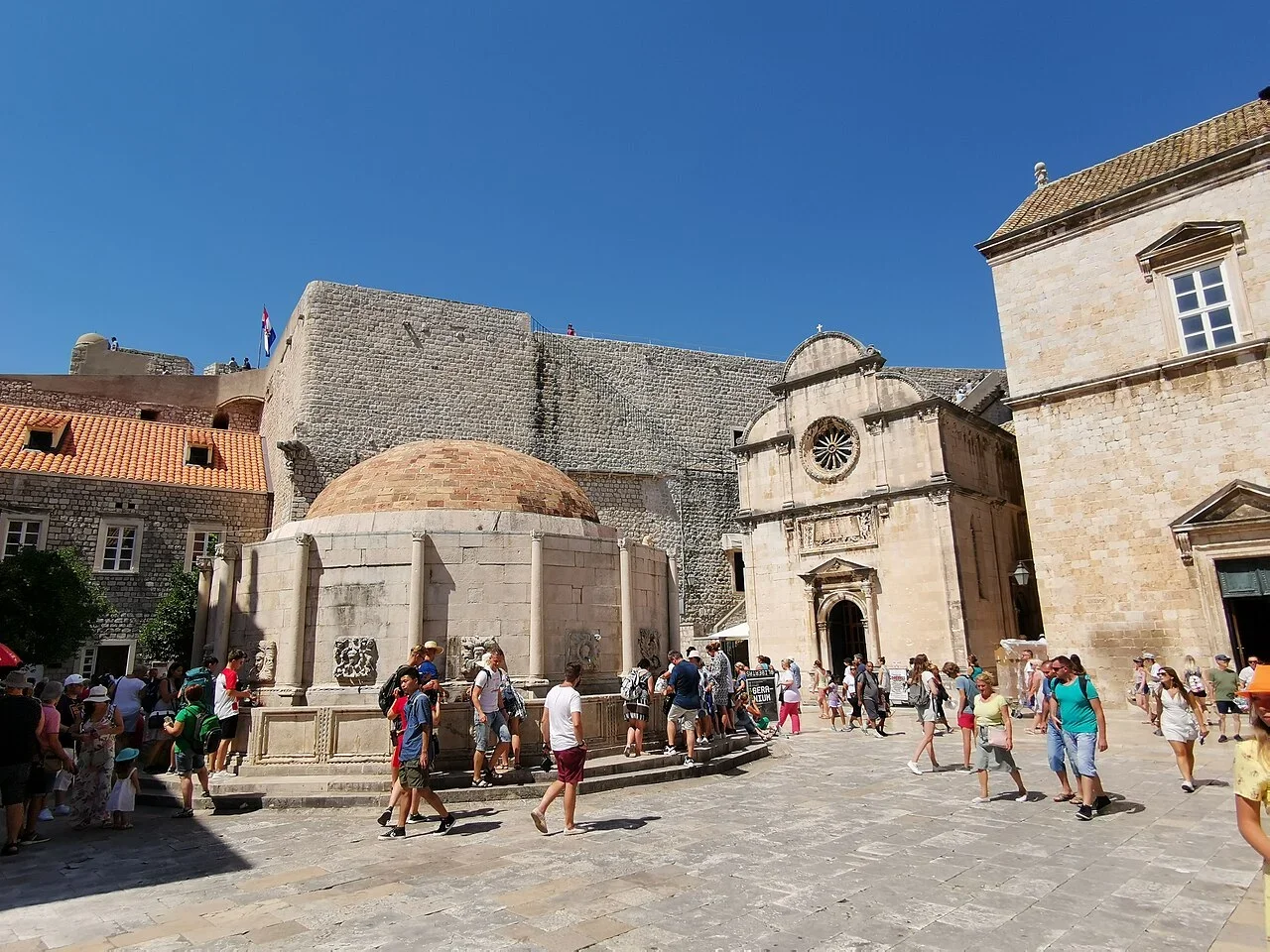

When comparing two room offers, do not place only their amounts side by side. Are dates, guest numbers, actual room type and included services the same? Breakfast or another facility may exist at the business without being included in the selected package. Examine the advertised starting amount alongside the final total shown for the reservation. Calling an offer an advance-booking product does not establish it is preferable to every other product. Buying an unnecessary service through a promotion headline may not improve the daily programme. The scope you will actually use should form the starting point of the comparison rather than the label attached to it.
Read cancellation, changes and payment in the actual record
Booking.com's official FAQ explains that cancellation charges depend on property policy and appear in the booking conditions. This example demonstrates that reservations do not all have identical change arrangements. When buying directly from a business or another platform, use that service's actual record. Read the date and particular room product to which free-cancellation wording applies. A non-refundable product and one with different conditions may not serve the same need. This article does not draw a legal conclusion about an individual reservation; it encourages examining the purchased scope and its timing instead of replacing those particulars with a general travel slogan.
Payment timing and where to send a change request should also be understood together with the record. Save the confirmation, actual address and contact method after booking. If dates change, examine accommodation, flights and any separate activity through each product's own conditions. One component being changeable does not mean the others change automatically. Similarly, sending a special request to accommodation may not establish acceptance. Check the actual response from the business. Preparation then becomes more than a transaction ending at purchase: it becomes a daily arrangement in which the correct scope is understood and followed through the journey's separate parts.
A Dubrovnik room area and the first urban day
Selecting an address within Dubrovnik's historic-city surroundings rather than another coastal area changes daily movement. For an Old Town room, examine entry with luggage and access to the final door. Include steps or other entrance details from the property's own explanation in the accommodation decision. In another area, plan the outward urban journey and evening return through the actual operator. A view forms only one part of everyday movement. For late arrival, preparing a shorter initial day may be more useful than an extensive attraction list attached to the reservation. Room location and the practical arrival programme should be assessed together.
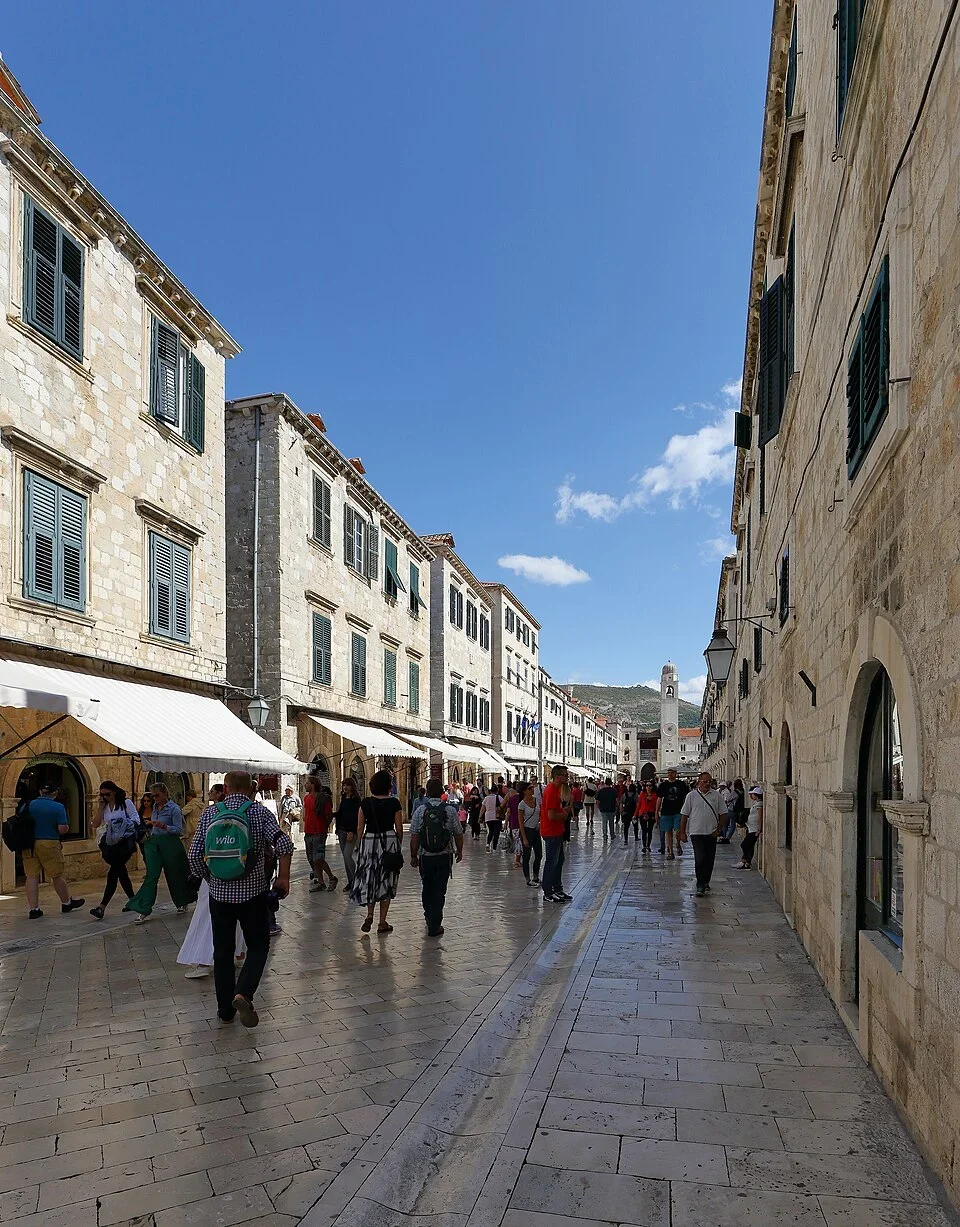

Consider an initial short urban section around Pile and towards Stradun. A pause near Onofrio provides another starting point after settling into accommodation. The complete wall route need not enter arrival day. Place the first meal somewhere you can actually sit and eat instead of make it only a rapid photographic stop. Accommodation being confirmed does not require buying every urban activity beforehand. Thinking in stages can help establish the holiday's actual rhythm independently of the room dates. The programme should preserve room for exploring the city as well as for following services already reserved before departure.
Separate scope checks for the walls or Lovrijenac
Dubrovnik's official wall-operator information describes selecting the location and visit date when purchasing online. Matching an accommodation date alone does not establish a suitable daily timetable. Examine actual operating information and the selected product's scope for your own visit. If buying a city product, guided tour or separate fortress visit, compare the real contents of each. Do not assume every named place is visited identically through one product. Learn the relevant operator's arrangements for keeping the ticket or service record and showing it at the entrance. A purchased name should connect with the actual experience rather than replace reading its scope.
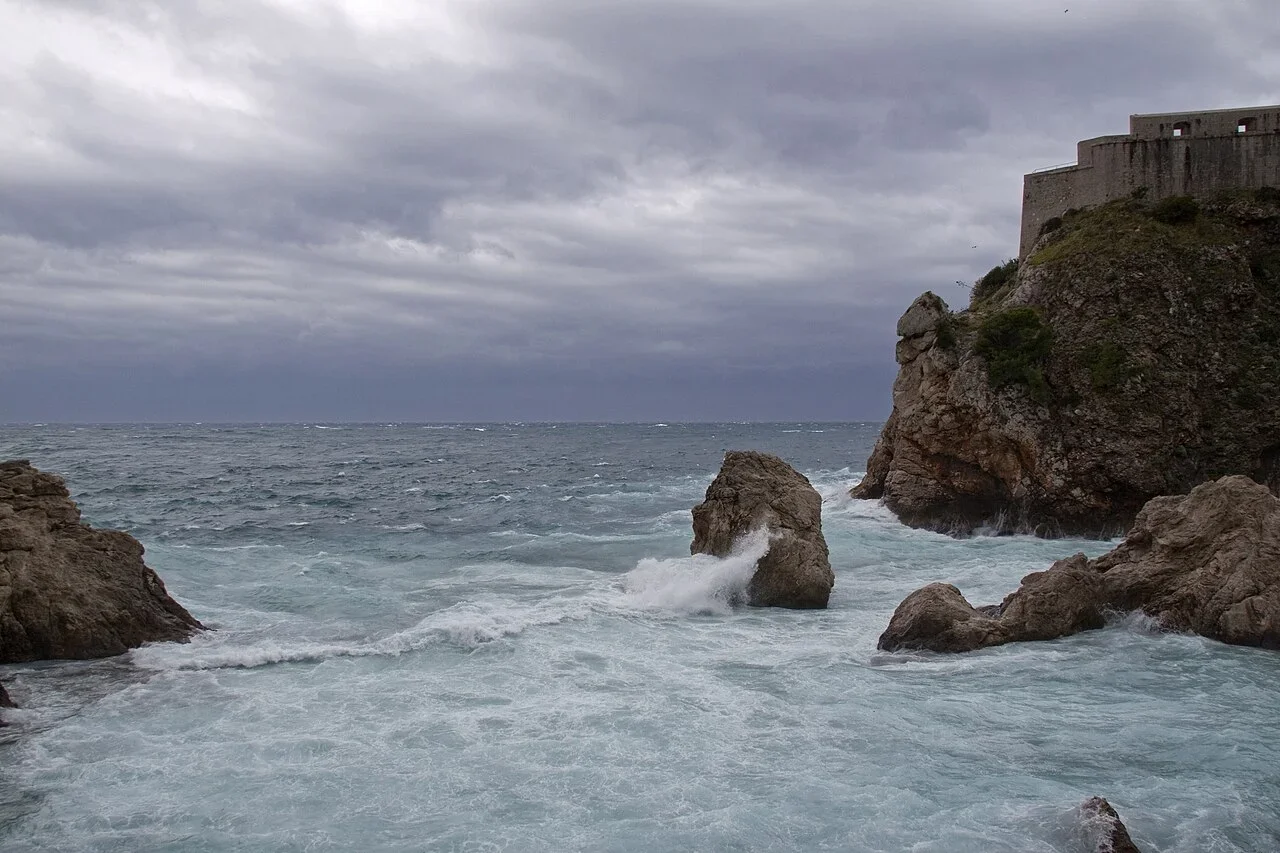

A wall visit can form the principal section of a full day. Leave a seated meal and a shorter rest before or after it. Lovrijenac's surroundings may also enter a different coastal-urban section; both needs do not have to occupy one day. Where a date change or weather leads to a revised programme, each previously purchased product's conditions become relevant. Do not treat the room reservation and the visitor product as the same thing. City photographs are not current ticket coverage. Actual operator information establishes the visit, while the image introduces a setting you may decide to include in the journey.
A rozata pause and a flexible three-day outline
Dubrovnik's official culinary information introduces rozata as a local caramel-custard example. If offered on a real menu, investigate it after a main meal or for another sweet pause. Do not select a restaurant solely through a price in an old event brochure; learn the menu and operating arrangements for your dates from the business. The part of the day devoted to urban food is separate from the accommodation package. Even with breakfast included, consider other meals within the actual route. A local sweet and a seated meal need not remain minor administrative details: they can form meaningful parts of the everyday visit.
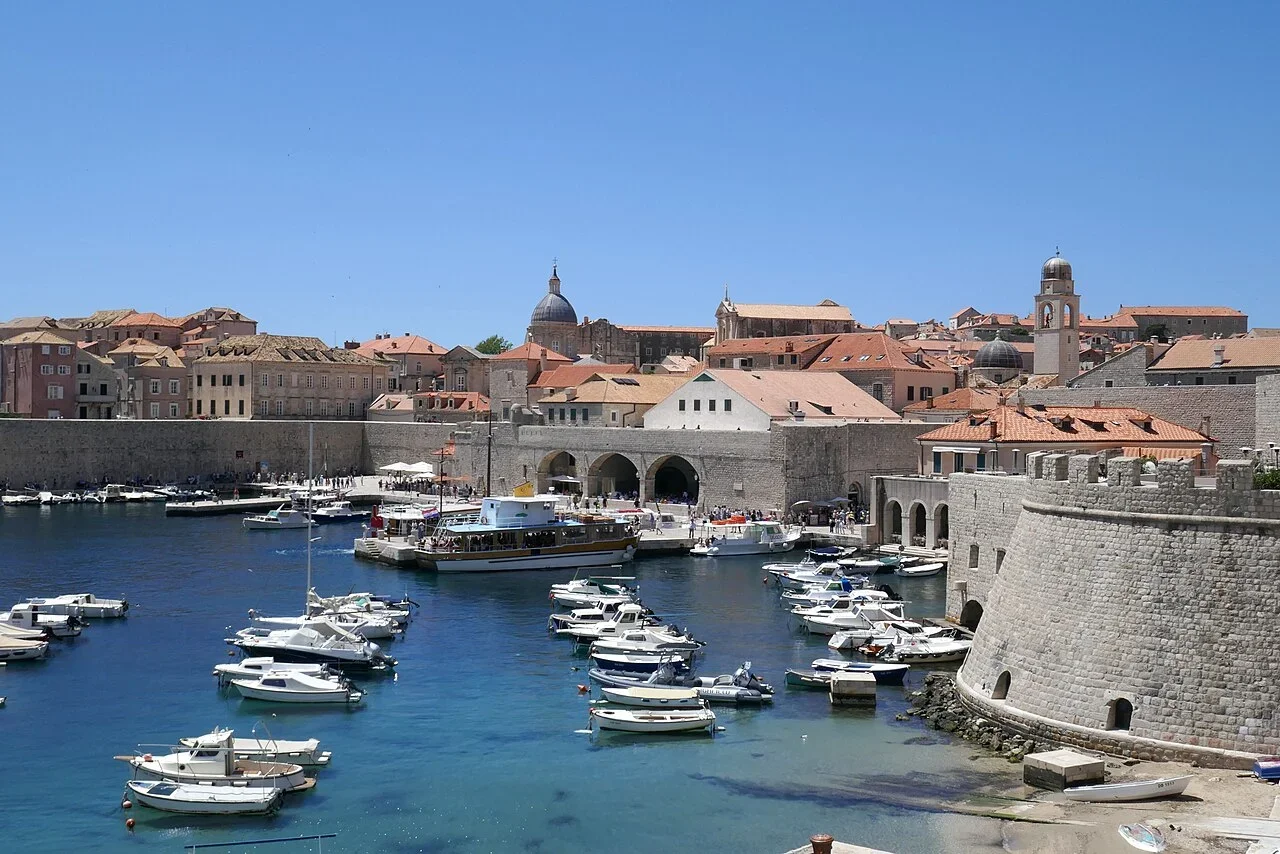

Three full days might use an initial urban introduction, a selected wall or cultural day, and a coastal section with local food. Calculate arrival and departure separately. On a shorter stay, omitting a paid visit is possible; with longer stays, buying another service need not fill every day. Use advance planning to clarify the room and necessary connections rather than turn the entire calendar into an irreversible list. The Stork's early-planning note encourages reading the scope before the promotion headline. Once the actual room, everyday route, visit and local meal are understandable together, the Dubrovnik holiday becomes more than a purchasing decision made several months before the journey.