
A food day in Florence can be built around a substantial steak, but the city offers much more than that single centrepiece. Tatilmerkezi’s Stork suggests a morning among market produce, a lampredotto sandwich for lunch, a warm ribollita on another day and a sweet pause beside a coffee. Planning meals alongside neighbourhoods makes eating part of the visit rather than whatever happens after a museum exit. The walk after the table can belong to the meal as well.
Start with two distinct days. Keep one around Sant’Ambrogio and Santa Croce, and give the other to San Lorenzo and the opposite side of the Arno. You do not have to organise a heavy lunch and a large evening table on the same date. The combinations below are editorial route suggestions that you can adapt to your appetite and accommodation, not claims of personal restaurant visits. Think about how much time a meal deserves before thinking about how many famous dishes you can tick off.
Sant’Ambrogio: start the morning at the market
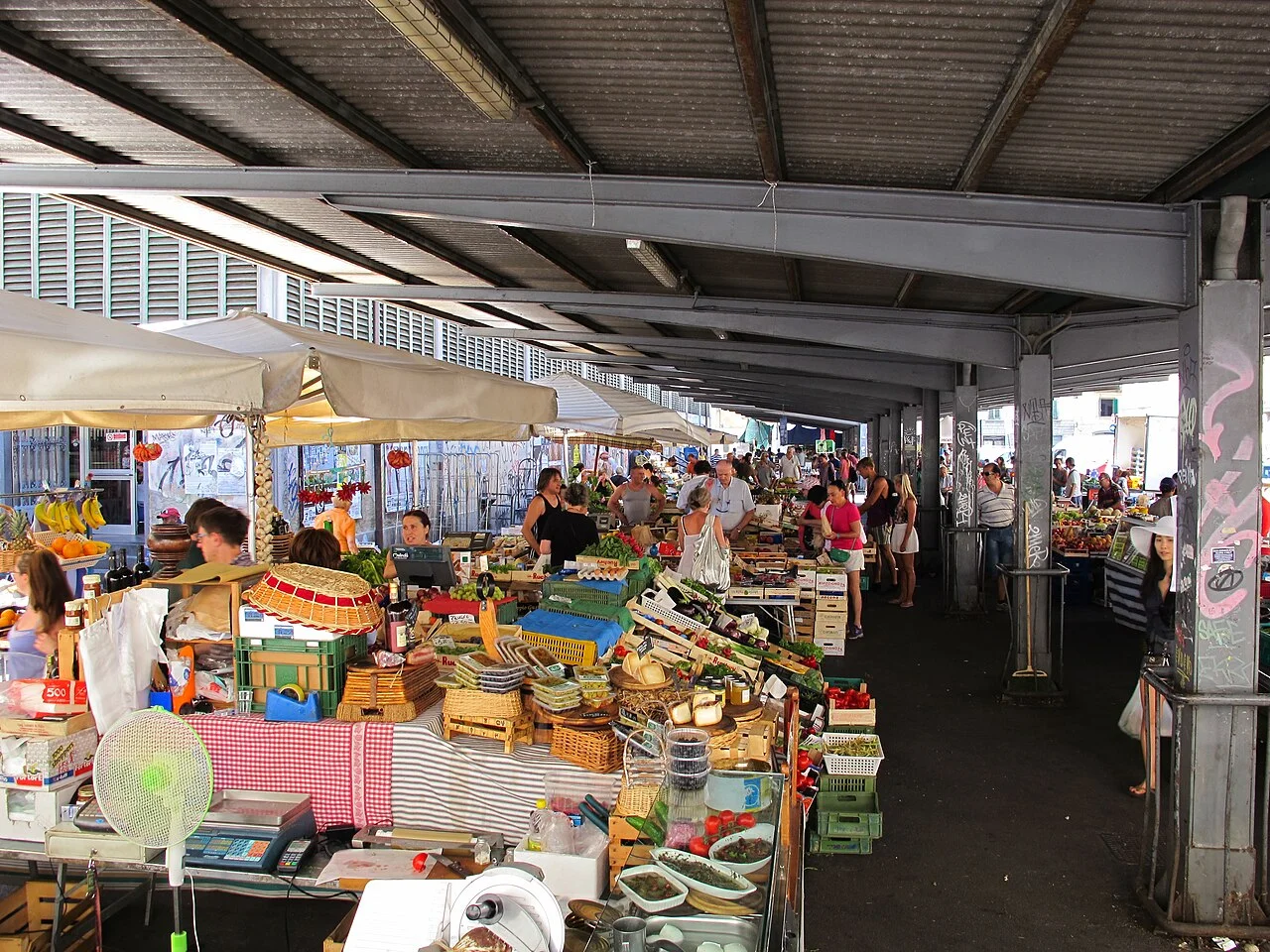
Place Sant’Ambrogio in a short walking block after breakfast. The colours on the stalls provide a glimpse of ingredients before you choose lunch. Stand to one side for photographs rather than interrupting somebody’s shopping route, then put the phone away for a moment and notice how the counters shape the street. Everyday market surroundings and monumental city sights can complement one another. There is no need to make the market a hurried detour between two bigger attractions.
The Municipality of Florence identifies Mercato Centrale in San Lorenzo and Sant’Ambrogio as historic markets at the heart of city life, placing Sant’Ambrogio in the Santa Croce neighbourhood. Rather than visiting both in one morning, assign each a different day. After lunch around Sant’Ambrogio, keep the walk towards Santa Croce modest and take coffee within the same broad area. Several nearby stops make a gentler food day than repeatedly crossing the centre between meals. Your map can remain a guide rather than a demand.
Lampredotto: give the street-food lunch its own space
Lampredotto is a significant name in Florence’s street-food tradition. It comes from the bovine digestive system but is a different part from tripe. For a curious traveller, make the sandwich the main lunchtime experiment instead of ordering it immediately before another large meal. A companion who dislikes offal can choose another bread-based lunch during the same break. Nobody in a group has to enjoy identical flavours for the outing to work well. The pause matters as much as agreement over the filling.
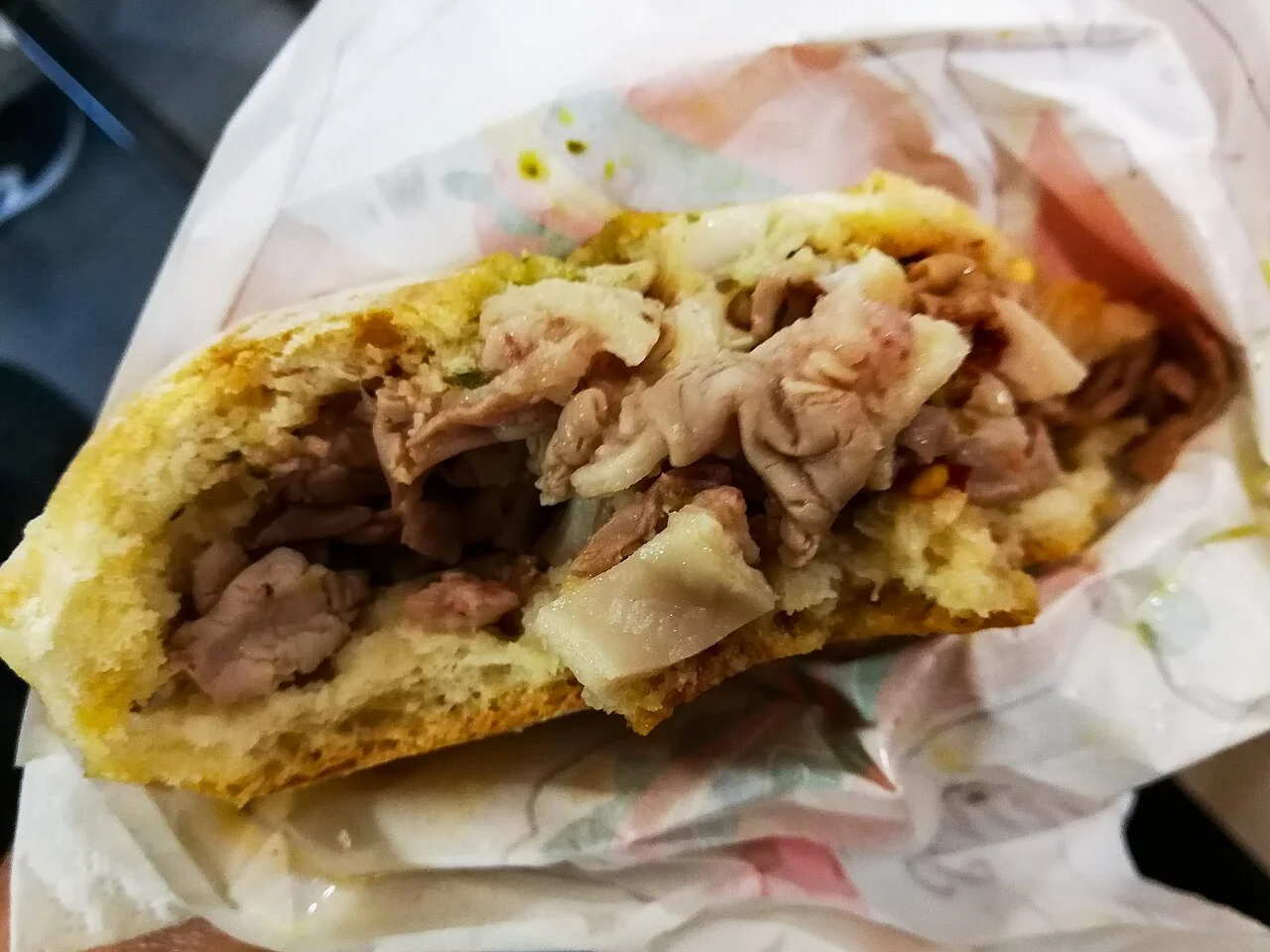

FeelFlorence’s official street-food route points to central locations including the Sant’Ambrogio area, San Lorenzo and Piazza dei Cimatori. Pick just one as your own lunch destination. Trying to walk every named location in the same day can turn a food discovery into a race. If a museum booking follows, avoid leaving the sandwich until the last few minutes before admission. Even a meal without a restaurant table deserves some breathing room. A nearby short walk afterwards is often better than immediately launching across the city.
Ribollita and bread’s second life at the table
Ribollita is a hearty Tuscan bread-and-vegetable dish, while pappa al pomodoro brings bread and tomatoes together in another way. Rather than treating both as interchangeable soup, consider them for separate meals. On a cool walking day, a warm bowl can become the centre of lunch and leave you free to choose a smaller dinner. In sunny weather you might reverse that rhythm, taking a shorter midday pause and reserving the longer seated experience for evening. Your appetite need not follow the sightseeing timetable exactly.
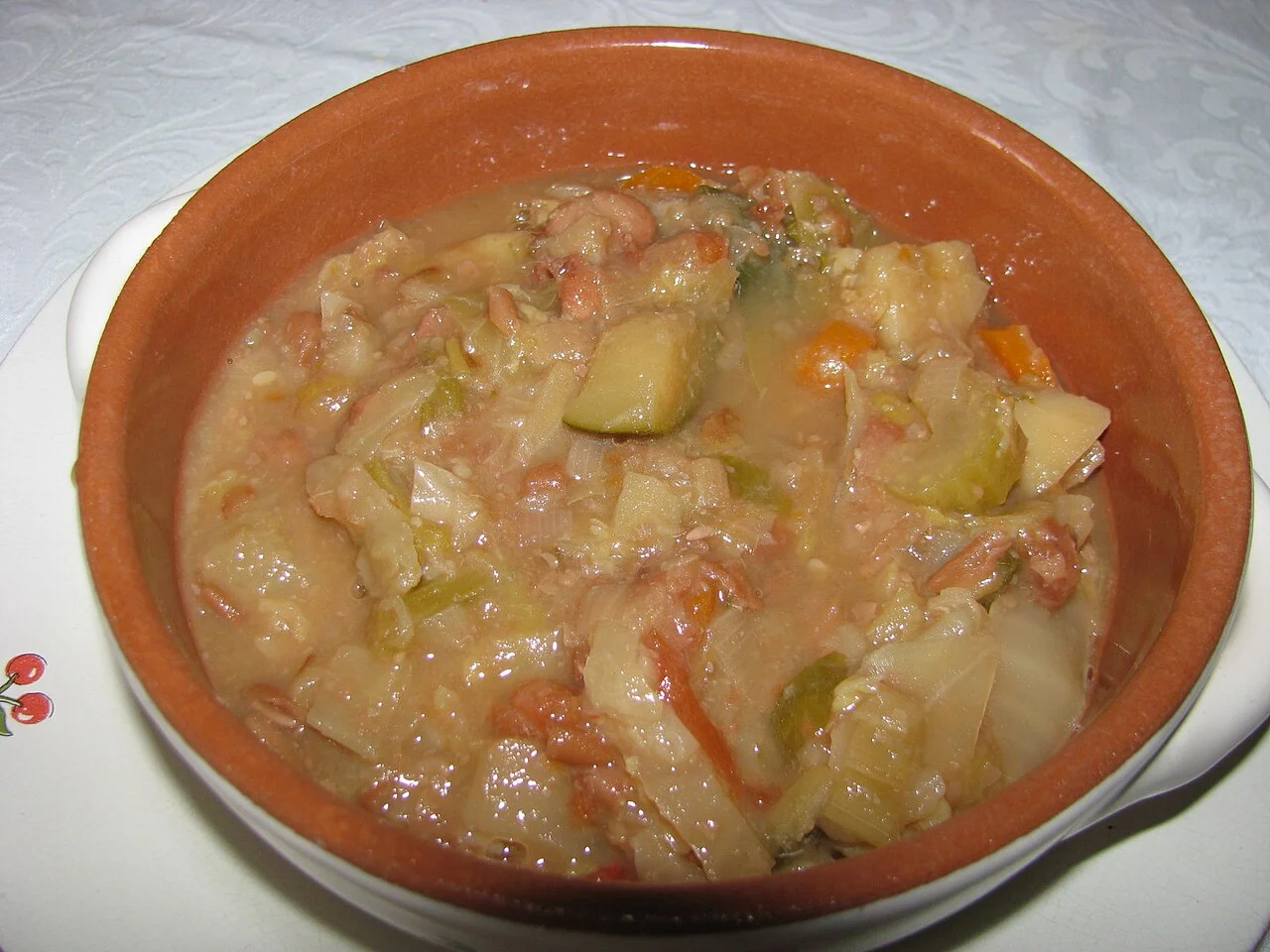

For a vegetable-focused meal, look for names such as ribollita, pappa al pomodoro and fagioli all’uccelletto. The last is associated with beans, tomato and sage. A dish name is not an automatic guarantee of dietary suitability, so clarify ingredients once and then return to the conversation. Completing the table does not always require an extra large course. A modest side dish can help keep lunch comfortable and make the second half of the afternoon more enjoyable. Give the ingredients room instead of ordering on the assumption that more must be better.
Bistecca alla fiorentina: make dinner the main event
Bistecca alla fiorentina is the steak name that frequently appears in discussions of Florentine food. If that is your planned evening meal, keep lunch lighter and consider how the table might share its main choice. Establishing the portion and pricing basis before ordering removes an avoidable surprise at the end. There is no universal weight, group size or price in this guide because the available cut and your appetites will vary. Rare preparation is associated with local tradition; choose with that expectation in mind rather than assuming the name describes a small standard plate.
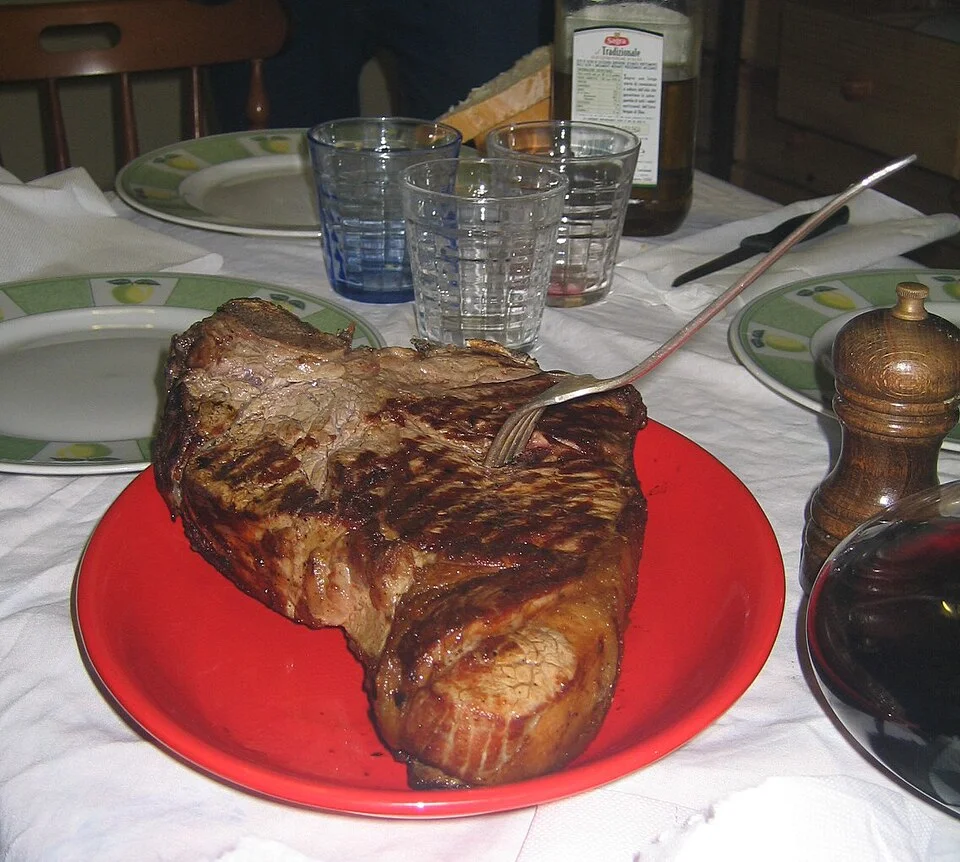

Do not attach every other famous flavour to the same steak dinner. A starter or a side, one main decision and a short walk afterwards may make a more balanced evening. If somebody does not eat meat, choose their own main dish at the outset rather than leaving them at the edge of a shared plate. Combining dinner with a walk around Santo Spirito or San Frediano is a route suggestion, not a claim that we have visited a particular restaurant or sampled every menu there. Keep the plan practical and personal to your party.
Schiacciata alla fiorentina: a sweet interlude
Schiacciata alla fiorentina sounds like a bread name, but the item discussed here is a cake. FeelFlorence’s traditional recipe record connects it with the carnival season, so do not assume it will appear in every display on every date. Understanding the distinction from a savoury filled bread makes ordering less confusing. Instead of forcing a sweet course onto an already substantial dinner, give it the leading role in a coffee break on another day. One flavour enjoyed properly can be more memorable than the final compulsory item on a list.
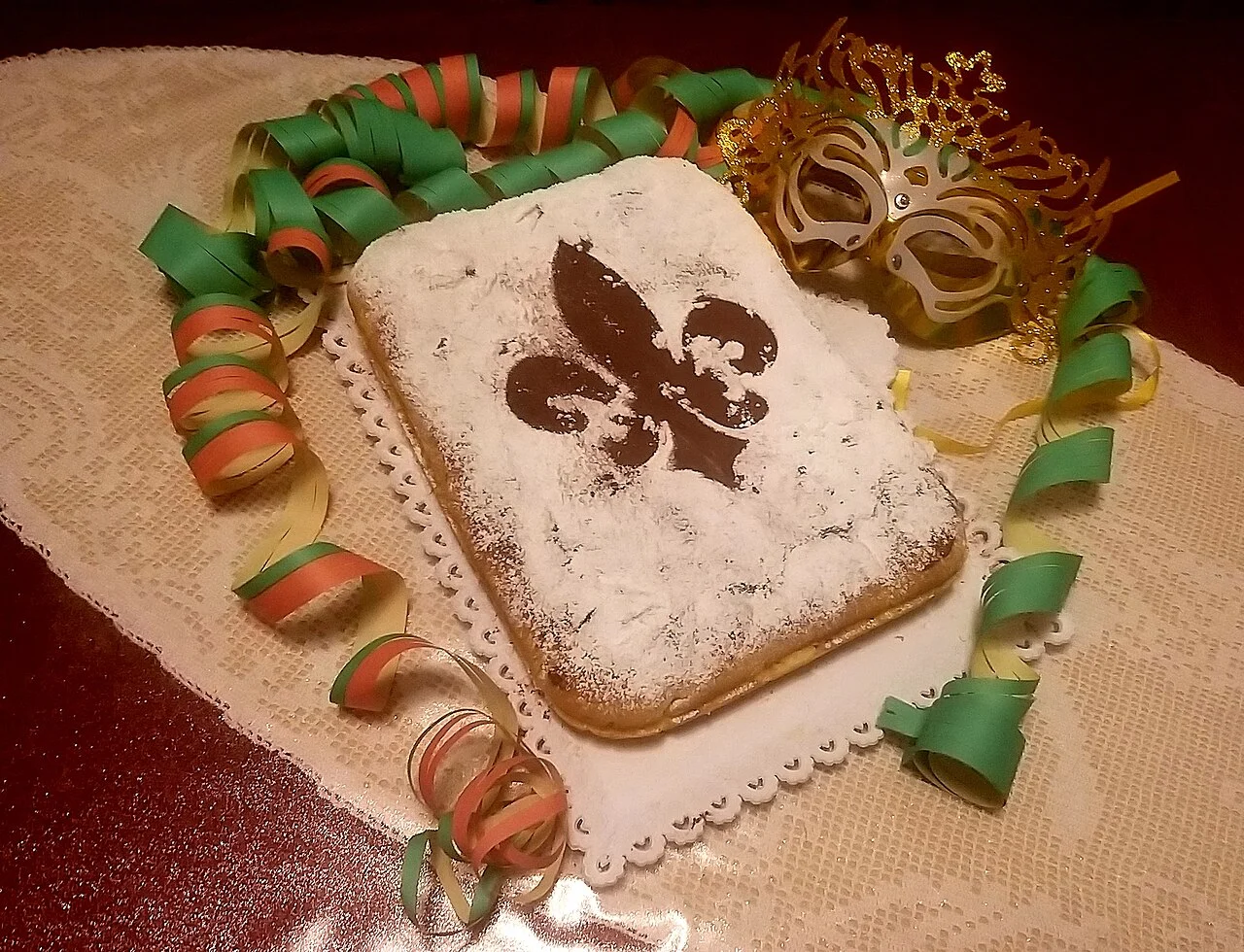

Bring the two-day route together with Sant’Ambrogio and lampredotto on day one, then a quieter lunch near San Lorenzo and your chosen evening main on day two. Cross the Arno once for an Oltrarno block rather than making several unnecessary back-and-forth journeys. As editorial starting points, the Santa Maria Novella station area suits an arrival-and-departure plan, Santa Croce fits the market-led first day, and Oltrarno works with an evening walk. Think about the luggage route before choosing a room; a convenient meal district and a simple arrival are separate considerations.
The Stork’s final suggestion is straightforward: do not squeeze all the flavours into a single day. Let bread lead one meal, vegetables another, and a longer table a separate evening. Florence can then become more than a list of museums to enter. It becomes a city where sitting down and continuing the conversation feels like part of the journey itself.