
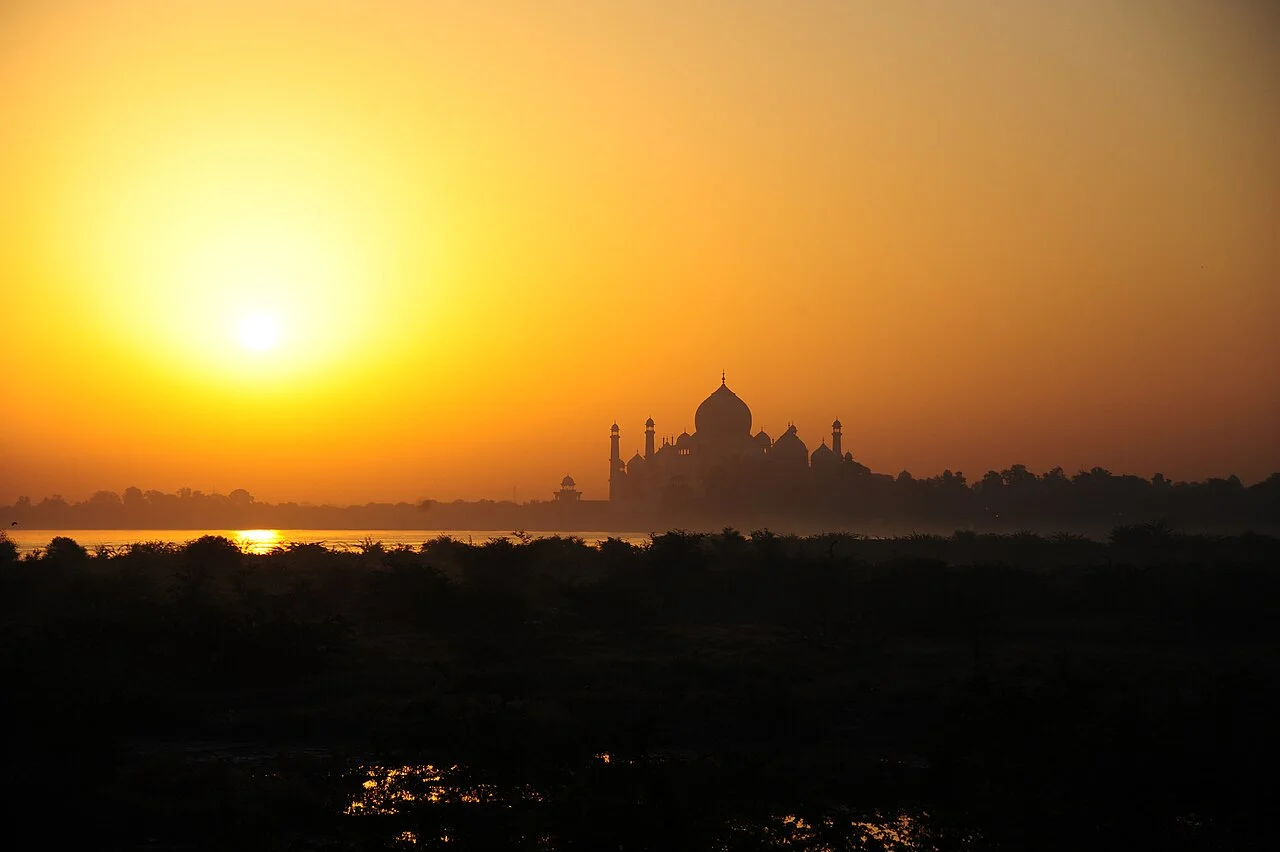
A rewarding travel photograph does not necessarily begin with the most expensive lens. Understanding a place, leaving time for changing light and respecting what appears in the frame can matter more. Tatilmerkezi's Stork introduces five different image ideas in five countries: an Agra monument's silhouette, a river line in Florence, Seattle seen across water, Kenyan wildlife and a Berlin waterfront. These are not checkpoints to finish during one trip. Select one starting point according to your photographic interests. A city break and a safari do not require the same equipment, budget or access arrangements. Decide what you would like to communicate first, then build a manageable route around that idea.
Agra, India: read the Taj Mahal rules before framing
The cover records the Taj Mahal's silhouette in morning light in 2010. A distant angle does not establish that anyone can freely reach that point today, and its exact camera location is not being offered as a walking address. Visitors to the monument should read official access, entry and equipment information. The Uttar Pradesh tourism source explicitly states that photography inside the main mausoleum is prohibited and also lists restrictions on tripods and drones. A desired photograph does not justify crossing these boundaries. If planning an early Agra visit, check the current opening arrangement for your actual date. Spend a moment simply looking at the relationship between shadows, architectural lines and empty space. That observation may teach you more than a rapid sequence of accidental exposures.
Florence, Italy: make a river story around Ponte Vecchio
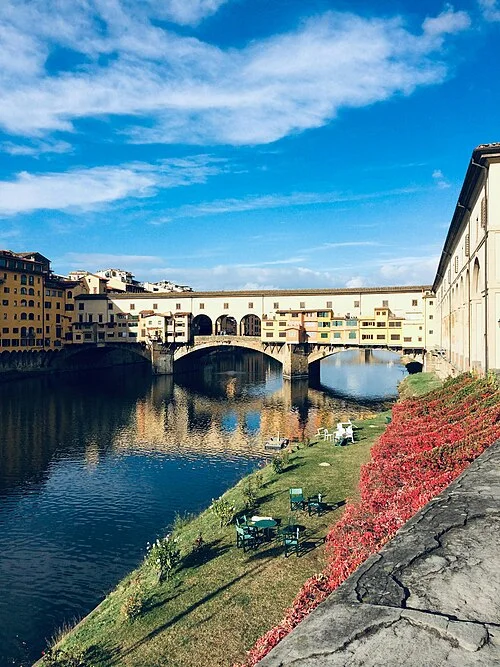
Ponte Vecchio crosses the Arno and belongs to Florence's historic bridge landscape. The municipal tourism source and regional Visit Tuscany information help place it correctly within the city. Rather than filling every frame with a close-up of the bridge, consider the riverbank's direction, reflections and opposite facades. The genuine photograph, captured in 2025, illustrates that relationship with the river. Reaching its exact angle is not guaranteed; choose your own composition from open, permitted public areas. Avoid obstructing pedestrian movement with equipment or a prolonged setup. A short riverbank walk and a meal in the same area can make a relaxed day. Interior museum photography, commercial use and equipment permissions may follow different rules from a personal photograph beside the river.

Seattle, USA: water and skyline from Gas Works Park
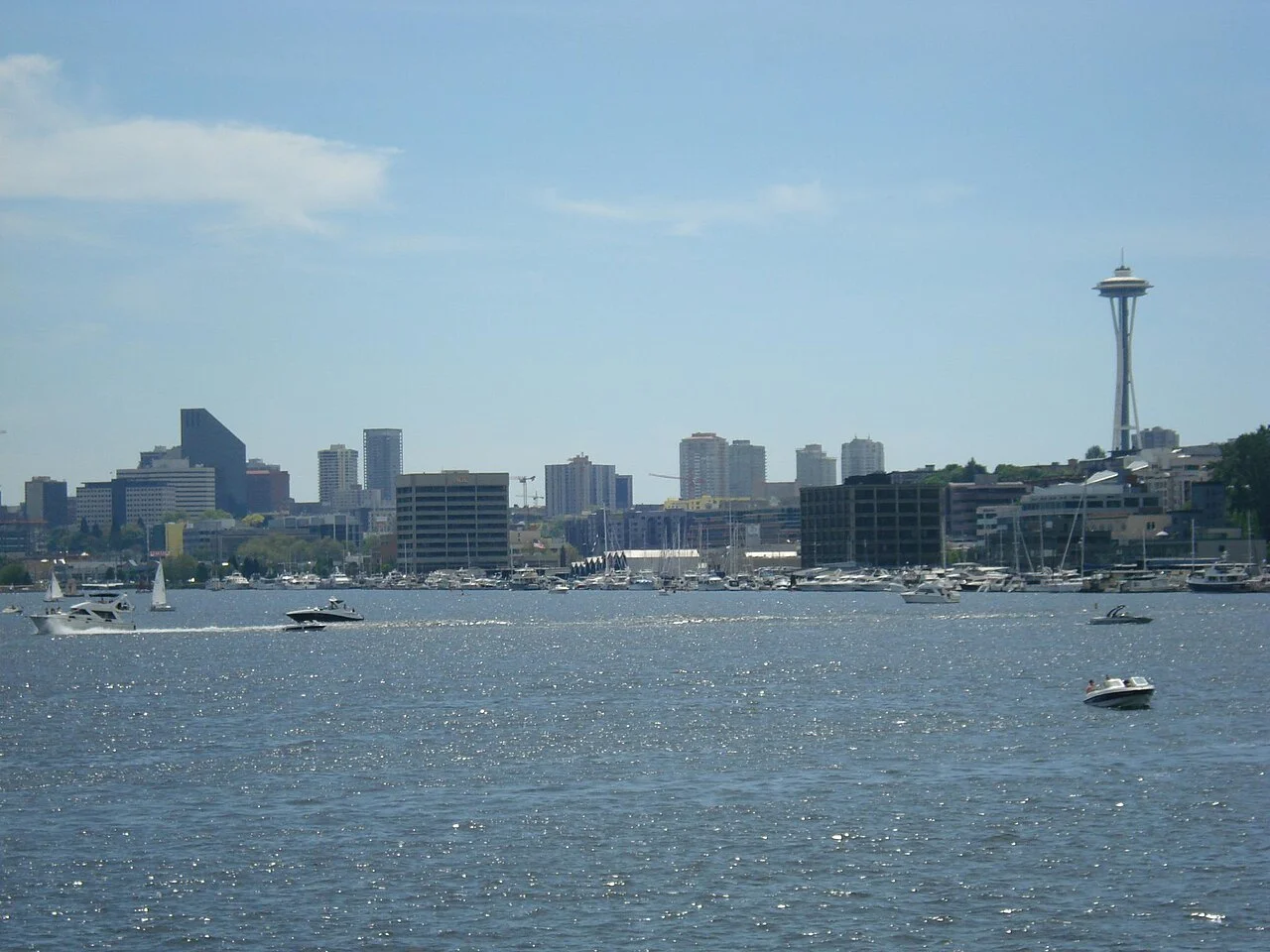
Seattle's municipal park description identifies city views among Gas Works Park's notable features. Looking across Lake Union lets you treat water as a foreground and the skyline as a second layer. The photograph dates from 2008 and is not a current inventory of buildings. Read park notices and remain in permitted open areas. Climbing industrial structures or entering fenced sections is not a sensible method of obtaining a higher camera position. Instead of squeezing every building into a wide frame, try a quieter composition with a few structures and the waterline. An overcast sky need not count as a failed day; softer light can support work with color, lines and nearby details. It may also be useful to consider the return journey before darkness rather than when you have finished shooting.

Kenya: wait without approaching the subject in the Maasai Mara
The giraffe photograph was taken in the Maasai Mara in 2018 and shows the animal together with its vegetation. It does not promise that the same species will appear on every safari day or that you can reach the same point. Work from a respectful distance rather than moving closer to make the animal larger in your frame. Follow the instructions of your guide and the rules of the particular reserve area or conservancy you selected. Mara Conservancy's official park information is a relevant source for the Mara Triangle; rules there are not automatically generalized to every Kenyan location. Ask about vehicle, entry, guide and accommodation arrangements together before booking. Feeding wildlife, changing its behavior or blocking its path for a picture does not improve the journey. Time spent only watching can be part of the experience too.


Berlin, Germany: consider different levels around the Spree
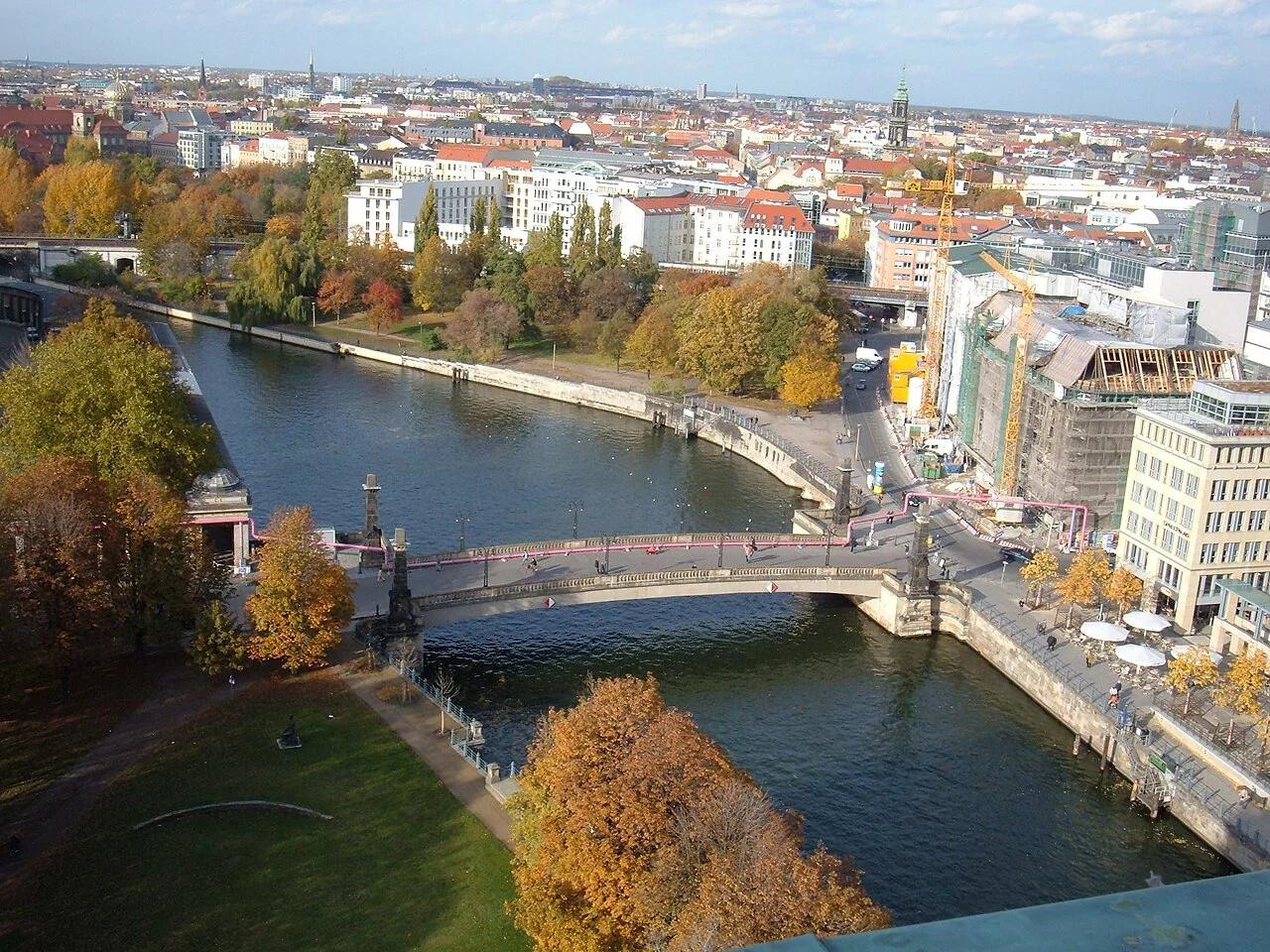
The Spree offers a Berlin photography idea that connects water, bridge lines and buildings. Use the official visitBerlin river-area suggestions to select a short section. Our image is a historical elevated view photographed from Berliner Dom in 2004; it guarantees neither today's buildings and streets nor present access to the same viewpoint. A paid or closed upper level should not be confused with an unrestricted pavement. At river level, bring a reflection or a bridge line into your own composition. Thinking about an alternative height does not necessarily require paying to climb somewhere. Check nearby museums' current admission separately instead of adding every museum to an already short waterfront outing.

Give a photography day a workable rhythm
Choose two image ideas within the city: perhaps a broad landscape and a closer detail. After the first session, leave time for a seated pause and a possible indoor alternative. Constantly compressing the schedule to reach the opposite end before light changes may produce less than waiting patiently in one place. A safari day should not be forced into this city pattern; permitted hours, guide and vehicle arrangements and animal movement shape it differently. Compare a starting address, the final walk and the return through appropriate transport information. Planning every featured country in quick succession is less realistic than spending time with one area. A smaller route can leave more attention available for the subject you actually traveled to see.
Accommodation, food pauses and the bag
Choose accommodation through the area you intend to explore and its transport connections. One sunrise photograph need not dictate the entire holiday. Agra, Florence, Seattle and Berlin involve city accommodation decisions, while a safari camp also requires attention to the entry area and transfer arrangements. Place a food pause at a suitable establishment with current information near your route. Pasta in Florence or coffee in Seattle can suggest the kind of break without promising a particular restaurant or price. Carry equipment you genuinely expect to use. Spare power, storage and weather protection may be useful, but permitted belongings differ between visitor sites. Ask before making close portraits of people. When sharing an image, label its place and date accurately and avoid adding an invented memory to the caption.
Image selection and changing information
Five genuine photographs illustrate subjects in five separate countries, each with its own capture date. Creator and licence records accompany them, and no image is presented as an AI-generated scene. Tourism, visitor and park sources were reviewed on October 3, 2026. Weather, access, admission fees and equipment permissions can change, so recheck them near your journey. No clear sky, empty frame or wildlife encounter is guaranteed. The Stork's suggestion is simply to begin a good photograph by giving a place some of your time.