
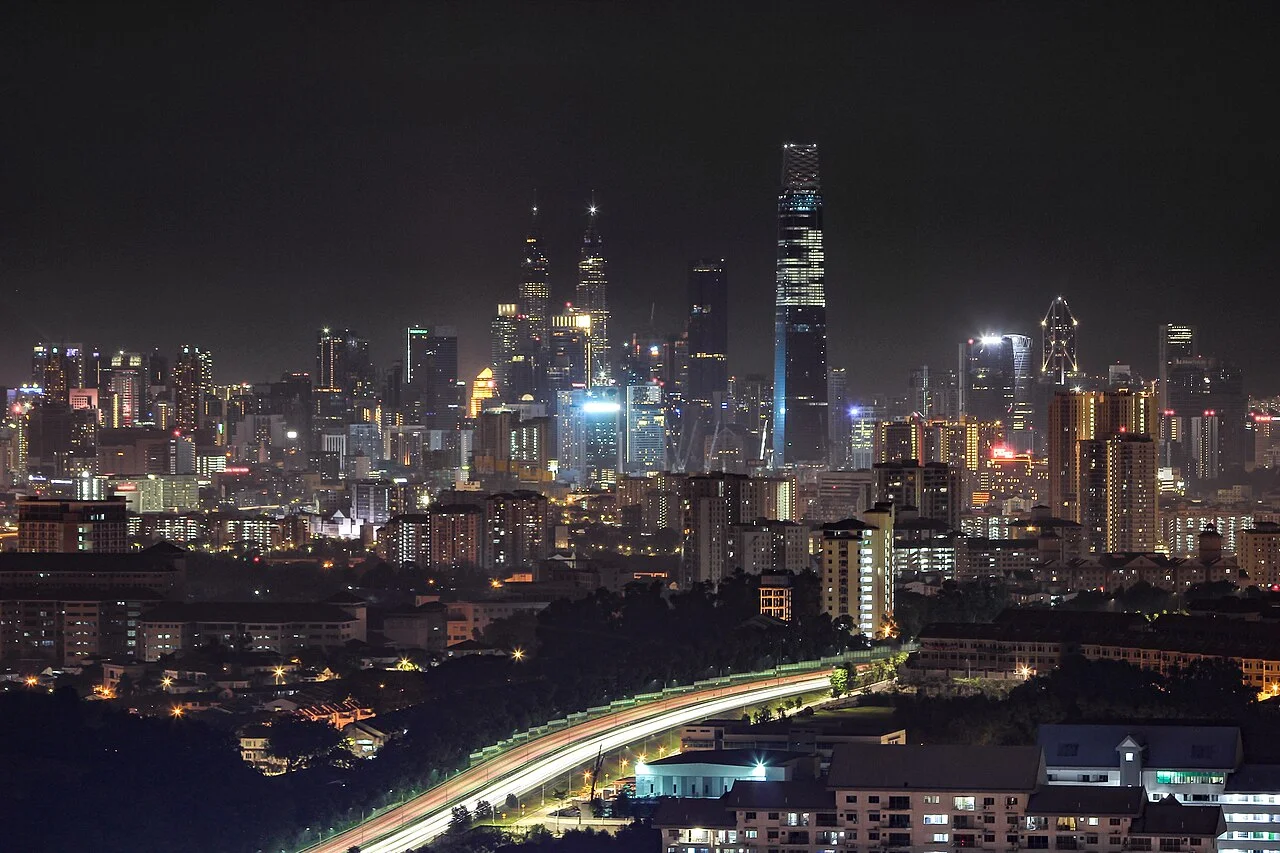
Kuala Lumpur is easier to enjoy when the itinerary does more than count skyscrapers. The Petronas Twin Towers skyline, the gateway of Petaling Street, Central Market's facade and the green surroundings of Perdana offer different ways to spend a day. The Tatilmerkezi Stork suggests dividing a first visit into two days: discover streets and the market first, then make room for the towers and an outdoor pause. That gives photographs and meals space without turning the visit into a race between reservations. You need not see everything. Two neighbourhoods and one main experience can be more satisfying than constantly transferring across town. This guide offers a practical outline rather than a promise that every attraction operates identically every day.
Five authentic photographs show separate scenes: the night skyline, Petaling Street gateway, Central Market, Perdana and Jalan Alor. Their dates run from 2012 to 2023; older shop signs and street arrangements are not current business information. Official visitor and transport sources were reviewed on 3 October 2026. Check tickets, operating arrangements and services again for your own date. The airport train's official page displayed a combined-service alert, so do not assume every departure is a non-stop express journey. A current operator alert is more useful than an old travel blog's timing. Give each day one fixed appointment and leave the walks more flexible.
Petaling Street: look beyond the gateway
Petaling Street can be one of the first day's walking stops. Official tourism material describes the area's older shop setting alongside food and shopping. A gateway photograph does not represent the whole neighbourhood. Walk a short circuit before choosing somewhere to stop. If shopping, clarify price, product details and payment rather than assuming an establishment in an older picture is unchanged. Keep a bag and phone where you can monitor them in crowded passages. Leaving shop entrances clear while taking photographs gives workers and other visitors room to move. A photograph is a memory of a place, not permission to occupy its busiest doorway.
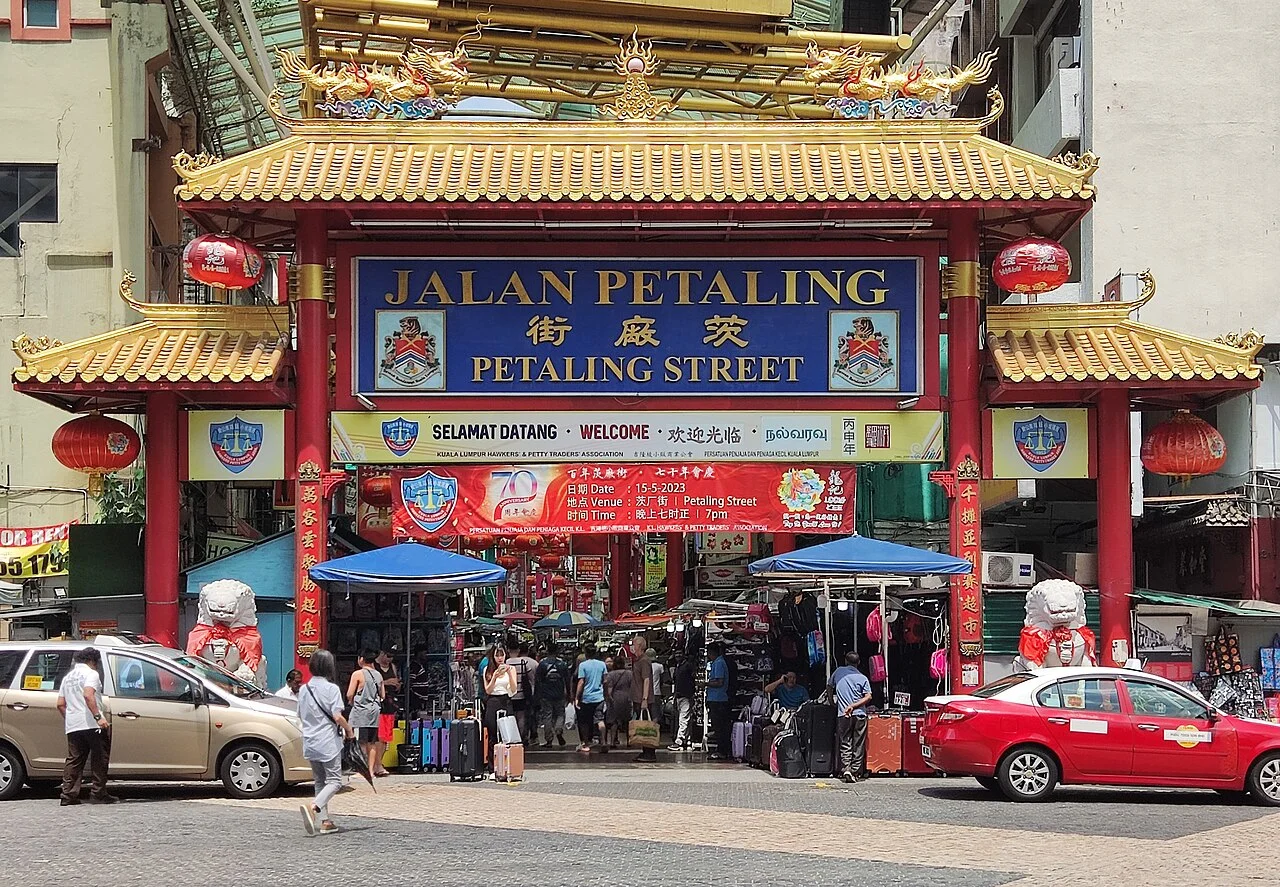

Do not plan the walk solely from a straight line on a map. Road crossings, heat, luggage and resting needs affect the actual pace. A drink and seated pause may be a better choice than immediately adding another stop. Travellers with children or mobility needs should check the entrance and pavement they intend to use, rather than relying on a neighbourhood name. The Petaling photograph records the gateway on 5 July 2023. It does not establish today's crowding, the opening of a particular stall or the ingredients of every meal sold nearby. The Stork's small challenge is to notice one street detail before focusing on the shopping list.
Central Market: facade, crafts and a pause
Treat Central Market as a separate curiosity within the centre itinerary. The facade photograph dates from 15 July 2023; an exterior view does not promise identical stalls inside today. Consult the market's own current information when planning. When choosing a craft or souvenir, ask about material, production location and transport needs. An item that looks local is not necessarily locally made. Selecting something that fits the flight baggage may be more comfortable than carrying an awkward purchase for the rest of the day. Follow photography arrangements at entrances and within individual businesses. Ask before photographing a worker or an item at close range.
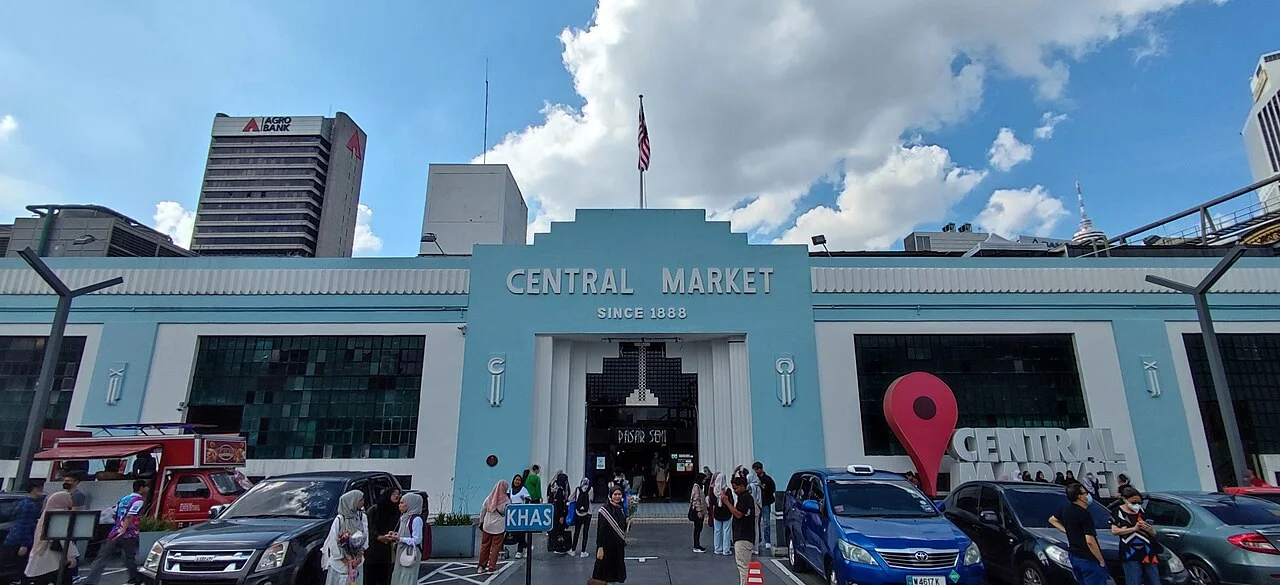

The stop's value need not depend on a purchase. Looking at architectural details and understanding the surroundings also belong in the route. If seeking an indoor option during rain, establish which areas are open on the date rather than assuming every section is an available shelter. For a meal nearby, examine an actual business's menu. Knowing a tourist area's name does not establish allergens or halal certification. Leave a little breathing space before the next journey. That allows the market to be a place you explored, rather than a building you rushed through while watching the time for another reservation.
A green interval around Perdana
Perdana Botanical Gardens appears in the official tourism guide as one of Kuala Lumpur's green stops. An outdoor interval can change the mood after shopping and building visits. Do not assume every area has the same entrance arrangements or opening programme. Choose the part you wish to visit and check its current access first. If heat or rain makes a long walk uncomfortable, a shorter section may suit the day better. Water, comfortable footwear and time to rest can be more useful than an ambitious checklist. Travelling companions do not all need the same walking pace, so agree where to pause before setting off.
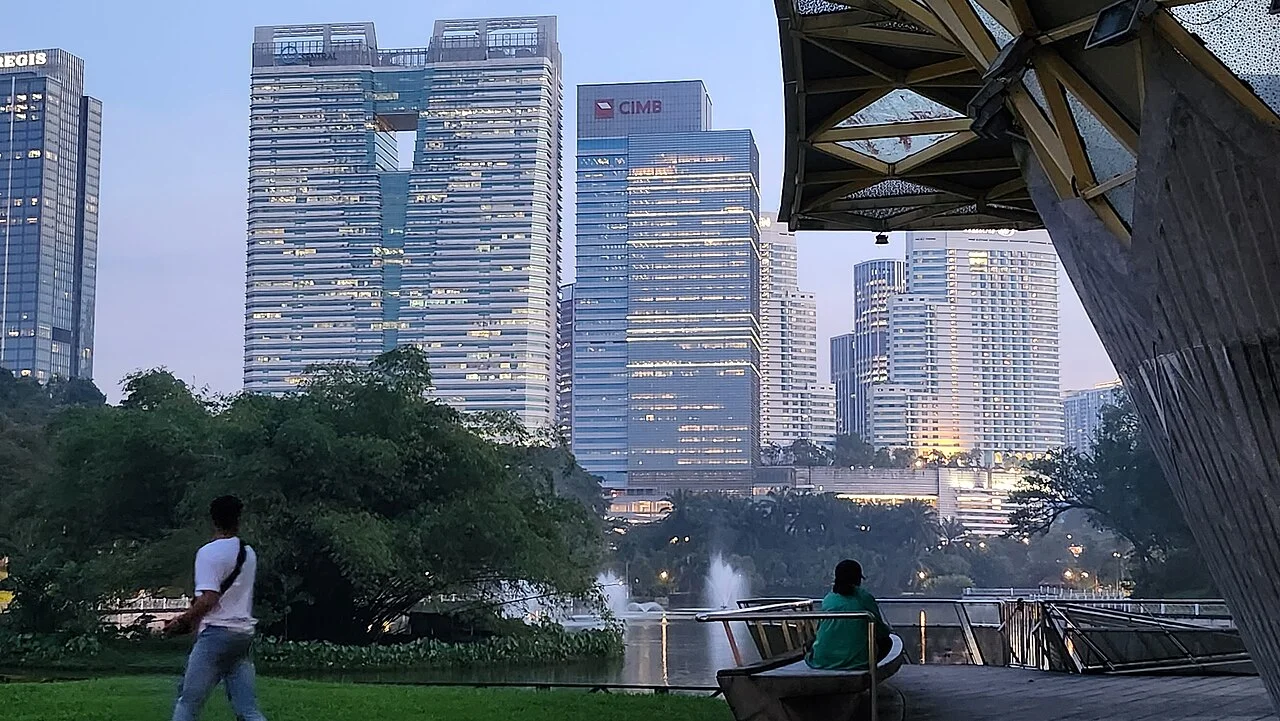

The photograph dates from 30 October 2023 and shows park surroundings with built structures and the city behind them. It is not a picture of remote wilderness or a current event. Follow local guidance about planted areas and paths rather than stepping into vegetation to improve a camera angle. If combining the gardens with a museum or separately managed facility, check that attraction's admission and journey independently. Being nearby does not mean they share a ticket or entrance. No particular free service or uninterrupted access is promised here. A green interval can be valuable even if it occupies only a modest part of the day.
Petronas and Jalan Alor: different evening choices
Seeing the Petronas Twin Towers from outside and buying admission for the Skybridge or observation area are different experiences. The operator uses timed ticketing; consult official sales information for the date and slot you want. Its calendar does not apply the same Monday arrangement to every week. Do not infer opening merely from the day name. An exterior skyline plan should not be confused with paid interior admission. The night photograph is an authentic scene from 1 January 2019, not evidence that every hotel room offers the same view. If the towers are the fixed event of the day, allow time to reach the correct entrance.
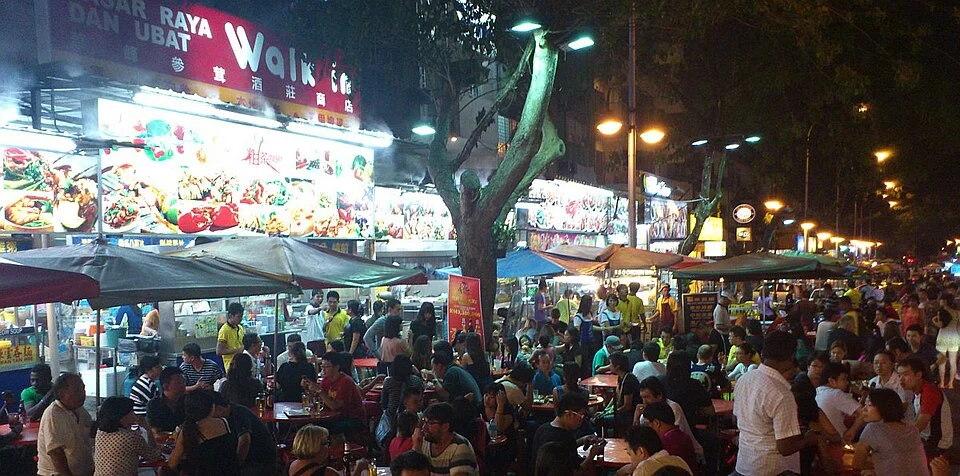

Jalan Alor answers another evening interest: exploring a food setting. Its street photograph was taken on 7 January 2012; the visible signs are not current restaurant recommendations. Check menu, portions, payment and ingredients before sitting down. If trying nasi lemak or another local dish, explain dietary preferences rather than assuming every business uses an identical recipe or certification. Dividing a tower appointment and a longer food outing across separate evenings may be more relaxed. Over two days, one street walk, a green pause and a main skyline experience make a useful first introduction. Choose the combination you actually want, not the one with the longest list.
Accommodation and the airport's final connection
Compare the KLCC area for a tower-focused programme, Bukit Bintang for evening plans and food, and KL Sentral for transport connections. These are planning suggestions, not guarantees that every hotel is quiet, cheap or an easy walk from a station. Check the actual entrance address and the route you will use. For an airport train journey, consider whether the flight uses T1 or T2, current service alerts and the onward leg from KL Sentral to the accommodation. Use Rapid KL's official route information for city connections. Keep the reservation address available so a similar hotel name does not produce the wrong arrival point.
A two-day example begins with Petaling Street and Central Market, a pause and a suitable meal. The second day combines Perdana with a previously chosen tower visit. Change the order when opening arrangements or weather require it. On flight day, leave room for the airport journey rather than filling the last available minutes with sightseeing. The Stork suggests taking home more than a high viewpoint: a street detail, a meal and a green moment can tell different parts of the city's story. A successful itinerary gives chosen stops enough time rather than simply crossing every name off a list.