
A Gökçeada holiday: six reasons without one hurried island circuit
The invitation of Gökçeada reaches beyond a swim. Breakfast overlooking an olive landscape, an afternoon walking through a stone village and a separate day beside a wind-shaped coast can all belong to the same holiday. The Tatilmerkezi Stork suggests giving those experiences different days. On Türkiye's largest island, squeezing distant villages and beaches into one circuit can turn a break into a day behind the steering wheel. Here, six attractions become six planning decisions: your accommodation base, the olive-growing countryside, Tepeköy, Dereköy, Aydıncık and the sea crossing. For a first visit, consider three nights as a useful framework rather than a minimum requirement. It helps separate the village day from the beach day. With two nights, dropping a distant stop may produce a better holiday. Include the journey back to your accommodation in every day's plan, and decide which experience matters most before adding the next name to a map.
Reason one: choose a base between the centre and Kaleköy shore
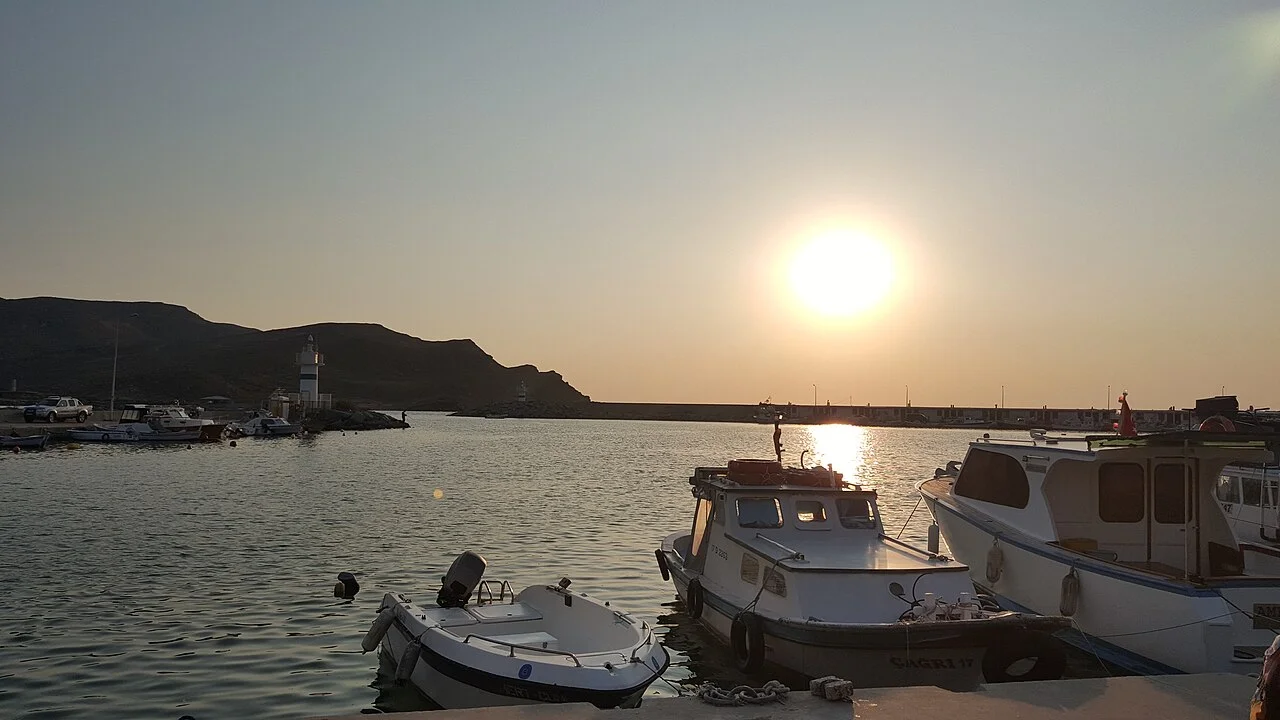
Think of Gökçeada town as a practical base for everyday supplies and departures in different directions. The Kaleköy area offers another rhythm if an evening beside the water is central to your stay. When choosing a village guesthouse, check the actual address, parking and evening meal options; the island's name does not describe a property's setting. Without a car, establish how you will get from the arrival pier to your accommodation and from there to your chosen village before booking. Keep the first afternoon light: leave the luggage, take a short walk, and buy drinking water and the next day's small essentials. A harbour stroll and a visit higher up should be assessed separately for slopes, sun and the return route. Leave working waterfront spaces clear when taking pictures. A fishing boat is somebody's workplace. Before dinner, agree on the following day's single main destination; that small decision can remove unnecessary backtracking and negotiation later.
Reason two: discover the countryside around Zeytinli
Give Zeytinli more attention than a single coffee photograph. The surrounding olive landscape and the way the village sits within it help reveal another side of the island. Olive-growing areas are productive land as well as attractive scenery: looking from a public route is different from entering a private grove. A morning visit can begin with a short walk along accessible public streets before choosing somewhere to sit. A modest breakfast of olives, cheese and bread provides an approachable way into a meal without requiring an enormous spread. Ask about portion sizes and the source of products rather than assuming every item is made on the island. Choose coffee or dessert from what is available that day, and avoid treating one fashionable product as a permanent menu for an entire village. With a large group, use a suitable meeting point instead of blocking a narrow residential lane. If another village follows in the afternoon, allow for the meal and the journey rather than rushing breakfast to complete a checklist.


Reason three: leave real time for the Tepeköy panorama
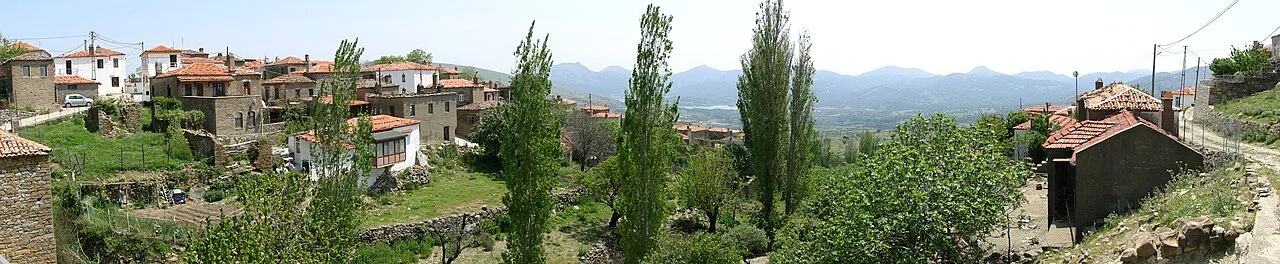
Tepeköy shifts the focus away from the shoreline towards a broader view of the island's settlements. The point is not to step out of a vehicle and immediately hurry on. Walk one slope slowly, notice how the streets connect, and allow a proper pause for the view. Stone houses are homes rather than sets reserved for visitors. Respect doorways, private courtyards and the use of places of worship. For a group with children or limited mobility, ask about gradients and the walk from the parking location in advance. Calling a whole village an easy walk can hide important differences between its streets. If the visit includes a meal, establish which venue is open and when its kitchen is operating on that particular day. A leisurely evening table also requires a comfortable return arrangement. Avoid leaving an unfamiliar road to be discovered after dark. The Stork's suggestion is to add at most one nearby stop, and keep it optional so a satisfying visit is allowed to last longer.

Reason four: understand a different village scale in Dereköy
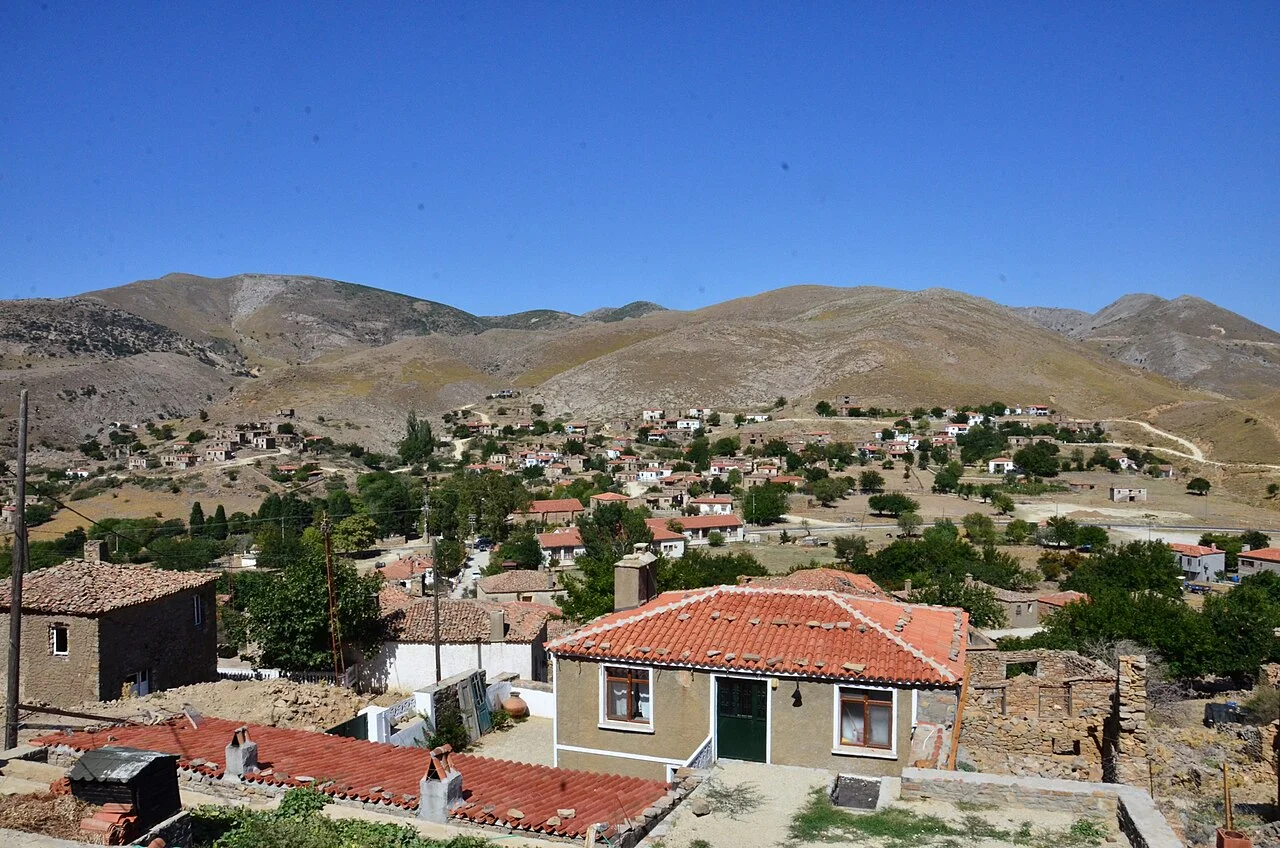
Approach Dereköy as a visit with its own purpose rather than a repetition of the previous village. Understanding the spread of the settlement, the spaces between houses and the routes available for public walking takes time. An old-looking or apparently unused building is not an invitation to enter. Stay on safe, permitted routes instead of treating ruins as an adventure playground. Adding Dereköy to the end of a beach day may leave both driving and walking for the moment when everyone is already tired. A more useful choice is to make it the main destination of a village day, with only a short stop on the way back. Carry water, wear shoes with comfortable soles and avoid scheduling a long exposed walk in midday heat. For a local meal, one main dish and a shared accompaniment are often a clearer introduction than ordering everything. Ask businesses about the origin of products described as island produce; regional cooking and production on the island are related but different claims.

Reason five: arrange an Aydıncık day around the wind
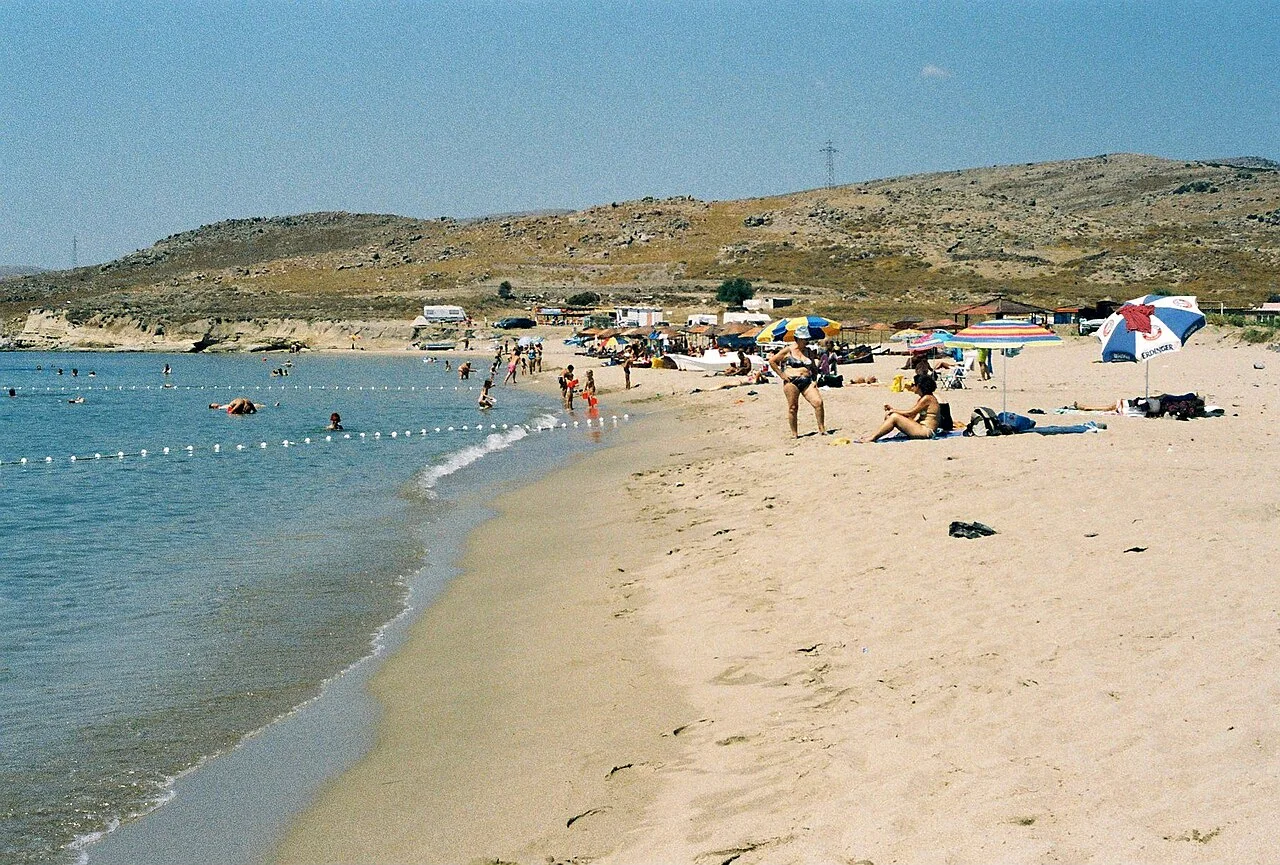
Treat the Aydıncık coast as a separate day or a genuine half-day rather than a gap between village visits. The island's windy character helps attract interest in surfing, but strong wind does not make sea conditions suitable for every visitor. For a first attempt at a water sport, discuss your ability, the lesson arrangements and the day's conditions with an appropriate operator before hiring equipment. Swimming also requires attention to local warnings and your own ability; an appealing shoreline is not a guarantee of a safe entry. A family group should check shade, drinking water, toilets and the return journey on the day. Avoid arranging a long beach walk and a lesson for the same period. Pack sun protection, enough water and clothes for the journey back. Do not assume a health benefit from activities involving mud in nearby natural areas. Follow conservation rules and leave sensitive places undisturbed. If the coast is unsuitable, a short town walk followed by a longer meal is a reasonable alternative, rather than a failed holiday.

Reason six: fit the island days around the ferry crossing
When planning the sea journey on the Kabatepe–Gökçeada route, distinguish the departure pier, a pedestrian or vehicle ticket and the transport needed after arrival. At the 4 October 2026 source check, GESTAŞ displayed an announcement of timetable changes from 5 October on several routes, including Kabatepe–Gökçeada. Use the timetable for your own travel day together with cancellation and additional-sailing notices, rather than copying a departure from an older article. Avoid a tight onward flight or intercity bus connection based on the final available ferry. Leave room for a change to a sea crossing. With a car, consider accommodation parking, fuel and the driving involved between villages. Without one, do not assume that transport for an extensive village circuit will be waiting; a shorter itinerary can work much better. Keep the departure morning for breakfast, luggage and reaching the pier, rather than filling it with a distant beach. The crossing is part of the holiday's structure, not an administrative detail to address at the end.
A three-night example: villages, coast and an unhurried return
On arrival day, a modest exploration around the centre or Kaleköy is enough. Give the second day to Zeytinli and the Tepeköy area, shortening one if the other proves especially rewarding. On the third day, choose Aydıncık when conditions suit; for a village-focused holiday, give Dereköy its own time and leave out the beach. Reserve the fourth morning for a short breakfast and departure arrangements. This avoids turning all six reasons into compulsory achievements within one visit. At meals, ask about product origins, seasonal availability and cooking methods. Seeing the price and the unit used to sell fish before ordering helps prevent misunderstandings. In spring or autumn, confirm accommodation and meal options instead of expecting the same businesses as in summer to be operating. Spread small purchases over the visit, and leave portable items until the end. The most satisfying souvenir is the space you created for a walk, a conversation over food and some time resting beside the sea.