
Meet Graz at the market before choosing the plate
The Tatilmerkezi Stork invites you to think about the shape of the day before deciding what reaches the table. A morning market, a seated lunch and a short pause after exploring can become a rewarding food day in Graz. Getting to know Styrian ingredients does not mean filling a shopping bag. Asking a producer a question, looking closely at an ingredient and deciding what to order are also part of travelling. This guide does not rank restaurants. It connects different meal preferences with two market areas and an unhurried city day.
Choose one main meal at the outset. Separate market shopping from a restaurant experience instead of eating something at every stop. With children, include short sitting breaks. If someone has mobility or dietary requirements, confirm that the route works for them before setting out. The photographs are real, dated archival scenes. A bean salad photographed in June 2020 does not show that the same restaurant serves the same recipe today. Look for excitement in the ingredients, and make practical decisions from current information.
Kaiser-Josef-Markt and Lendplatz: two morning ideas
Graz's official tourism information presents Kaiser-Josef-Markt and Lendplatz as important parts of the city's market culture. You might choose the former for a morning discovering produce and the latter for a longer neighbourhood pause. There is no need to reach both in one morning. Choosing the one closer to your accommodation can reduce the burden of carrying purchases through the rest of the visit. Check the current operating days and hours before going; this guide does not promise a fixed market calendar.
Give yourself a small task at the counter: learn where an ingredient comes from and how it is used. If buying something, ask about quantity, storage and whether it can reasonably be carried through the remainder of your day. Do not assume bread, cheese or prepared foods are available at every stall. Ask about payment before selecting products. If you are planning breakfast, remember that seating and service may be separate from the produce counter. Buying food does not automatically provide a table to use.
Pumpkin seed oil: ask about the label and its use
Styrian pumpkin seed oil appears among the regional products described in Graz's official market information. Its dark colour should not lead you to assume every bottle has identical characteristics. Questions about production location, product name, storage after opening and recommended use are more useful when selecting a bottle to take home. The photograph of oil in a glass vial is an ingredient illustration. It does not show a particular Graz producer's product or establish a protected origin certification.
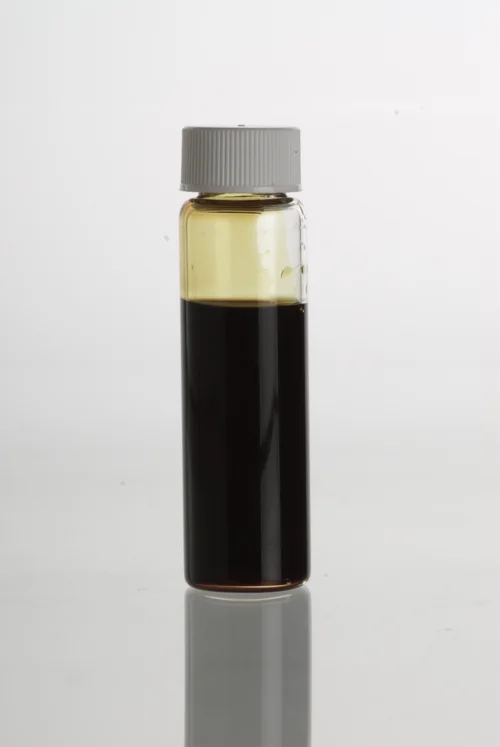

When choosing a restaurant dish containing the oil, consider its flavour together with the other ingredients. Do not assume every dark sauce on the table is pumpkin seed oil. Ask the staff to explain. With specific dietary requirements, a general dish name is not enough. Packaging and a secure closure also matter if you will carry a purchased bottle through a long walk. If flying later, check liquid rules separately against official information for your actual route and baggage. A food guide cannot replace those journey-specific instructions.
Käferbohne and salad: decide the portion's role
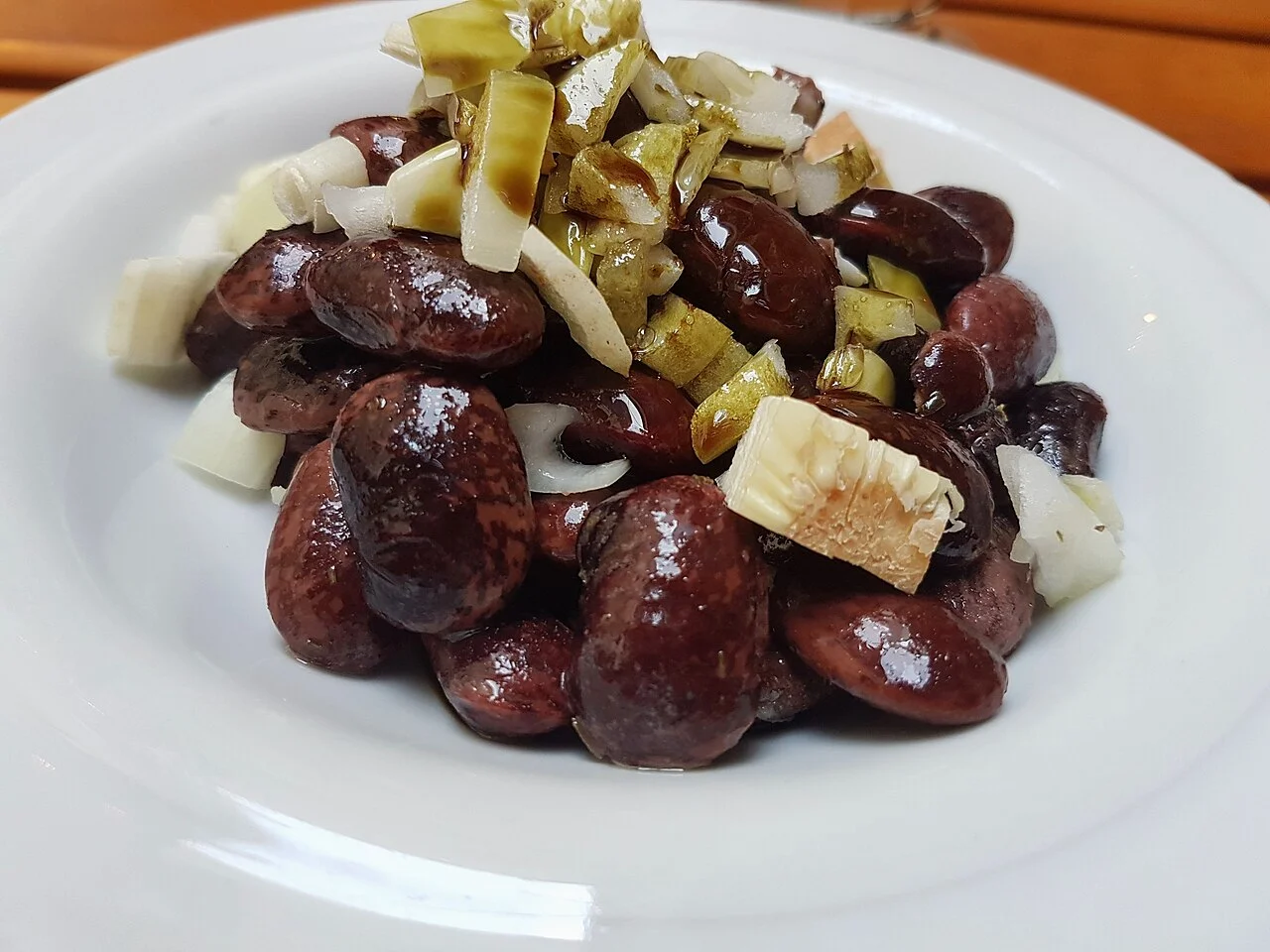
The city's official information includes Styrian bean products among the ingredients associated with its markets. The cover photograph shows a Käferbohnensalat, a runner bean salad photographed in Graz. It is not a standard for every portion. If a similar dish appears on your menu, ask whether it is a main meal, an accompanying salad or something intended to share. That helps you decide how much food you may want during the remainder of the day.
The word salad alone also tells you too little about ingredients. Oil, dressing, additional items and accompaniments can vary between kitchens. Do not use an old photograph to predict a present restaurant's recipe. Explain if you would prefer a lighter meal, and avoid creating pressure to finish a large portion. People at the same table do not need to order similar dishes. One person can choose soup while another selects something more substantial. Clear information about service and sharing matters more than matching everyone else's plate.
A soup pause and the seed itself
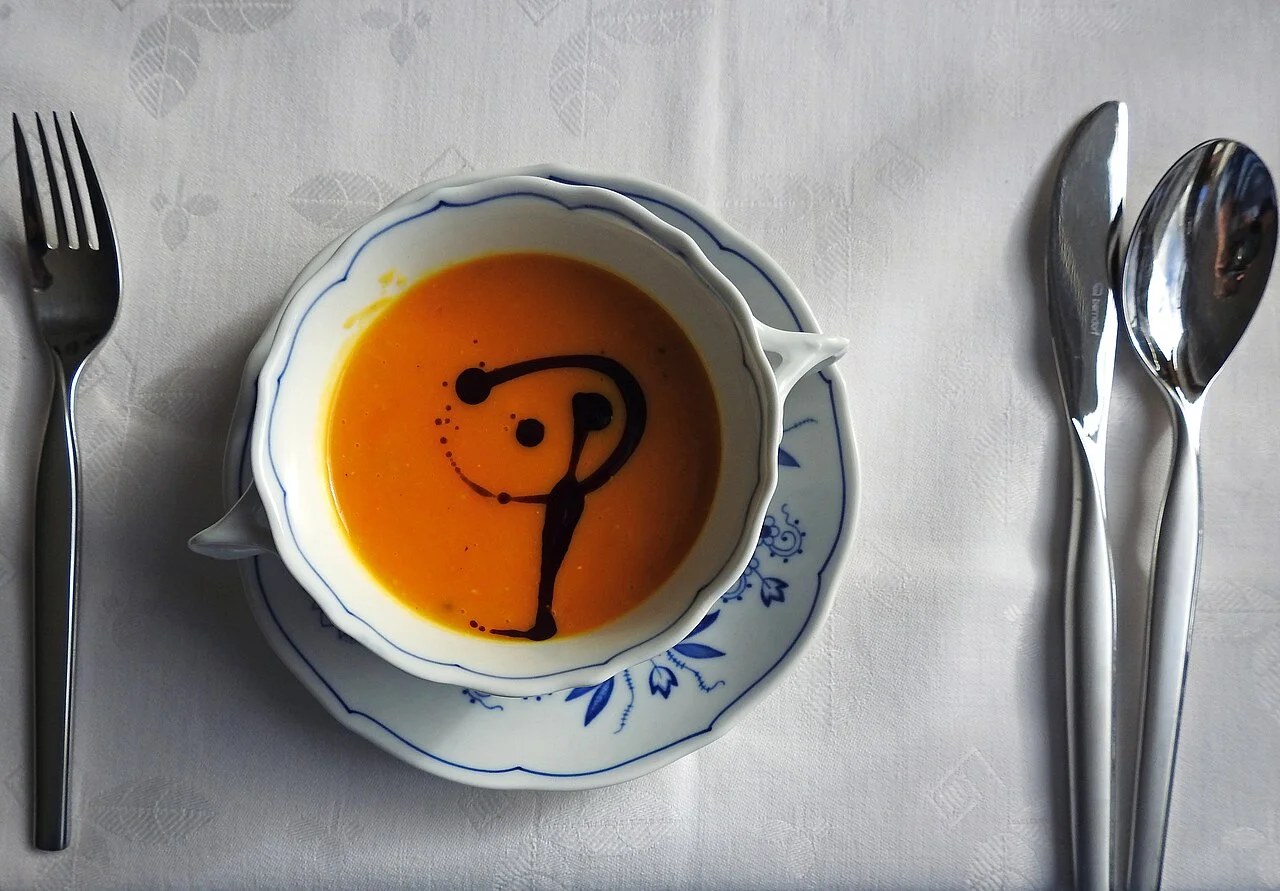
The archival pumpkin soup photograph illustrates a dish using Styrian oil. Its shooting location has not been confirmed as Graz, and it is not linked to a current local menu. That distinction is useful for your plans too. Introducing a regional ingredient and recommending a specific restaurant are different things. On a cool or rainy day, sitting down with soup may be an appealing option, but ask the business about its ingredients, availability and portion rather than guessing from the image.

The fresh seed: distinguish the photograph from the product
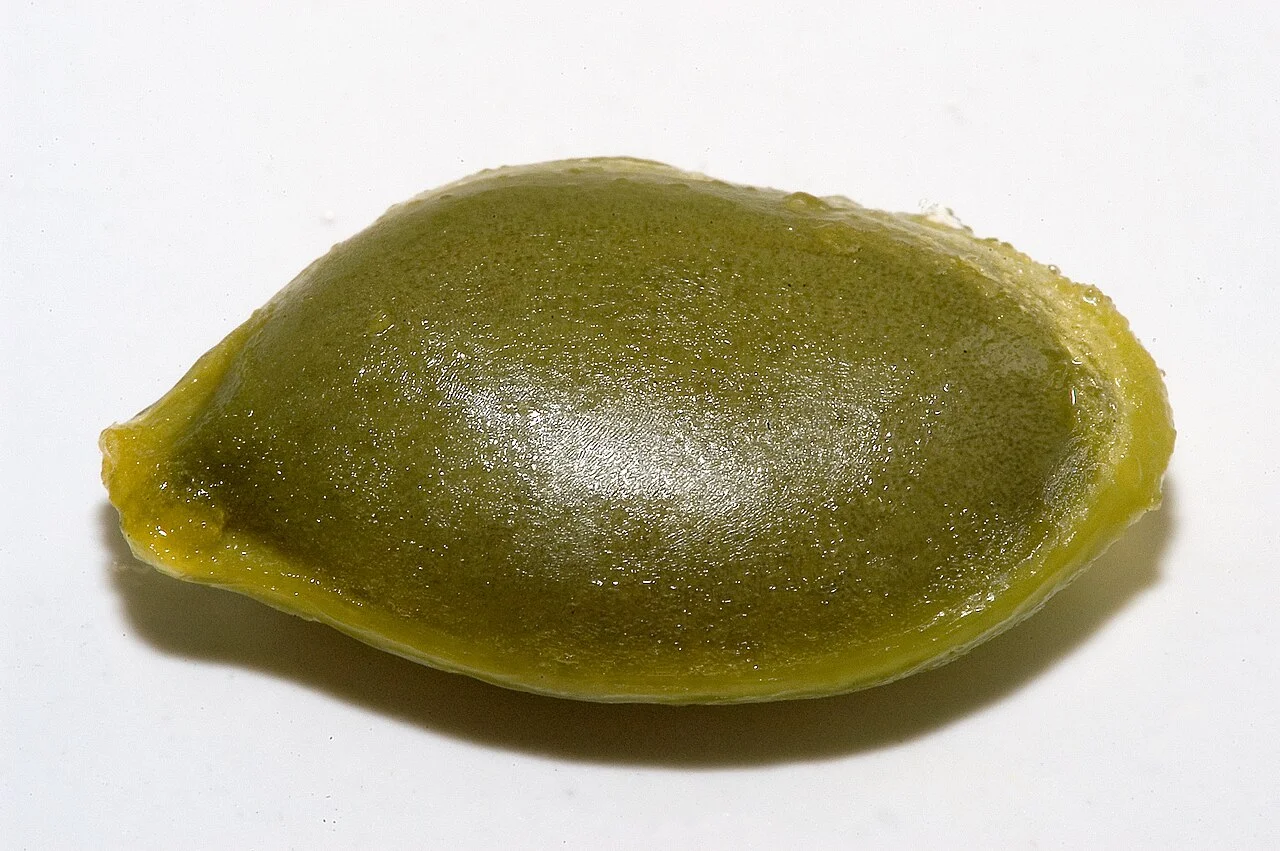
The close-up of a fresh seed photographed in Graz offers another way to look at the ingredient. A fresh seed in the picture is not the same as a ready-to-eat snack or a bottle of oil on the table. At a market, you may be curious about how a product is processed. A producer's answer applies to their own product. If you want something ready to eat, say so specifically. With children, explain the difference between what is pictured and what is being purchased. Using an image to ask better questions, rather than treating it simply as decoration, can enrich the visit.

An urban pause after eating: around the Uhrturm
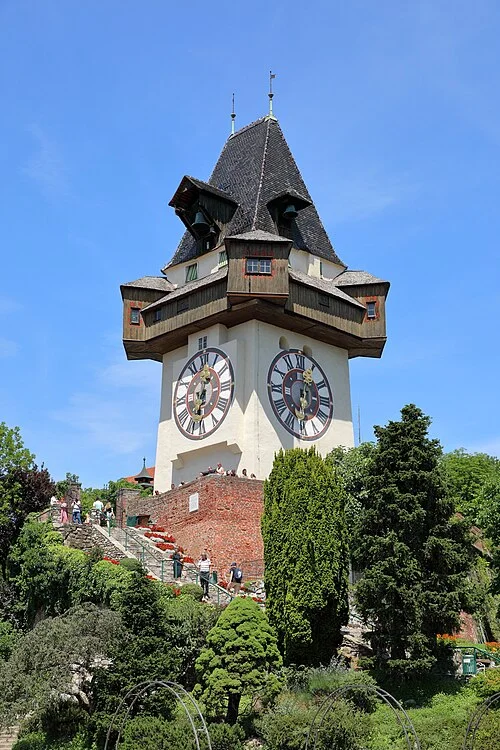
Graz's clock tower represents a city pause between meals in this food guide. The June 2022 photograph is not evidence of a particular restaurant view or a terrace currently operating. Rather than scheduling a steep walk immediately after a substantial lunch, consider your own pace. If you do not want to head uphill, choose a flatter pause in the centre. Do not infer transport, access arrangements or visiting hours from an archival scene. Check current options against the city's official information.

Keep an evening alternative near the centre or your accommodation. It can help when lunch takes longer than expected. When selecting a room, look beyond the number of nearby restaurants. Street noise, the final walking stretch, lift access and transport connections affect everyday comfort. With two days in Graz, give one day to markets and ingredients, and the other to a longer seated meal. The Stork's invitation is modest: approach products with curiosity, avoid rushing the table and shape the city day around your appetite.
Sources were checked on 4 October 2026. Menus, prices, market calendars and transport can change. Photographer licences and subject rights were reviewed separately. Captions identify regional illustrations whose exact shooting locations are unconfirmed.