

Read two sides of Guangzhou in one journey: Liwan's historic streets and the contemporary silhouette around the Pearl River. Tatilmerkezi Stork invites you to give them separate space rather than make them compete for attention. Spend time with the decorated roof of Chen Clan Academy, slow down along Shamian streets and sit for tea and dim sum at another meal. On reaching the river in the evening, consider how the neighbourhoods explored earlier relate to the water as well as the illuminated skyline. One principal cultural visit, one walk and a seated meal form a useful daily structure. The entire city map need not be completed in two days.
Begin in Liwan with Chen Clan Academy
Chen Clan Academy provides a concrete starting point for investigating Lingnan building traditions in Liwan. City information describes its completion in 1894 and its present role housing the Guangdong Folk Art Museum. Instead of taking one hurried entrance photograph, look slowly at the roof, courtyard and façade arrangement. Verify current museum and visiting conditions; the ticket charge in an older tourism account is not today's price. Leave room for indoor visiting and rest, then continue with a meal in the same part of the city.
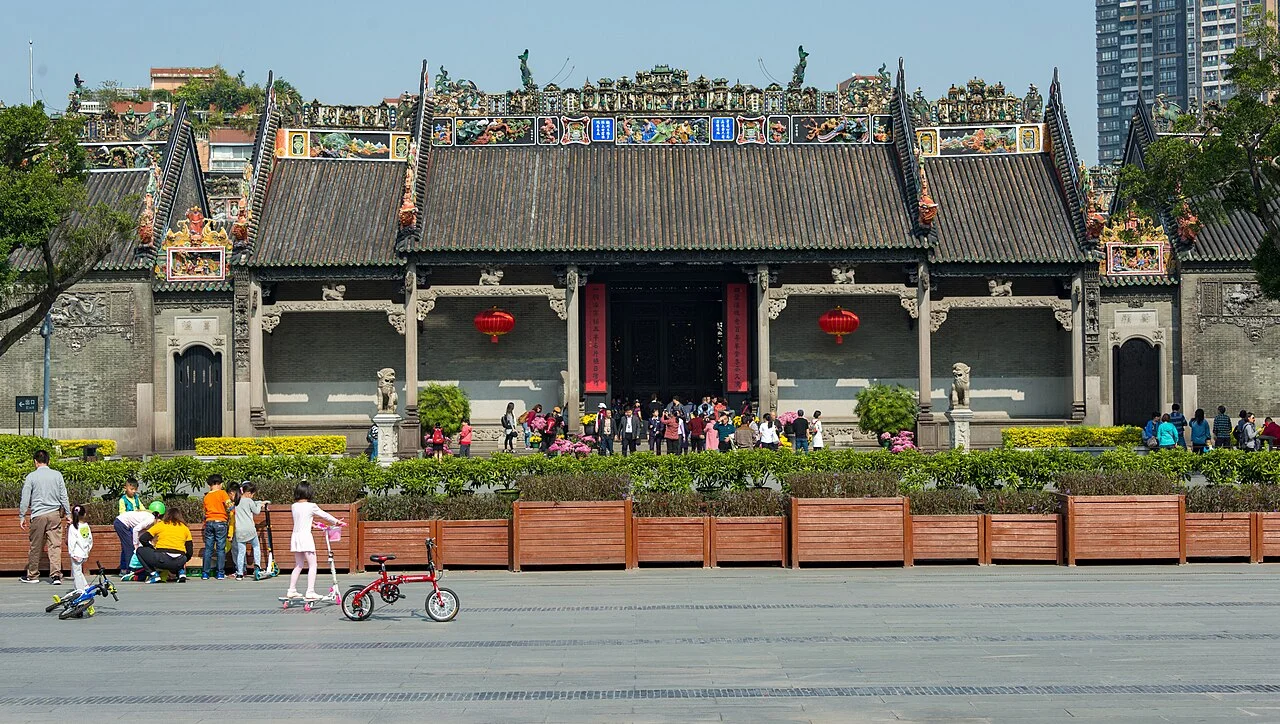

Do not reduce a building's meaning to its rooftop figures alone. Notice how courtyards and passages organise the space too. Follow photography instructions in exhibition rooms and avoid stopping the flow of visitors for a lengthy shoot. Beginning here can provide a focused cultural visit without squeezing another museum into the same period. If continuing towards Shamian or another Liwan walk, investigate the actual connection first. Sharing a district name does not establish a short door-to-door walk. A deliberate transition helps keep the neighbourhood day comfortable and gives each place enough attention.
A different pace along Shamian streets
Consider Shamian as a historic building environment to investigate on foot in Liwan. Rather than consume every street as a photograph background, look at the arrangement formed by buildings, trees and everyday use. A compact walk with a seated pause can balance a concentrated museum visit. Seeing a façade from outside does not mean its interior is open to visitors. Respect doors and garden notices, and do not use a hotel or another business's grounds as though they were unrestricted public space. Keep an indoor alternative in mind when rain threatens an entirely outdoor itinerary.


Shamian and Chen Clan Academy can belong to one day's programme, with food and transport between them. After concentrating on building details at the first stop, a shorter and less structured walk may suit the next. Investigate actual crossings and usable paths when continuing towards the river instead of relying on proximity on a map. Daytime surroundings and evening lights form different visits; you need not return twice in one day. Keep traffic and pedestrian movement clear when taking photographs. Stork suggests learning Guangzhou through opportunities to remain within one neighbourhood rather than continuous transfers between famous names.
Yuexiu Park and Zhenhai Tower
Consider Yuexiu Park and Zhenhai Tower for the cultural part of a second day. Official city information presents the park as an environment combining historic structures and an old city wall. Mark the entrance, places you want to investigate and intended exit separately. A park name does not make every part equally close to the arrival point. Verify museum or tower access independently from open-space walking arrangements. On a sunny day, plan shade and seated pauses rather than leaving the entire outdoor section for the middle of the day.


The building environment around Zhenhai and the contemporary city seen from the river represent contrasting periods. Connecting them in a practical day can help reveal Guangzhou's changing spaces. Explore one park section first and then decide how much further to continue. Relate any transfer afterwards to the exit you actually use. A lunch that allows feet to rest also makes an evening river plan easier. Carefully remembering a few structures and paths is enough; a rewarding visit need not imply that you walked through every corner of a large park.
The Pearl River: waterfront walk or evening boat
At the end of a day, the Pearl River offers another city outlook after historic buildings. Treat a short waterfront walk and an evening boat excursion as different options. If choosing a boat, confirm the operator's current departure pier, route, duration and ticket conditions. The pier reachable from your hotel is not necessarily the waterfront shown in a tourism photograph. Whether dinner belongs before the journey or on board depends on the service actually purchased. A ticket does not automatically include a meal or a particular table view.
For a walk instead, identify a starting point and return route. Seeing Canton Tower in the skyline differs from going up it; investigate tower access as a separate visit with current conditions. Do not turn the river evening into another marathon layered over a full Liwan programme. A short waterfront pause may be enough after a busy cultural day. Keep a seated alternative for rain or tiredness. Waiting for an appealing light can be enjoyable, but there is no need to postpone all return-transport research until after taking the photograph.
Give tea and dim sum a seated place in the day
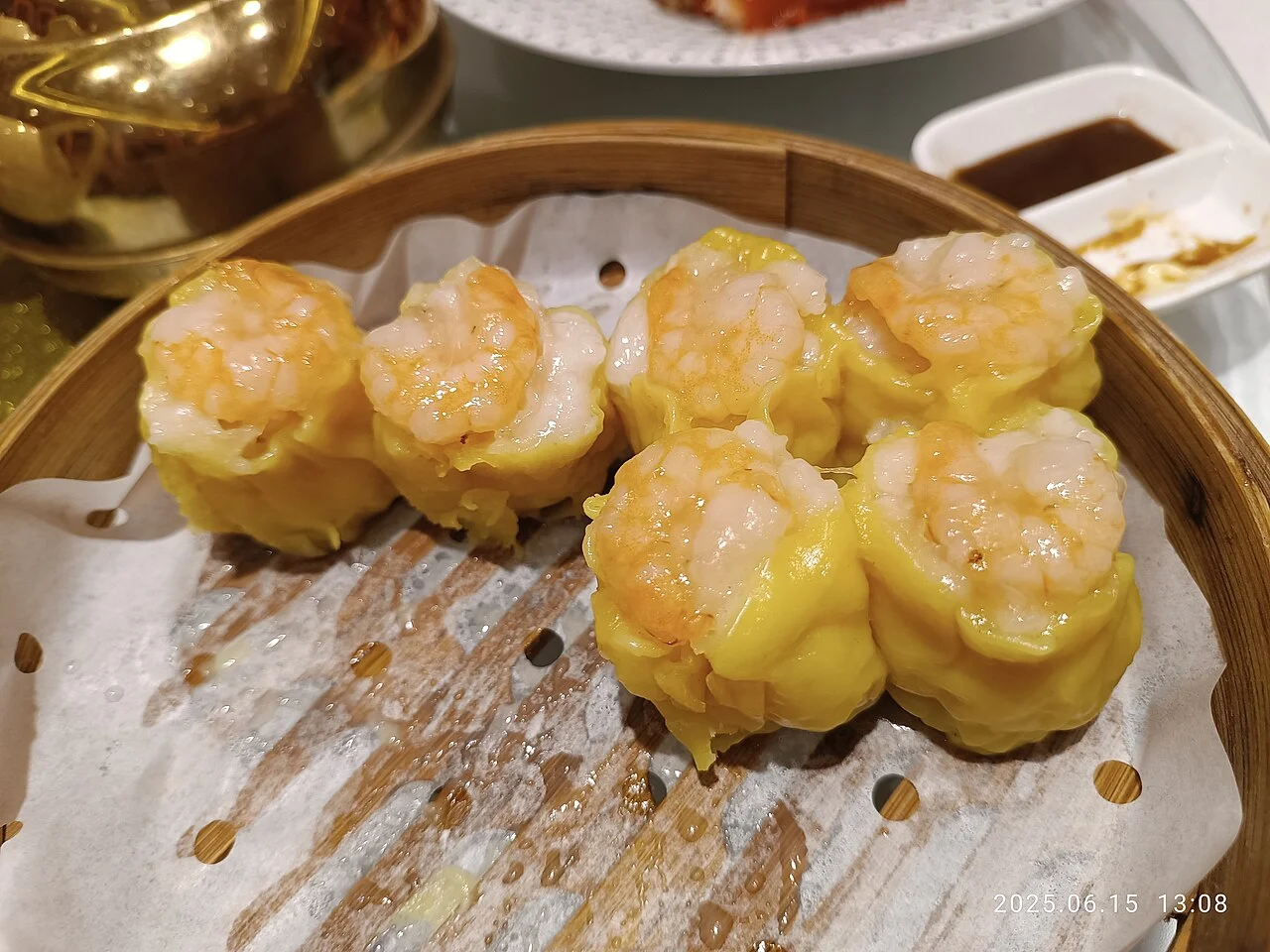
Cantonese morning tea and dim sum form a distinct part of the official city guide's food information. Plan the meal as time at a table rather than another quick takeaway purchase. Sharing several smaller dishes can introduce contrasting preparations within one principal meal. Investigate a concrete choice such as prawn siu mai on the menu, using the business's real description to establish ingredients. A dated plate photograph does not establish a current serving or charge. Understand tea service and ordering arrangements at the particular table you select.

If morning tea comes before the first museum visit, give it proper seated time instead of rushing between the two. When investigating dim sum for a later meal, check that business's serving arrangements. From a Liwan day, investigate nearby options before making another district compulsory; from Tianhe accommodation, consider actual menus around the hotel. Rather than treat one table as the sum of the entire cuisine, notice what you enjoy and what you might investigate at a different meal. In Guangzhou's itinerary, the table offers both rest and another connection with local culture.
Accommodation, transport and a two-day route
Investigate Liwan or Yuexiu accommodation for a programme focused on historic places, or Tianhe when other city connections matter more. Work from the hotel's full address, nearest station and daily return route rather than its district name alone. For Baiyun Airport arrival, establish the actual terminal for your flight and confirm current terminal and transport arrangements through airline and official airport information. Use the current metro map for city routes instead of automatically adopting a line number from an older travel list. An interchange and station-exit walk also take time in a large city.
Build day one around Chen Clan Academy, a Liwan meal and Shamian surroundings. Continue on day two with Yuexiu Park, a tea and dim sum table and an optional Pearl River evening. Leave room for luggage and departure transfer rather than adding another long cultural excursion to the flight day. Tatilmerkezi Stork suggests seeing historic courtyards and the riverside silhouette during one journey while giving each its own pace. A museum, a neighbourhood and a table can make a fuller day than a much longer list of hurried stops.