
Describing Havana through colourful cars and one famous square misses many of its most interesting details. The old city's streets, harbour defences, changing horizon along the Malecón and the different pace of Vedado deserve to be considered together. The Tatilmerkezi Stork suggests an unhurried two-day first visit. Give day one to the squares, then choose waterfront and wider neighbourhood sections for day two, rather than packing the entire city into one schedule. This guide is about connecting walkable areas and recognising journeys that need their own time. It also leaves room for sitting and eating, without treating Havana's everyday life as a photographic backdrop for visitors.
Old Havana: connect the squares on foot
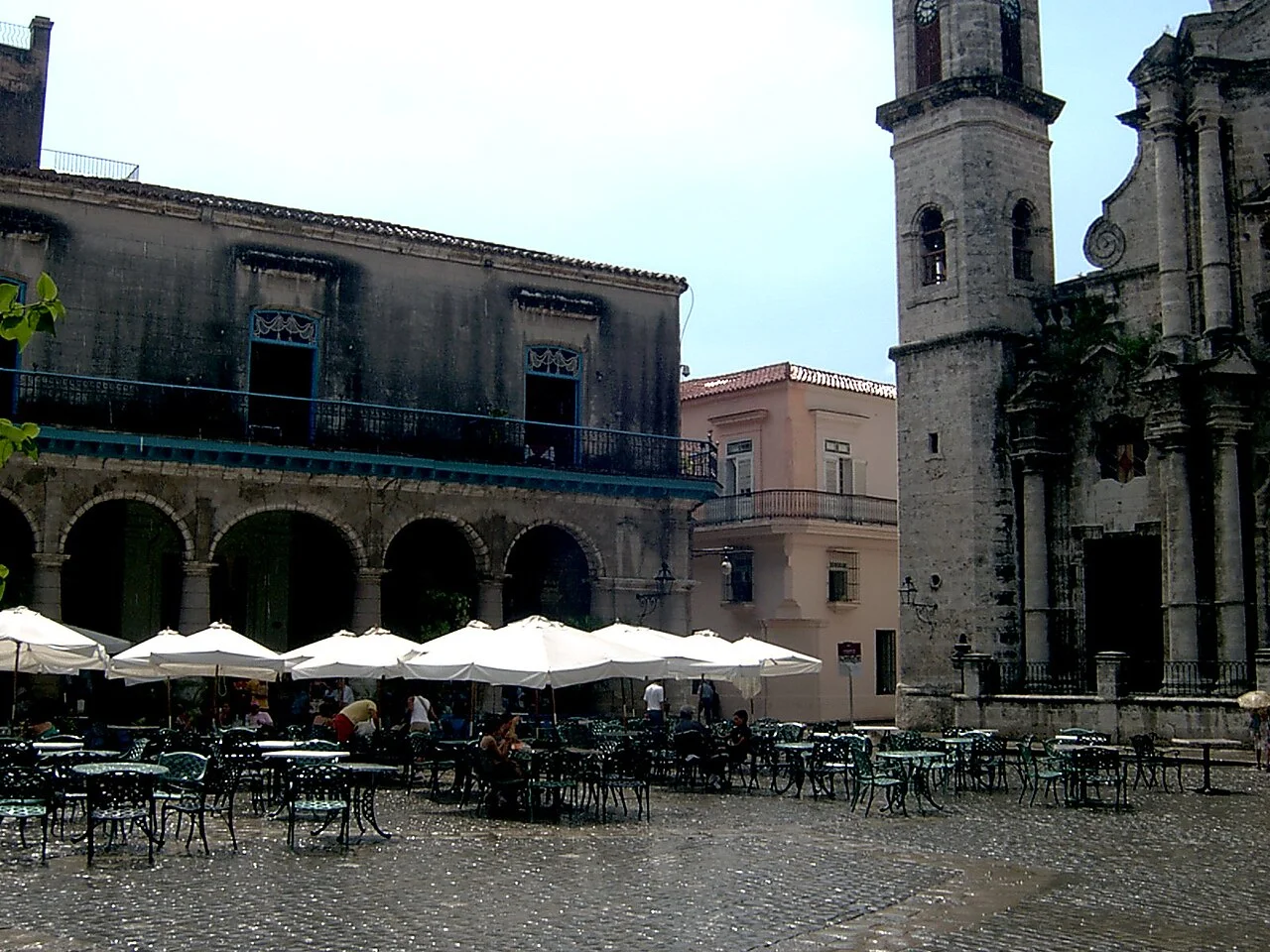
Habana Vieja works naturally as the first visit's walking focus. Build a loop according to your interests between Plaza de la Catedral, Plaza de Armas, Plaza de San Francisco de Asís and Plaza Vieja. Cuba's official walking programmes also connect these squares within an exploration of the historic centre. Instead of spending equally long at all four, examine two in more detail and see the other pair along the street connections. Around the cathedral, consider the façades and scale of the square; around Plaza de Armas, notice the old city's relationship with the harbour. Moving slowly through a street can reveal more than following the shortest line on a map. Leave the first lunch in this area instead of rushing to another neighbourhood for a meal. The Stork's suggestion is simple: the first morning should not become a race to arrive somewhere else.

Plaza Vieja: give the street walk some breathing space
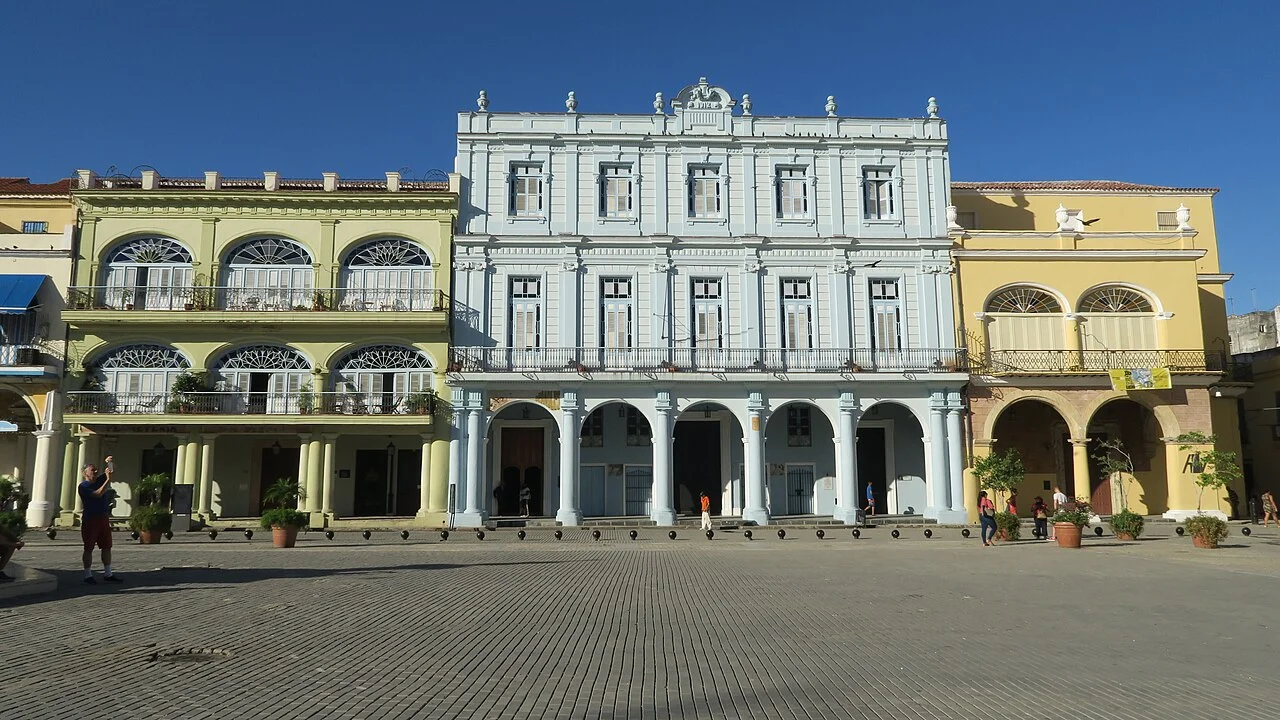
The façades around Plaza Vieja provide a reason to use it as more than a crossing point. The historic buildings in the photograph help show different faces of the same urban space. Continue towards Mercaderes with a coffee or short seated pause in mind. Look beyond an individual façade and consider how street and square join: stepping out of a narrower connection into an open space changes the rhythm of the walk. Rather than wait at one camera position, examine the square from different corners. During hotter hours, balance an exposed open area with shade or an indoor visit. Leaving some streets for the following day offers a more relaxed discovery than trying to exhaust every detail immediately. A first visit can be memorable without being a complete inventory of the old centre.
Malecón: choose a calm section of the waterfront
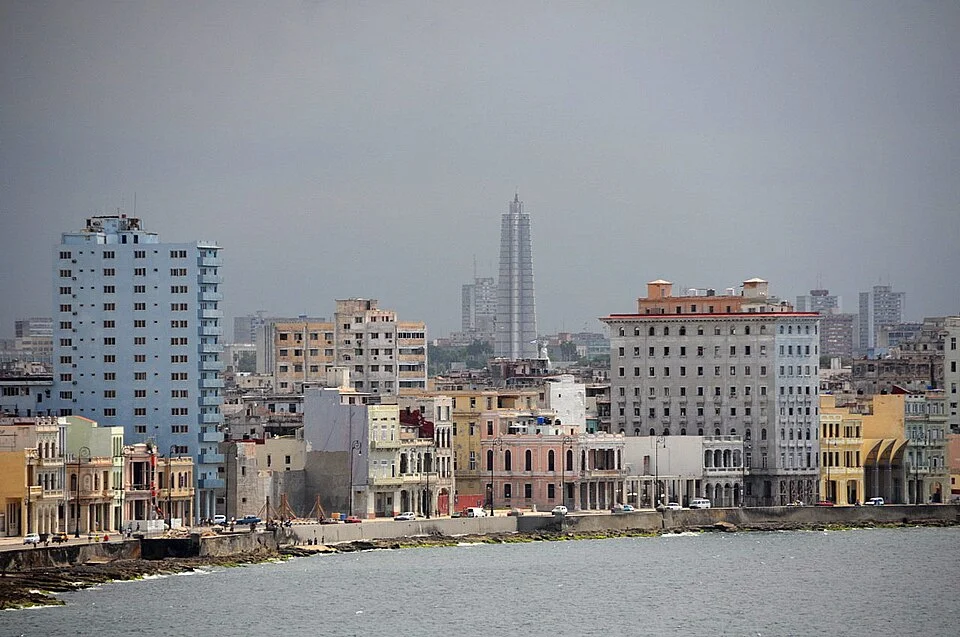
The Malecón is a city walk that reveals Havana's coastal face, rather than another version of the old-town square tour. The official city account describes it as an important northern waterfront setting for views and gathering. Choose a shorter section that fits your starting point instead of trying to walk the entire shoreline at once. Looking at the horizon, seeing the skyline across the water and returning for a meal may be enough. In strong waves or wind, do not make approaching the seawall a sightseeing objective; switch to an inland street plan. The dated panorama illustrates the city's surroundings and is not a record of today's works or access conditions. Nor is the waterfront being recommended as a swimming stop here. Its role is to let you see sea and city together and add an open horizon to the day's walk.

El Morro: plan the other side of the harbour separately
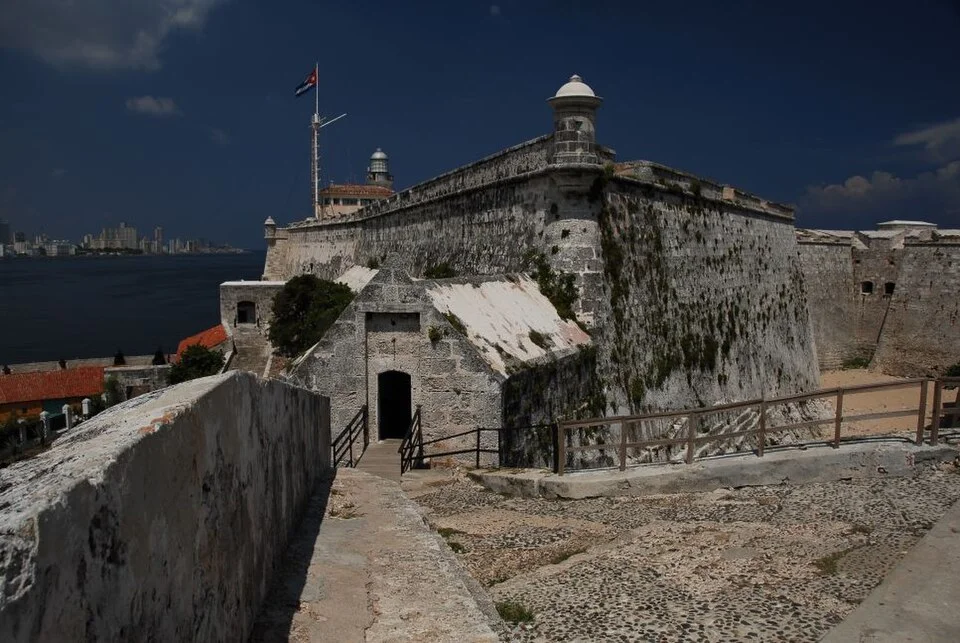
El Morro provides a different stop for visitors interested in the historic harbour entrance. It should not be planned as another square reached in sequence on the same side as Old Havana. Allow a separate outward and return journey, and consider the return before setting off. At the stone defences, connect the idea of harbour protection with the entrance channel and the opposite shore. An interior visit can be added if available and relevant to your interests, but no entrance time or ticket price is fixed in this guide. La Cabaña is also listed separately in official cultural sources and is not the same structure as El Morro. Give a combined visit more time, or choose one. For a short two-day stay, making an appropriate choice can be more useful than attempting every fortification.

Prado and Vedado: a different rhythm for day two
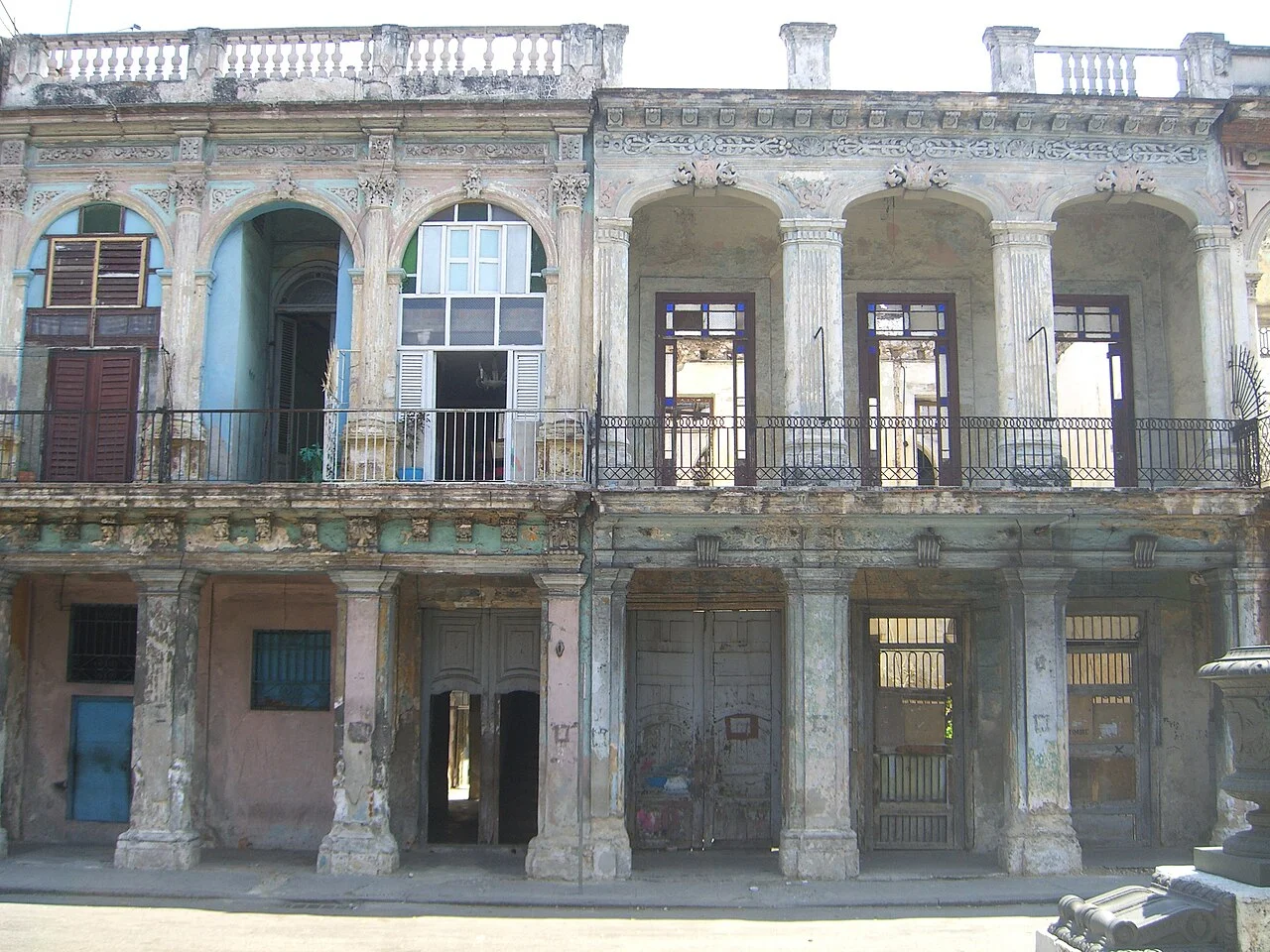
The Paseo del Prado surroundings provide a transition towards a wider urban scale after the old-town streets. Examine historic façades and connect the Parque Central area with the waterfront direction according to your own route. The photograph shows one frontage around Prado, not the current condition of the whole avenue. In Vedado, think of a separate neighbourhood section instead of continuing the same narrow-street loop. Several streets, a meal and a suitable return towards the coast can be enough for a brief visit. Assuming that Vedado and Old Havana form one continuous short walk can unbalance the day. For the second day, the Stork suggests a different scale of city and a calmer table rather than repeating every square from day one. The purpose is variety, not completing a second checklist at the same pace.

Culture and food: give one museum real time
Museum visitors can choose from the official cultural list, including Museo de la Ciudad and Museo Nacional de Bellas Artes. Instead of placing two museums and every square in the same half-day, give the chosen collection a proper visit interval. An interest in art and an interest in city history may lead to different choices, so decide from the subject rather than the building's fame alone. For food, ropa vieja, picadillo or yuca con mojo appear among the options named by Cuba's tourism sources. Choose a main meal focus rather than turn every sightseeing break into a long table. Coffee and a smaller lunch can balance dinner and make the walking day easier. Keeping culture and food in the same area often creates a more workable plan than making a long neighbourhood transfer merely to reach a popular name.
A two-day flow for a first visit
Give the first morning to the cathedral surroundings and continue towards Plaza de Armas. After lunch in the old centre, follow the Mercaderes connections and Plaza Vieja. If energy and weather suit, choose a shorter Malecón section later; otherwise finish with quieter streets and dinner. Begin day two around Prado. If El Morro interests you, make the outward and return journey a separate main section of this day. Those choosing a museum instead can later add a meal and neighbourhood walk in Vedado. Do not turn El Morro, two museums and a long Vedado tour into three compulsory parts of one day. A gap in the programme helps you adapt when weather or transport changes, rather than reconstructing every stop from the beginning.
Hotel bases and practical connections
Habana Vieja suits travellers who want to be near the first day's squares. Vedado offers another focus for those prioritising a wider neighbourhood setting and evening meals. Centro Habana can be considered by visitors interested in the city life between these areas, with individual accommodation conditions reviewed separately. When choosing a room, look beyond its façade and examine how the business describes water, electricity and communications arrangements. For longer transfers, agree the outward and return plan in advance and clarify the currency used in the quoted fare. An offline city map and the full address of your accommodation are useful even on shorter outings. The most satisfying Havana route gives square, harbour, street and table their own time instead of consuming many landmarks quickly. Leave with an understanding of how the city's pieces fit together, rather than just a collection of similar photographs.