

Choosing a hostel is more than searching for a low-priced bed. The same business may offer a bed in a shared room, a private room exclusive to your booking, or a room used together by a group. Tatilmerkezi Stork uses Amsterdam to explain how the room type connects with everyday exploration. Sleeping preferences, belongings, arrival time and the urban sections where you will spend the day should form parts of the same decision. The photographs provide actual Amsterdam street and food settings; they are not presented as room photographs of a particular hostel. The actual room description you purchase establishes the final arrangement, rather than a general business name beneath an image.
A shared bed, a private room and bathroom arrangements
Read whether a dorm booking purchases the entire room or one bed. Clink's official room information distinguishes shared and private options. Its Amsterdam private rooms are also listed through their own bathroom arrangements, but do not turn this into a universal hostel rule. The particular room listing should establish bathroom provision, bed configuration and booking scope. If travelling with friends, ask about adjacent beds or exclusive group use beforehand. Buying several beds separately may not automatically reserve the whole room for your group. A room label and the booking's actual scope need to be understood together.


Wanting to share a sleeping space is different from wanting conversation in a communal lounge. You can seek a social atmosphere while selecting a private room. Choosing a shared bed also does not oblige you to participate in every activity. For a first hostel stay, write down several clear everyday needs: sleeping times, bathroom preference, luggage size and late arrival. Compare these with the actual room information afterwards. A general review score may not answer all these details. Choose an arrangement suitable for your own holiday; travellers need not all enjoy the same accommodation format or share identical daily rhythms.
Check lockers, luggage, kitchens and breakfast separately
Clink NOORD's official explanation describes bed lockers for smaller backpacks and personal items alongside separate luggage-storage options. Learn directly where your suitcase would fit. Do not assume every locker accommodates a large case. Inspect the actual reservation's arrangements for a lock, towels, bedding, breakfast and luggage storage. A service existing at the business does not automatically mean it is included in the chosen room rate. Establishing these distinctions before arriving can reduce the need to make additional decisions at reception. Room type and optional services are related, but they do not always describe the same product.


Do not infer a communal kitchen from a hostel's name either. Clink's current FAQ explains that NOORD has no shared kitchen and has an on-site cafe. This is an example for that particular property. For another hostel, establish whether a kitchen actually exists, how it is used and what operates on your dates. Making every meal depend on an assumed cooking facility may create an unnecessary surprise. Consider a city walk and a seated meal too. Communal accommodation space need not be the only alternative to an actual local food experience, especially when the day's programme already takes you through several urban sections.
An Amsterdam room area changes the daily route
For accommodation on the NOORD side, inspect the actual ferry connection between Centraal and Buiksloterweg through GVB. The operator identifies F3 between these points; separately plan your arrival time and the final section reaching the room entrance. Opposite sides of the water can look close on a map, but daily movement still depends on an actual transport service. Read the programme for the relevant time if considering a late return. Do not interpret a property's description of being near the centre as an identical short walk to every activity. The room's location and the operator's route belong in the same practical assessment.
Stayokay's Amsterdam information describes shared and private accommodation choices around Vondelpark. Considering this area allows another daily pattern through the park, a selected urban walk and the room return. This guide does not prescribe a particular business: the two areas illustrate that room type and location are separate decisions. For one night, easier arrival might matter most; for several days, recurring links to exploration may take priority. The actual address, entrance time and transport plan answer questions different from those answered by an attractive room photograph. No single promotional description can settle every traveller's accommodation-area preference.
A short initial urban section and a food day
After settling into the room, arrange the first day around a selected canal section and a short walk. There is no need to complete Amsterdam on arrival evening. Consider the starting point together with the route back. For a museum or another indoor visit, inspect reservations and admission through the institution's own information. Staying in a shared room does not mean every urban activity must be undertaken with other guests. If going out together, agree the meeting and return arrangements clearly. Different programmes can coexist in the same room without requiring everyone to follow an identical sightseeing list or meal schedule.
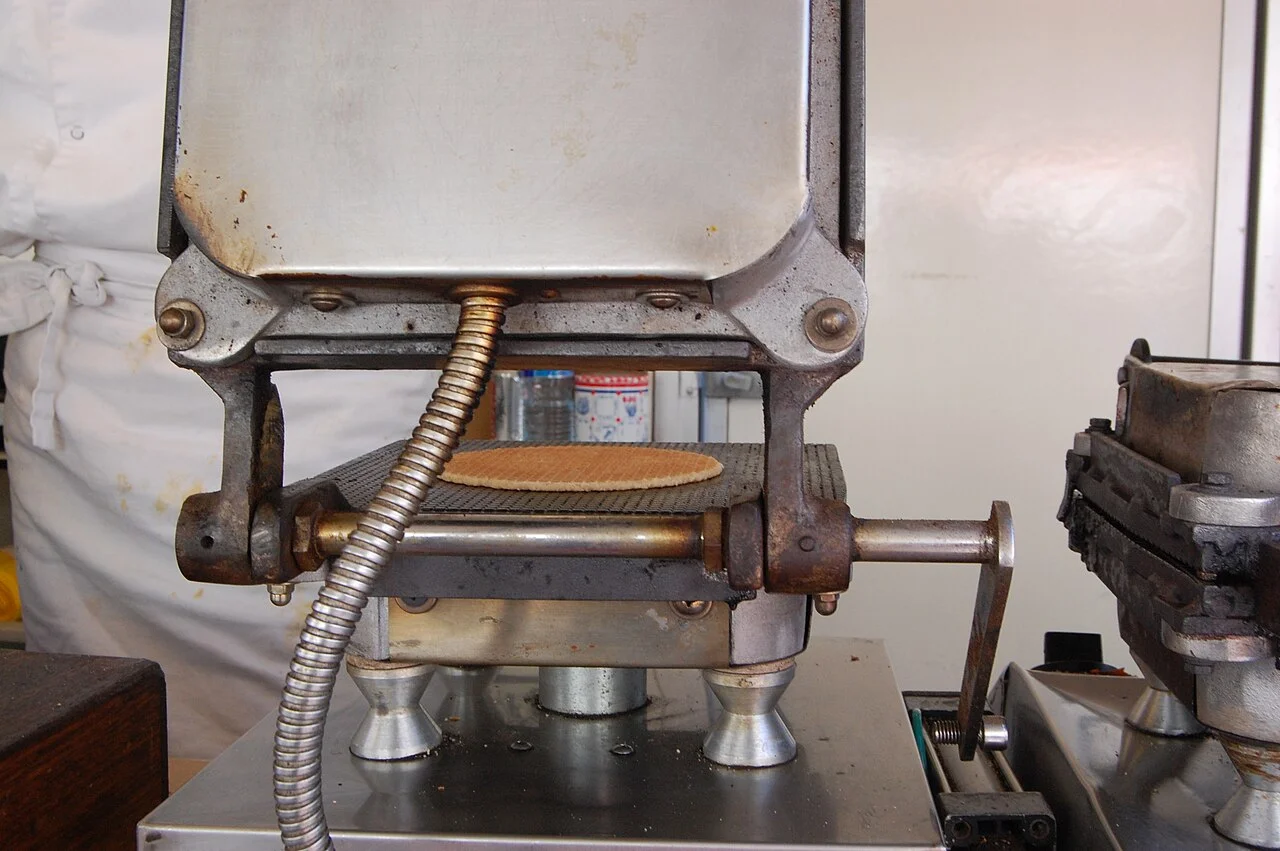

The second day can focus on a selected food-and-city section around De Pijp and Albert Cuyp. Amsterdam's official culinary account describes stroopwafel through thin waffle layers joined with syrup. If offered by an actual seller or on a real menu, investigate it for a short pause. The same source introduces bitterballen among Dutch snack examples. Neither needs to replace a complete main meal. Select what you genuinely want to eat and somewhere to sit, rather than turn every familiar food name into an obligation. Do not assume every seller uses identical service hours, ingredients or portions across the city.
Balance communal living with your own travel rhythm
When arranging belongings in a shared room, consider other guests' sleep and passage space. If leaving early, organise what you can the previous evening. This does not mean imposing one sleeping time on the whole room. Keeping your everyday bag and room-key arrangements clear may simplify the morning. For a problem, use the business's actual contact point. Describing an accommodation type as necessarily peaceful, safe or cheapest for every traveller would be inappropriate. Actual services and your needs carry more detail than these broad labels. A shared arrangement should be assessed through concrete daily use rather than assumed advantages alone.


For a short holiday, consider accommodation and a nearby urban section first, a selected cultural or food route on the second day, and a short pause compatible with checkout on the final day. A longer stay does not require finding new accommodation each morning when the chosen arrangement continues to suit. If leaving luggage on departure day, learn the scope and time of that service beforehand. Do not place the airport connection behind one last distant attraction. The Stork's hostel note encourages identifying everyday needs before choosing between a shared bed and private room. Actual transport, local food and time for rest belong in the same holiday as the sleeping arrangement.