
Photographing a city involves more than standing in front of a recognisable view. A reflection on water, the slope of a street and a sequence of facades tell different stories. Tatilmerkezi Stork considers Bruges, Valletta and Shanghai through three distinct urban photography ideas. Old social-media posting counts are not treated as a present-day ranking. Rather than predict which destination will receive more likes, the route helps a reader build an actual day around a visual interest. Canal and stone town, narrow street perspective and two layers of development across a river answer different needs. Choosing one may make it easier to encounter a place without constantly searching for another picture throughout the visit.
Bruges: seeing the canal as surroundings rather than a frame
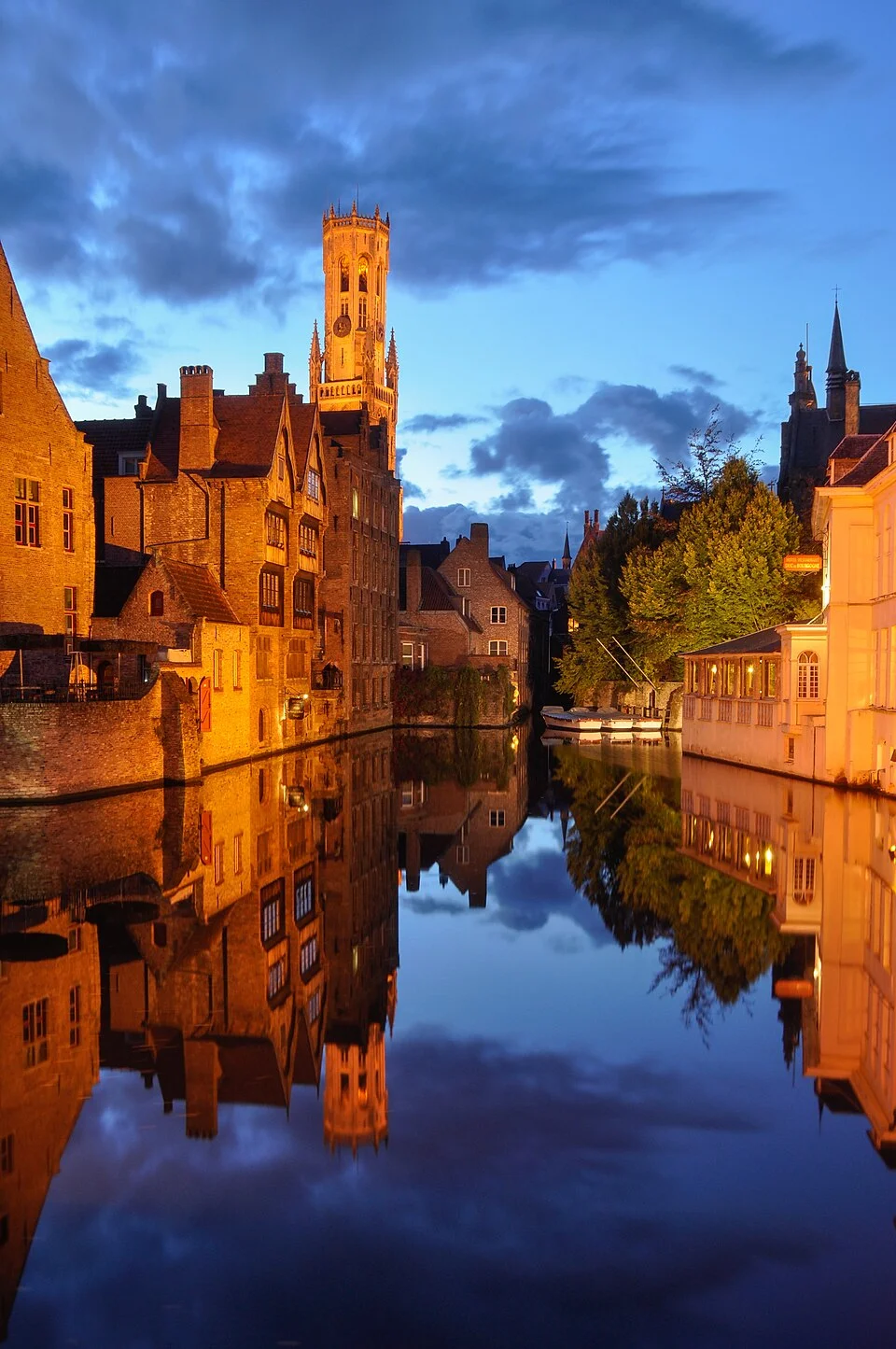
The Rozenhoedkaai area provides a specific starting point for observing water and the fabric of Bruges together. Instead of spending the whole day at one position waiting for a morning or evening image, get to know the canal through the adjoining streets first. Pause briefly near a bridge to observe how facades relate to the water, then continue the walk. Reflections depend on weather and water movement; the same image will not appear on every visit. Rather than memorise another photographer's composition, look for a line or colour that draws your own attention within the same area. Keep bridges and passages clear so everyday urban movement and a satisfying photo day can continue together.
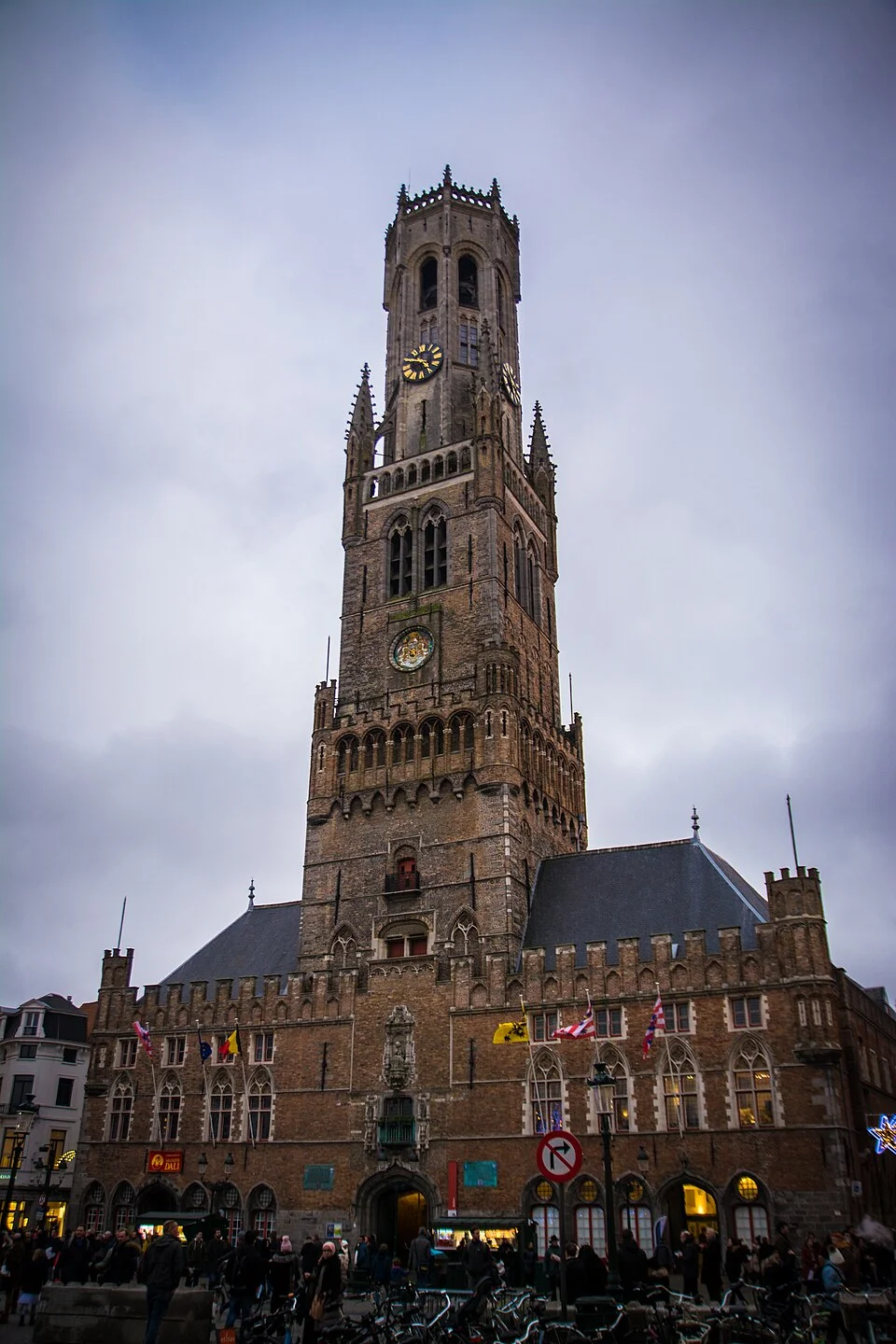

Moving towards Markt and Belfort changes the subject from water to the relationship between square and tower. Looking at the tower exterior from different suitable positions can itself form a separate visual section. If you want to enter, check arrangements for your actual date and distinguish the interior visit from time spent wandering outside. One principal facade, one waterside section and a seated meal create a more coherent outline than trying to photograph every historic building. The official city map helps connect the places. Two areas appearing close in a picture does not establish identical access for luggage or different mobility needs. The station connection and the evening return route also help compare accommodation.
Valletta: street perspective and everyday detail
Malta's official information describes Valletta as a living, working capital with narrow historic streets. Add a Republic Street section to your first daily walk and compare it with a side street. A long street line and a small balcony or doorway detail involve different photographic interests. Spending a little time looking around one area may reveal stone textures that are missed when the camera remains pointed into the distance. Do not interrupt pedestrian movement for a picture; seek clear permission for the interior of a business or a close portrait of a person. Using a phone involves the same urban courtesy. Carrying larger equipment does not automatically improve the travel experience.
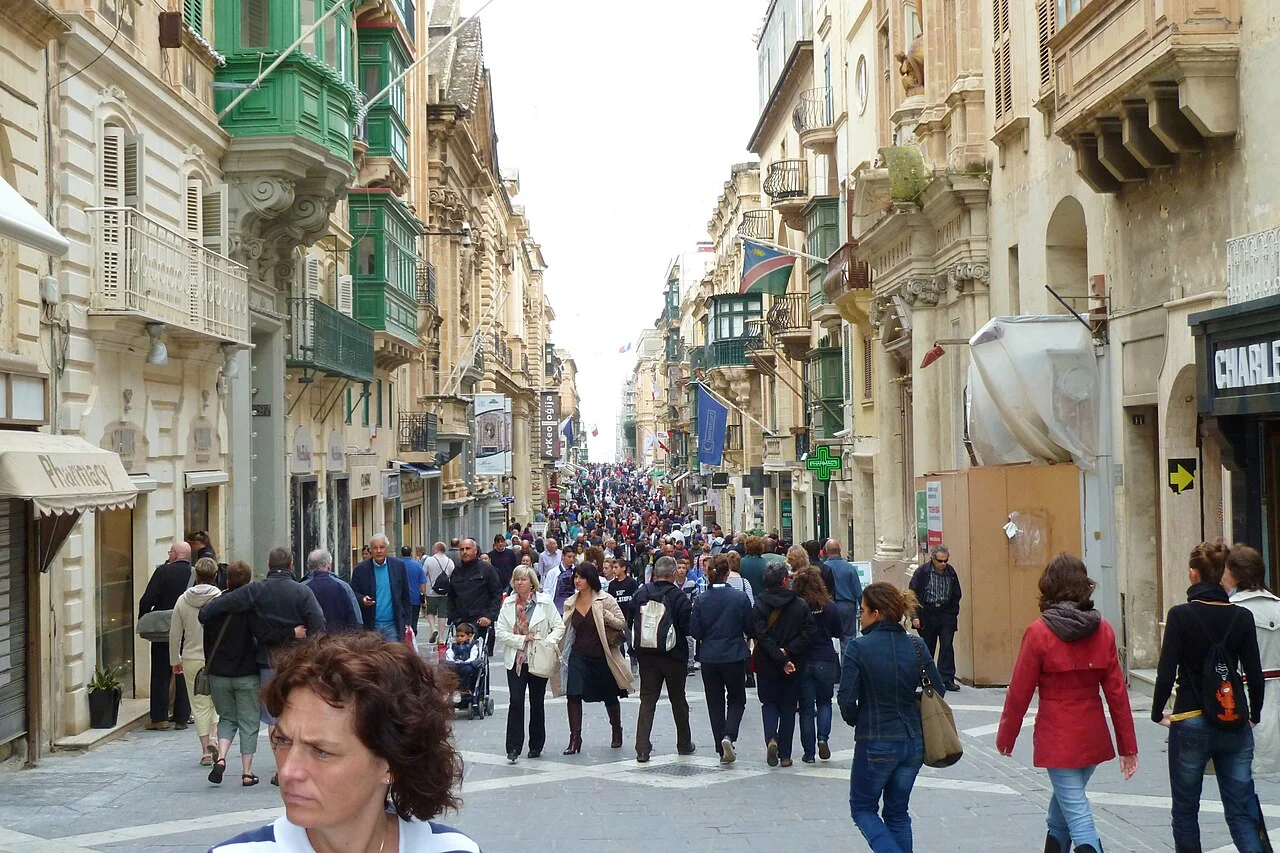

A separate pause towards Upper Barrakka Gardens changes the rhythm of the street walk. Make it another short section of the day or give more time to a chosen cultural visit instead. Malta's pastizzi pastries provide a concrete local example for a small food stop, confirmed by the official food information. Choose a variety actually offered and arrange a main meal separately. Staying in a picturesque street and finding a suitable entrance or transport connection involve different needs. If a slope, stairs or a walk with luggage will affect your visit, ask the business about actual access. A photograph of the room's view may leave all these everyday details outside the frame.
Shanghai: two different urban images across one river
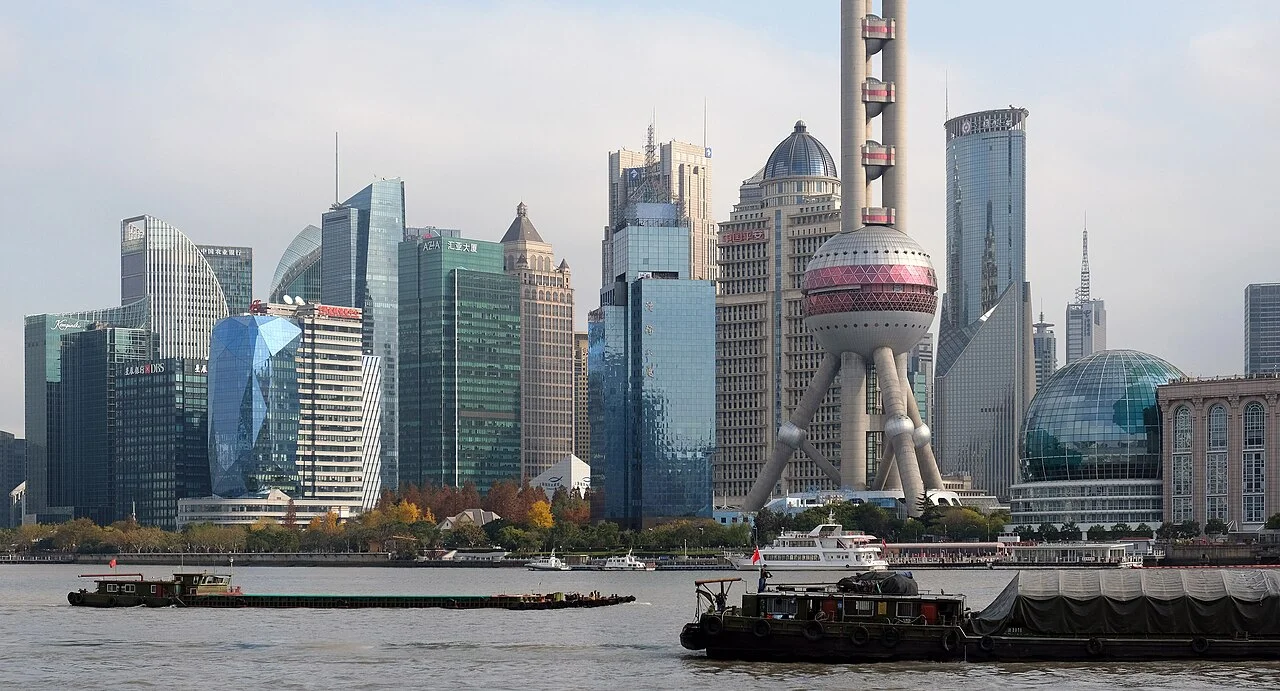
Shanghai's official city information describes the Bund as a historic cultural area containing groups of notable buildings. Treat the facades on your own bank and the Lujiazui skyline across the river as separate visual subjects. An image showing towers on the opposite side is not a photograph of the Bund's historic facades. Preserving this distinction in a short caption makes the picture more informative. Start with a riverside section to decide which direction interests you, then pause to observe a chosen facade. If planning to cross between banks, allow time based on actual transport. A distant building looking close in a photograph does not make the journey between the places correspondingly short.



Consider Yuyuan surroundings on another day or as a separate food section. The official description of Shanghai's xiaolongbao explains a filling containing hot broth; choose the food as a real meal rather than leave it waiting for a photograph. Tasting something local adds another need to a day otherwise focused on the large skyline. Do not assume that all businesses offer identical fillings: examine the item actually listed. When comparing accommodation, access to your chosen walking area and daily transport matters alongside river views. If waiting for an evening photograph, arrange the return first so watching the light change does not make you forget other connections or practical requirements.
Telling an accurate story when sharing pictures
A caption need not be lengthy. Name the city and the place actually visible, and do not present an older image as today's weather or crowd conditions. Identifying Lujiazui as the skyline seen from the Bund, keeping a Valletta street distinct from another Maltese town and accurately naming a Bruges canal all add useful clarity. Do not reuse another person's social-media image as your own without permission. The photographs in this guide have recorded sources and usage rights; photographer credit, required licence links and conversion information are preserved. The same openness in your own posts does not diminish the image's value or the interest it may awaken.
For a three-day city break, use arrival day to understand the accommodation area, the full day for your principal visual idea and the final day for a shorter section connected with departure. Avoid squeezing several cities into the outline. Water and square in Bruges, street and garden in Valletta, and historic bank and opposite skyline in Shanghai offer different ways to read urban surroundings. Stork's photography note reminds you that a memory does not depend entirely on a perfect frame. The rhythm of your walk, a pastizzi or praline pause and a riverside detail noticed along the way are also part of the day. A picture worth sharing may grow naturally from that real encounter rather than replace it.