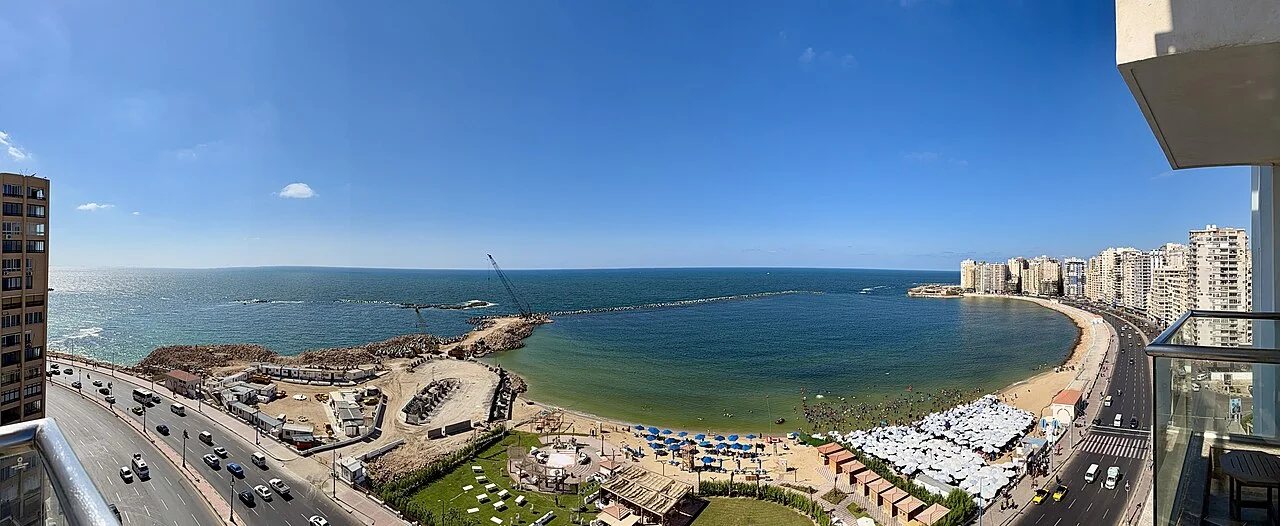
Alexandria deserves more than being labelled a quick escape from Cairo. This long coastal city is easier to enjoy when the historic waterfront in the west and the gardens farther east are given separate blocks of time. Tatilmerkezi Stork suggests two days for a first visit: one for Qaitbay and culture, another for Montaza and a longer coastal pause. Views along the Corniche connect the experiences, but a continuous shoreline on a map is not an instruction to walk every kilometre. Choose what you want from each day before arranging the transfers.
Qaitbay Citadel: anchor the western waterfront day
Make Qaitbay Citadel the main stop in the first day's western coastal block. Egypt's official tourism material connects its location with the former Lighthouse of Alexandria; the building you see today should not be mistaken for that ancient lighthouse. Begin by looking at the relationship between the stone structure and the sea, then check access for the sections you want to visit. The waterfront setting merits a little time rather than a rushed photograph followed by an immediate departure.
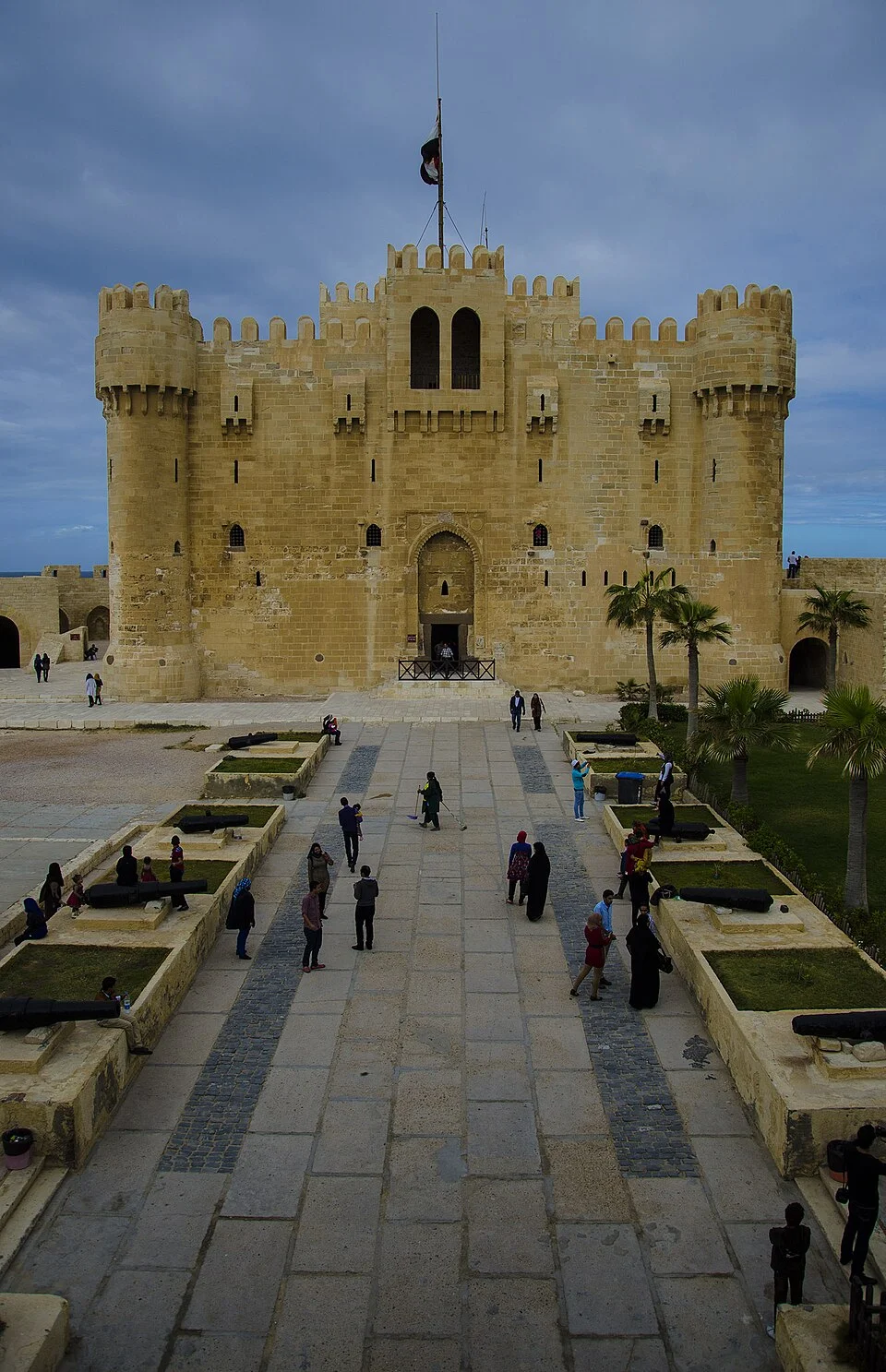

Keep the next meal nearby to avoid travelling east and then returning unnecessarily. With a family, establish a clear meeting point while one person handles tickets. A short rest for children can make the afternoon cultural stop more enjoyable. Being able to walk outside by the sea does not establish access to every interior area. Check the parts open to visitors and the last-entry arrangements for your day. Allow different walking speeds within the group and agree how much time to spend inside before everyone disperses.
Bibliotheca Alexandrina: separate library and museum visits
Bibliotheca Alexandrina is a modern library and cultural complex in Al-Shatbi. It should not be described as the surviving building of the ancient library. First decide what you want from the visit: architecture, a museum or a specific event may require different time allowances and admission arrangements. Do not treat the main library, exhibitions and museums as a single door that is always open to every visitor.
Selecting one section that interests you is often more satisfying than trying to rush through the entire complex. Learn the current photography and bag rules before entering. Check the institution's notices for visitor arrangements, age conditions and programming instead of carrying old brochure hours into a present-day itinerary. A brief coastal pause can round off this cultural block. If one companion wants more reading or exhibition time, keep the meeting arrangement simple so others can rest nearby without repeatedly searching for each other. This is a working cultural destination, not merely a backdrop.
Montaza: give the second day a garden focus
Montaza's gardens and palace setting can anchor the eastern part of your trip. The official tourism site presents the former royal gardens as a destination in their own right. Seeing the palace exterior and entering its rooms are different possibilities; a photograph of the building does not make it an open palace museum. Confirm the entrance in use, the accessible areas and your return transport for the date you plan to visit.
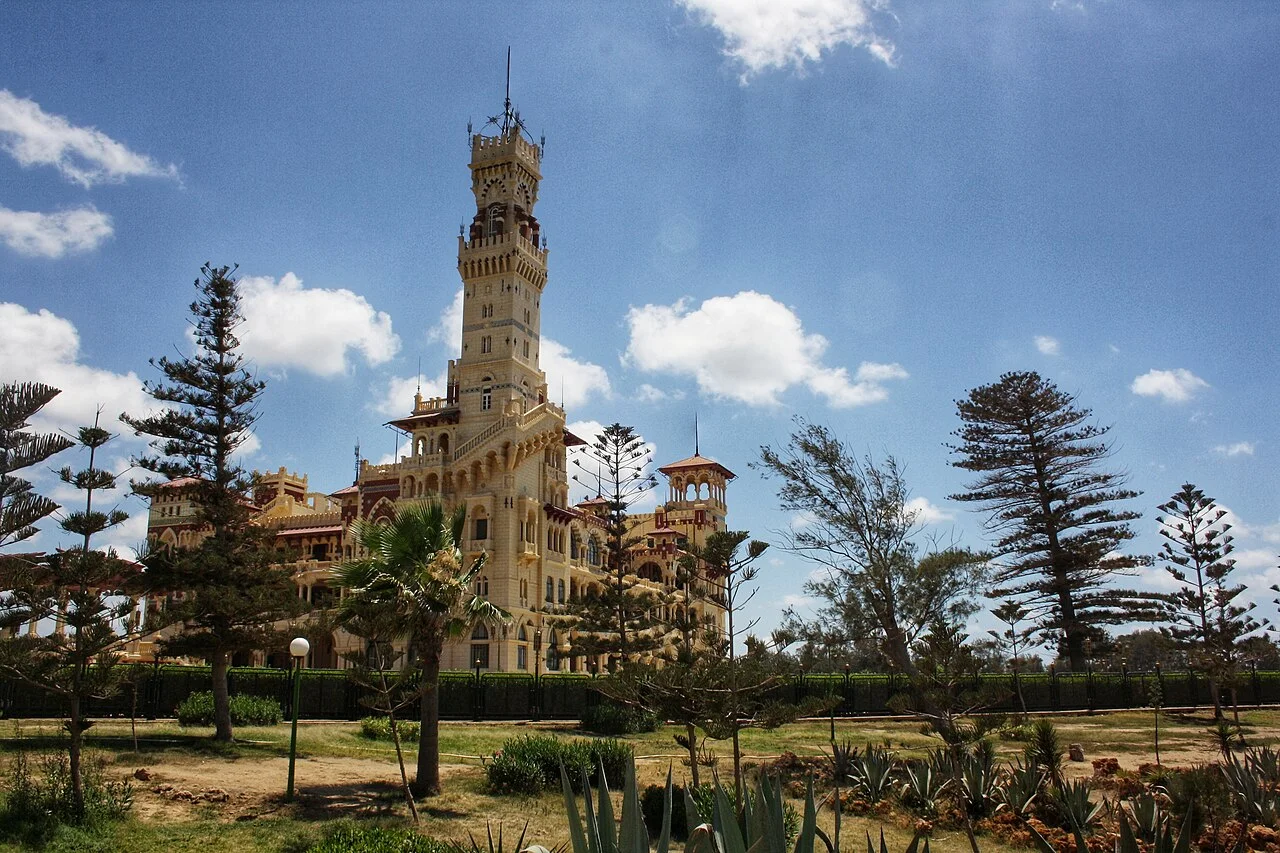

Consider your accommodation position before spending the morning on a long cross-city transfer. If the purpose here is walking and resting, carry water and avoid turning lunch into another appointment to race towards. Choose a manageable circuit between planted areas and coastal views, adapting it to the slower members of your party. Adding a return to the western citadel that afternoon can undo the logic of a two-day plan. Staying in the eastern area allows more breathing space and makes the journeys easier to understand. An unhurried garden visit can be an experience rather than a gap between monuments.
Stanley and the Corniche: read distance with the view
Treat the area around Stanley Bridge as a coastal pause. You do not need to approach traffic lanes or cross a road casually to find a view. Use appropriate pedestrian crossings and places where you can stop without obstructing others. Knowing how you will return from your photography point to a meal or hotel makes the evening more comfortable. Agree a meeting place before a group spreads out to take pictures.
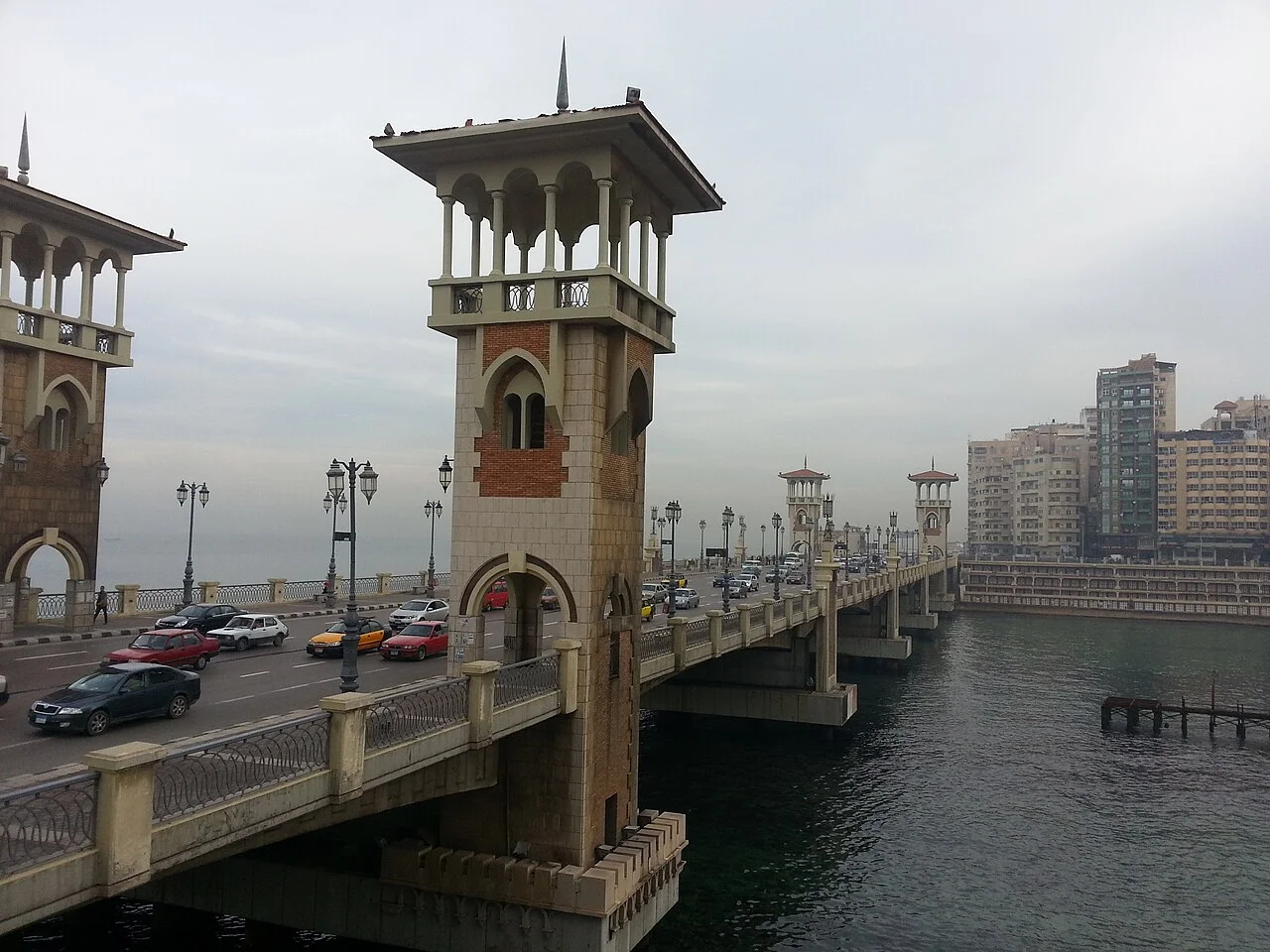

Do not assume every section of the Corniche provides an identical walk. Wind, heat, road crossings and crowds affect the actual time and comfort of a route along the sea. Picking a start and finish for a shorter section can be more rewarding than attempting to complete the whole waterfront. When choosing a sea-view hotel, also consider traffic noise, floor level and access to the entrance. A promising view does not tell you how well you will sleep. An easy evening return may matter more than a balcony photograph if your next morning begins early.
A fish meal and a neighbourhood choice
A fish meal can complement a coastal day, but the menu should be clear about quantity and price. Where fish is sold by weight, ask about the weight, preparation, accompaniments and service items together before ordering. If some of your group do not eat seafood, check alternative main dishes before choosing the restaurant. Daily availability changes, so do not build the entire outing around a particular species being offered every day.
Staying near the historic western centre and spending longer by the eastern coast are different accommodation choices. A short cultural trip may favour connections to the citadel and library, while a garden-focused second day benefits from an eastern starting point. Look at the hotel's actual entrance rather than its marketing district. Think through late returns and arrival with luggage from a station or airport. Comparing these practical details often reveals more value than comparing room rates alone. Place lunch where it supports the day's route, rather than crossing the city twice for one recommendation.
The Cairo connection and a workable two-day plan
For a train journey between Cairo and Alexandria, use Egyptian National Railways' official booking interface to check your date, stations and service. Selecting a city name does not by itself explain which station will serve your journey or how to reach your hotel afterwards. Prepare the final local connection separately. On a same-day return, resist combining two substantial cultural visits with the eastern gardens; the usable sightseeing window is smaller once transfers are removed.
A practical two-day outline is Qaitbay, a nearby meal and your chosen Bibliotheca visit on the first day, followed by Montaza and a short coastal pause around Stanley on the second. If conditions make the waterfront uncomfortable, shorten the outdoor walk and give the cultural block more time. Travelling companions with different interests can still share the same trip when reunion points are agreed in advance. Tatilmerkezi Stork's favourite approach here is to make room for two different faces of Alexandria on two different days, rather than trying to consume the entire coastline.
Kom el-Dikka: an archaeological option for the culture day
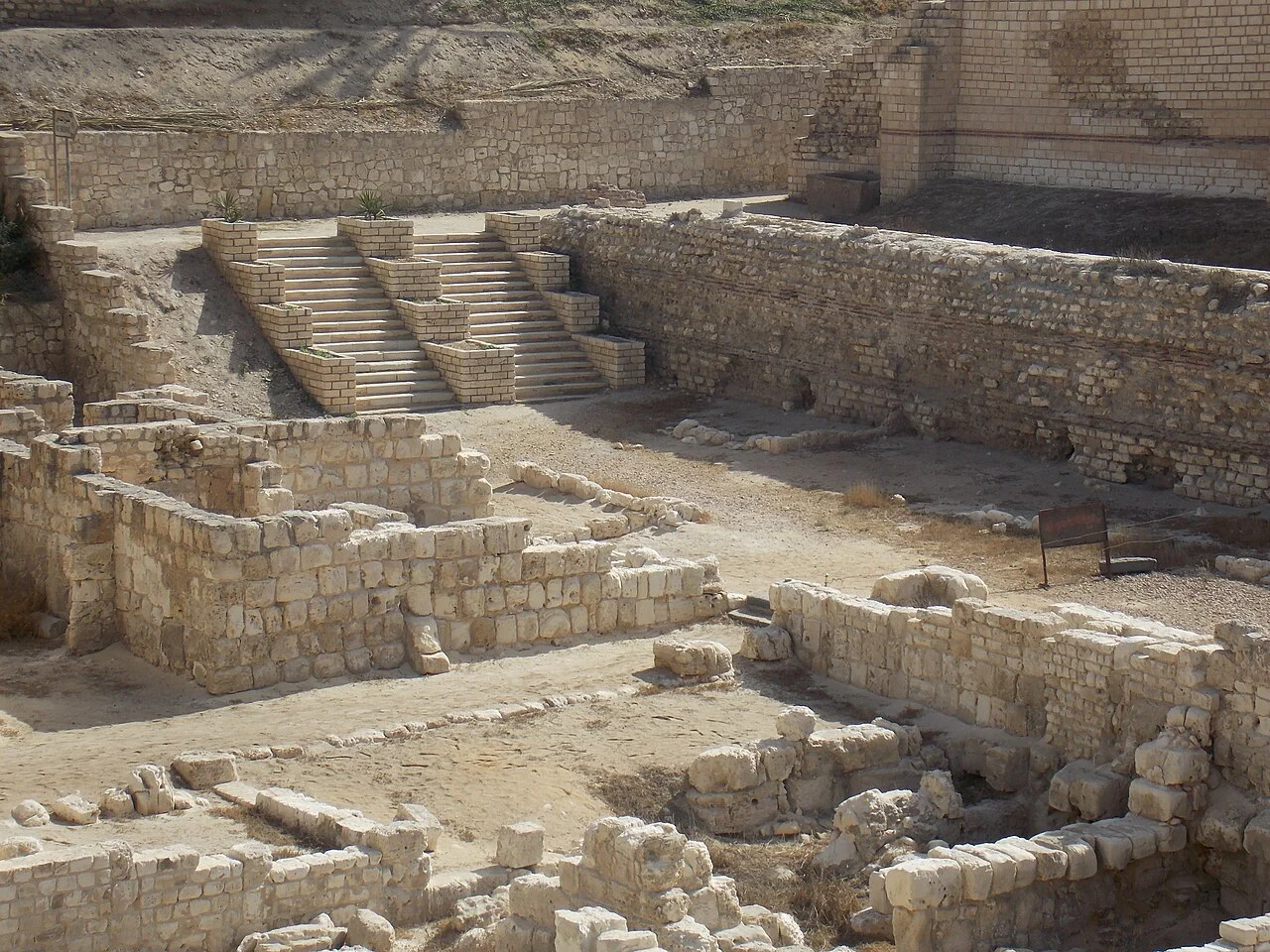
The Roman theatre at the Kom el-Dikka archaeological site offers another history-focused block. Instead of squeezing this and a full library visit into one short afternoon, select the place that best matches your interests and allow it proper time. Look at the relationship between the seating and the surrounding remains rather than reducing the site to a single photograph. Check current access through the official monuments website and keep a seated rest in the plan after the open-air walk. Choosing archaeology here is an alternative emphasis for the day, not a requirement to add yet another hurried stop.