
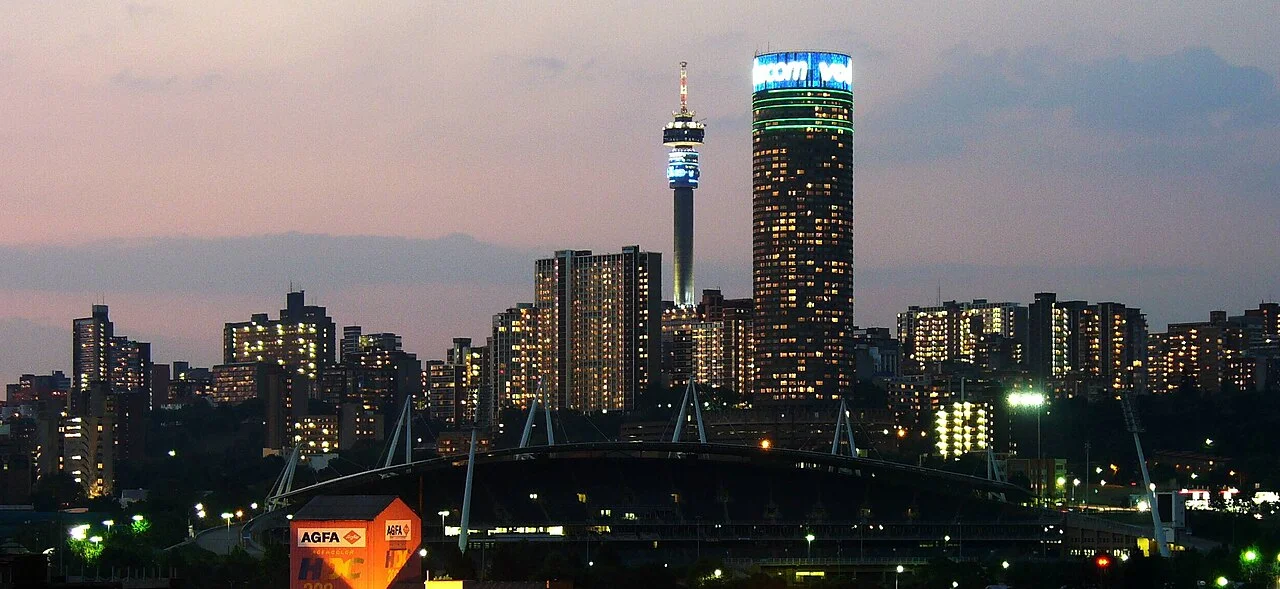
Do not look for Johannesburg in a single plate
Tatilmerkezi’s Stork begins a Johannesburg food notebook with a map of the day. A long Soweto lunch, a relaxed Rosebank evening and a short meal between museum visits answer different needs. Rather than crowding them into one day, plan two separate main meals so that travel fatigue and competing flavours do not overwhelm the experience. For a first order, consider one main preparation, an accompaniment and somewhere comfortable to sit. Do not expect every menu to represent all of South Africa’s culinary traditions. Ask what the establishment actually prepares and choose from there. This guide is a companion for understanding words such as braai, pap and chakalaka and fitting a meal to your appetite, district and budget. It is not a ranking of restaurants, nor a demand to spend every available hour moving to another table.
Braai and shisa nyama: choosing a grilled meal
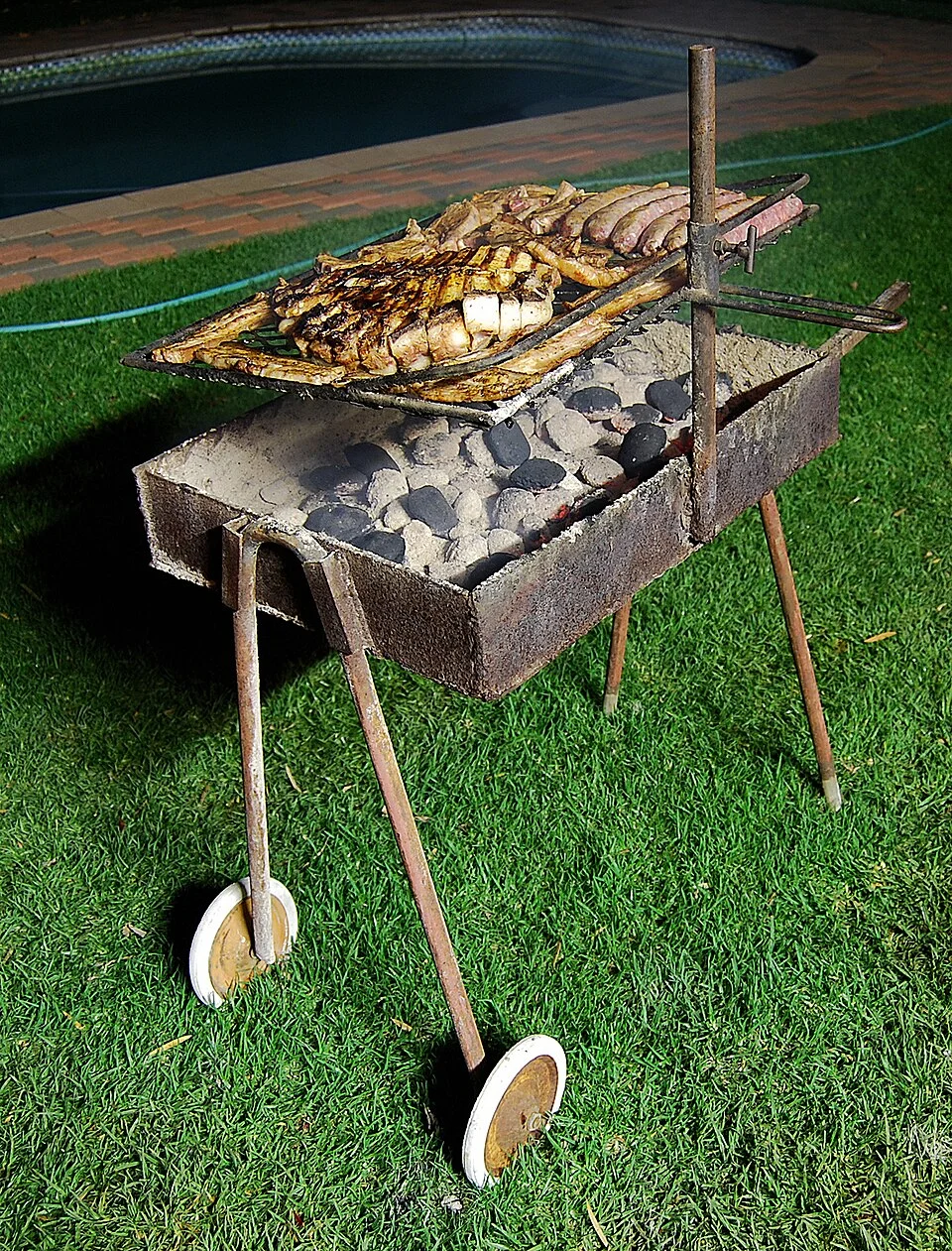
Braai is associated with cooking over a fire and gathering around food. Shisa nyama is a term used for township places where meat is cooked and served. Not every grilled plate has the same ordering arrangement: some places involve selecting cuts, while others offer prepared plates or dishes for sharing. Before ordering, ask how many people a portion serves, whether sides are included and how long preparation takes. If a spiced sausage such as boerewors appeals, enquire about the meat used, since recipes and blends can differ. Sharing one meat option with a vegetable or maize based accompaniment gives a more manageable first meal than ordering several heavy plates immediately. Think about the setting as well. A lively, busy gathering and a quieter sit down lunch create different afternoons. Choosing the atmosphere you want is as useful as choosing the cut or preparation on the menu.

Pap and chakalaka: give the accompaniments attention
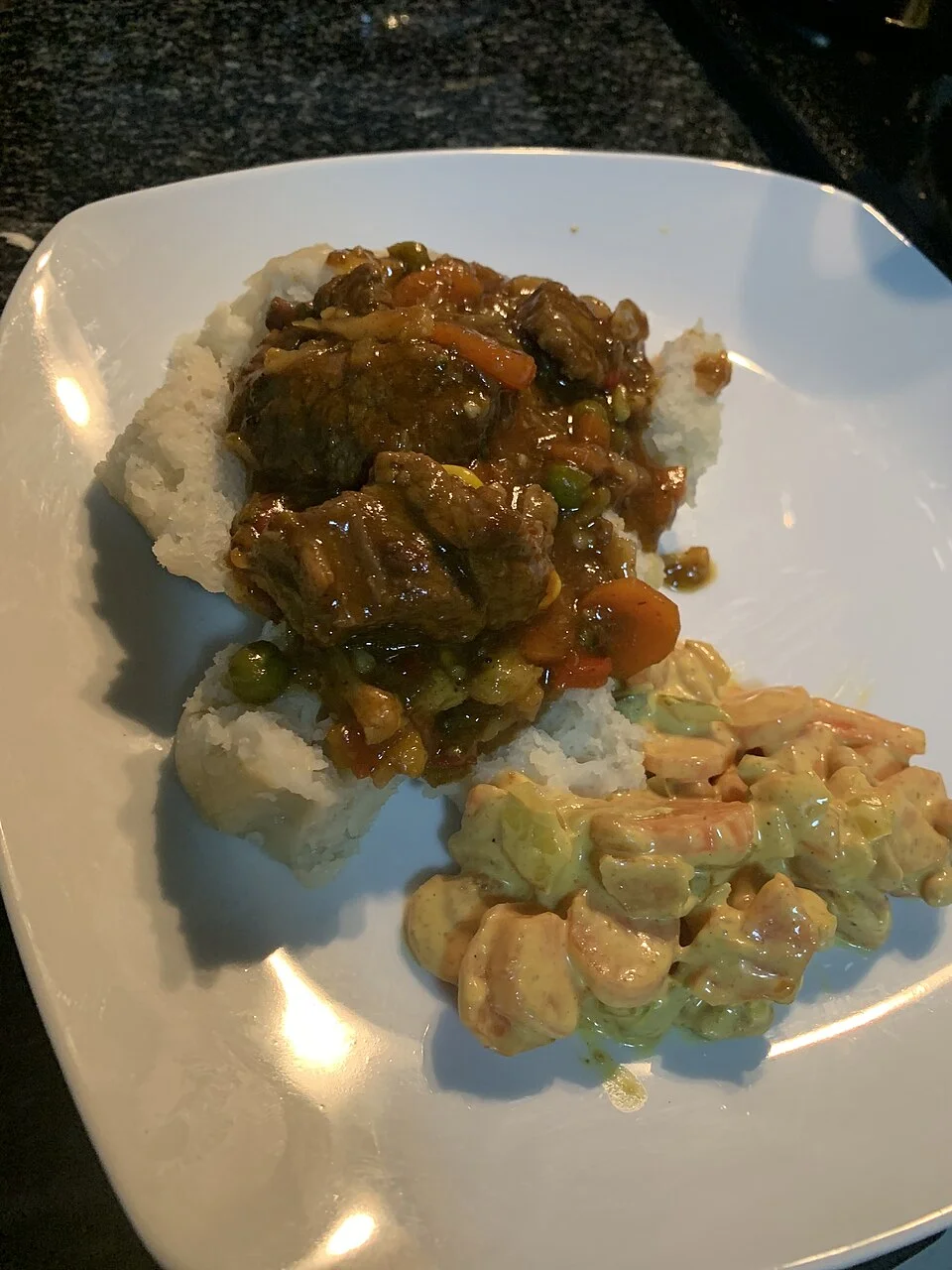
Pap, also called mieliepap, is made from maize meal. Treating it only as a filling addition misses part of the balance of the plate. Ask how it is served, then try a little with the sauce or vegetables alongside it. Chakalaka can appear as a spicy vegetable accompaniment, but ingredients and heat levels are not identical everywhere. Mention your preference at the time of ordering if strong chilli is not what you want. When sharing, tasting the maize and vegetables separately before combining them helps make the textures clearer. For a vegetarian choice, do not rely solely on the absence of a visible piece of meat; check the sauce ingredients and preparation with the establishment. Leave enough time for the meal. Trying to understand several flavours while watching for a transfer vehicle can turn an interesting plate into an unnecessarily hurried stop.

A Soweto lunch: make a decision around Vilakazi Street
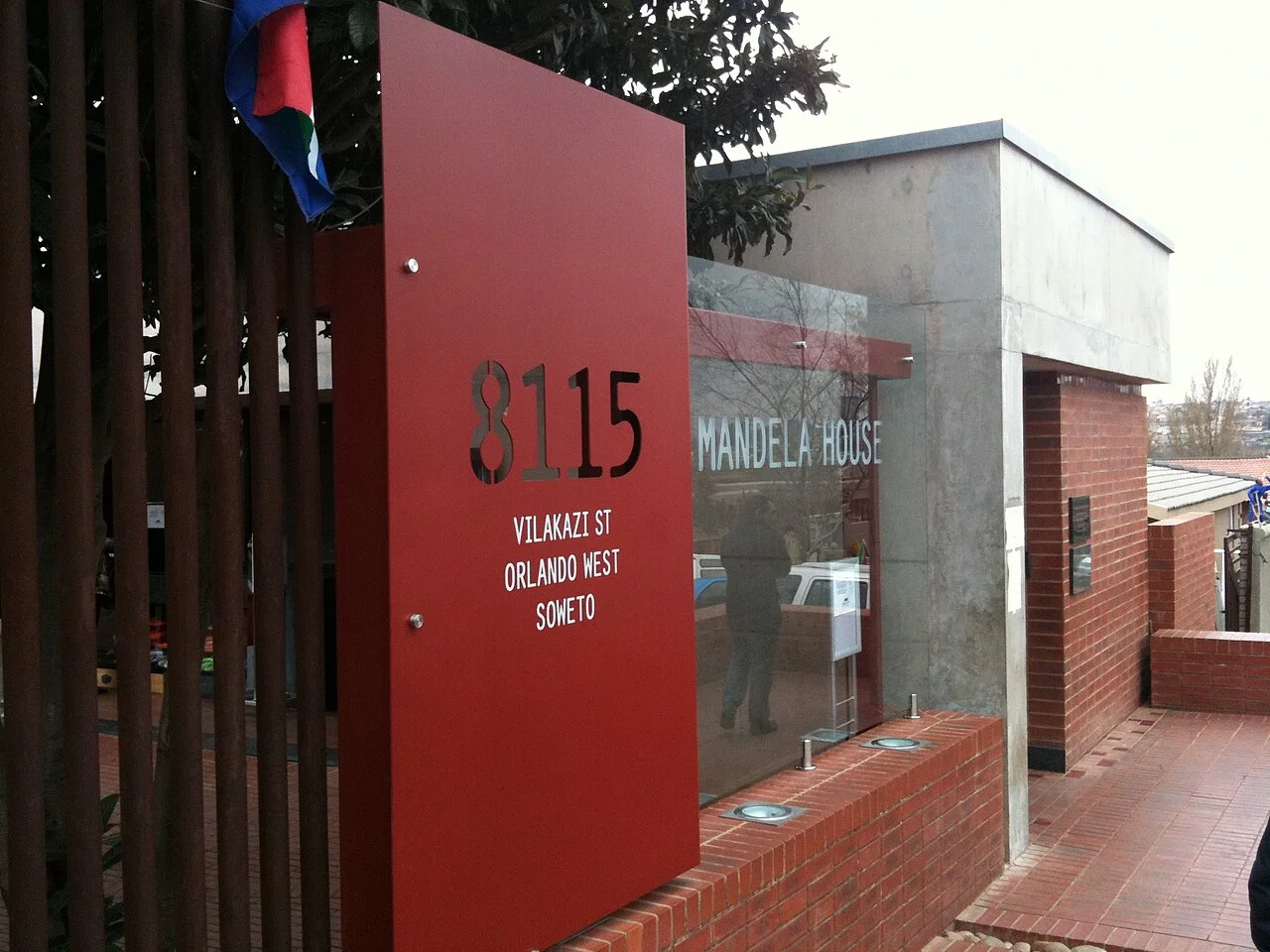
For a food focused Soweto day, let the meal become a main destination rather than whatever fits between visits. A plan around Vilakazi Street can share a neighbourhood chapter with Mandela House, but museum arrangements and kitchen service times should be checked independently. If travelling with a local guide, ask how much time the itinerary genuinely leaves for lunch. A menu with several preparations does not require everyone in a group to accept the same large shared platter. Smaller individual orders and one accompaniment for the table can accommodate different appetites more comfortably. Agree on the return pickup point before lunch, so the end of the meal does not become a discussion at the doorway about where to go next. Even if food is the day’s main purpose, a short neighbourhood walk or local explanation can add context. Completing every historical attraction remains optional.

A Rosebank evening: consider the return before the menu
For travellers staying around Rosebank, choosing dinner in the same area can simplify the end of a substantial sightseeing day. First consider what lunch involved: after a large grilled meal, a lighter dinner and a calmer setting may be more appealing. Look at the route back to the accommodation entrance, the table arrangements and whether a reservation is needed. If you want coffee in one place before a meal elsewhere, examine the actual walking connection between them. Apparent proximity on a map does not always mean an easy transition. Read the drink and accompaniment prices as carefully as the main course, and ask how a shared dish is served before ordering. These small decisions make portions and the final bill easier to understand. A traveller based in Sandton need not add a Rosebank transfer merely because this guide mentions it. A suitable menu in your own district may produce a better evening.
Museum days and green pauses: put meals into the route
On a day reserved for Constitution Hill or Emmarentia’s gardens, avoid turning lunch into another compulsory journey to a distant district. After a morning museum visit, choose a meal that is straightforward to reach; time to sit can be welcome after concentrating on substantial historical material. For a garden day, decide whether the outdoor walk comes before or after lunch. Carrying water and a modest snack reduces the pressure to locate a large meal during the visit itself. Families can account for children becoming hungry at different times, while larger groups should consider booking and whether everyone can sit together. Keeping one meal simple does not diminish a food itinerary. It makes genuine room for the Soweto table or evening menu where you want to stay longer. Rather than scheduling three large meals, balance a small pause with one deliberate food experience.

Budget, transport and a short first visit food plan
Calculate the budget for a meal together with the transfer it requires, not only the number printed beside a dish. When planning an O.R. Tambo arrival with Gautrain’s official information, consider the connection from your final station to accommodation separately. Avoid placing a meal reservation too close to the flight’s arrival time. On the first evening, choose a comfortable menu near your base; on the second day, allow a longer lunch in Soweto. For another food experience, decide which element of the previous plate interested you most. Trying pap and a vegetable accompaniment with a different main preparation may teach you more than repeating the same substantial platter. Clarifying meat ingredients, heat, portions and included sides when ordering also makes the eventual bill less surprising. The Stork’s most useful notebook entry is simple: a good food route is not about eating continually, but about giving the right meal enough time.