
California can suggest a bridge, the ocean, palms and a vast mountain valley in one mental picture. Creating that picture in a real trip requires travel between distinct regions, however. The Tatilmerkezi Stork suggests choosing a theme for a first visit: San Francisco and the central coast, a Yosemite-focused nature programme, or Los Angeles and the southern desert. This guide does not turn five attractive scenes into a one-day checklist. It explains where Golden Gate, Big Sur, Yosemite, Santa Monica and Joshua Tree belong within different trips. A satisfying California holiday may depend more on experiencing one selected area properly than on attempting every part of the state. Overnight bases and the form of transport become clearer once that choice is made.
San Francisco: add city time to the bridge view
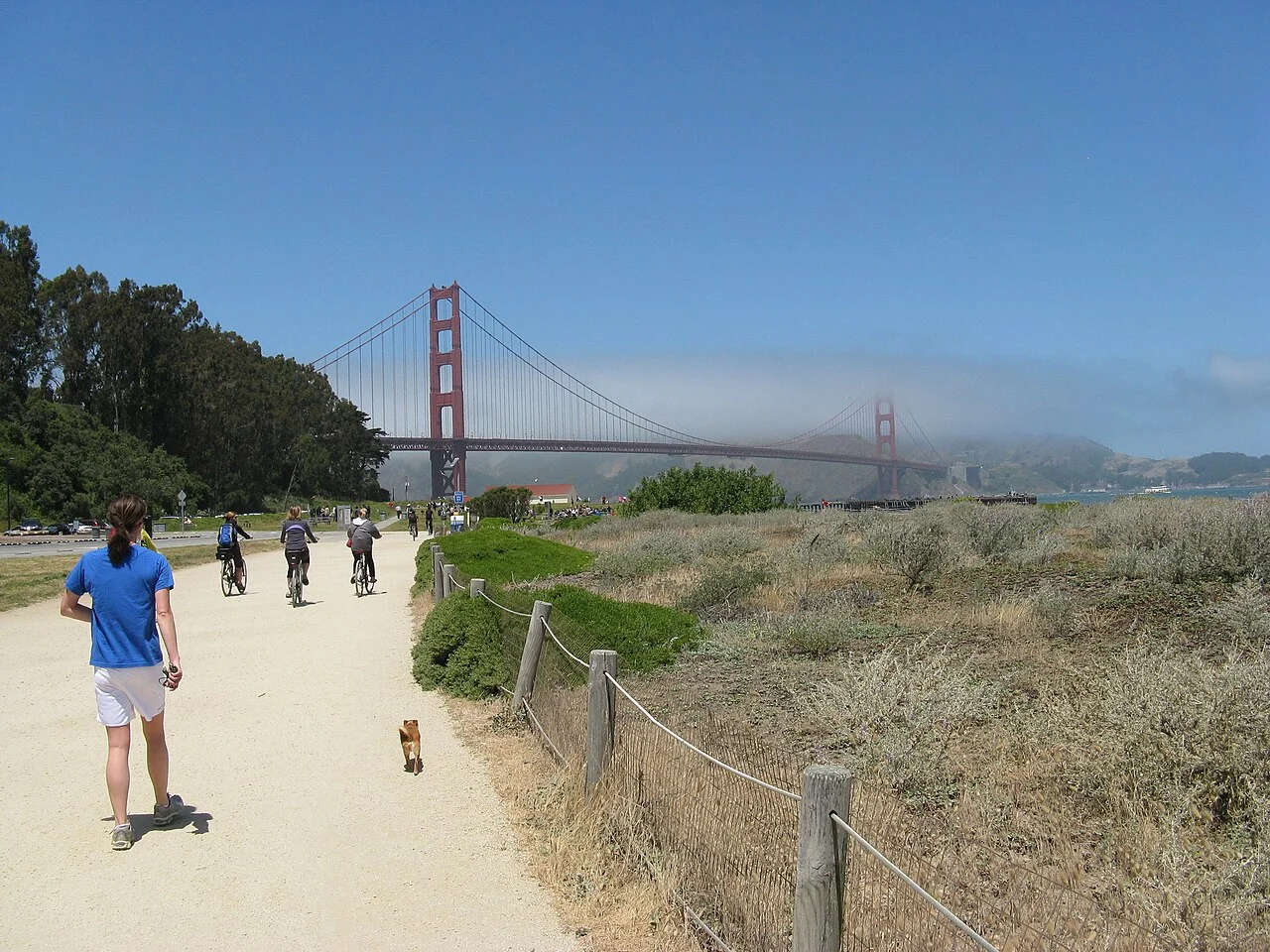
The Golden Gate landscape can make a strong beginning to a San Francisco day. Combine a shoreline view around Crissy Field with a selected neighbourhood walk rather than collecting every bridge viewpoint consecutively. Ocean air, the bay and city streets represent different parts of the same visit. Giving the first morning to scenery and the afternoon to one neighbourhood changes an outing based only on getting out of the car for photographs. The cover is a real bridge image taken from Crissy Field in 2012; it does not establish that every city itinerary starts from this location. Staying in San Francisco provides an opportunity to think about public-transport and walking connections during the city portion. Choosing a vehicle for a following coastal journey is a separate decision rather than a reason to drive through every city day.
Big Sur: make the coast a visit rather than a transfer
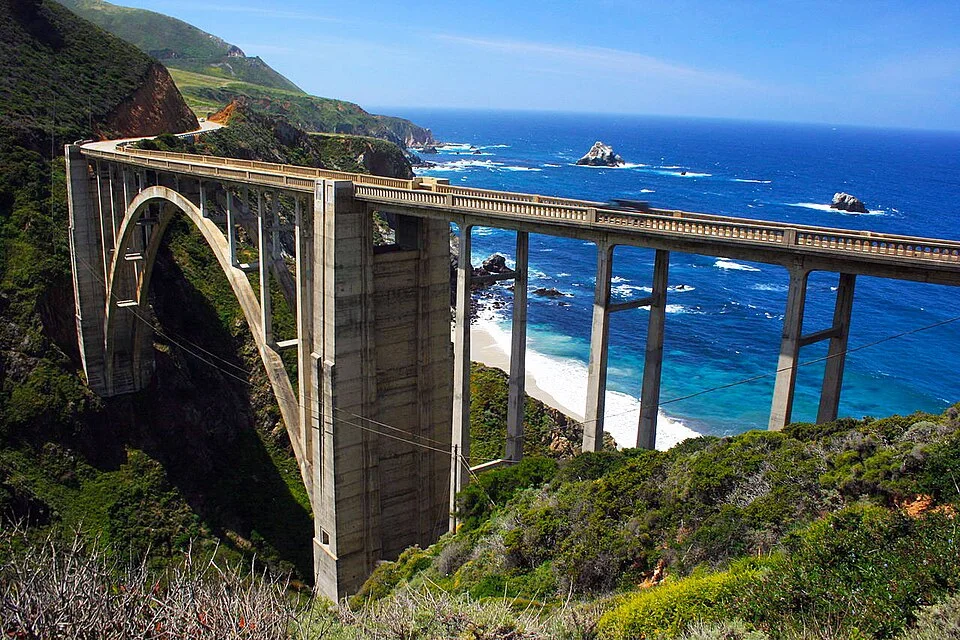
The Big Sur section south of the Monterey and Carmel area deserves more than being consumed quickly on the way from San Francisco to Los Angeles. A view around Bixby Creek Bridge, appropriate coastal stops and a calmer lunch interval can be the main programme for the day. Reaching a photographic location and exploring the region do not require the same amount of time. Caltrans announced that the Highway 1 section closed by Regent's Slide reopened on 14 January 2026; an earlier closure report should not be treated as permanently valid information. That reopening does not nevertheless guarantee identical conditions across the entire road on every subsequent date. Match the actual driving day's conditions with Caltrans information. A scenic Highway 1 outing should not be expected to take the same time as a faster inland connection. Restricting stops to lawful viewing areas helps preserve the enjoyable part of the coastal pauses.

Yosemite: more than a small detour from the coast
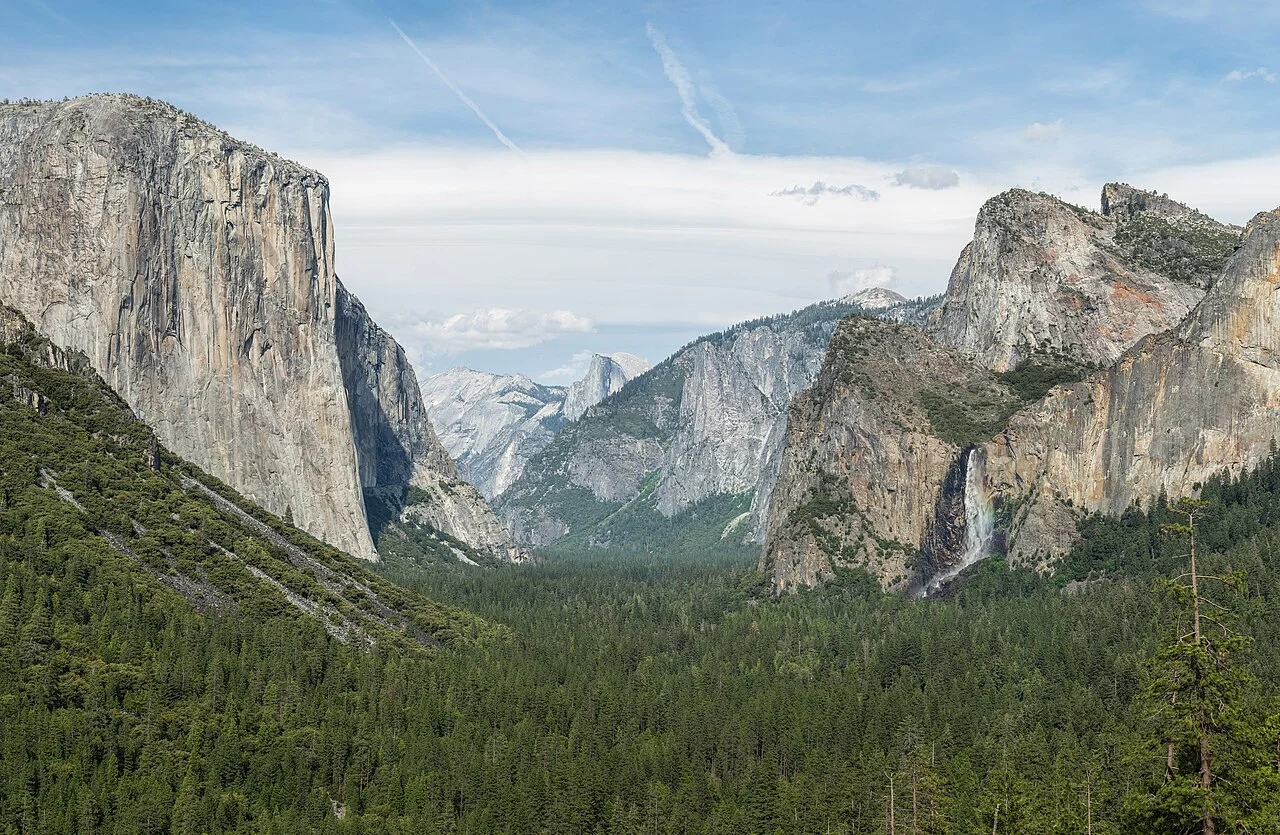
Yosemite National Park is a separate nature programme within California. The valley seen from Tunnel View makes the case for spending real time here, rather than equating arrival at a viewpoint with seeing the whole park. A selected valley walk, viewing interval and lunch break can form a sufficient first-visit outline. The NPS announcement for 2026 states that a timed vehicle-entry reservation system will not be used. This does not mean that accommodation, camping or every activity requiring its own permit becomes reservation-free. Nor does the absence of an entrance reservation guarantee a parking space at every hour. Choosing an overnight base according to the actual park connection can be more comfortable than fitting a short visit inside a substantial return journey from San Francisco. Seasonal roads and accessible sections vary, so build the park day from the conditions relevant to the date chosen.

Santa Monica: a coastal day within the Los Angeles trip
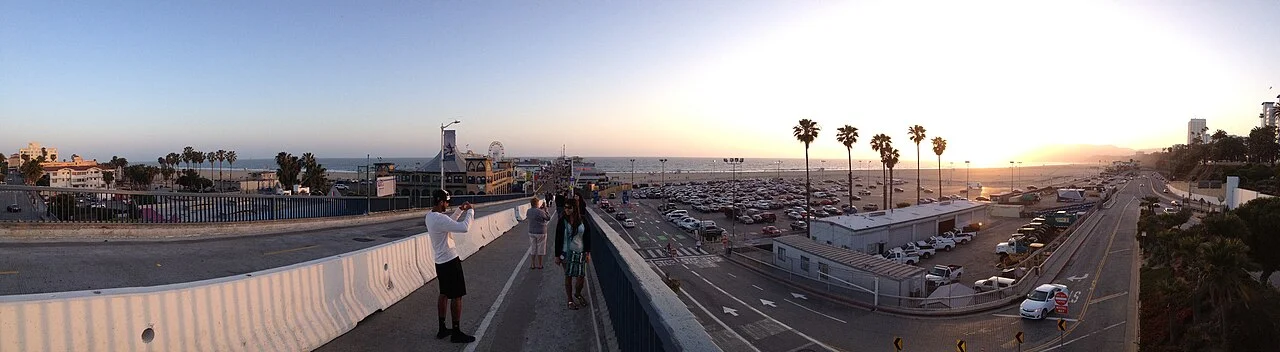
Santa Monica can suit visitors who want a shoreline day within the wider Los Angeles area. Combining the pier surroundings, beach and nearby neighbourhood intervals into one section is more balanced than adding numerous distant Los Angeles addresses to the same day. Give part of the programme to the coast and another to a meal or walk; a brief pier stop should not be counted as exploring all of Southern California's shoreline. The 2013 panorama records the beachfront and pedestrian passage around the pier. It is not an image of a current event or evidence of the operating arrangements of every entertainment business. Accommodation priorities differ for travellers focused on the coast and those more interested in Downtown or another city area. A fuller day within one region can sometimes be more rewarding than repeated evening transfers from one edge of the city to another.

Joshua Tree: a distinct desert section for rocks and trees
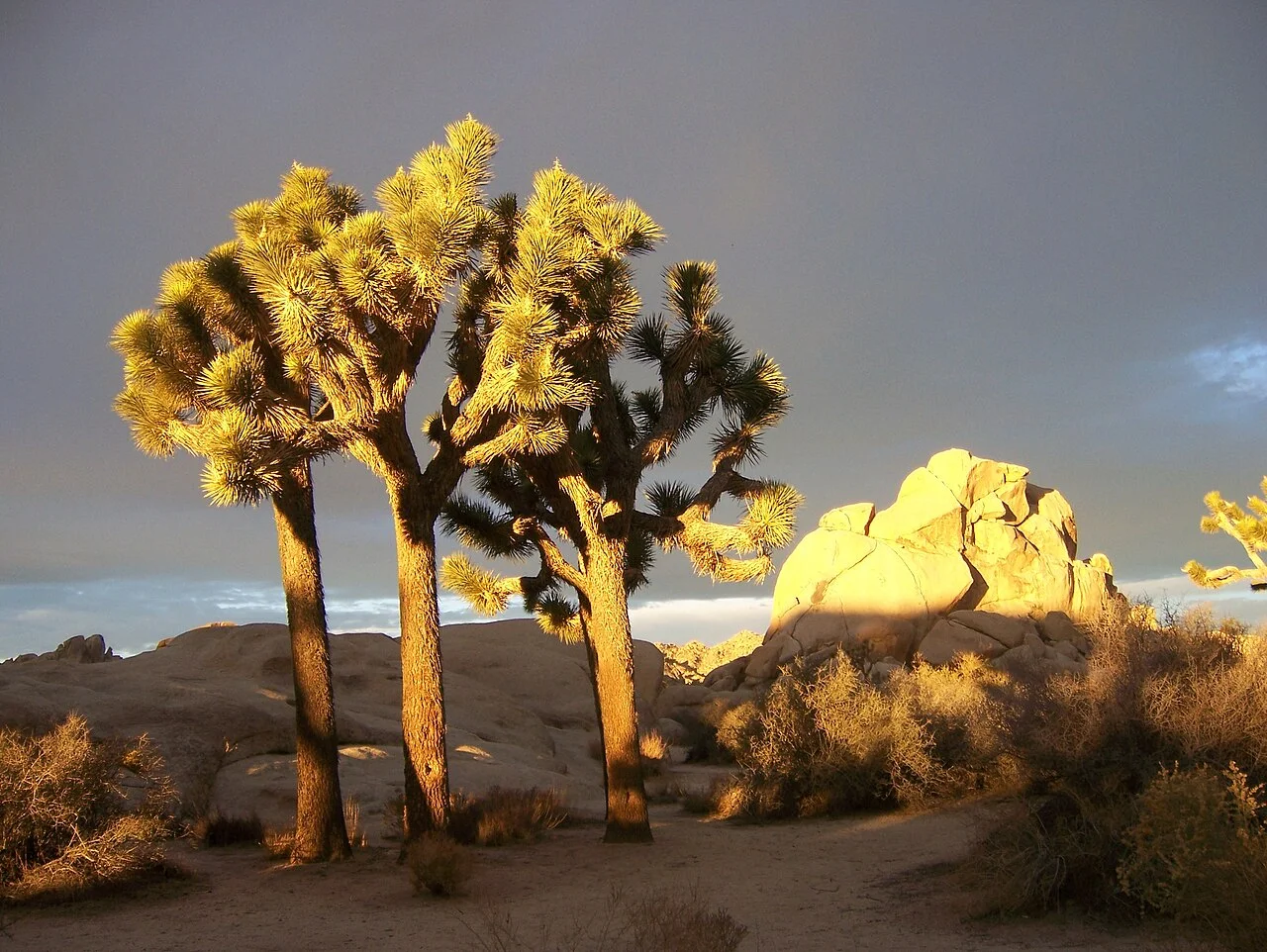
Joshua Tree National Park introduces another kind of California landscape. Compared with Santa Monica's ocean setting, granite formations and Joshua trees create a different focus for the day. Do not treat the park as a brief evening addition after every city stop in Los Angeles has been completed. A few viewpoints, one suitable shorter walk and a rest interval can form a more useful beginning. The NPS conditions page provides information about weather and access that can vary between particular parts of the park; conditions for the selected route matter more than a generic assumption about the desert. An overnight stay in a nearby settlement can separate this day from another substantial return drive. The photograph records actual Joshua trees around Hidden Valley in 2007, rather than present campsite availability or confirmation that every trail is open. Keeping the nature section independent gives the landscape space to be experienced.

Choose local tastes in the neighbourhood you visit
California's food story cannot be reduced to one dish. San Francisco's Mission neighbourhood is associated by the local tourism organisation with the Mission-style burrito, while sourdough bread offers another city food interval. Separating a burrito lunch from a bakery breakfast lets these tastes occupy useful meal times rather than becoming a hurried sampling contest. Visitors exploring Downtown Los Angeles can consider a food hall such as Grand Central Market, where different vendors share one setting; an interest in tacos can also open other neighbourhood and business choices. Use the actual day's area rather than applying the same meal list to every stop across the state. Along the coast, connecting lunch with the onward overnight region can preserve time. Within a city, linking the meal to a selected walking section serves the same purpose. A business being named in a guide does not make its menu or current operating status permanent.
Accommodation and transport: three ways to shape the trip
Travellers focusing on San Francisco and the central coast can consider several city nights and a distinct coastal base around Monterey or Carmel. If Yosemite matters more, allow space for an inland overnight base with a suitable park connection instead of retaining every coastal stop. A Los Angeles and Joshua Tree programme similarly calls for separate city and desert accommodation decisions. At state scale, a rental vehicle can link different natural areas, but that does not make a car compulsory for every city-centre day. Compare hotel costs alongside the route at the end of the evening and the starting point of the following morning. Arriving through one airport and departing through another may reduce the need to drive back along the outward route, although flight options and vehicle-return arrangements must be evaluated together. A familiar hotel name is less useful than a location that fits the programme's actual geography.
A week-long outline without fitting in everything
One editorial first-week example could allow two or three days in San Francisco, several calmer central-coast days and time for the final connection. Travellers adding Yosemite must genuinely remove time from the coastal programme rather than retain every stop at the same intensity. A different week built around Los Angeles could combine selected city and shoreline days with a distinct Joshua Tree nature section. Northern forests, San Diego and other parts of the state are worthwhile possibilities, but this guide does not make them compulsory completions of a short first visit. Giving each day one main interest and a nearby meal interval makes a journey across a large map easier to understand. The Stork's California suggestion is not to accumulate more addresses, but to notice how differently a city, a coastline, a valley and a desert can shape a holiday within the same state.