
The Tatilmerkezi Stork looks beyond the height of Kilimanjaro to the details of a regional table. Coffee in Moshi, a cooked-banana lunch around Materuni and the everyday life between these experiences introduce more than preparations for a climb. Begin a food journey by deciding which day belongs to town, which deserves a village outing and which meal you want to enjoy without rushing. A summit ticket is not required to make these days interesting.
There is no invented city called Kilimanjaro in this restaurant plan. The focus is the Tanzanian mountain region, with Moshi and Materuni as practical reference points. This guide serves a different purpose from describing food prepared for a mountain expedition: it considers meals during a regional stay. Sources were checked on 4 October 2026. Local growers' examples explain concrete food names without promising fixed menus, prices or identical services across every village.
Moshi coffee: make room for a meal on arrival day
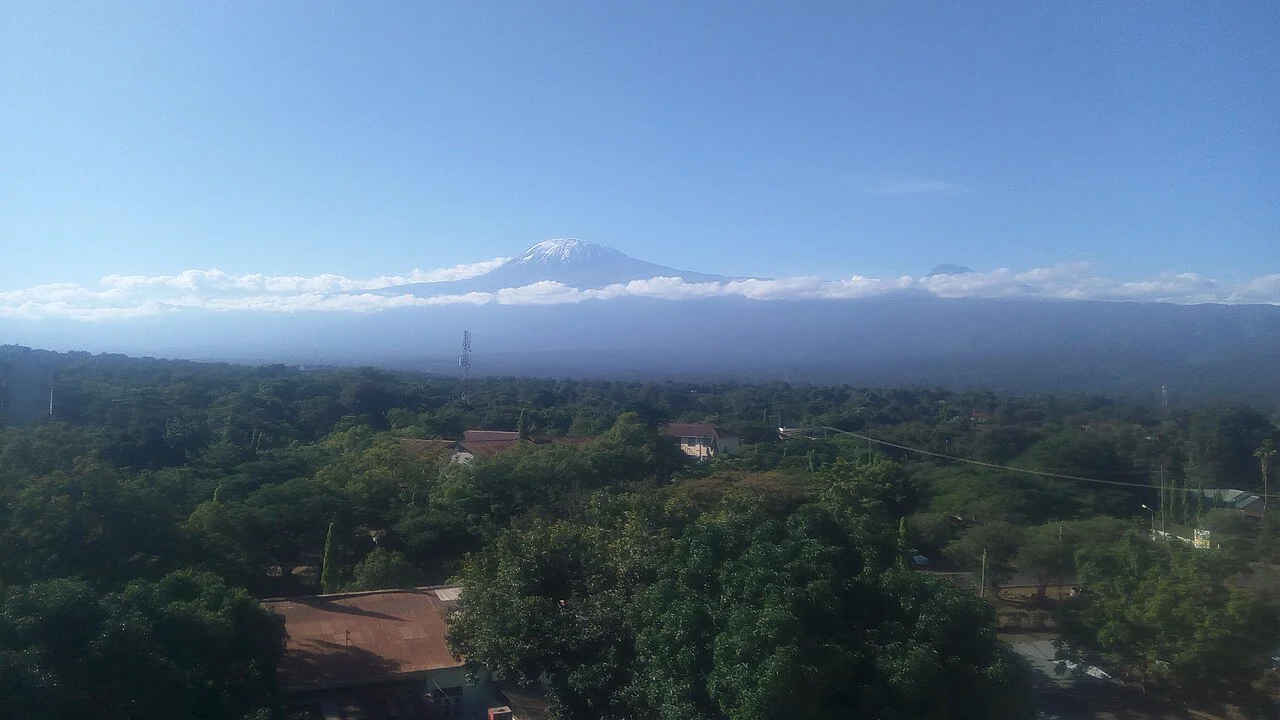
Instead of starting a long surrounding excursion as soon as you reach Moshi, settle into your accommodation and allow time for coffee and dinner. Think of a cup as an introduction to the region's agricultural story rather than only a drink on the way somewhere else. A short town walk followed by a seated break can give the first day a useful rhythm. The cover is a real mountain view from Moshi, not an advertisement for a particular cafe terrace.
Consider your eating expectations when choosing accommodation. A Moshi base with convenient transport produces a different evening pattern from a more distant rural stay. Someone hoping to spend longer around a village may not want to fill the same day with a separate town dinner. Keep the first evening straightforward and think about the next morning's starting point. A town meal and a farm lunch do not compete for one slot; they can belong to different parts of the visit.
Materuni coffee: leave time for the bean's journey
Materuni Coffee Plantations describes an experience following coffee from cultivation to the cup. Learning about roasting, grinding and brewing can reveal the work behind a familiar drink. Position that activity around lunch so that the day is more than hours spent in a vehicle. Establish which stages your particular visit includes at the start. Not every agricultural process necessarily occurs at the same moment or appears in every short programme offered around the village.


If you want both a waterfall outing and coffee, keep space for the meal between the day's activities. Moving straight from the walk to another transfer reduces lunch to a hurried interruption. Chagga Culture and Coffee says that beans grown, harvested and roasted on its own farm are available to buy. That information identifies one producer's offering, rather than guaranteeing the same sales and packaging arrangements throughout the region. A purchase can be connected to what you have learned about the producer.
Machalari: begin lunch with cooked banana
Machalari appears as cooked banana among Materuni Coffee Plantations' examples of a Chagga lunch. It provides a concrete starting point for recognising that bananas need not be confined to a sweet breakfast fruit. Knowing the food's name makes choosing a meal more purposeful than requesting an unspecified local plate. The link between agricultural surroundings and the table becomes easier to understand through one specific dish instead of a broad claim about authentic food.
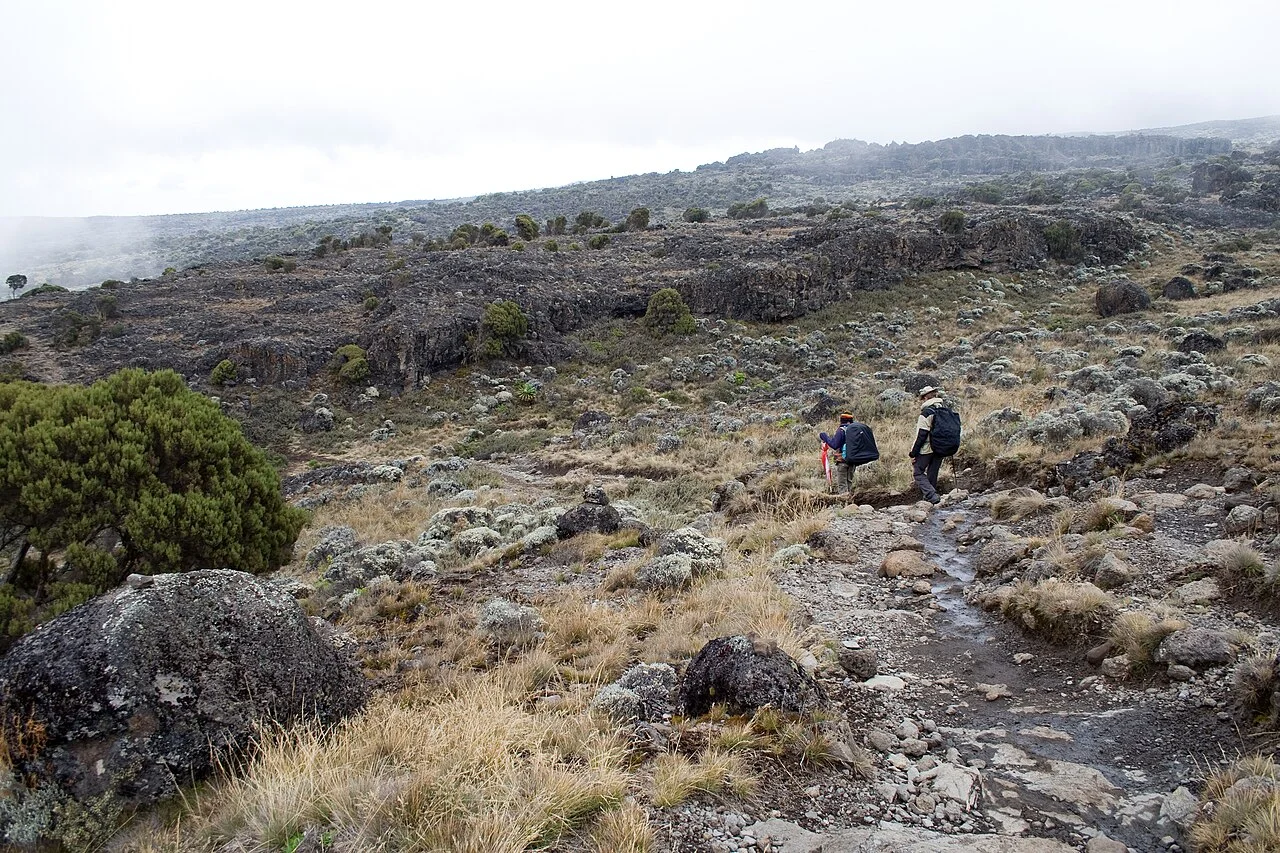

Let lunch form the centre of a village visit. A morning walk, a coffee experience and a meal do not need to be squeezed into one brief stop. If food is prepared as a shared experience, establish what actually belongs to your group's arrangements. The Shira Plateau photograph depicts a higher landscape in the same region, not a plate of machalari. Separating the role of food information from landscape imagery avoids inventing a restaurant service scene that the picture does not show.
Mtori and pilau: different dishes within the same day
The grower's other examples include mtori with banana and meat, alongside pilau. These names give lunch more detail than the phrase local meal alone. They are drawn from that producer's description, rather than presented as one universal recipe used by every kitchen. Finding out what is on the actual table is more useful than expecting all businesses to prepare the dish identically. A food guide can offer names to recognise without pretending to dictate each household's cooking.
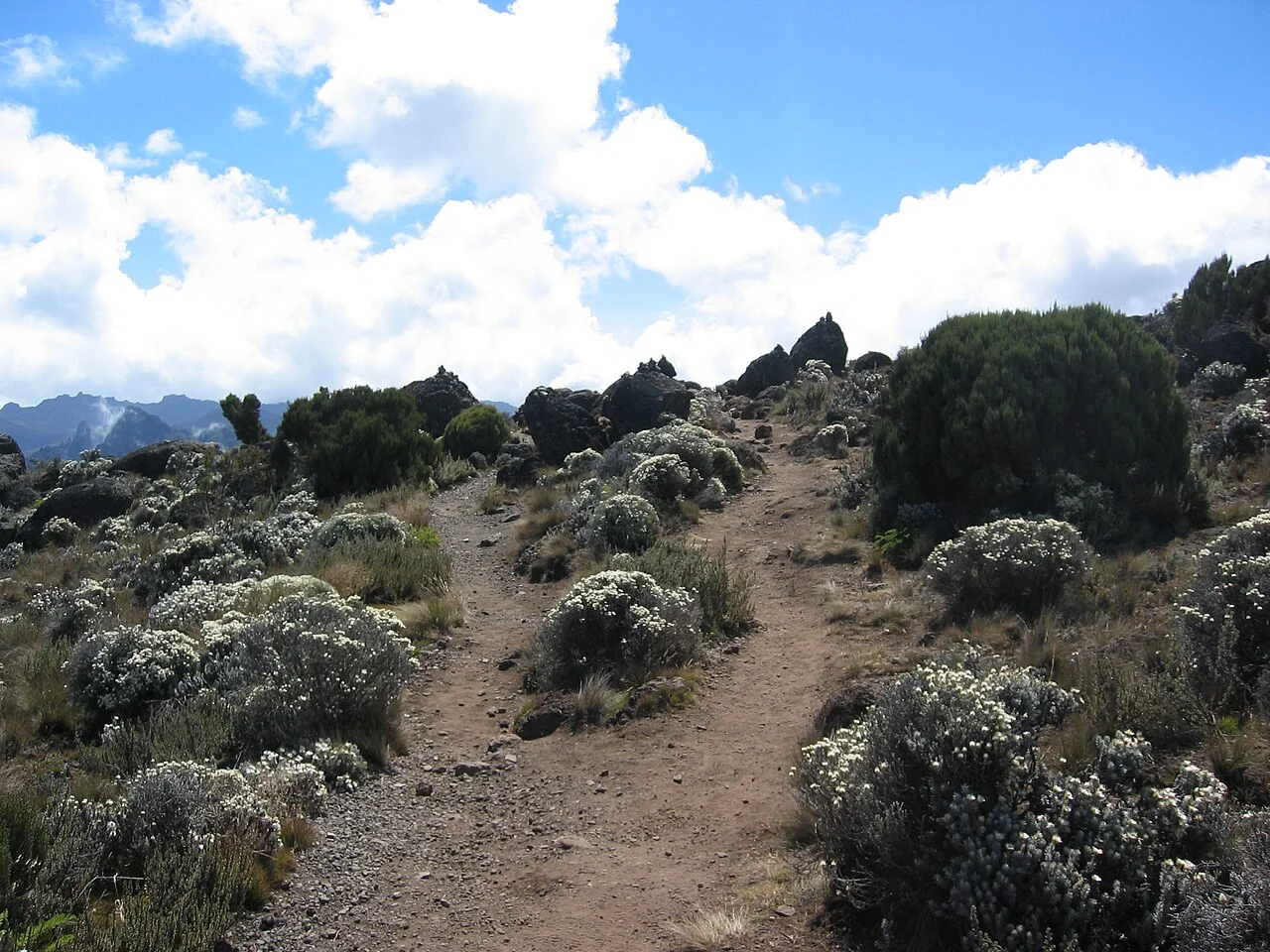

Do not place every tasting ambition into the first meal. Learn about banana-based dishes during the village day and leave the town evening less crowded. Anyone preparing for a substantial walk or climb should organise expedition catering separately with the service provider; this article does not describe a mountain team's menu. The moorland photograph is another piece of regional context, rather than an image of food service. The distinction keeps both the eating plan and the activity programme accurate.
On a waterfall day, avoid rushing lunch
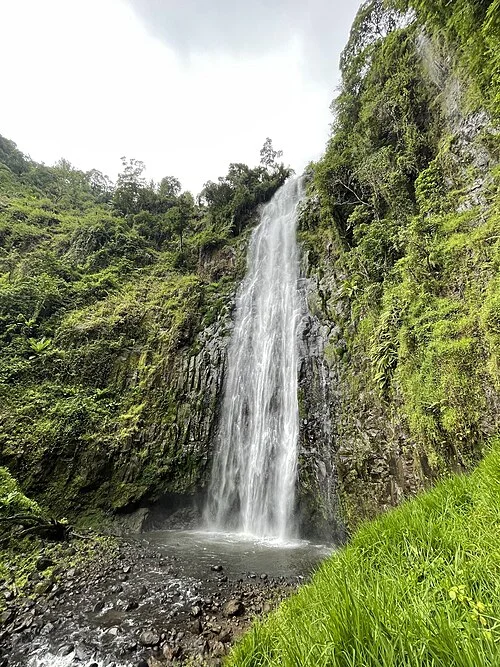
Materuni's village and waterfall experience supplies a useful daily framework for the food route. A natural scene, coffee preparation and time at a table can fit together, but their order depends on your chosen arrangements. The waterfall image records an actual scene in 2021. It does not suggest opening an improvised picnic site anywhere in the natural landscape. Place lunch within the appropriate part of the organised visit rather than treating the entire route as a dining venue.

Explain eating preferences before joining a group programme instead of trying to change a shared meal at the last moment. The banana-and-meat example of mtori and the name of a cooked-banana dish may create different expectations. Understanding what is actually prepared does not diminish the cultural experience; it allows you to appreciate the table more deliberately. Consider lunch a time for rest and conversation, rather than merely a line among the inclusions in a tour description.
A two-day food plan and an accommodation base
The first day can begin with settling into Moshi, taking a short town walk and allowing time for coffee. Choose an evening close to your base rather than attaching a distant excursion to arrival day. On the second, combine arranged transport to Materuni with a coffee experience and regional lunch. If a waterfall section belongs to the same programme, consider the return timing alongside the time set aside for eating. That prevents the final part of the day becoming rushed.
Airport arrival, a Moshi base and transport for a village outing are separate needs. Think about luggage and the return journey as well as getting there. The Stork's suggestion is not an enormous restaurant checklist: see how coffee is prepared, understand cooked banana through machalari and recognise mtori and pilau when considering lunch. A day organised around those details adds another story to the Kilimanjaro region, beyond the impressive mountain silhouette.