
For a first visit to Chișinău, resist trying to understand the city through one square and a few photographs. Moldova's capital rewards time spent between parks, museums and broad streets. The Tatilmerkezi Stork gives two days different moods: begin by finding your bearings in the centre, then open the itinerary towards the lake and another layer of city history. This guide is for visitors who want to remain within the city. A winery region or another settlement deserves a separate third-day decision rather than being squeezed into the same schedule. You will then have time to sit under a tree after leaving a museum, instead of treating the whole trip as a list of tasks to complete.
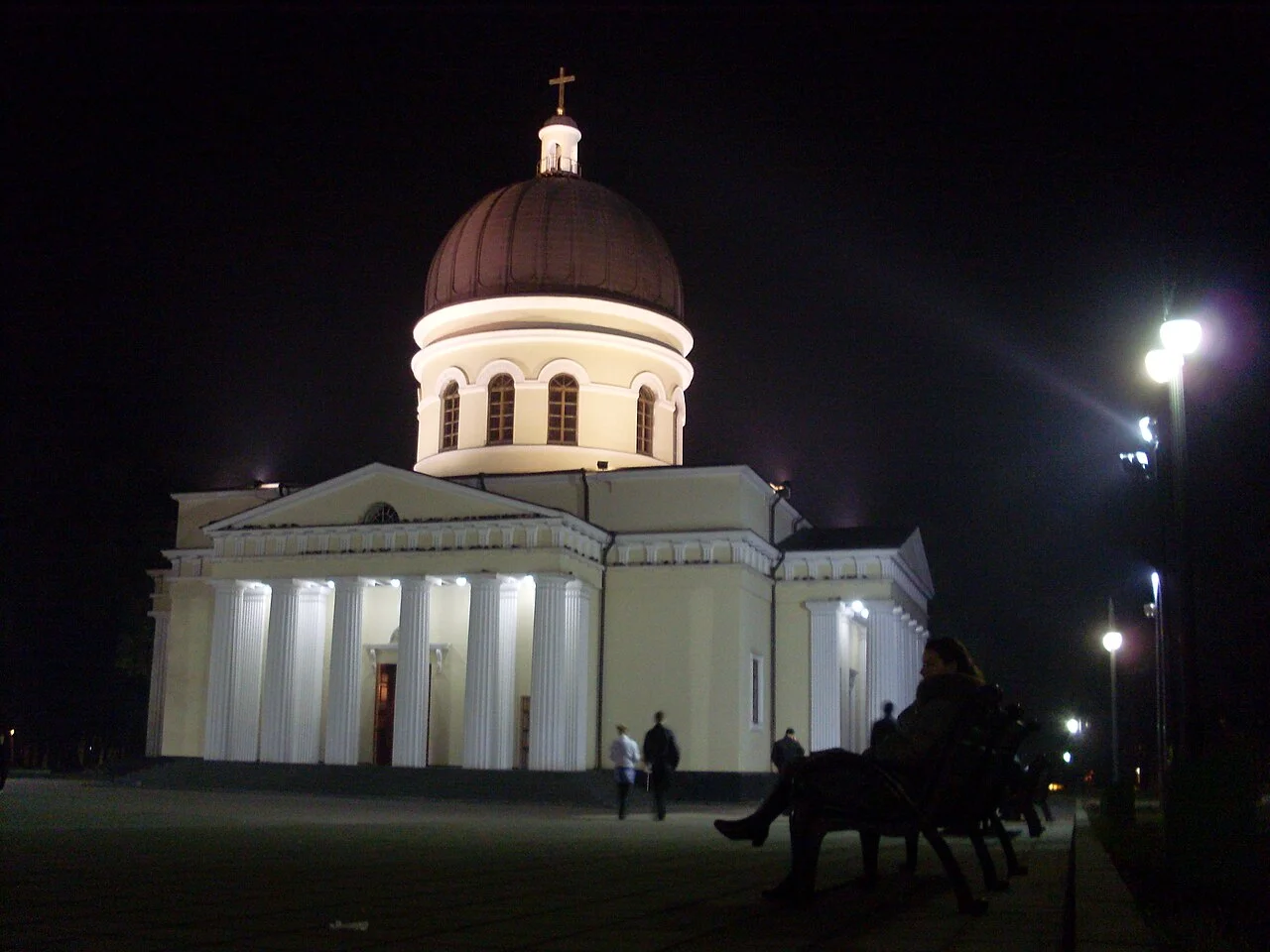
The cathedral area: a first morning walking loop
The park around the Nativity Cathedral is a useful place to begin orienting yourself. Look at the layout of the space before following its connections to the main boulevard and square. Exploring a church exterior and going inside require different behaviour: wait quietly during worship and learn the local rules for clothing and photography. If your companions want to explore separately, agree on a meeting point that everyone can describe clearly. You do not need to spend the whole morning here; nearby streets introduce other facades and scales of the city. In rain, a short walk followed by a museum is a comfortable alternative. In good weather, sitting on a bench and checking the next section of your route can be better than rushing across the road. Events in the centre may change pedestrian movement, so follow signs when choosing how to cross or enter the area.
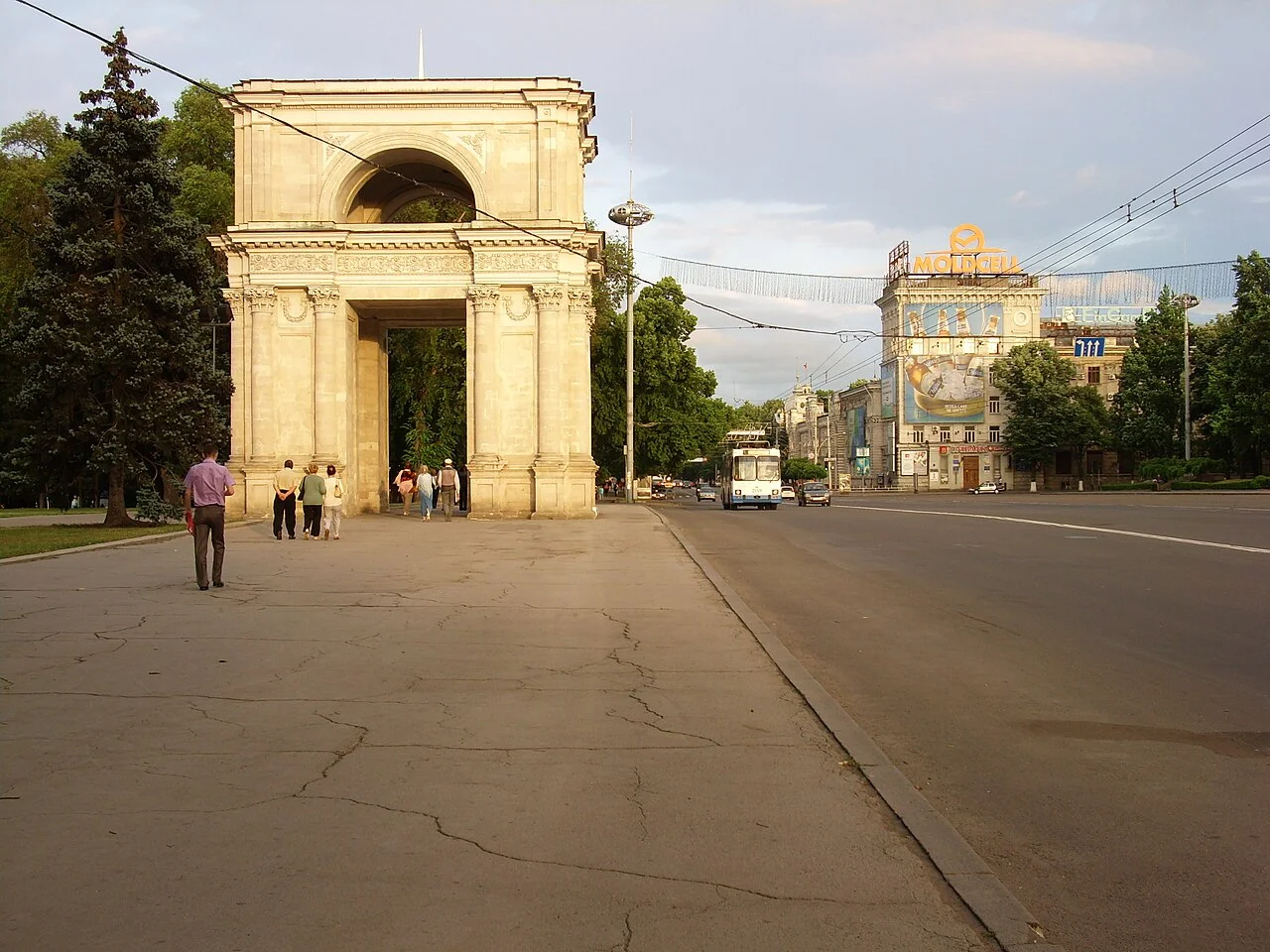
The Triumphal Arch and centre: read both sides of the boulevard
The area around the Triumphal Arch provides another perspective on the broad square and boulevard. Relate it to the cathedral area you have just explored rather than treating each landmark as a disconnected pin on a map. Use pedestrian crossings and traffic signals when moving between sides of the road. Stopping to notice a few architectural details can be more rewarding than attempting to walk the full length of a boulevard at once. Connect the route to green spaces around Ștefan cel Mare and make a short loop through nearby streets instead of rushing towards a distant stop. Events can change traffic routes and sensible meeting points. At the 4 October 2026 source check, RTEC was publishing central traffic arrangements and a temporary suspension of the tourist trolleybus for National Wine Day on 3–4 October. Check announcements for your own travel day; this dated measure does not mean the service has permanently closed.

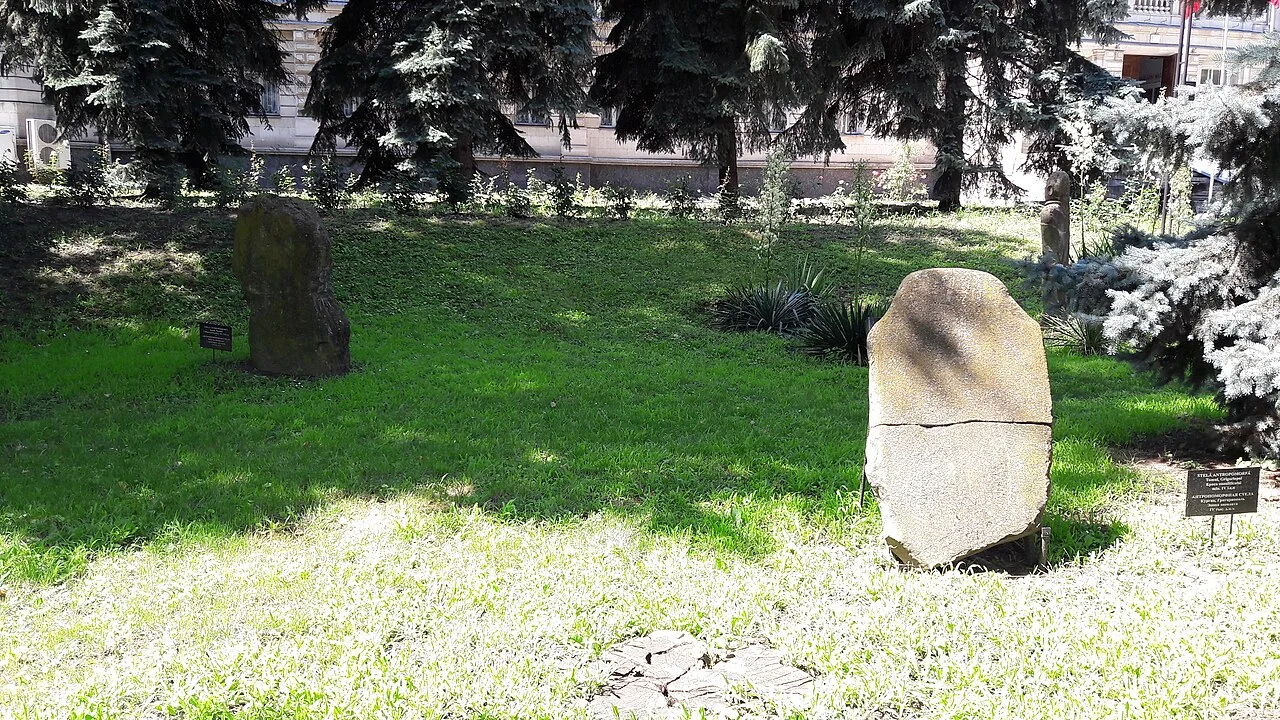
The National History Museum: choose a theme
Decide which part of the National History Museum interests you most before going inside. Archaeology, everyday life or more recent history can each provide a focus that prevents an exhibition visit from becoming a rapid movement between rooms. Review current temporary exhibitions and access arrangements on the institution's own website. At the 4 October 2026 check, the museum announced a temporary restriction of its main entrance due to work on 31 August 1989 Street, with visitor access through Mitropolit Gavriil Bănulescu-Bodoni Street. Follow the directional signs instead of insisting on using a doorway shown in an older photograph or map. The same notice stated that museum activity was continuing. Once inside, give attention to a few objects that catch your interest rather than trying to finish every case. Choose something to discuss with your companions afterwards. A comfortable lunch break following the visit leaves the afternoon lighter and gives what you have seen time to settle.

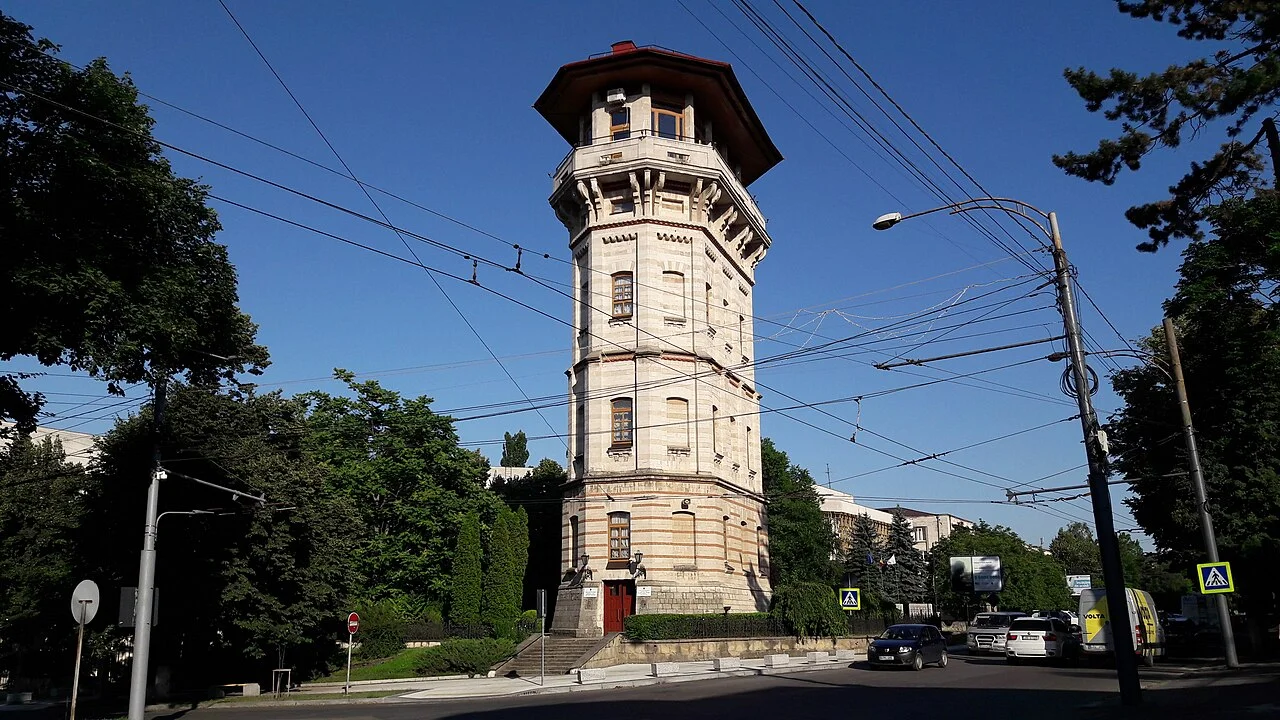
The Water Tower: a separate city-history pause
The Water Tower area can extend a museum day or form part of a second-day walk from the centre towards the lake. The building housing the city history museum offers a different scale of urban experience. Seeing the exterior and visiting inside do not require the same amount of time: consult current opening and access information before choosing. Anyone hoping to climb should consider stairs and personal mobility in advance. A viewpoint is not worth exhausting yourself so completely that the rest of the day becomes difficult. Write addresses in full when moving between nearby streets, since different spellings can make a phone search confusing. Place a short drink break before or after the visit so that you are refreshed when continuing towards the park. With rain or wind, give more attention to the content of a visit than to the possibility of a particular outdoor panorama. Allow the route to adapt to the conditions.

Valea Morilor: let the lake give the second day space
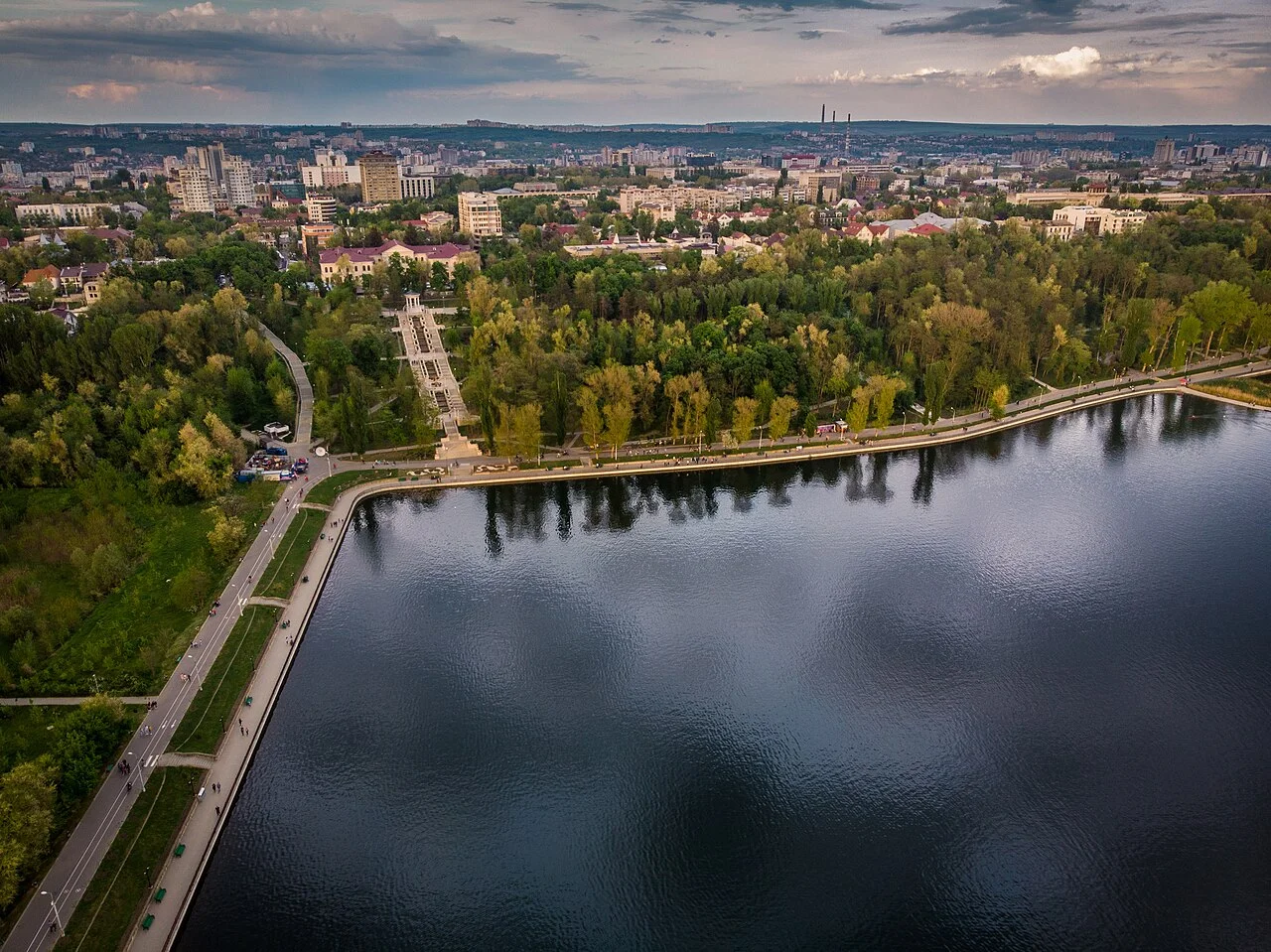
Valea Morilor suits a more open day with time spent beside the lake. Decide which entrance to use and how you will return; an approach involving steps and a walk along the shore do not have the same physical demands. Completing the entire circuit is optional. A shorter shoreline section, a bench pause and a return by the same route can be a satisfying outing. With children or a companion who has limited mobility, pay attention to slopes and places to rest. Learn locally which facilities are operating rather than assuming they will be open. This itinerary focuses on walking; any activity on the water needs its own arrangement. If you bring a snack, carry rubbish away with you. Looking at the changing light and moving without a deadline introduces a greener side of Chișinău after the museum collections and stone facades of the centre.

Accommodation, transport and a few table choices
A central address can simplify museum visits and walks after dinner on a first trip. With accommodation farther out, investigate the actual walk to your stop, the return service and the property access arrangements. RTEC's official website links to current transport information and a route map; consult options for your own dates instead of relying on an old timetable. Consider airport travel together with flight time and luggage, without assuming a fixed journey duration. With a taxi, clarify the full destination and how the fare will be calculated before leaving. For a meal, consider a local choice such as mămăligă, plăcintă or soup, asking about ingredients and portions as you build the table. A central walk and history museum make a useful first day, while the tower area and lake can shape the second. A third day might be for another museum or an independently researched excursion. A good memory of Chișinău can come from two days at your own pace rather than from seeing the largest possible number of places.