
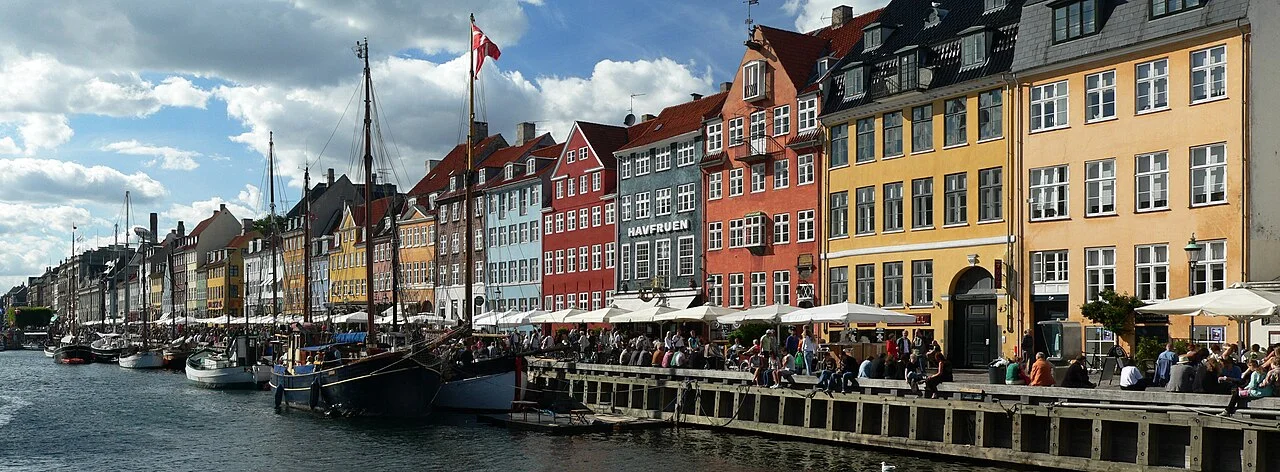
When the Tatilmerkezi Stork opens its wings over Copenhagen, it looks beyond a single famous photograph. A walk beside a canal, a quiet break near a palace and an unhurried return through a neighbourhood can belong to the same trip. It is easy to reduce the Danish capital to Nyhavn’s colourful façades; the pleasure comes from deciding what follows that familiar view. This guide is for a first visit with two days to arrange and, if available, a third day to explore a museum or neighbourhood more deeply.
A useful Copenhagen plan groups nearby stops rather than collecting pins. Instead of fitting a palace, a canal, two distant museums and a food market into one day, choose one main visit. In changing weather, switch the order of an outdoor walk and an indoor break. Keep a booked admission slot as the fixed point around which the rest can move. Rain then becomes a small adjustment rather than a reason to rewrite the entire programme.
Nyhavn: keep walking after the photograph
Try giving the Nyhavn waterfront time early or during a quieter part of your day, without assuming that any particular hour guarantees empty pavements. Looking from one bank to the other, including the water in a photograph and stepping into nearby streets are different experiences. Do not stop in a cycle lane or block a passage while taking pictures. Looking at the menu before sitting down helps keep the budget understandable too.
Treat this waterfront as the beginning of a central walk rather than the whole day. When rain arrives, extend your first indoor break and return to the water later. Families can recognise that not everyone wants to admire the same view for the same length of time. Separating a short photograph stop from a rest or toilet break can make the morning easier. The Stork’s suggestion is to leave room for other Copenhagen tables instead of making the first waterside seat compulsory.
Rosenborg: separate the garden from timed admission
If Rosenborg is your chosen visit, plan indoor admission and a garden break as two separate chapters. The operator uses admission time slots and recommends advance booking during busy periods. After choosing a slot, avoid filling that morning with a distant neighbourhood. Allow for the journey and the final walk to the entrance. Someone who wants to look at the exterior and someone who wants to see the collections do not need identical programmes.
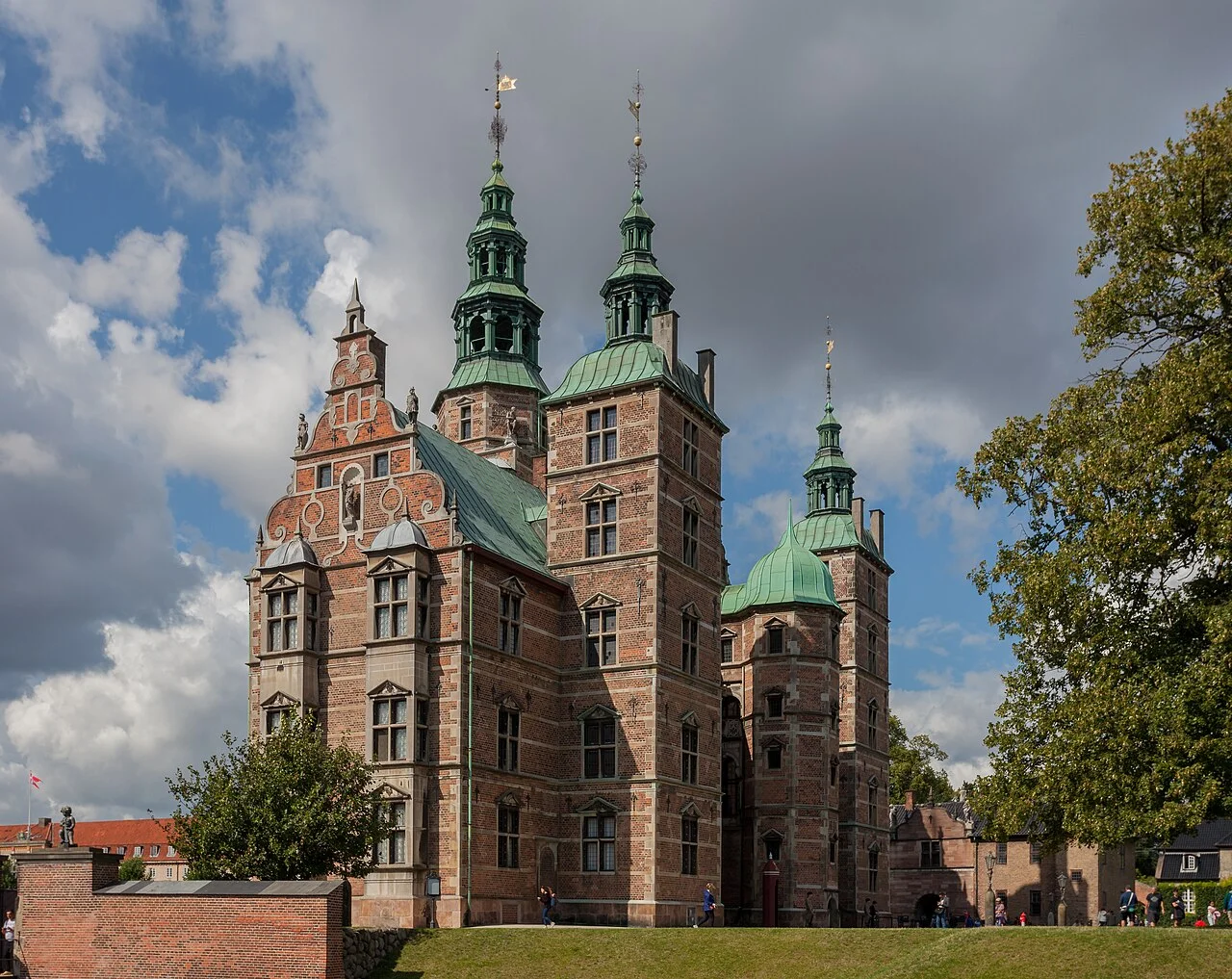

Check accessibility particularly carefully. The operator describes numerous stairs and no lift, so do not assume that every floor is accessible to wheelchair users. Confirm the specific arrangements for the ground level and treasury directly before travelling. With children, adding a garden break may work better than expecting one prolonged indoor visit to carry the whole morning. An exterior photograph is useful context, but it does not represent every part of the indoor collections.
Christiansborg: a separate palace chapter in the centre
Christiansborg can be a distinct history and architecture stop during a central visit. Decide which part you actually want to see first: writing the palace name into an itinerary does not mean you will enter every section. Official events can affect access or cause closures. Check the open areas and last admission for your chosen date with the operator. A nearby walk or meal can serve as the alternative if your preferred section is unavailable.
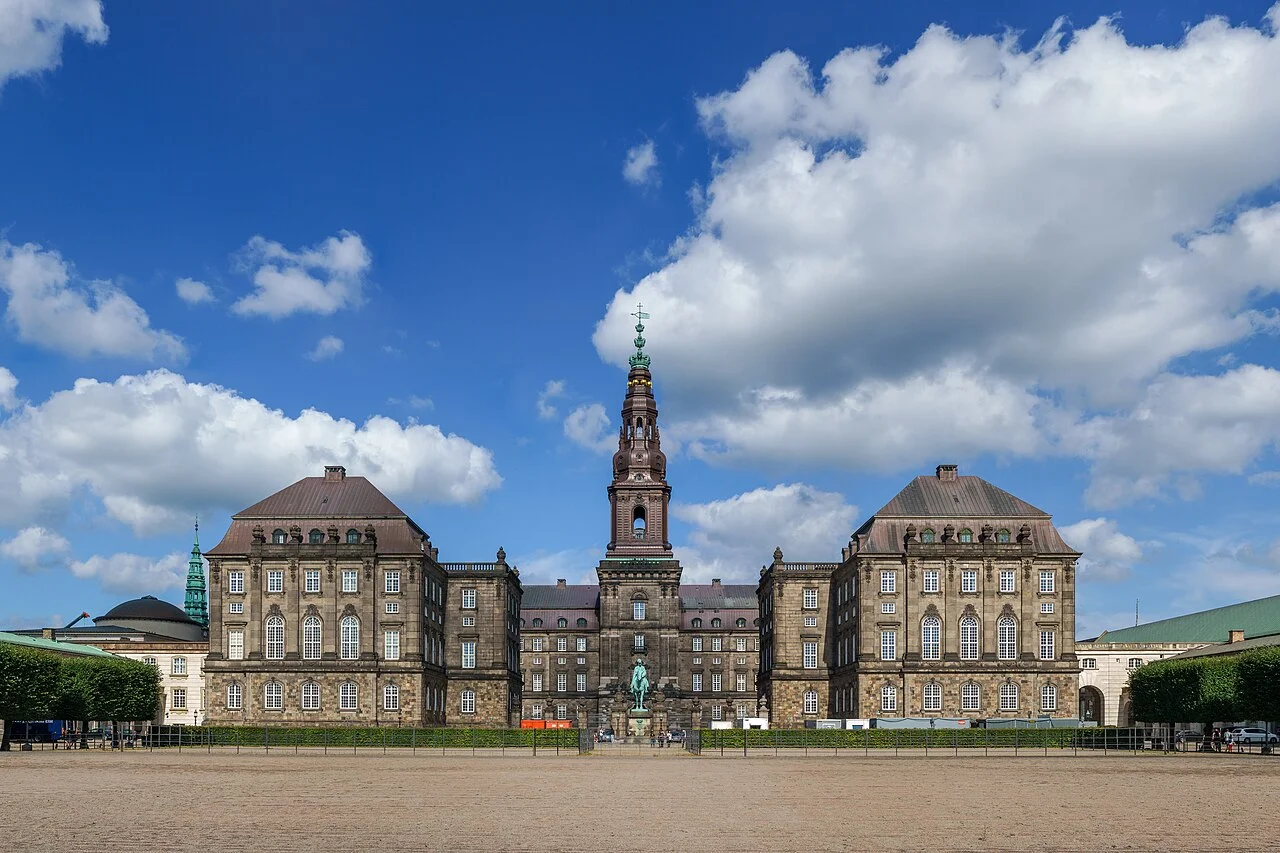

Even if two palaces appear possible in a day, they need not become a compulsory achievement list. If collections are not your main interest, visiting one inside and looking at the other outside may leave a more enjoyable afternoon. Architecture enthusiasts can allow extra time to study the exterior from different viewpoints. A safe place away from the admission queue is a better photographic position than obstructing people who are trying to enter.
Christianshavn: a slower second day by the canals
Let Christianshavn’s canals lower the pace on your second day. Rather than treating the area as a quick extension of a single central photograph, make the walk a main part of the programme. Choose a manageable loop between a bridge, waterside stretches and smaller streets. Deciding where the return begins can reduce unnecessary backtracking. If cycling, follow the local flow and move out of the lane before stopping to take a picture.


For a water-based section, distinguish a harbour bus from a sightseeing boat. VisitCopenhagen presents the harbour bus as part of public transport; check its stops and departures for your travel day. Do not assume that one ticket includes every sightseeing cruise. In windy weather, a shorter waterfront walk followed by an indoor break is a perfectly good way to enjoy the city. The right choice is the one that suits your comfort and available time, rather than the longest activity on a booking page.
Torvehallerne, smørrebrød and time to eat
The Torvehallerne area near Nørreport can be an option for a group that does not want everyone to sit down in the same restaurant at exactly the same time. The photograph is an archive view from 2011: it does not promise today’s stalls or crowd levels. Do not choose a meal from a picture alone. Check current opening, menus and seating possibilities. Variety can be enjoyable, but comparing too many options can also consume the entire lunch break.


Smørrebrød is one way to approach Danish food. VisitCopenhagen describes these open sandwiches around rye bread with different toppings. Check fish, meat or egg ingredients against your preferences, and never infer that something is vegetarian or safe for an allergy from its appearance. Street-food destinations such as Reffen require a separate seasonal opening check. Looking at the calendar before travelling out prevents a closed venue from becoming the main transport expense of the day.
Transport, accommodation and a two-day outline
According to Copenhagen Airport, the metro station connects directly with Terminal 3. Choose the route and ticket through the airport’s official transport information and Rejseplanen. A station-to-station journey is not the time needed to reach your hotel door. For a late arrival, consider transfers, luggage and accommodation check-in arrangements together. This guide does not fix fares or promise a departure frequency that could change before your trip.
For a first stay, the centre or Nørreport area can be considered for walking and transport connections. If a stronger neighbourhood atmosphere is your priority, check the evening return from the area you choose. Neither suggestion is a promise of low prices or quiet rooms. A map’s distance to the centre is only part of the decision: the luggage walk, stairs, lift and late check-in policy are more concrete details to investigate.
In the sample outline, combine Nyhavn, one selected palace visit and an unrushed meal on day one. Give day two to Christianshavn and, if desired, a short water-based section. If a museum matters more than another palace, make it that day’s main visit. With a third day, deepen the trip through a longer neighbourhood walk or a collection you genuinely want to see. For the Tatilmerkezi Stork, a satisfying Copenhagen trip is about finding a few streets you would happily return to, rather than ticking every landmark off a list.
Sources and visitor arrangements were checked on 3 October 2026. Recheck official information close to your travel date for opening, seasonal operations, tickets and transport conditions.