
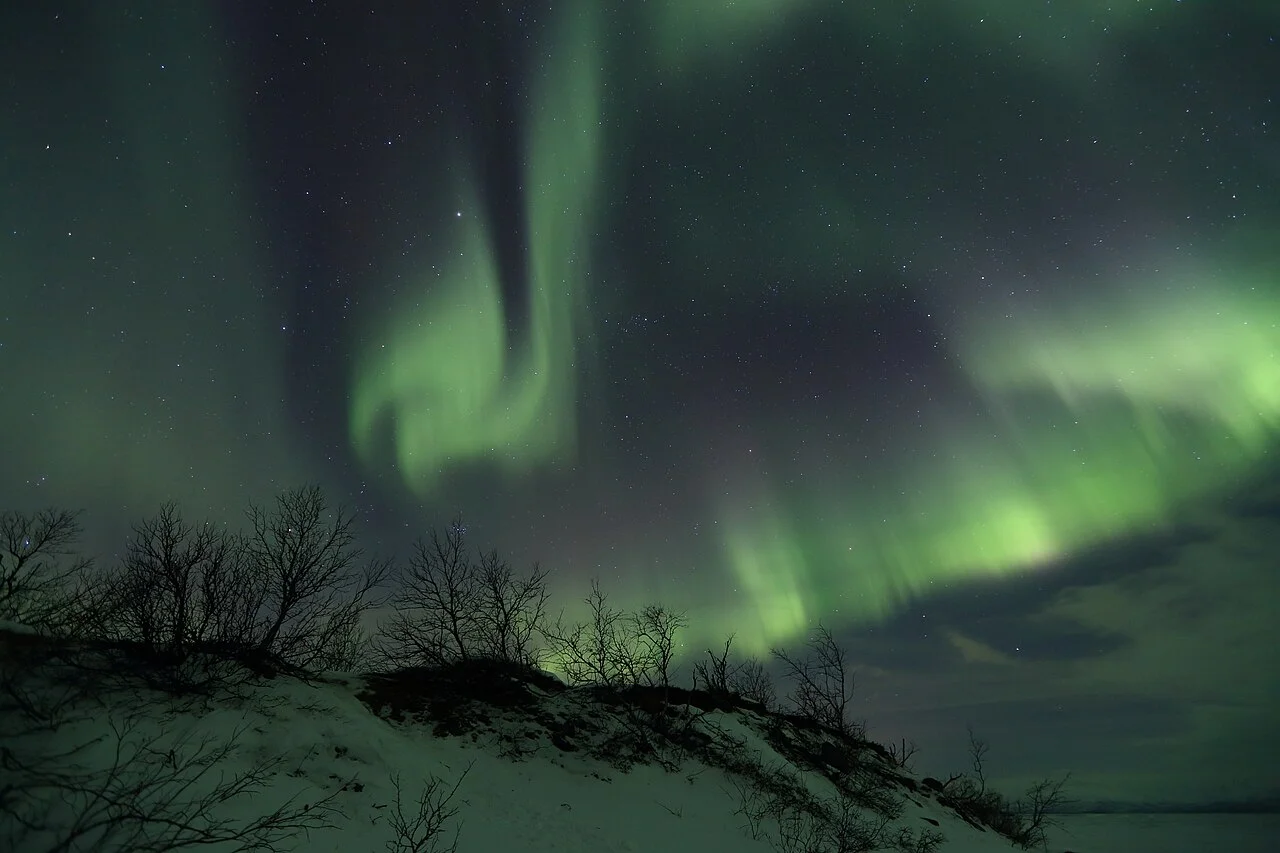
A northern-lights journey often begins with an exciting photograph of green light curling across the sky. Tatilmerkezi Stork turns that excitement into a useful planning question: where would you enjoy spending several days even if the lights did not appear? Tromsø's city comforts, Abisko's mountain and lake surroundings, Finnish Lapland's accommodation choices and Iceland's landscapes create different trips. Darkness, sufficiently clear skies and auroral activity need to come together; no date, hotel or tour guarantees the result. Instead of fitting four countries into one short break, choose one main region and leave room for another attempt at night and rest during the day.
Tromsø: city comforts and the night sky
Tromsø is a base to research if you prefer staying in a city and travelling towards darker surroundings in the evening. Official tourism describes visibility from late August to early April when conditions are dark and sufficiently clear. That broad period does not mean every night produces a display. When choosing accommodation, consider the meeting point for your activity and the late return to the hotel alongside the view from a window. Having more than one evening adds flexibility: the weather on the first night need not determine the entire journey. The practical connection between the room and the departure point can matter more than a dramatic accommodation photograph.
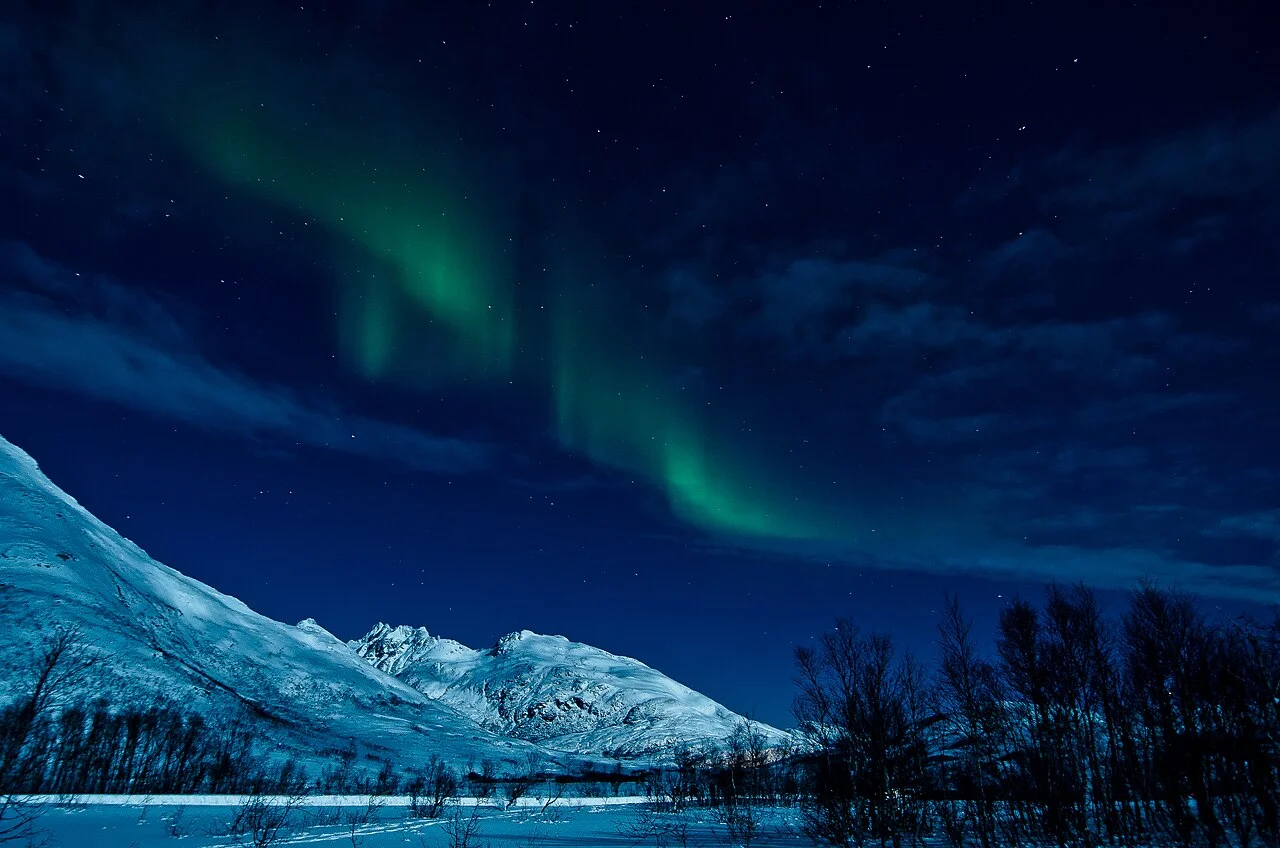

Distinguish a moving search for clearer skies from an experience held at a fixed location. With the latter, the activity itself can form the evening's purpose, so establish what happens if the aurora does not appear. Vehicle time, group size, rest arrangements and the exact meeting address are concrete parts of the choice. Do not automatically combine a full day of demanding activities with another long late-night outing. A short walk around the waterfront and a warm meal may provide a better balance before the evening begins. Stork sometimes finds that the most useful interval in an ambitious itinerary is the afternoon left free to rest.
Abisko: mountains, a lake and a smaller base
In Swedish Lapland, suovas is smoked reindeer meat associated with Sámi food traditions, while gáhkku is a flatbread. These regional names can guide a meal choice around Abisko when actually listed on a menu, without implying that every business serves them.
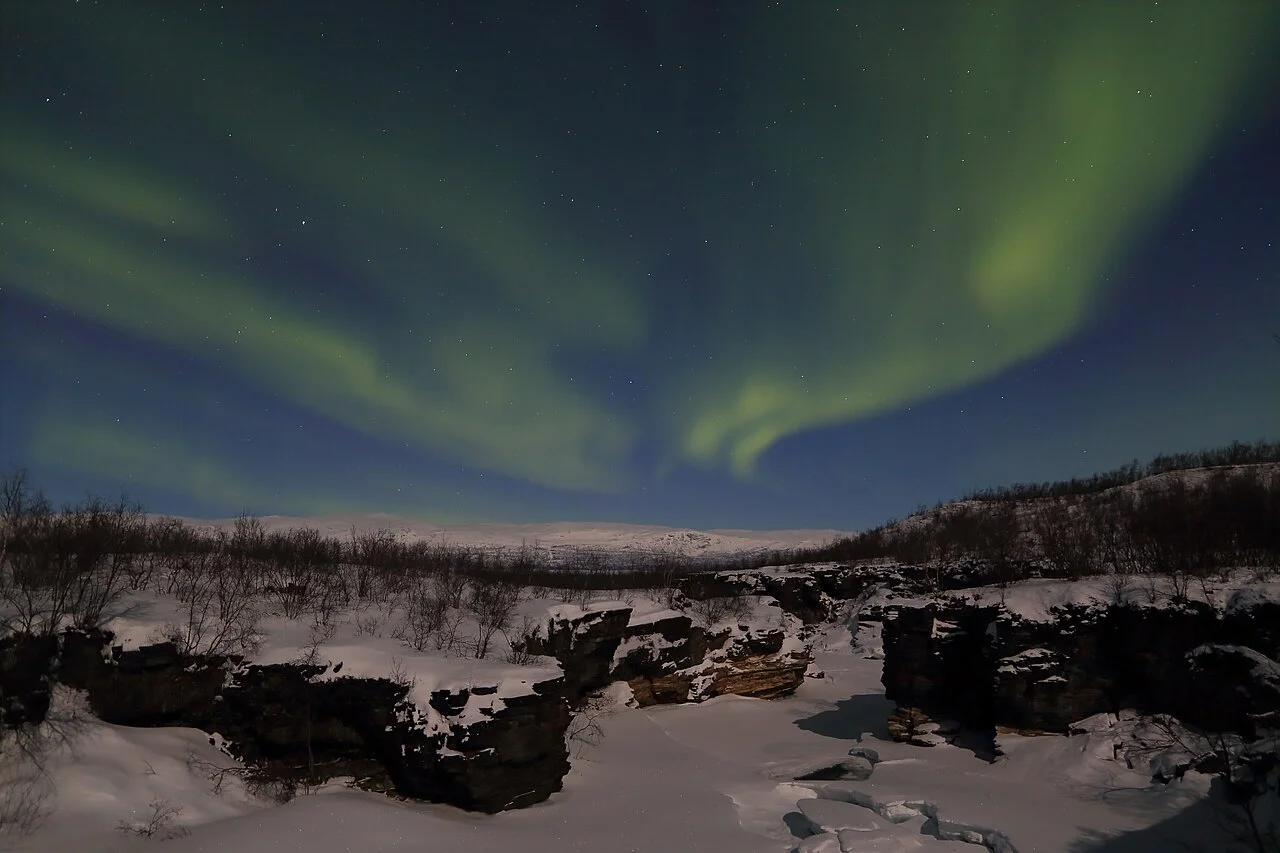

Abisko in Swedish Lapland offers another option for readers imagining aurora viewing alongside mountain scenery and a national park. Aurora Sky Station is a specific operating venue to research; obtain the present programme and access conditions directly from it. Strong descriptions on promotional pages should not be treated as a guarantee of a display. The practical decision here concerns how accommodation connects with the evening meeting rather than the variety of restaurants available in a large city. Understand the transport involved before deciding that a memorable landscape alone makes a base suitable for your particular group.
Limit daytime walks to routes and conditions actually appropriate on the day. A photograph of the Torneträsk surroundings or a frozen river does not mean you can walk in that location on every date. In darkness, remain within the area advised by the operator or park rather than searching alone for an attractive composition. If the accommodation has limited dining arrangements, separate the dinner time from the evening activity when planning. A smaller base has the appeal of encountering the same landscape under different conditions without changing hotels every day. A night without aurora can still leave time to recognise the mountain silhouettes and adjust the following day's plans. Different weather need not make every hour feel wasted.
Finnish Lapland: matching accommodation and observation
Poronkäristys is a thinly sliced reindeer dish associated especially with northern Finland; a traditional serving can include mashed potatoes and lingonberries. Consider this regional example only where it is genuinely available on the menu, rather than assuming a standard offering or current price at every Lapland business.


Official Finnish tourism describes the northern aurora season as extending from late August to early April. When researching a base such as Levi and its surroundings, consider daily transport and the actual viewing area before concentrating on photographs of glass-roofed rooms. Architecture cannot move clouds; the type of accommodation changes comfort and the character of the stay. Instead of committing the whole budget and expectation to one evening, compare several nights in one place with a manageable daytime programme. A dark observation location also needs to be permitted and connected by a route you can understand, not simply remote on the map.
A short introduction to the surroundings, a warm meal and an earlier rest interval can make the evening easier to approach. If choosing a substantial winter activity, discuss whether a very late aurora outing on the same day will suit everyone. A smaller dining alternative near the room may avoid another long journey after returning. Some companions may concentrate on photography while others simply watch; an evening that does not demand the same objective from everyone can feel more relaxed. Treat the Lapland base as a stay with its own day and night rhythm rather than a brief connection on the way to another country. Being settled can create room to appreciate the surroundings between displays too.
Iceland: connecting landscapes with the sky
Iceland's official tourism guidance suggests researching the northern lights in the darker period between September and April. Distinctive scenery such as the Kirkjufell surroundings appears frequently in aurora photographs, but there is no obligation to drive there from another corner of the country on the same evening. For a short trip, select one principal accommodation region and connect daytime landscapes with nearby night options. The Icelandic Meteorological Office provides current cloud and aurora forecasts to inform the research. Use a forecast as information for reassessing the evening, rather than an announcement that a display will definitely occur at a chosen hour.


Consider the return journey, your driving experience and the road conditions together. Clear skies and a suitable road are separate questions, so check them separately. Enjoying a waterfall or coast in daylight does not require repeating the same movements around it in darkness. When conditions are unsuitable, a nearby meal and a rest interval can provide a complete conclusion to the day. If the route is photography-focused, preparing equipment in daylight reduces the need to search through settings in the cold. Choosing one dramatic landscape should not turn into a requirement to finish the entire country within one journey. Give the place you actually stay enough room in the itinerary.
Three nights, meals and a photography balance
In a three-night outline, use the first evening to understand accommodation and meeting arrangements, with a shorter observation if conditions allow. Make the second evening the main night programme and leave the third flexible according to weather and energy. Choosing only one principal daytime activity fits more comfortably with several possible nights outdoors. Having a seated meal before departure can reduce pressure to search for an open business on the return. Assess flights or train connections alongside the likely end of the evening: an immediate departure after a very late activity may not create a comfortable final night.
For photographs, practise with a tripod and the device's night settings beforehand, but do not lose all your time watching the sky while searching on a screen. A long exposure can record colour more strongly than the unaided eye, so avoid expecting every scene in a sample photograph to appear equally vivid in person. Suitable clothing, a clear return connection and warm rest intervals form basic parts of the experience. Check present departures, operator schedules and prices through official channels instead of treating them as permanent guidebook figures. Stork's proposal is to build a trip in which several days in the north have their own value, with the aurora adding a remarkable possibility rather than carrying the entire holiday.