
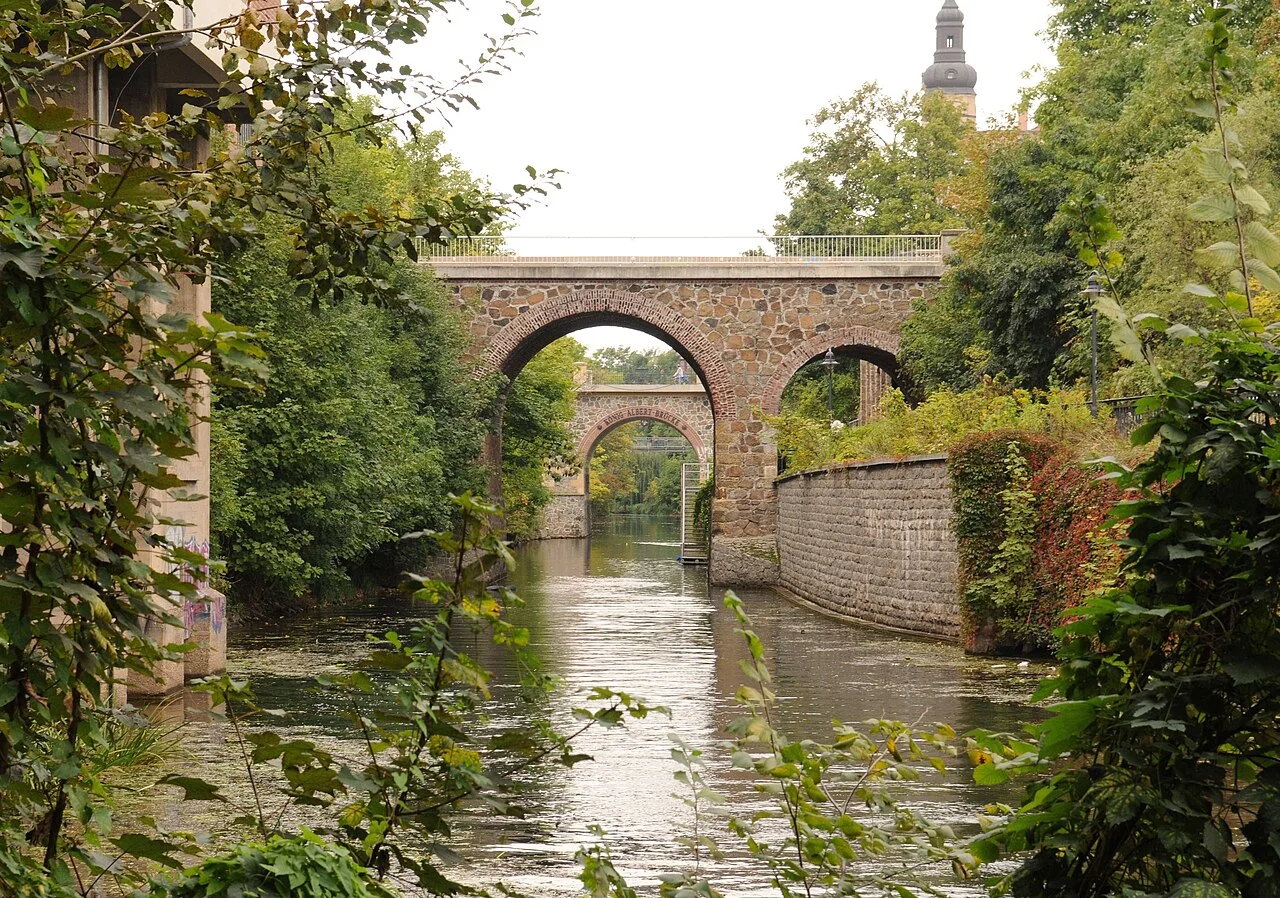
Let the small sounds of Leipzig lead you into the city: footsteps beneath an arcade roof, a tram bell across a square, leaves moving along a park path. The Tatilmerkezi Stork invites you to connect those everyday details with the bigger stories of music, trade and social change. This is a place to follow a particular curiosity rather than hurry through every museum on a list. A passage, a church square and a neighbourhood café can become a more memorable combination than an overloaded day of major attractions.
Two days make a useful first introduction, pairing the central streets with one trip beyond the old town. With only a day, concentrate on the market square, arcades and church surroundings, then choose one museum. With three days, give GRASSI and the western art spaces separate time. The route below is an editorial suggestion, not a guaranteed operating schedule. Check official visitor information for your dates and leave room for weather, exhibitions and the people travelling with you.
Markt and your first walk through the centre
Reach the Markt area from Leipzig Hauptbahnhof on foot or using a suitable local connection. Begin by getting your bearings rather than immediately collecting photographs. Look at the facades around the Old Town Hall, notice where the streets lead out of the square and pause before deciding on the next stop. Leipzig's trading heritage becomes easier to understand when you pay attention to the way the central streets fit together. A modest first walk helps make the rest of your visit feel coherent.
If you are staying near the station, leave your luggage at the accommodation before attempting a longer circuit. If you arrive late, keep the initial walk short and save museum time for the following day. Do not assume station shops or restaurants operate around the clock: check the particular business you need. Likewise, a city-centre itinerary becomes more comfortable when a meal and a place to sit are part of the plan. Use the square as an orientation point you can return to, rather than a compulsory stop to cross off as quickly as possible.
Mädler Passage and the surroundings of Auerbachs Keller
Mädler Passage offers a sheltered way into Leipzig's history of trade and fairs. Look beyond the shop windows to the roof, the rhythm of the walls and the movement of people between its entrances. Mark Grimmaische Straße and Neumarkt together on your map so that the arcade becomes part of a walking route, rather than an isolated shopping destination. In wet weather, it can also provide a welcome change of pace without turning the whole afternoon into a sequence of indoor attractions.
Auerbachs Keller's connection with Goethe's Faust gives the surroundings an additional interest for readers. Seeing the location does not require booking a restaurant meal. If you want to eat there, check reservations, the current menu and your dietary needs with the business; if architecture and literary associations are your main interests, simply include the area in your walk. The Stork's little photography suggestion is to stand aside and let people pass. Choose one detail carefully instead of blocking a busy route while trying to capture the entire arcade at once.
Thomaskirche and the Bach Museum: follow the right story
The surroundings of Thomaskirche are a natural starting point for Leipzig's musical connections. One distinction matters: Johann Sebastian Bach was born in Eisenach, not Leipzig. Leipzig was important to his life and work, but that does not make it his birthplace. The Bach Museum occupies the historic Bose House, once home to friends of the Bach family. It should not be presented as the house in which Bach was born or as his family's Leipzig home.
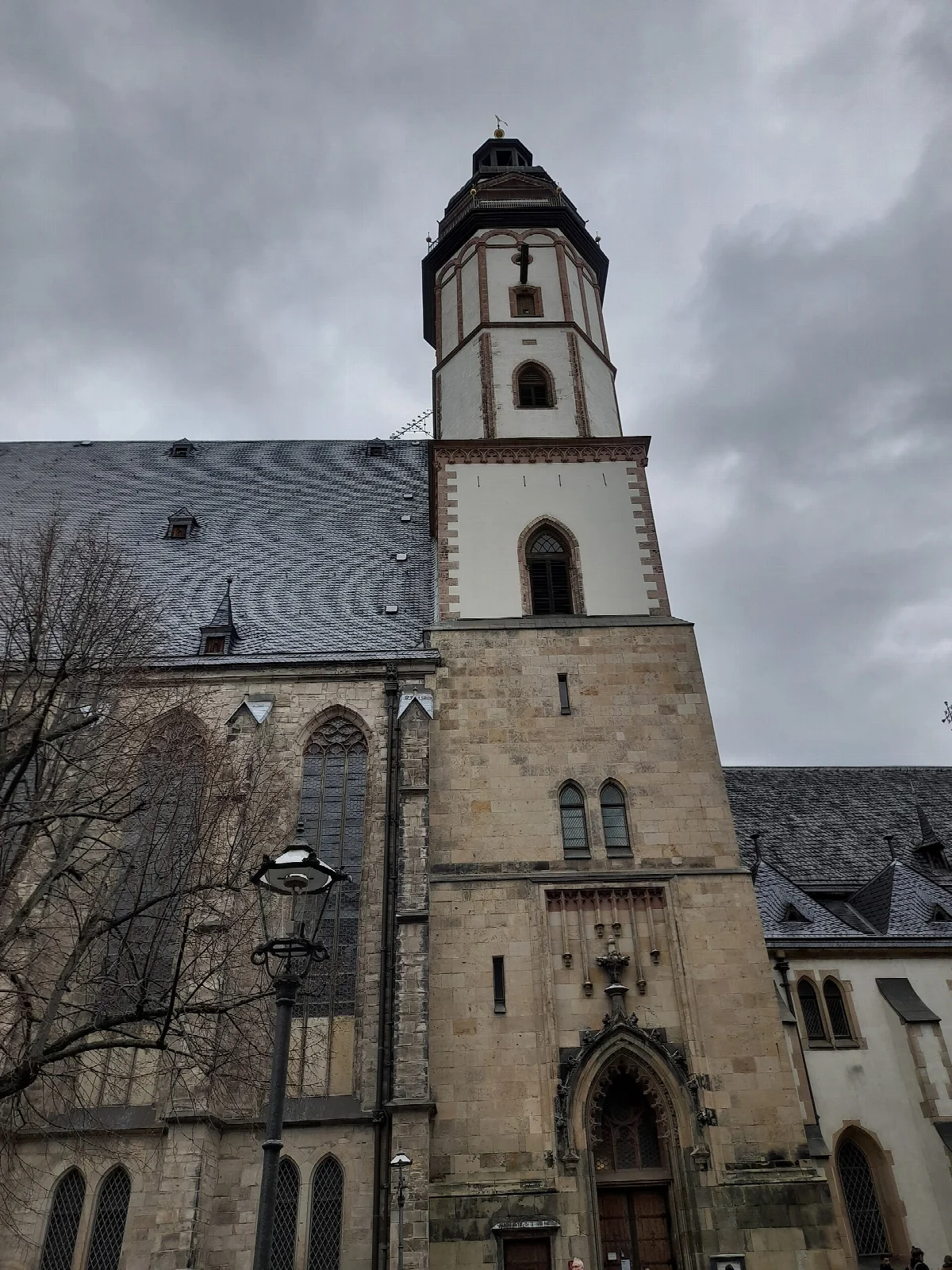

Pair the museum's account of music and research with a walk around the church square. You need not be a classical-music specialist to find this rewarding; learning about a composer's working world can give the surrounding city another layer. If you hope to attend a concert or choral performance, check the programme and admission separately. Visiting a church and attending a scheduled event are different activities. Respect worship and rehearsal, ask about photography rules and leave yourself time to listen or read without feeling obliged to hurry onward.
Nikolaikirche and the memory of 1989
Nikolaikirche and its surroundings encourage you to read Leipzig as more than a collection of attractive buildings. The church is associated with prayers for peace and the memory of the Peaceful Revolution in 1989. Everyday city life and recent history share this space. Rather than passing through immediately after taking a picture, pause and consider how a familiar public place can carry a much larger story of change.


If this history is a major interest, prepare with official city-history and remembrance resources before you visit. With children, use a short explanation appropriate to their age rather than trying to reduce a complex political process to a slogan. Plan any interior visit around the church's current arrangements. Thomaskirche and Nikolaikirche need not be treated as interchangeable church stops: one helps frame the city's musical heritage, while the other opens a route into its recent public memory. Giving each a clear purpose makes a central walk more meaningful without requiring extra distance.
GRASSI: choose the museum that matches your curiosity
The GRASSI complex at Johannisplatz brings together three museums, concerned with applied arts, world cultures and musical instruments. That distinction is useful when planning your day. Choose applied arts if design and the appearance of everyday objects interest you; consider the world-cultures museum if you want to reflect on collections and their contexts; choose instruments if you are curious about how sound is made. A visit does not need to include all three institutions to be worthwhile.
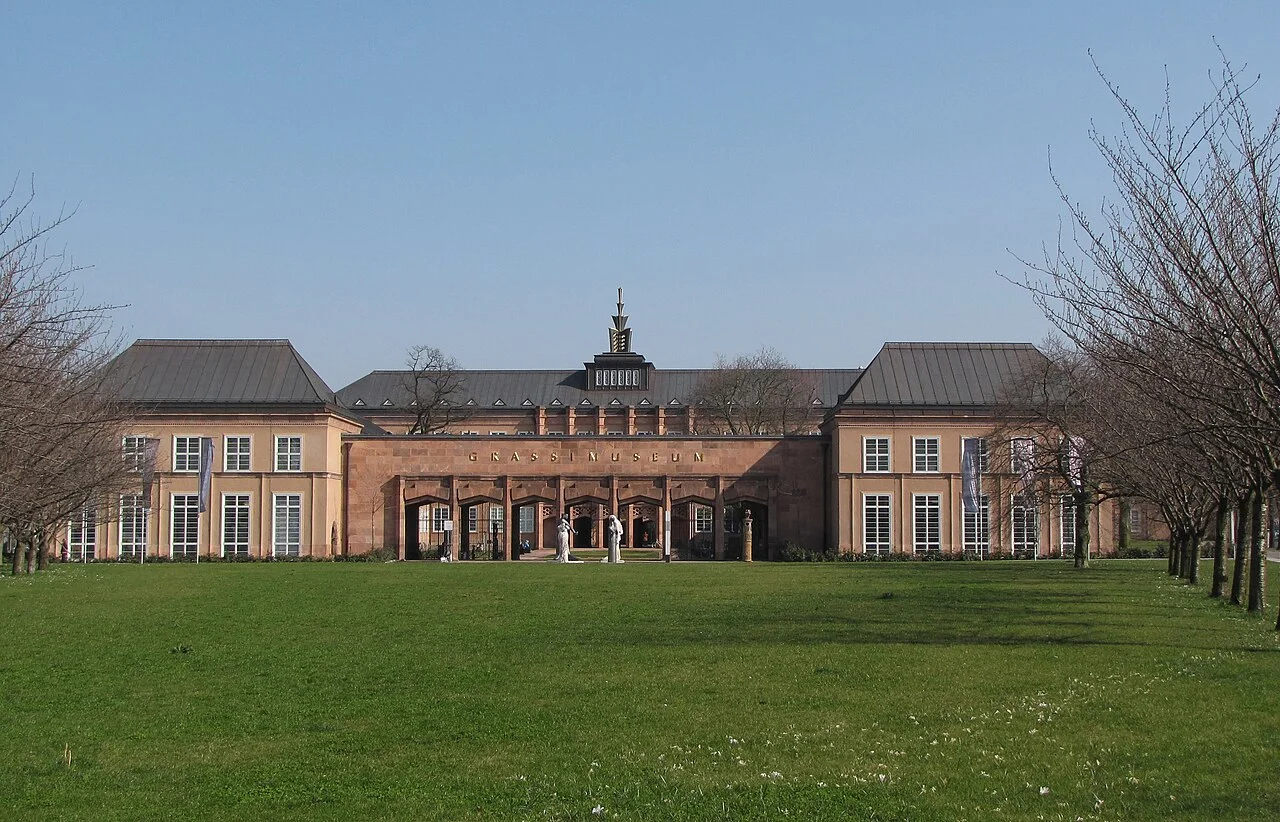

For a rainy afternoon, one museum followed by a short walk may be more enjoyable than rushing through the whole complex. Permanent and temporary exhibitions can have different admission arrangements, so do not assume every part of GRASSI shares one price or is universally free. Check current exhibitions, accessibility and visitor details with the relevant museum. With children, begin with a shared question: the design of a chair, perhaps, or the workings of an instrument. That small focus turns a long row of display cases into a more personal activity. Museum time should support your interests rather than consume the itinerary simply because the buildings are close together.
Völkerschlachtdenkmal: a separate historical outing
The Monument to the Battle of the Nations is a destination southeast of the centre that deserves its own journey and visiting time. It commemorates the Battle of Leipzig in 1813 and was inaugurated in 1913. The monument stands 91 metres high. Do not confuse it with an account of a battle in 1812 or a structure measuring 150 metres: those figures do not describe this landmark. FORUM 1813 offers a related museum visit focused on the battle's history.
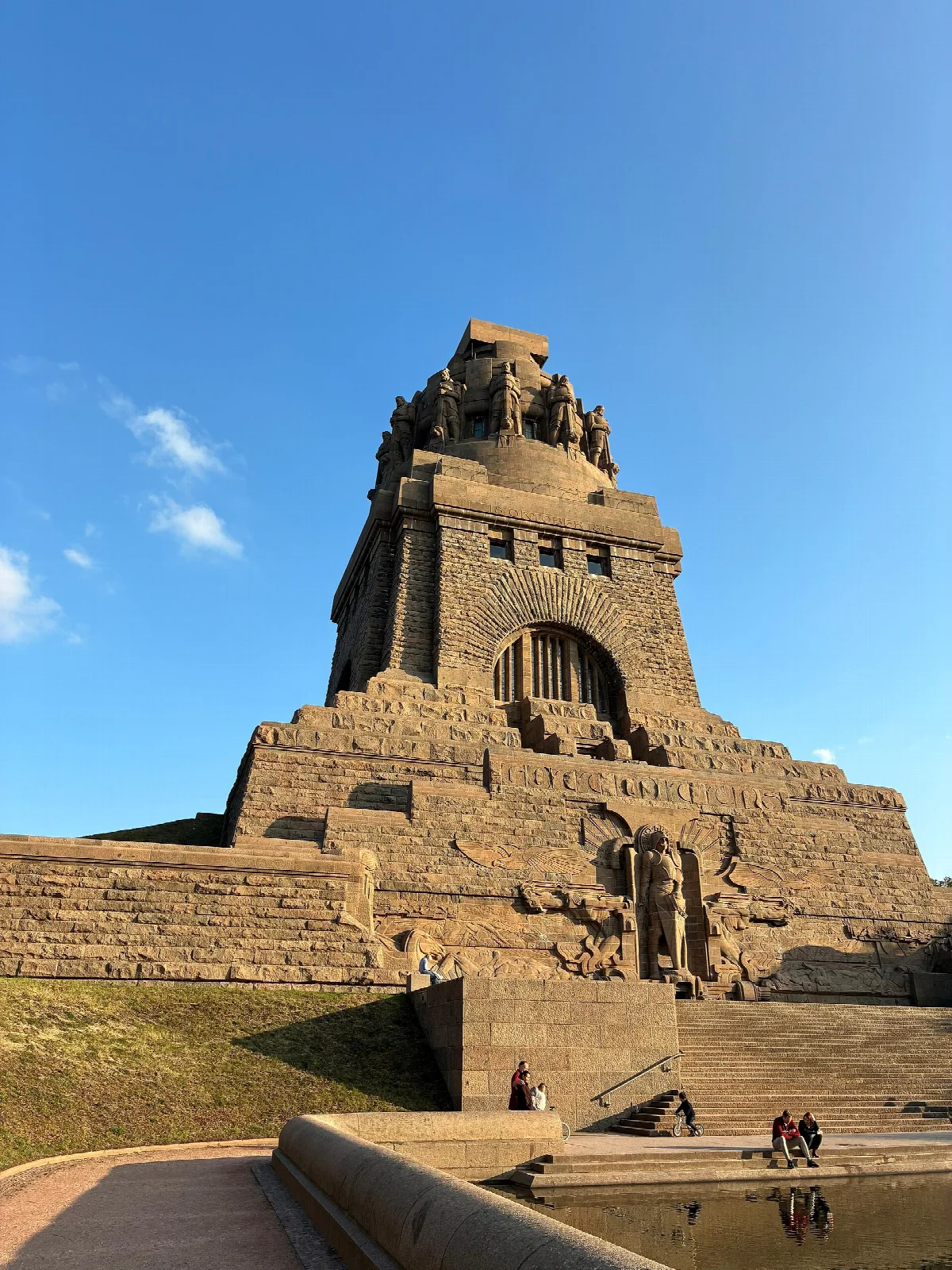

Choose this outing for historical understanding as well as a dramatic exterior. Walking around the grounds, visiting the museum and climbing to a high viewpoint demand different amounts of energy and time. The existence of lifts does not make every part of the route step-free. Check the operator's access information, especially if reaching the highest point matters to you. Completing a climb is not a necessary measure of a successful visit; a shorter exterior walk or a longer museum session can be equally appropriate. When travelling as a group, agree on the level of effort before starting rather than discovering halfway through that people wanted different experiences.
Plagwitz, the Karl Heine Canal and Spinnerei
Travel west to discover a different urban texture from the central arcades. The Plagwitz and Karl-Heine-Straße area can be explored through a neighbourhood walk, a canal-side pause and a café stop. Its appeal is the opportunity to look at everyday life without searching constantly for another monumental attraction. Hiring a boat is not a requirement for enjoying the water. A walk beside the canal can also help you notice the relationship between the neighbourhood's industrial history and its present surroundings.
Spinnerei offers a further option for visitors interested in art spaces within a former cotton-mill site. Arriving in the area does not guarantee that every gallery is open. Check the current visitor arrangements and exhibition programme first, and do not treat Karl-Heine-Straße and Spinnerei as the same address or a single stop separated by only a few steps. Plot the connection, choose one gallery that interests you and consider your return journey. Ask about photography before taking pictures inside. Working studios, galleries and artworks deserve to be approached as active places, not merely as a backdrop for a social-media image.
Clara Zetkin Park and a flexible two-day route
Clara Zetkin Park provides a green pause alongside a cultural visit to the centre. A walk or a quiet seat can be worthwhile without booking an additional activity. After rain, choose footwear with the paths in mind; pay attention to shared routes and people on bicycles. A modest park break after a museum can make the evening feel less tiring. Leave sufficient daylight if seeing the landscape is your priority, and adjust the length of your walk to the weather and your group's energy.
For the first day, combine Markt, Mädler Passage and the surroundings of Thomaskirche with a Bach Museum visit if its schedule fits. Continue to Nikolaikirche later, then choose either a short park walk or a meal in the centre. For the second day, choose one main direction: the monument and FORUM 1813 for history, or Plagwitz, the canal and an appropriately scheduled Spinnerei visit for art and neighbourhood life. Use GRASSI as an alternative museum choice according to the weather and your interests, rather than adding it as a third large commitment. This approach aims to reduce unnecessary crossings between the centre, the southeast and the west while leaving time to enjoy each area.
Transport, where to stay and local food
For Leipzig/Halle Airport, check S-Bahn services and the connection through Leipzig Hauptbahnhof with the official journey planner. LVB's airport guidance identifies S5 and S5X services; enter your actual date and time to check changes, late arrivals and ticket coverage. Do not plan on a direct LVB tram to the airport. Separate short central walks from longer journeys to neighbourhoods or the monument, and use public transport for transfers that would otherwise dominate the day. The right ticket is the one covering your actual route and circumstances, not simply the lowest price displayed without context.
For a first visit, Zentrum or the Hauptbahnhof surroundings can be practical if you want to combine central sights with rail connections. Plagwitz and the Karl-Heine area may suit visitors spending more time with western art spaces and neighbourhood evenings. Neither choice should be advertised as automatically the cheapest or quietest. A room's position, distance from the tram, late check-in arrangements and availability around fair dates can matter more than the district name. Choose accommodation together with your main activity and your route back after dinner, especially if you expect to travel late.
Local food names to look for include the Leipziger Lerche pastry, Leipziger Allerlei and the regional Gose beer. Recipes and accompaniments vary between kitchens; a familiar dish name does not confirm ingredients or suitability for allergies. If you do not drink alcohol, coffee and a pastry still make an enjoyable local pause. The Barfußgässchen surroundings in the centre and Karl-Heine-Straße in the west are useful areas to explore for a meal, with menus and reservations checked directly. A memorable food stop need not be the most expensive table. It should fit your appetite, your needs and the pace of the day.
Frequently asked questions
How long should I spend in Leipzig?
Two days provide a balanced introduction to the centre and one outing based on your interests. Add a third day if you want to explore Bach, GRASSI and contemporary art in depth. With only a day, stay central and choose one museum rather than trying to cover every district.
Is the Bach Museum the house where Bach was born?
No. Bach was born in Eisenach. The Leipzig museum occupies the former home of the Bose family, friends of the Bachs. Pair it with the surroundings of Thomaskirche to explore his connection with Leipzig.
Must I climb to the monument's highest viewpoint?
No. The grounds and museum can be part of a rewarding visit. Check the steps and access arrangements for the upper route separately, then choose an outing that suits your mobility and energy.
Sources and current visitor information
Information checked on 1–2 October 2026. Recheck official admission, works and menu arrangements for your travel date.
- grassi-leipzig.de — en
- grassi-leipzig.de — visit
- bachmuseumleipzig.de — introducing leipzig bach museum
- bachmuseumleipzig.de — johann sebastian bach %E2%94%80 chronology
- bahnhof.de — schedule
- l.de — flughafen leipzig halle
- leipzig.travel — historical sites
- leipzig.travel — industrial heritage in leipzig
- leipzig.travel — clara zetkin park
- leipzig.travel — maedler passage grimmaische strasse neumarkt
- leipzig.travel — national battle memorial
- leipzig.travel — leipzig leipziger spezialitaeten
- spinnerei.de — besuch
- stadtgeschichtliches-museum-leipzig.de — monument of the battle of the nations
The Tatilmerkezi Stork is our brand's storytelling character. This guide combines official sources and editorial route suggestions; it is not a personal travel diary.