

Liverpool takes more than a Beatles photograph or a single football stadium to understand. The buildings beside the Mersey, former dock warehouses, cultural spaces around Lime Street and greener neighbourhoods to the south offer different ways into the same city. The Tatilmerkezi Stork suggests a flexible two-day introduction: one day for the centre and waterfront, another for the cathedral area and a chosen music or park experience. This Liverpool travel guide keeps distant places separate instead of presenting them as neighbouring stops. Accommodation and transport choices should support that rhythm. Pause at the river and absorb the scale of the city before turning the visit into a race through a long attraction list.
Pier Head: the first big view beside the Mersey
Pier Head introduces Liverpool's relationship with the water. The Royal Liver Building, Cunard Building and Port of Liverpool Building form the architectural group known as the Three Graces. Look beyond individual facade details to the space between the buildings, the public square and the river. The view is a whole waterfront composition rather than one isolated landmark. Try different public viewpoints without blocking other visitors, and consider the opposite bank as a possible separate outing rather than something you must add immediately.
If a Mersey ferry trip appeals, check the operator's current departure point, service and return arrangements. Seeing a boat at the river does not establish that every cruise or stop is available that day. A long waterfront pause and a boat journey also require different preparation in windy weather. Follow current signs between Pier Head and Albert Dock; building work and local arrangements can affect the route, so do not assume an uninterrupted riverside passage. The cover photograph dates from June 2011. It shows an architectural setting, not today's traffic, diversions or transport operations.
Royal Albert Dock: warehouses, reflections and museum planning
The red-brick warehouses and reflected water at Royal Albert Dock give Liverpool's port history a distinctive frame. Plan outdoor looking and indoor visits separately. A coffee, a passage through the dock spaces and a substantial museum visit each need different amounts of time. Thinking about walking, photography and meals together lets you enjoy the waterfront without accidentally using the entire day in a single area. Avoid turning every appealing doorway into another scheduled attraction: choosing a few experiences gives the place more room to make an impression.
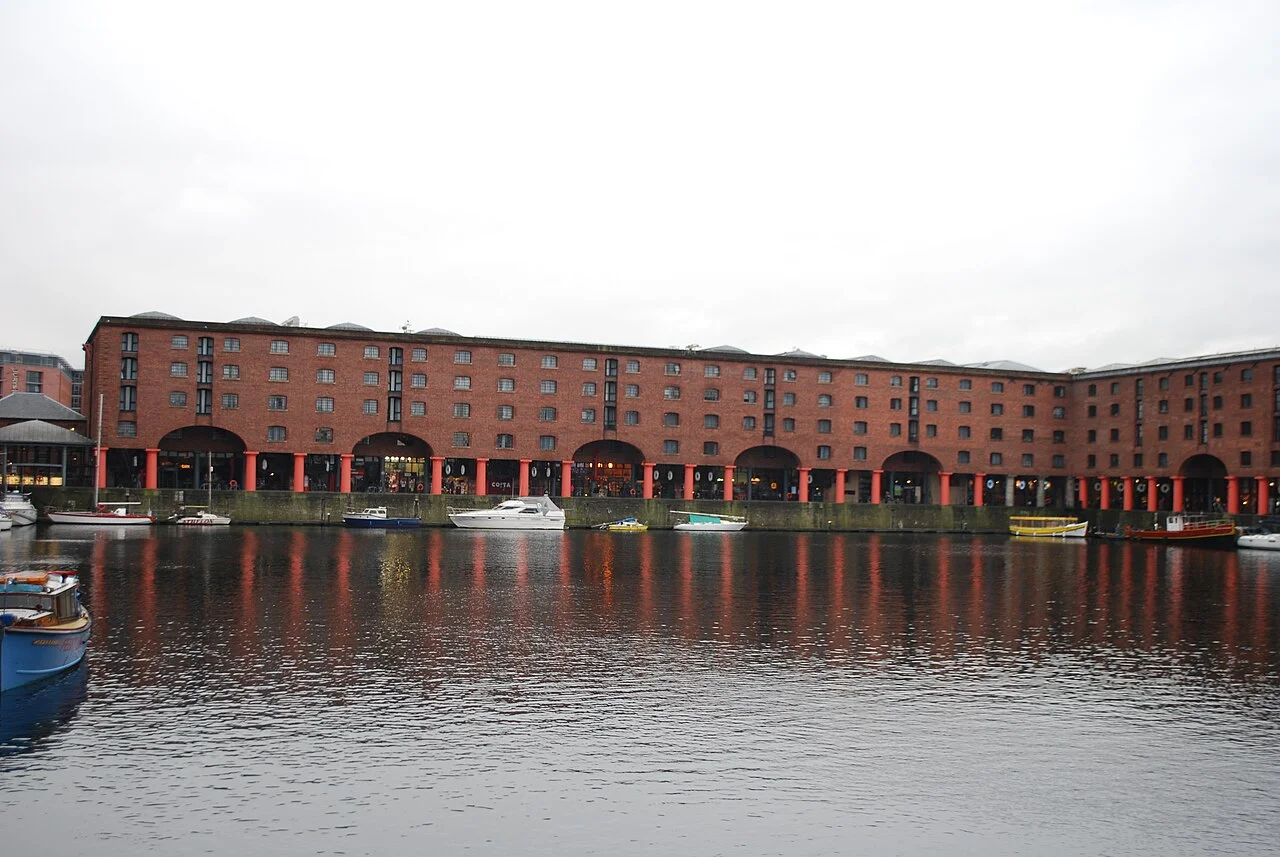

At the source check on 3 October 2026, the Maritime Museum and International Slavery Museum were closed for redevelopment. This guide therefore does not schedule either as an open visitor stop. Consult National Museums Liverpool's current announcements rather than arriving with an old attraction list. If you are interested in a Tate exhibition, verify its current venue separately; a walk around Albert Dock does not automatically include an indoor gallery visit there. Our November 2009 photograph illustrates the warehouse and dock setting. It is not evidence of present-day exhibitions, businesses or access arrangements.
St George's Hall and the cultural area by Lime Street
For a visitor arriving at Lime Street station, St George's Hall makes an impressive first encounter with central Liverpool. Its large columns and neoclassical frontage introduce the city's civic architecture before the route turns towards the water. Looking at the exterior is different from joining a hall tour. The operator's current visitor information explains that this is a working civic and registrar building, without self-guided access to the hall; guided tours take place on selected dates. An open visitor centre or entrance does not mean the whole interior is available for independent exploring.
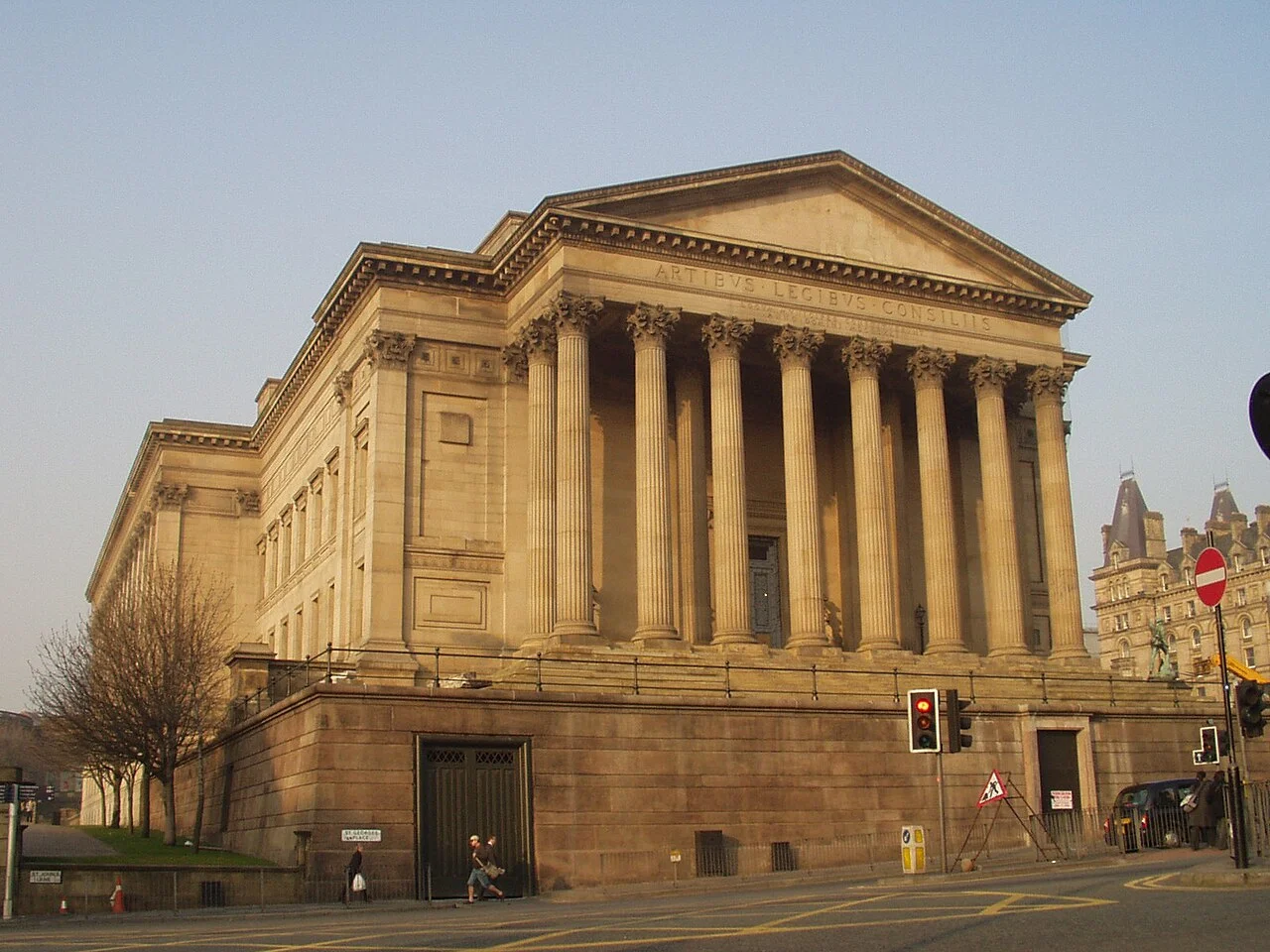


If seeing the Minton floor is a particular ambition, check the relevant dates rather than treating a temporary reveal as a year-round experience. Choose a nearby cultural institution that matches your interests and combine it with this architectural stop. Museums, theatres and events follow different programmes, so a short weekend usually benefits from one meaningful indoor visit instead of a sequence of hurried entries. The March 2007 image shows St George's Hall from outside. It makes no claim about an interior route, event or tour ticket on your travel date.
Liverpool Cathedral and the Georgian Quarter
Liverpool Cathedral changes the architectural scale after the warehouse and waterfront facades. The building pictured in this guide is the Anglican Liverpool Cathedral, not the Metropolitan Cathedral. Check the full name when planning the route so that the two distinct buildings are not confused. Combining the cathedral surroundings with a Georgian Quarter walk gives the second day a different pace. Balance architectural looking with streets, small businesses and a sit-down pause rather than moving through every facade as if it were another photograph to collect.
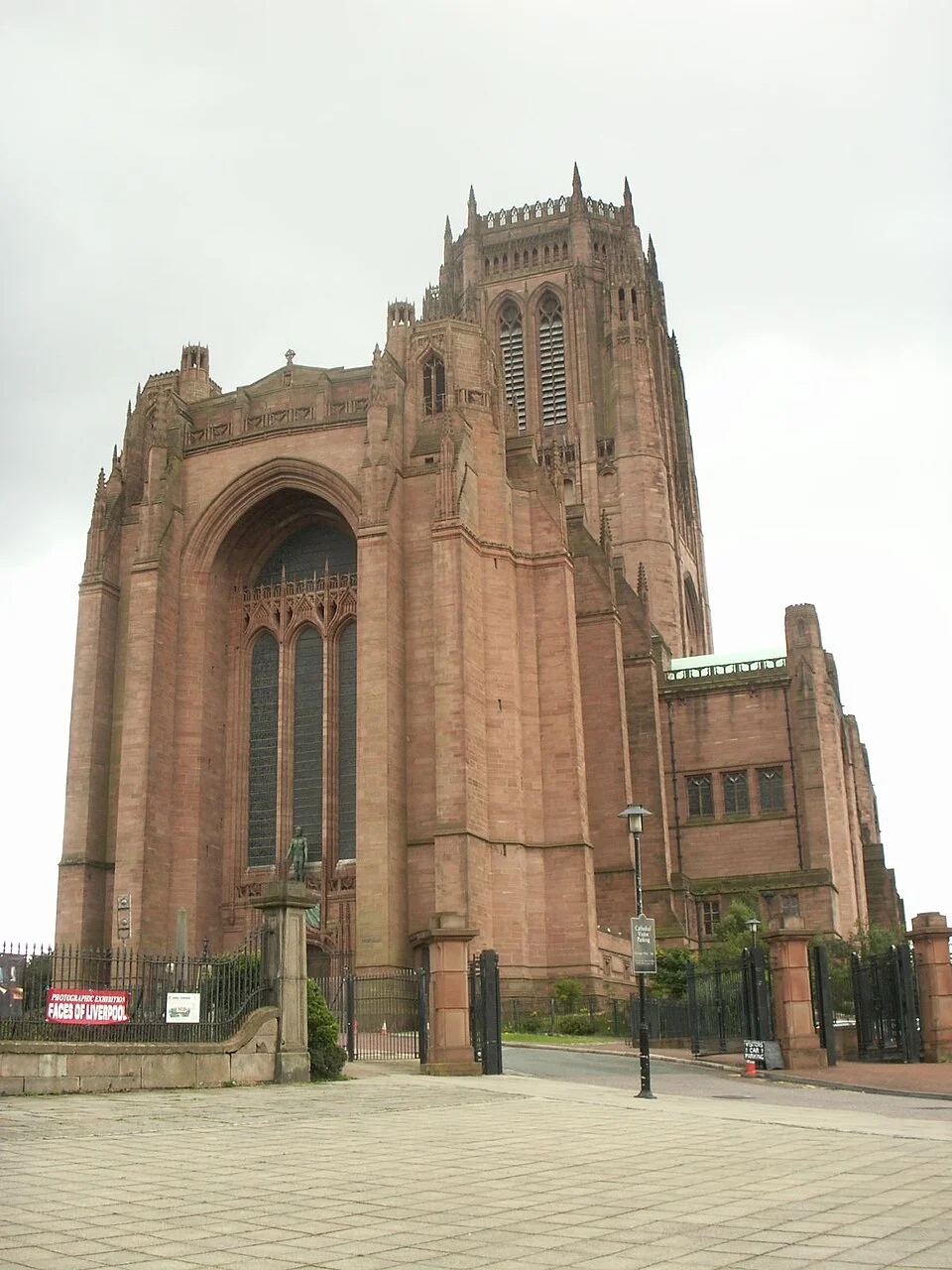

The cathedral is an active place of worship and events. Seeing the interior, attending a concert and taking the tower experience involve different arrangements; the tower should not be assumed to be part of an ordinary visit. Read the cathedral's own information for your date and respect quiet areas and photography rules. The August 2007 photograph shows the historic exterior, not the present event programme. If the next choice is a park outing, check the actual connection on a map. Places on a broader southern route are not all immediately beside the cathedral.
Sefton Park: a different kind of second-day pause
Sefton Park, south of the city centre, offers a greener walking option. Spending time by the lake or on selected park paths can change the pace after a day of large buildings and busy streets. The council describes walking options; adapt a marked circuit to your own energy, mobility and need for breaks. If you combine the cathedral and park in one day, plan the connection and return rather than assuming a brief stroll joins them. Several museums, every music landmark and a park visit do not fit comfortably into the same afternoon.
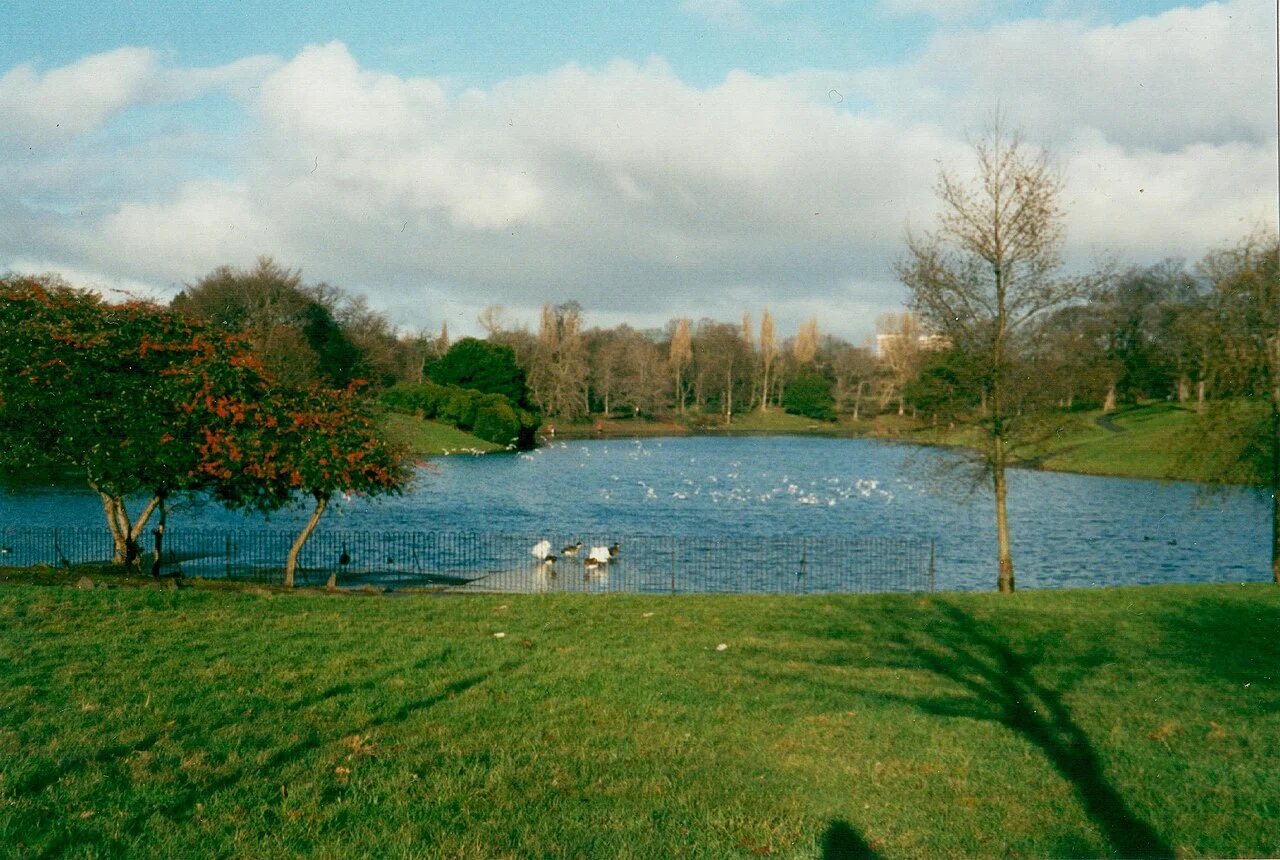

The lake photograph in this guide was taken in December 1999. Its date is stated deliberately: the image is an archive landscape, not a representation of current facilities, events or activities on the water. Follow present-day park signs and suitable paths, adjusting the visit to weather and daylight. If you would rather keep the outdoor outing short, give more time to a selected music experience in the centre. Sefton Park is an alternative that can make a two-day itinerary calmer, not a compulsory box every first-time visitor must tick.
Transport, accommodation and a Liverpool meal
Many central stops can be linked on foot, but do not apply that assumption to Sefton Park, a more distant stadium or a journey across the river. Distinguish the mainline arrival at Lime Street from the city's Merseyrail stations on your map. Use Merseytravel's current planning information for bus and train connections, and check which services a ticket actually covers. If you add a ferry journey or a booked music attraction, place its departure and return in the schedule first, then fit the more flexible walking stops around it.
For a first visit, staying near the centre or waterfront can simplify the route. If the Baltic Triangle's creative venues and evening activity appeal, look at the exact street, potential noise and the return journey to your accommodation. At a meal, scouse introduces a local stew tradition involving meat, potatoes and vegetables; recipes vary, and a meat-free version still needs an ingredient check if you have dietary requirements. Read a venue's current menu rather than relying on old restaurant lists. Day one can combine St George's Hall surroundings, Pier Head and Albert Dock. Day two can focus on the cathedral and your chosen park or music outing. If football or Beatles history deserves a longer experience, remove another stop to make room. The Stork's suggestion is to meet Liverpool through the streets and pauses you choose, rather than only through its most familiar slogans.