
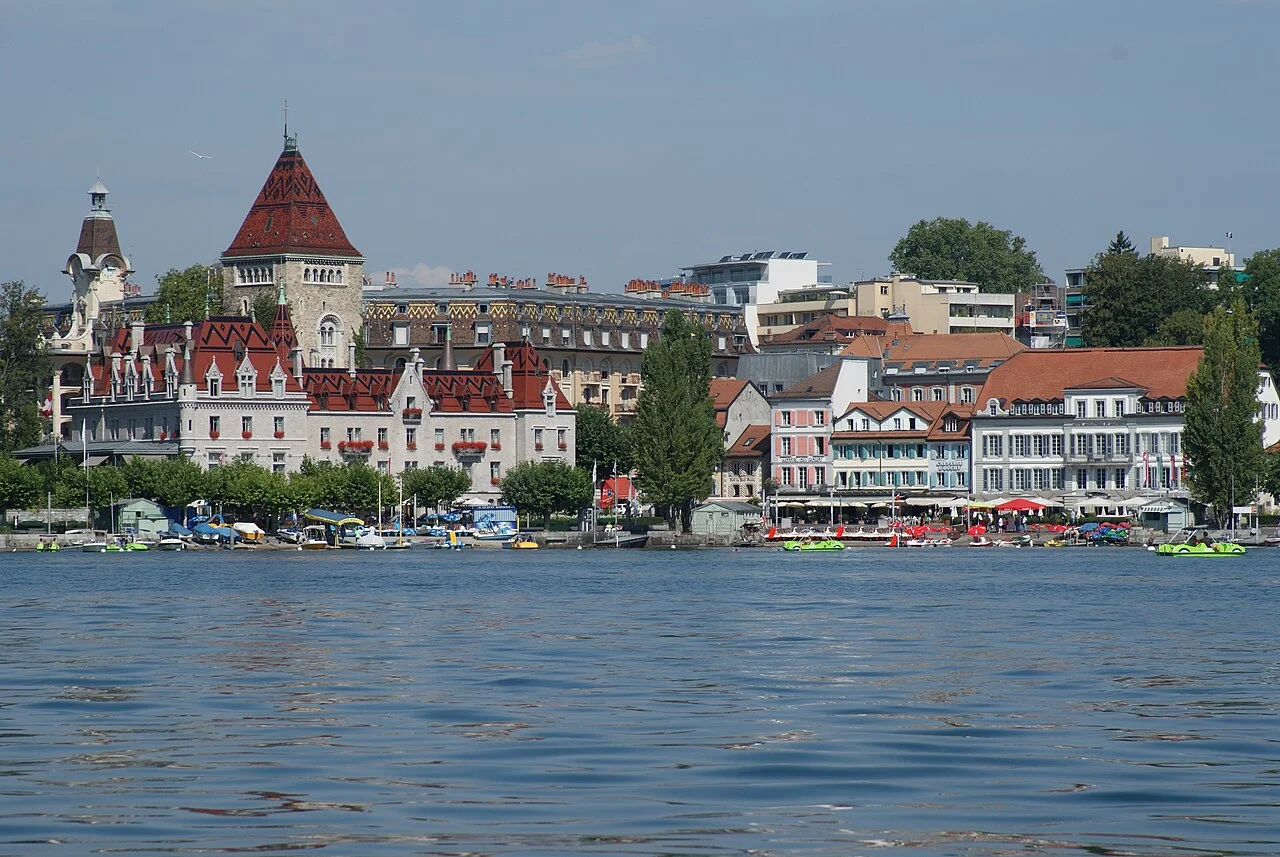
Following only fondue photographs in Lausanne would leave other interesting pages of Vaud cooking unexplored. Papet brings leeks and potatoes into a warm dish, fish menus raise questions beside the lake, and a market break adds another rhythm in the upper town. The Tatilmerkezi Stork invites you to choose one main flavour and build relaxed smaller pauses around it, rather than attempt every regional dish during the same day.
This food guide is neither a restaurant rating nor a personal tasting diary. Official Lausanne Tourism sources were reviewed on 3 October 2026; check current menus and service times for your travel date. Papet and fish photographs are food examples without a verified connection to a particular Lausanne restaurant. The fondue scene was captured in Geneva in 2007. Archive city views do not prove today's businesses either, and those distinctions are retained in the captions.
Papet vaudois: a warm introduction to Vaud cooking
The official Lausanne introduction describes papet vaudois as a regional combination of leeks, potatoes and sausages. When the name appears on a menu, establish how the kitchen serves it and what it contains. Sausage type and preparation can vary, so ask according to your dietary preferences. Vegetables in a dish's name do not automatically make the complete meal vegetarian. A curious traveller can begin by understanding the actual serving rather than assuming that every restaurant follows an identical version of the recipe.
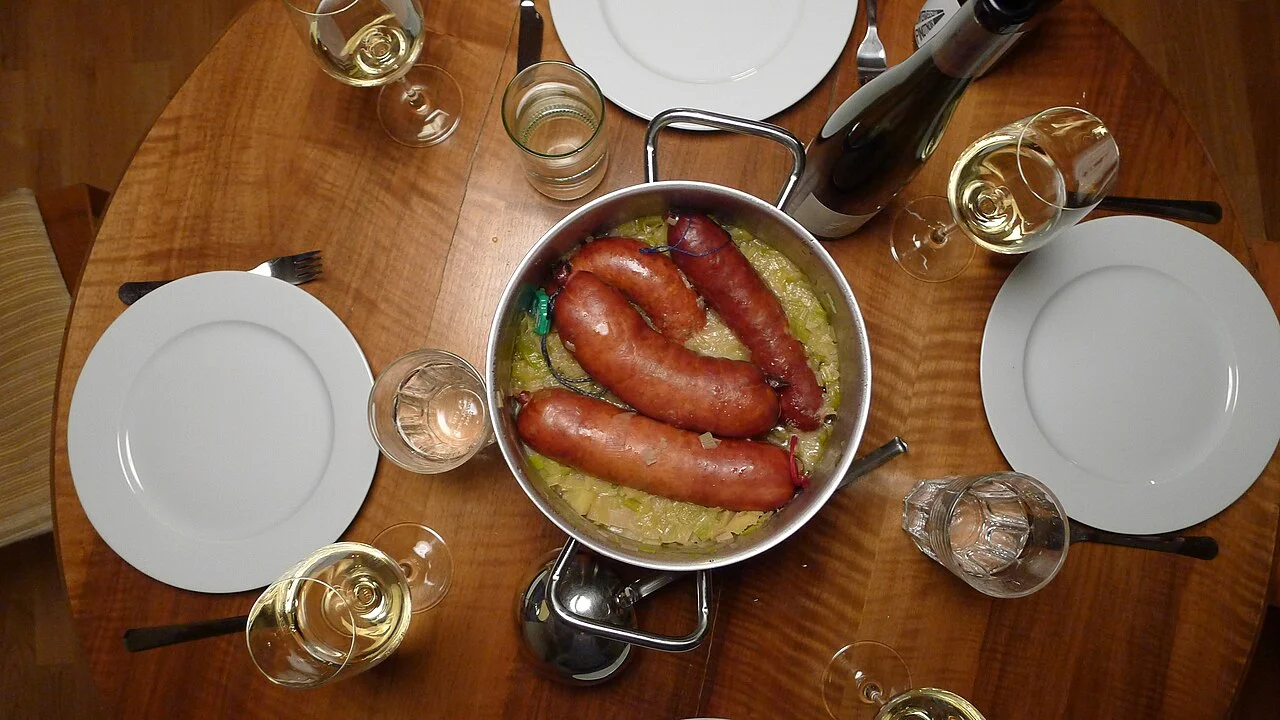

The photograph shows papet and sausages captured in October 2013; it is not presented as the product of a particular Lausanne business. If this substantial dish becomes your main lunch, dinner need not have the same weight. Read which accompaniments are included and order extras for the table according to appetite. A seated meal before or after a manageable urban walk can be more comfortable than hurriedly searching for food while moving between the upper town and the waterfront.
Filets de perche: ask about the fish and its origin separately
Lausanne's connection with the lake extends to culinary curiosity. The official tourism source introduces perch fillets from Lake Geneva among regional options. Nevertheless, the words filets de perche on a menu do not by themselves prove that the fish you order came from that lake. Ask about current supply if provenance matters to you. Check preparation, sauce and accompaniments too: the same dish name can lead to different servings, and a broad destination description cannot guarantee the origin of every restaurant purchase.
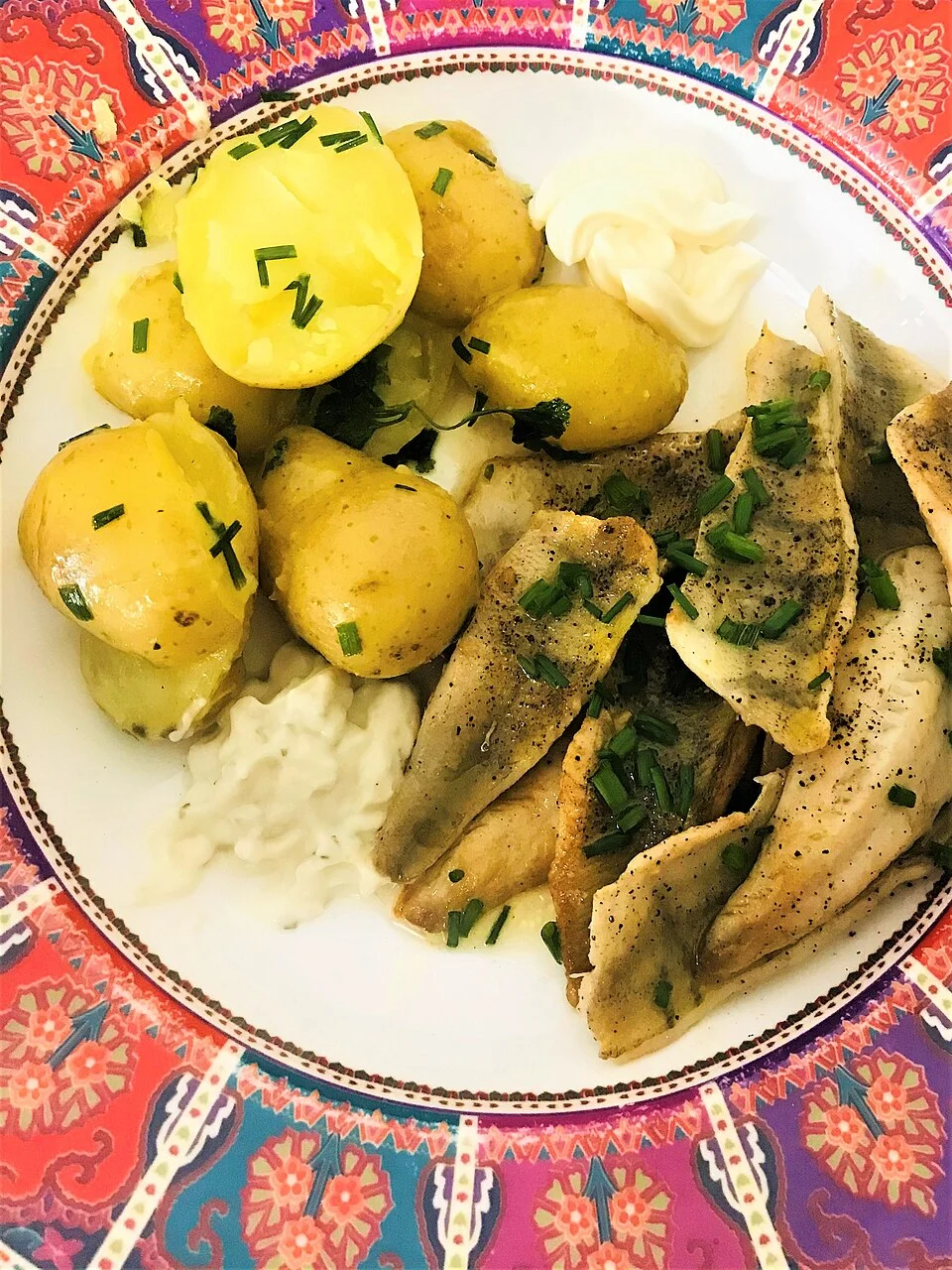

The November 2020 photograph is an example of a perch dish captured in Switzerland. It does not identify a Lausanne restaurant or guarantee fish caught in Lake Geneva. Explain sensitivities concerning fish or other ingredients clearly. If you choose a waterfront table, consider service time, wind and group needs as well as the view. A boat connection is a reason to plan enough room for the meal, not to order a lengthy course moments before departure. A slow lunch beside the water is one choice rather than a requirement for experiencing the city.
Fondue: make time for one shared meal
Fondue has a strong place in Lausanne's food life without being exclusive to the city or confined to one recipe. The official source describes moitié-moitié as a combination of Gruyère and Vacherin Fribourgeois, alongside other variations. Ask what the current menu actually uses, including alcohol and other ingredients. State your own requirements directly instead of assuming suitability. Time for the warm cheese dish matters, as does whether everyone at the table wants the same kind of meal or would prefer another option.
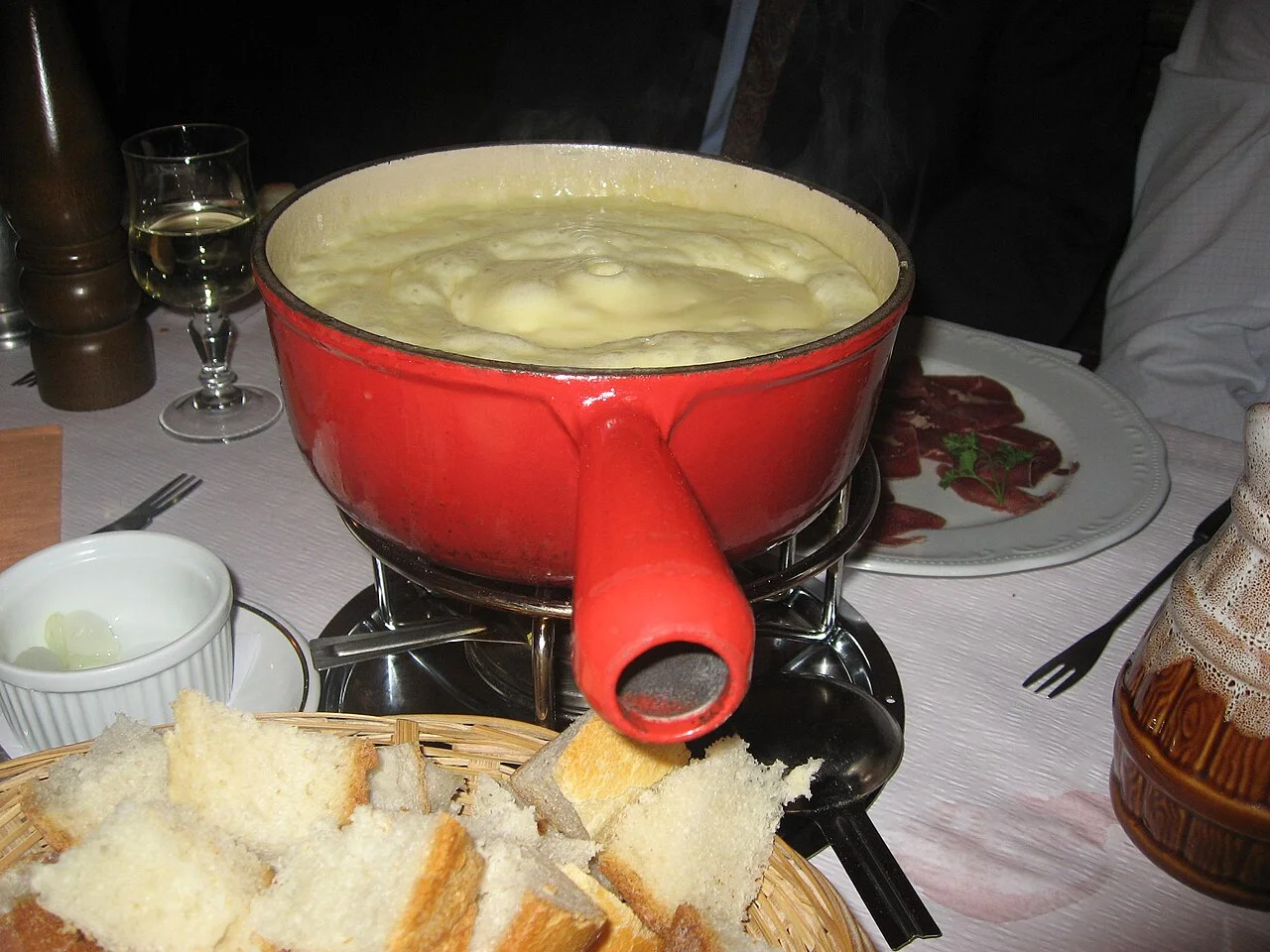

The photograph is a fondue example taken at Restaurant des Antiquaires in Geneva in October 2007, not an image labelled as a Lausanne establishment. Before ordering, clarify the number of people a serving is intended for and which accompaniments are included. Account for drinks and additional items. Papet at lunch followed by fondue at dinner may be too substantial for some visitors, so a lighter choice or a different day can work better. The Stork reminds you that a table shared with ease may become a more pleasant memory than the number of dishes finished.
Markets and small purchases: learning beyond a menu
Official tourism information connects Lausanne's pedestrian market with Wednesday and Saturday mornings. Check the current arrangements for your travel date before adding it to an upper-town morning. A market does not imply free tastings at every stall or identical produce in every season. Look at what is available first, then choose a small purchase. Asking the seller about a product's name, storage and use can provide a more meaningful introduction than simply taking a picture and moving to the next display.
Consider the remainder of the route before buying food to carry. Temperature, containers and luggage conditions matter for some products, and hotel storage may need checking. Leave shoppers and sellers space when photographing a stall, and ask permission where appropriate. A market morning can become a small exploration rather than replacing the whole day's main meal. A crowd of visitors and a seller's working rhythm are different considerations. Interest in local produce need not end with a large bag bought hastily while trying to reach the next stop.
Plan meals between Flon, the upper town and Ouchy
A morning cafe or market visit in the upper town, a selected Vaud dish for lunch and a different evening table by the lake or in the centre can form a balanced starting point. Research Flon's food and urban-life options through current menus. Do not infer the survival of a business from buildings or signs visible in a 2009 photograph. When you explore one neighbourhood and eat in another, include gradient and transport in the time allowance rather than treating the map distance as the entire journey.
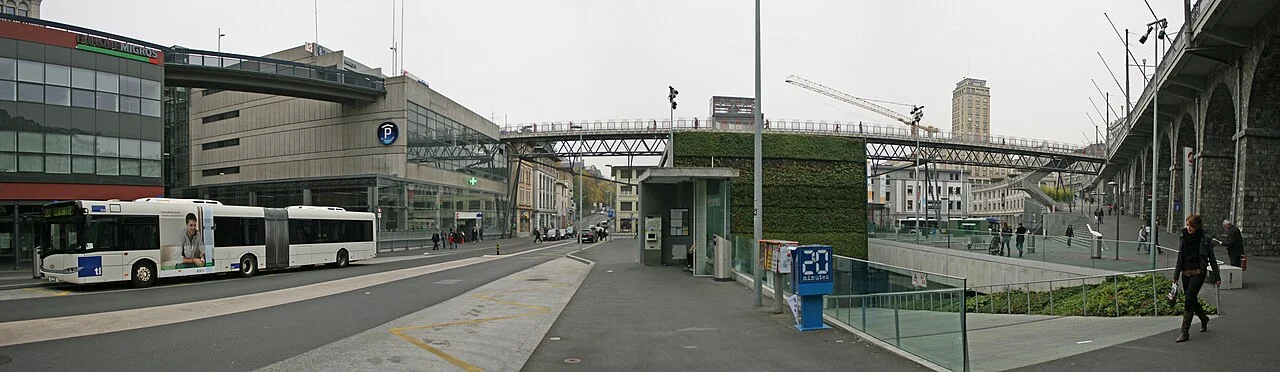

Descending to Ouchy provides a different lakeside setting, but an attractive waterfront photograph cannot establish that every terrace is open or inexpensive. If you do not want dinner to end with an uphill walk to accommodation, select a metro or bus connection beforehand. During a short city stay, one main reservation and a flexible second choice may be easier than two distant bookings on the same day. The separate Lausanne travel guide handles attraction planning, allowing this article to concentrate on the decisions around meals.
Drinks, sweets and practical accommodation choices
Visitors interested in Vaud wines can consider a small tasting through a current menu or producer programme; drinking alcohol is optional. Ask about alcohol-free choices and serving size as well. If Lavaux interests you, plan transport and the return independently instead of treating a vineyard outing as a minor addition to lunch in the city centre. For chocolate or another sweet stop, ask about keeping and carrying conditions. Choose an item that interests you rather than attaching a large dessert to every coffee break.
When choosing accommodation, the morning train and evening meal return are both useful considerations. Nearness to the station, upper town or Ouchy offers different conveniences; account for sloping walks with luggage. Instead of invented prices, organise the budget into the main meal, smaller breaks and purchases. Confirm party size, late arrival and cancellation terms when reserving. Do not derive dietary suitability from a menu label alone; ask about the recipe and preparation. A satisfying Lausanne food day can be a calm meeting between a few regional flavours and the city's rhythm, rather than bringing the whole of Swiss cuisine to one table.