
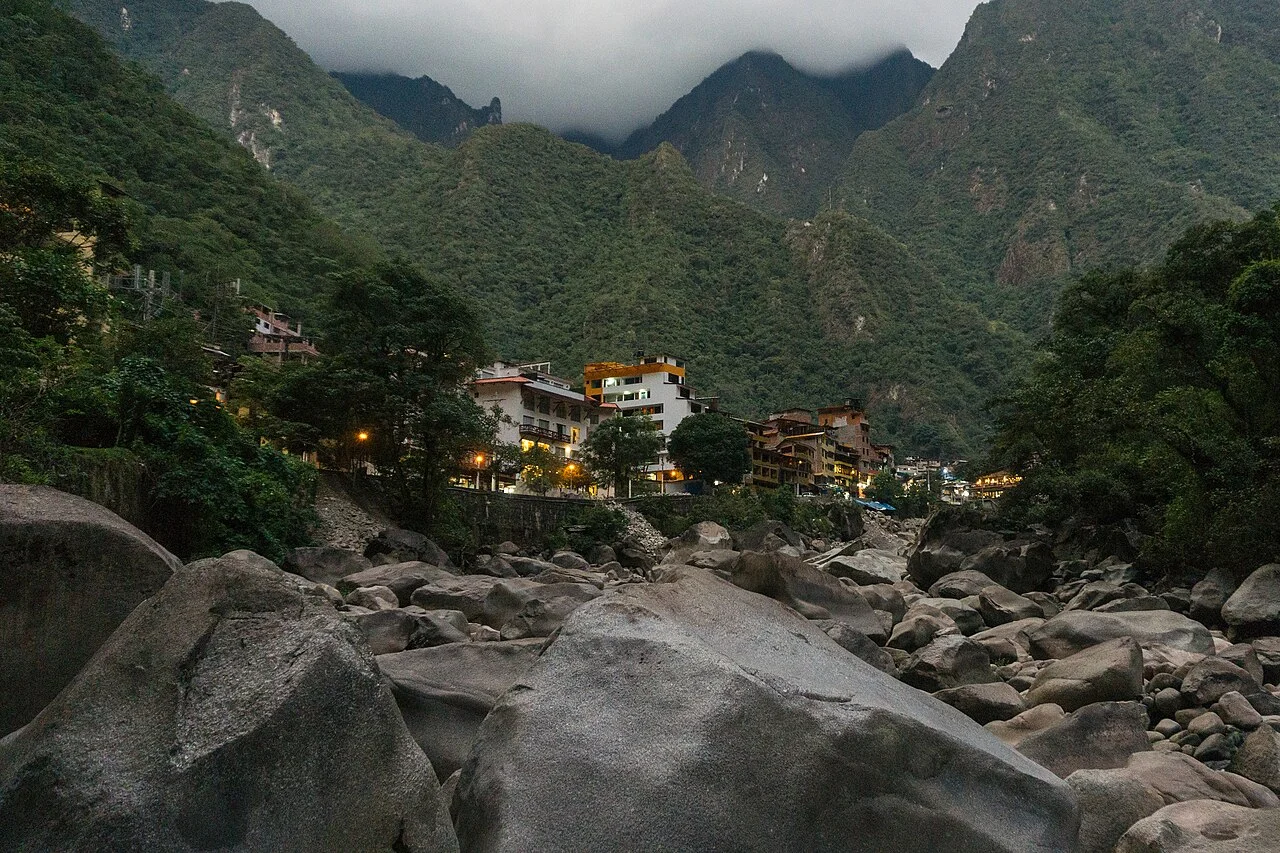
Food planning for Machu Picchu does not begin with searching for restaurants among the ancient stones. The main setting for meals is Machu Picchu Pueblo, also known as Aguas Calientes, below the archaeological site. A train brings you to the town; visiting the citadel is a separate stage afterwards. The Tatilmerkezi Stork suggests keeping those places distinct and arranging breakfast, lunch and dinner in the right part of the journey. A good meal can become a small introduction to Andean food rather than an interval hurriedly squeezed before the ruins. Start researching regional products such as choclo, humita and potato dishes. Your first objective need not be ordering every local name. Choose a few meals you can appreciate within the practical framework of your train, accommodation and admission arrangements.
Visit morning: arrange breakfast around your ticket time
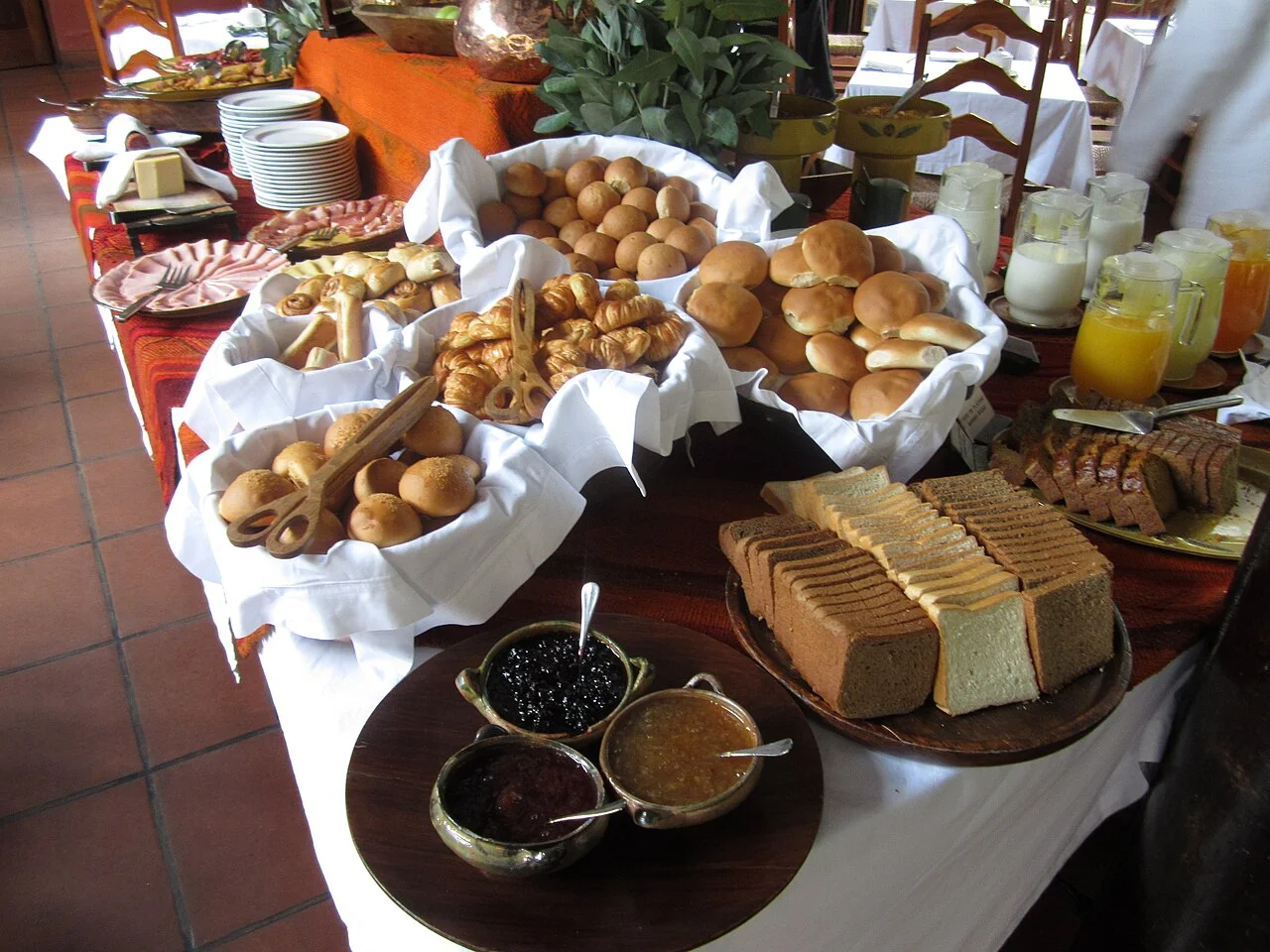
On an early visiting day, decide where breakfast will happen the evening before. If the beginning of your accommodation's breakfast service does not suit your intended departure, choose another arrangement. Travellers arriving late and leaving early can unnecessarily compress the morning by postponing the search for a café until they wake up. A familiar, suitable portion is a more relaxed first meal than beginning a lengthy tasting session. Our photograph shows a real buffet recorded at Inkaterra Machu Picchu Pueblo Hotel in 2012; it is not a current product list. The hotel's present dining page describes breakfast and other meal services separately. Arriving in the town a day earlier creates an opportunity to learn the next morning's arrangements in person. That preparation lets you focus on the next stage of the journey instead of looking for an address while watching the clock. Give breakfast a clear place in the schedule rather than treating it as something that will somehow fit between other commitments.

Choclo, humita and potato: a small introduction to Andean food
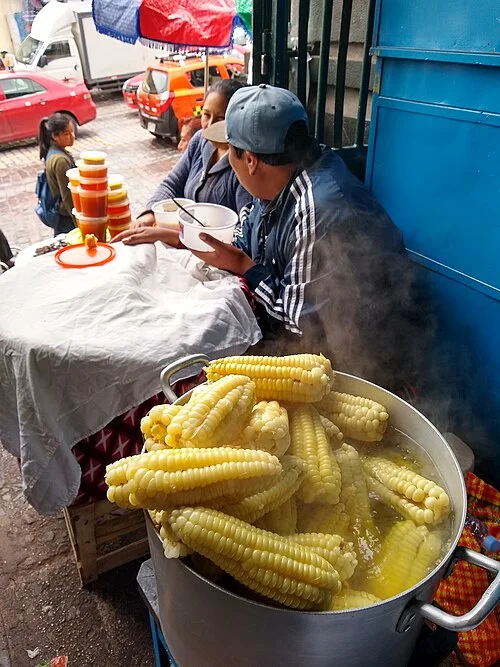
Peruvian Andean cooking brings corn, potatoes, cheese and grains together in many forms. Choclo con queso pairs corn and cheese; humita is another corn-based option; papa a la huancaína provides a potato dish to recognise while researching menus. These are regional names to explore rather than a guaranteed list at every restaurant in town. For a first lunch, two travellers might find an appropriate small starter and main dish to share, leaving room for another discovery the following day. The choclo photograph here was taken at Cusco's San Pedro market. It illustrates a regional ingredient and is not presented as an Aguas Calientes stall. Recognising the same ingredient name on a menu later in the journey can connect the food experience from Cusco to the town. Comparing different preparations of one product may teach you more than completing a long checklist of dishes. Notice texture and accompaniments as well as the main ingredient when deciding what to try next.

A riverside lunch pause and an evening table
The town's river-and-mountain setting helps shape the atmosphere of a lunch stop. Consider both the view and the time you can allow for service: one dish may suit a brief pause, whereas a quieter evening can accommodate a meal beginning with a starter. Café Inkaterra describes its restaurant as bringing Peruvian cooking together with views of the Vilcanota. It is one business from which to begin research, rather than a compulsory address for every traveller. A suitable choice is one that works with your accommodation and the time available in your day. Treat the river view as the meal's surroundings; descending to an arbitrary section of riverbank does not need to become part of a food route. Choosing another establishment in the same general area at dinner can introduce a different preparation, rather than repeating the lunchtime main dish. This creates a small comparison without requiring an ambitious itinerary across the whole town between each course.

Soup, grains and a hot drink for a quieter meal
The Andean tradition of soups and grains offers another way to read a menu when you do not want a large meat dish. A soup can be a small beginning or the centre of a meal. Quinoa is a recognisable regional food product, although its preparation and availability vary by establishment. A sweet or hot-drink pause can also become a separate chapter following a short walk, instead of an obligatory extension immediately after lunch. Inkaterra's current main dining page describes its own organic black tea and afternoon tea arrangements; the business determines for whom and under which conditions those services are offered. Sitting with a hot drink and recording the day's chosen ingredient can create a little space for reflection within a busy tour. The Stork enjoys those moments when you give attention to the table you have reached instead of immediately chasing another address. One carefully chosen meal and a quiet pause can be more satisfying than filling every available hour with another order.
Train day: do not squeeze a meal into a narrow departure window
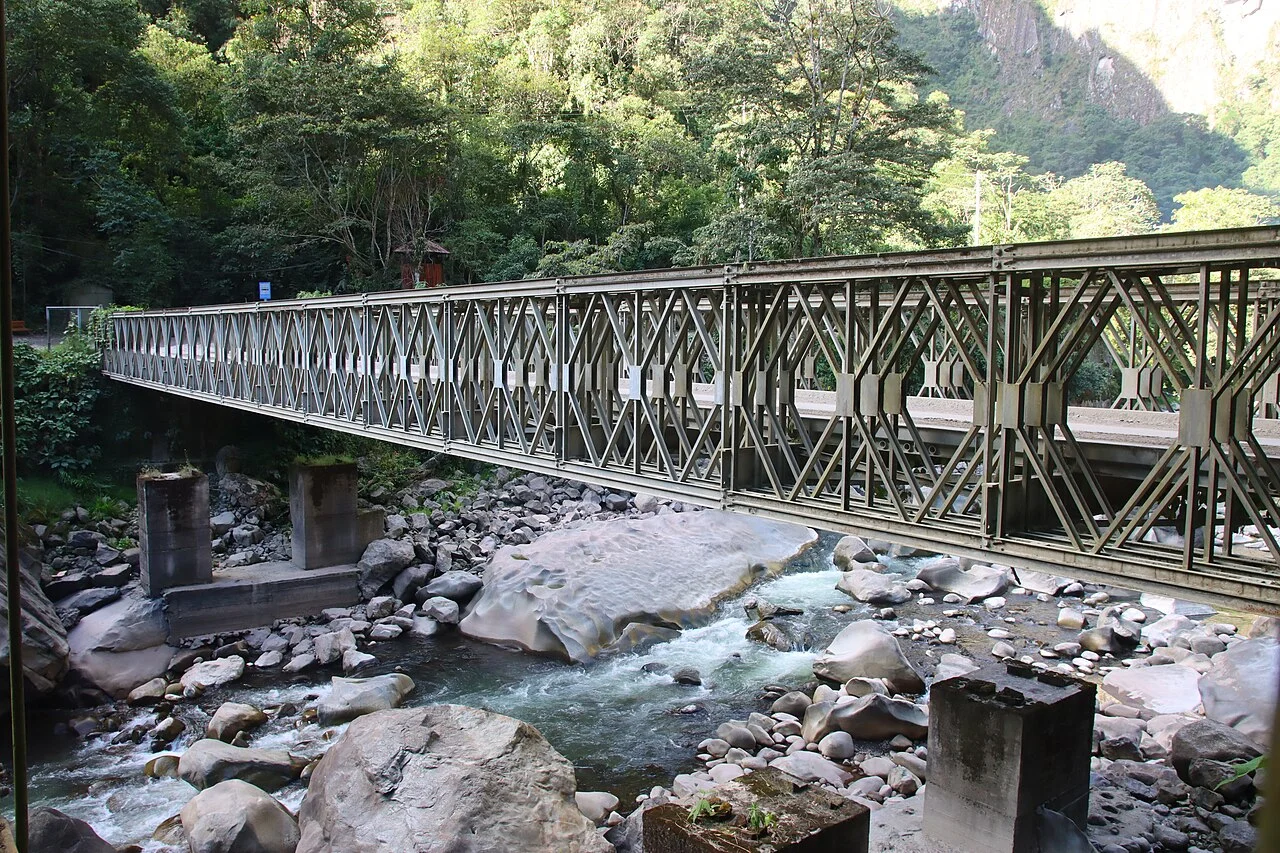
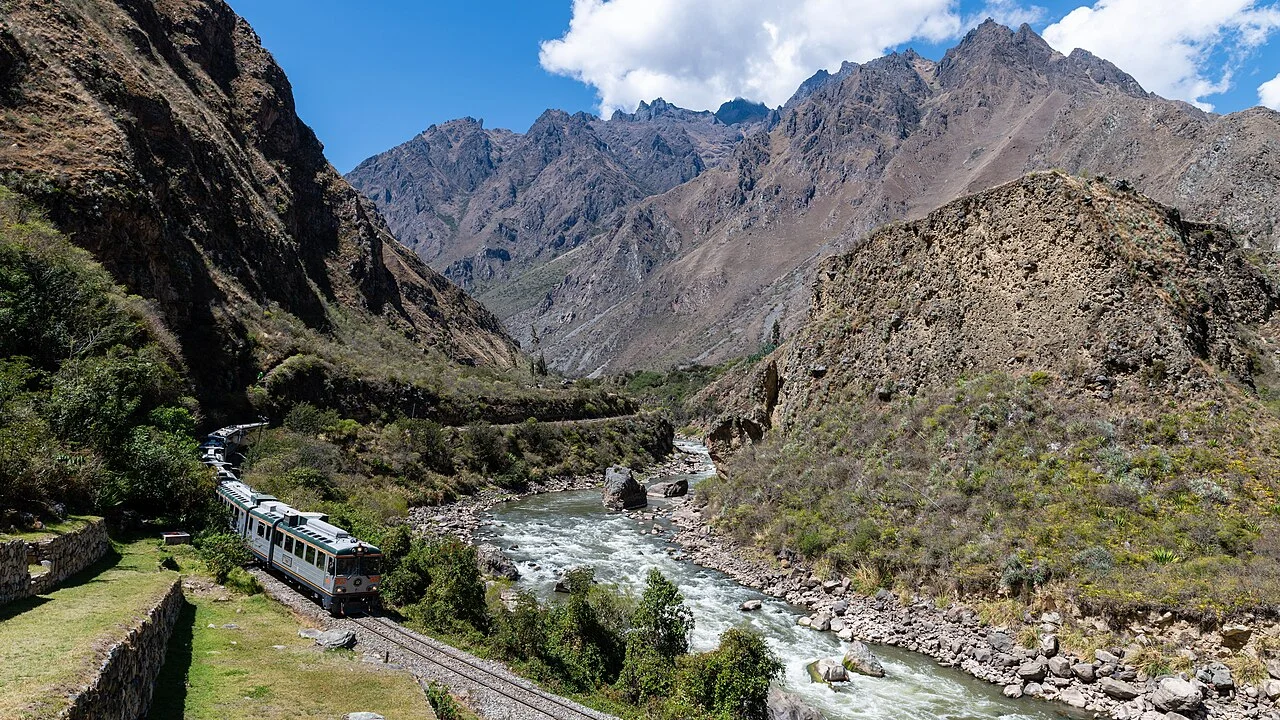
PeruRail's passenger information explicitly distinguishes the arrival at Machu Picchu Pueblo station from the archaeological citadel. That distinction is fundamental to a food plan. After arriving in town, organise your luggage and accommodation address; place the first long meal after settling in, rather than between a chain of transfers. For the return, work backwards from the train's departure and allow separate time for leaving the restaurant, collecting belongings and reaching the station. An appealing new dish can complicate the final stage of the journey if ordered too close to departure. The train photograph here was recorded in 2022 from the Inca Trail surroundings. It illustrates transport and does not recommend using the railway as a walking shortcut. Visitors returning on the same day can narrow their food research in advance to avoid having to choose between three competing plans once they are in town. The final meal should conclude the visit comfortably instead of turning into a contest with the timetable.

An overnight food plan and accommodation choices
Our suggested first day begins with settling into town, choosing a short lunch and allowing a quieter dinner focused on Andean products. On the next day, arrange breakfast around your admission time, eat in town after the archaeological visit if enough time remains, and then move to the train stage. When the interval is short, remove a large tasting menu; a small discovery and one planned main meal are more realistic. Assess rooms near the station, river or higher parts of town alongside the route you will walk with luggage and any steps involved. Photographs alone cannot describe that practical journey. If you want to return to a favourite food stop, think about its relationship to your accommodation too. Machu Picchu's food memories do not need to depend on one supposedly legendary restaurant. The texture of corn, a little tea pause and a calm evening in a mountain-framed town can add their own small story to the larger journey.