
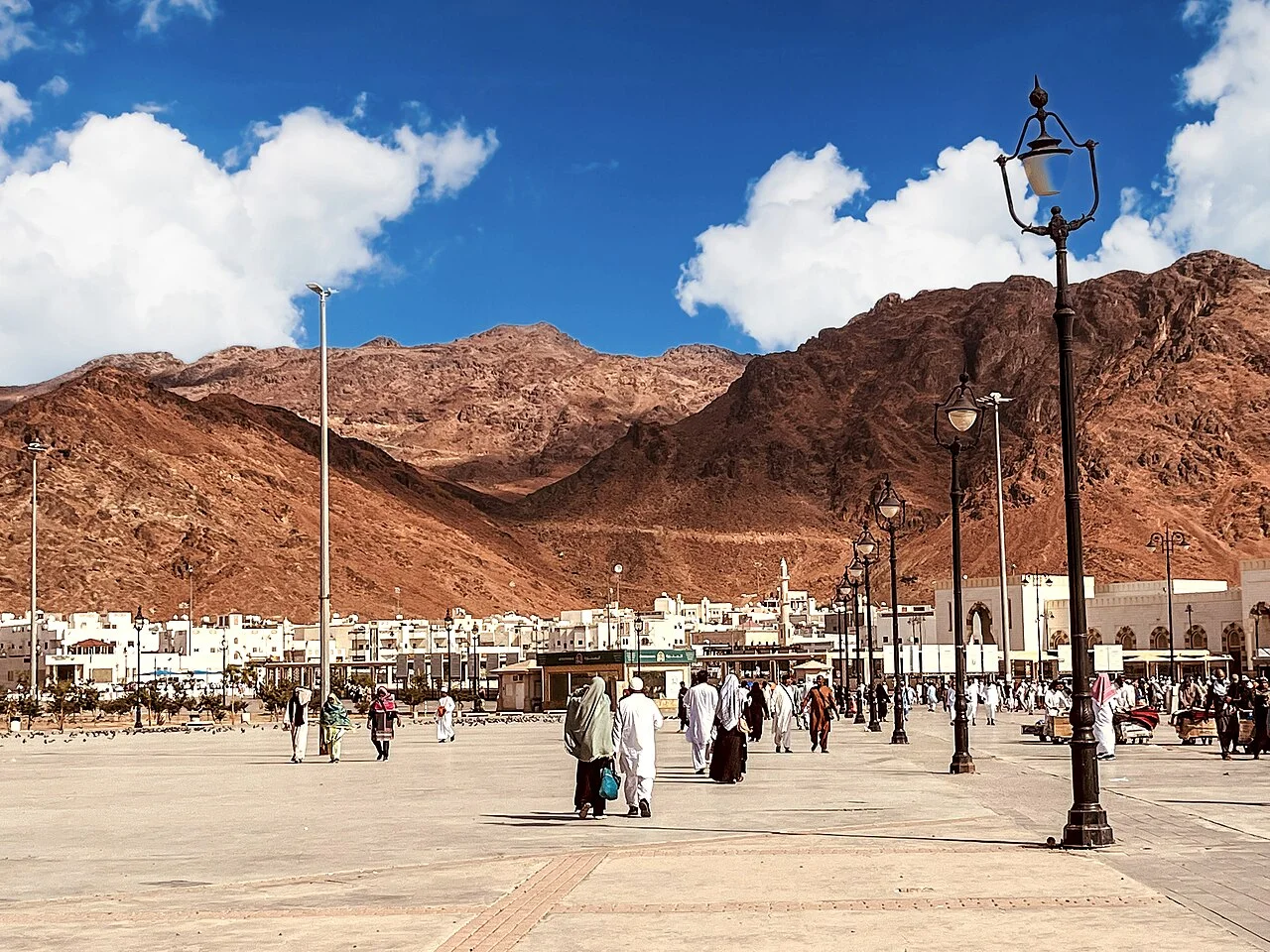
A visit to Madinah takes shape around worship and the everyday rhythm of the city. Tatilmerkezi Stork suggests leaving unhurried room for Uhud, the Quba area and Hejaz railway heritage alongside your visit to the Prophet's Mosque. These places do not form one continuous walking route: heat, prayer times, entry conditions and actual transport links determine the sequence. When travelling for worship, give that purpose the centre of the programme and arrange historical exploration in comfortable intervals. Access distinctions matter for visitors of different faiths. Official eVisa terms state that non-Muslims may not enter the Prophet's Mosque and its premises. Being in the city should not be treated as permission to enter every religious area; confirm a permitted route before setting out.
Arranging the day around the Prophet's Mosque
The Prophet's Mosque has a defining place in Madinah's visitor rhythm. For Muslim visitors, a comfortable relationship between worship, rest and meals may be more meaningful than including every nearby attraction in one day. Choose a hotel using more than its apparent proximity on a map: the actual entrance, pedestrian route and the mobility of travelling companions also matter. Allow the first day to introduce the surroundings, establish a meeting point and save the return route. A clear meeting arrangement is useful when people become separated at a busy time.

For visits or sections requiring an appointment, follow current official Nusuk guidance. A visa or hotel reservation does not replace all individual visiting permissions. Do not make photography the central objective within a worship space; local rules and people's privacy form part of a respectful visit. Arrange the programme outside with the same considerate pace, leaving gaps for water, rest and lunch. Stork does not measure a good first day by the number of stops. An evening that ends with a comfortable return to your hotel and a day suited to the purpose of the journey can provide a much stronger beginning. Keep the chosen return address available offline as well as on your phone's live map.
Landscape and history at Uhud
Uhud connects the mountain setting around Madinah with historical remembrance. The official Hajj and Umrah guide associates it with the Battle of Uhud and the memory of its martyrs. Mark the actual arrival point before travelling; entering the mountain's name alone does not identify where your vehicle will stop. When looking at the broad silhouette, select a historical theme that interests you rather than try to absorb an entire history in one pause. Quiet observation and attention to information panels can leave a longer impression than a hurried photograph. Groups should agree clearly where to meet the vehicle again.
Do not automatically turn this visit into an ascent to the summit. The area accessible under local guidance and the day's conditions can provide a complete programme. Balance time outside with shade and rest instead of exhausting everyone through a long exposed midday schedule. The mountain view and historical setting complement each other, but companions need not examine every detail at the same speed. A calmer meal after returning from Uhud can leave space for both walking and worship later. Respect the crowds and the different ways people approach this place of remembrance. If the day's conditions favour a shorter visit, changing the duration is preferable to preserving a timetable drawn up far from the actual setting.
Quba and time for a walk
Quba forms a separate focus within a Madinah visit. Official tourism presents its mosque as the first in Islamic history, while ministry guidance includes the Quba walking avenue among visitor options. Seeing a walking route does not oblige you to cover its entire length. Choose the beginning, end, resting place and return connection together. A shorter section may suit children or companions who move at different speeds. Obtain current guidance on entry to the religious building and follow instructions displayed locally rather than assume every surrounding space has identical access rules.
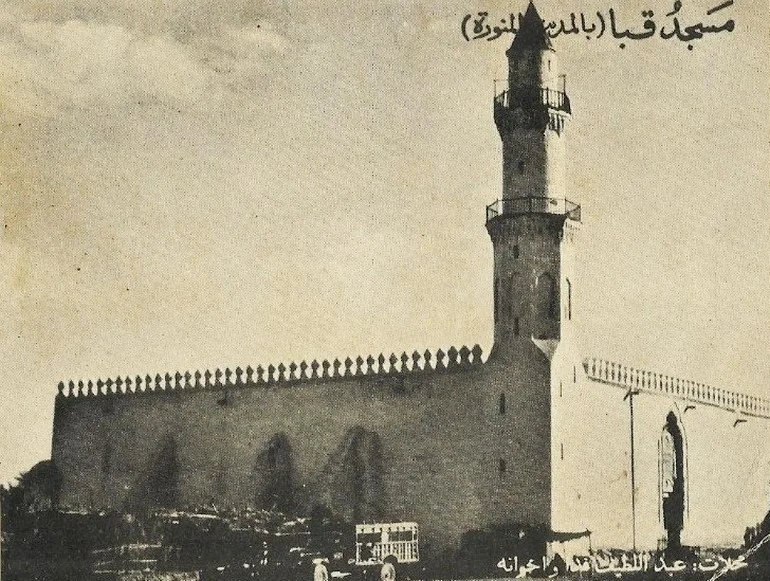

Separate religious visiting time from the wider city walk when arranging this part of the programme. Leaving proper room for worship first and moving on to a café or meal afterwards makes the day easier to understand. Historical photographs and the present surroundings can differ considerably, so pay attention to the setting you actually encounter. Keep passages open while using a camera along streets or the walking route. If remaining nearby for dinner, compare the business's precise address with your route back. With only one day, consider the transport between Uhud and Quba and give one a longer section and the other a shorter visit. There is no need to add several more stops simply because their names appear on the same destination page.
Ghamama and Hejaz railway heritage
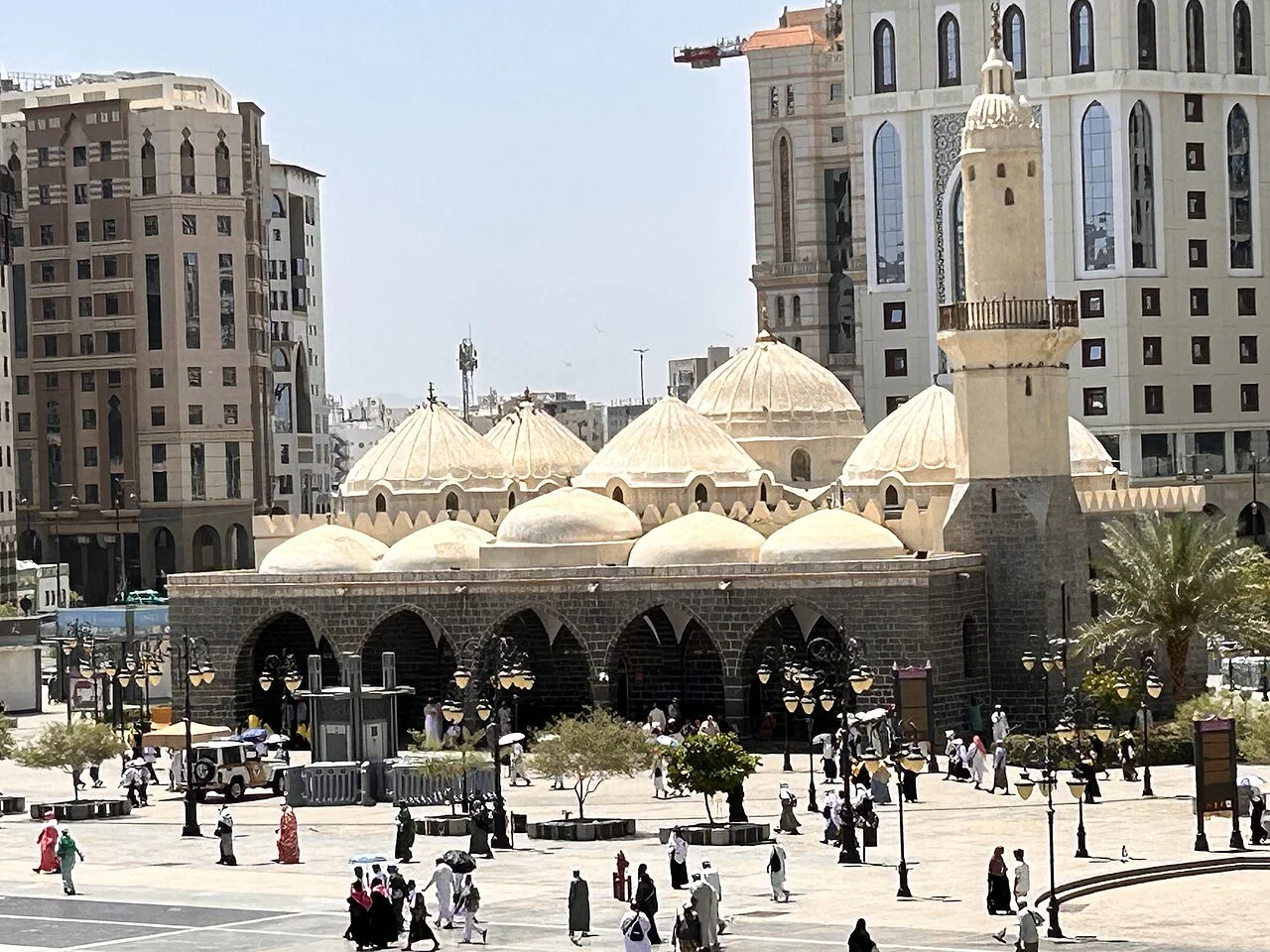
Ghamama Mosque is one of the historic stone buildings to consider around the central area. Official Madinah visitor information locates it in relation to the Prophet's Mosque surroundings. When planning an exterior view, respect religious access boundaries and daily use. A short pause can be enough to examine the relationship between the darker stone and the domes. Do not make the walk depend on entering every mosque: understanding a historical building's architecture and position within the city provides a separate experience. Take photographs from an appropriate place that keeps people's routes clear.
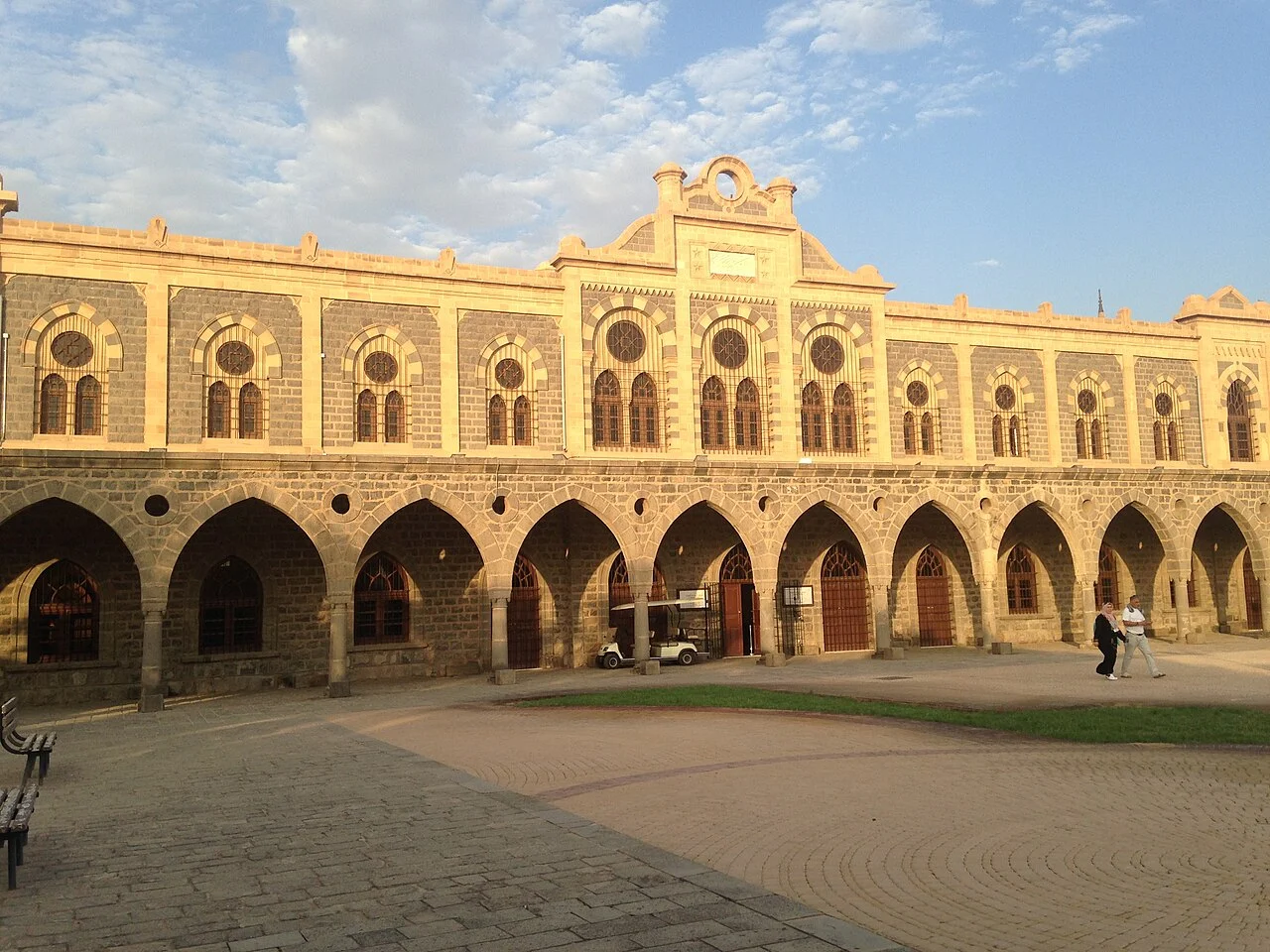

The Hejaz railway station introduces a different historical layer. Official Madinah information records its opening in 1908 and describes it today in the context of a historical museum. A visit focused on transport heritage can offer another way to read the city alongside a religious programme. Check museum access and available sections before arriving. This historic building is not the terminal where you board a present-day Haramain train. Look at the arches and façade arrangement, then choose a historical theme from any exhibitions actually accessible during your visit. Giving the station its own transport stage can reduce unnecessary journeys back and forth. A museum should receive genuine visiting time rather than become a last-minute addition between two tightly scheduled commitments.
Dates, accommodation and a two-day outline
A small date-tasting pause or shopping visit can add a local food dimension. Explore varieties such as Ajwa and Anbara, comparing small quantities to discover your preference. A product's variety and its actual growing location are separate pieces of information; examine the label and the seller's explanation before purchasing. A few dates alongside tea or coffee provide a smaller pause between longer visits. For lunch or dinner, choosing a business with a convenient return to your hotel can avoid another distant journey when everyone is tired.


In a two-day outline, give the first day to worship and the central surroundings, an exterior look at Ghamama where permitted and a short meal pause. Arrange Uhud and Quba on the second day with their own vehicle connections, adding the railway museum if your interests and available time support it. Choose accommodation according to your visiting purpose and actual pedestrian access. If using Haramain rail, check a service for your date through the official reservation channel and allow additional time between station and hotel. Current permissions, crowds and conditions in open areas can change the plan. Reading Madinah's rhythm alongside your own purpose creates a calmer and fuller journey than filling every gap with another attraction. Leave a flexible final evening so the trip can close around the part of the city that mattered most to you.